
Description
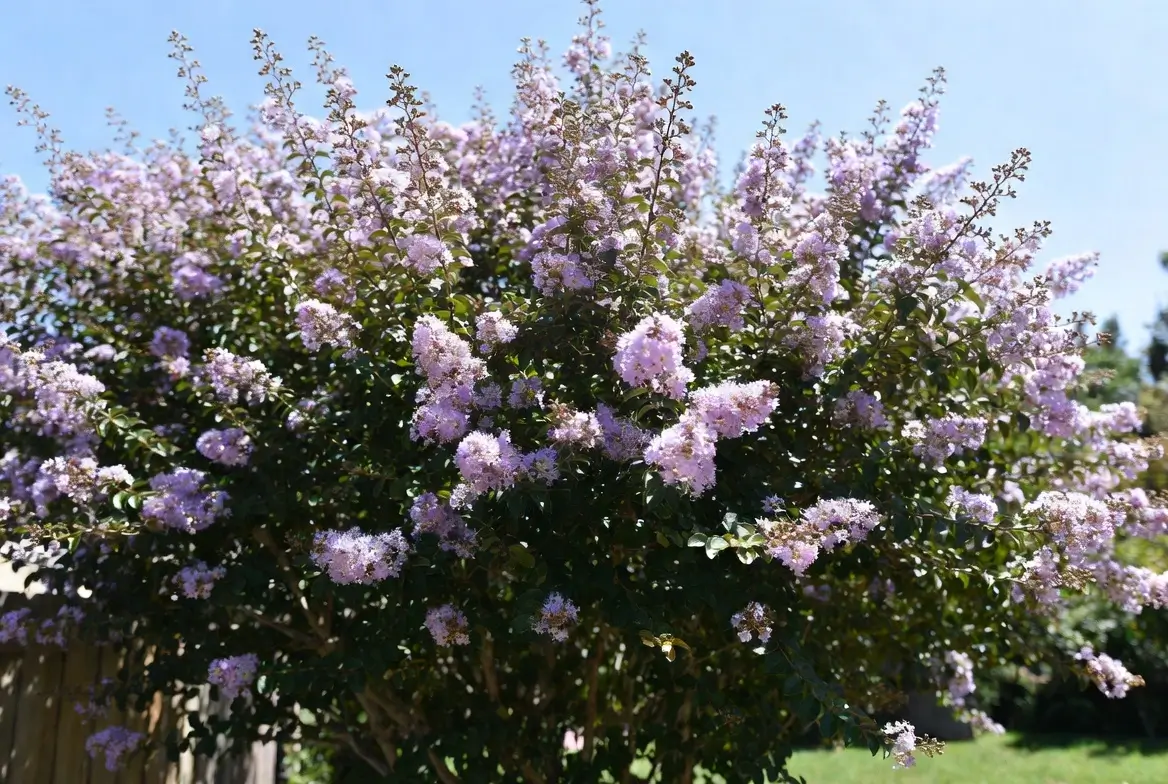
The Muskogee Crape Myrtle is a graceful ornamental tree admired for its soft lavender blooms, smooth bark, and dependable growth habit. As a featured selection within our Crepe Myrtle collection, this variety is well suited for enhancing residential landscapes and thoughtfully designed garden spaces.
During summer, the Muskogee Crape Myrtle produces abundant flower clusters that create a refined and calming visual display. Its lush green foliage provides seasonal interest and transitions beautifully as temperatures change. Known for its strong resistance to common diseases, this variety offers consistent performance with minimal upkeep.
The Muskogee variety works well as a shade tree, lawn feature, or along walkways where balanced structure and subtle color are desired. Its upright growth and uniform form make it an excellent option for both small and larger outdoor areas.
At Zoned Garden, our Crepe Myrtle collection is selected with care to ensure lasting quality and landscape reliability. The Muskogee Crape Myrtle is an excellent choice for gardeners looking for a refined flowering tree with dependable seasonal appeal.
FAQs:
Q1: How tall does Muskogee Crape Myrtle grow?
A: Muskogee is one of the tallest crape myrtle varieties, often reaching 20–25 feet with a wide, spreading canopy — perfect for large landscape settings.
Q2: What color flowers does Muskogee Crape Myrtle produce?
A: Muskogee produces beautiful soft lavender blooms in large panicles that create an elegant, romantic color display from mid-summer through fall.
Q3: Is Muskogee Crape Myrtle mildew resistant?
A: Yes! Muskogee has outstanding powdery mildew resistance, which combined with its size and color makes it one of the most popular large crape myrtles in the South.