Miniature myrtle plants fall into 2 distinct categories that are commonly confused: true myrtles (Myrtus communis) and miniature crape myrtles (Lagerstroemia indica, compact forms). Both stay small, both work in containers, and both produce flowers — but they are different plants with different care needs, different hardiness, and different ornamental roles in the garden.
Understanding which one you have — or which one you need — is the starting point. This guide covers both in full.
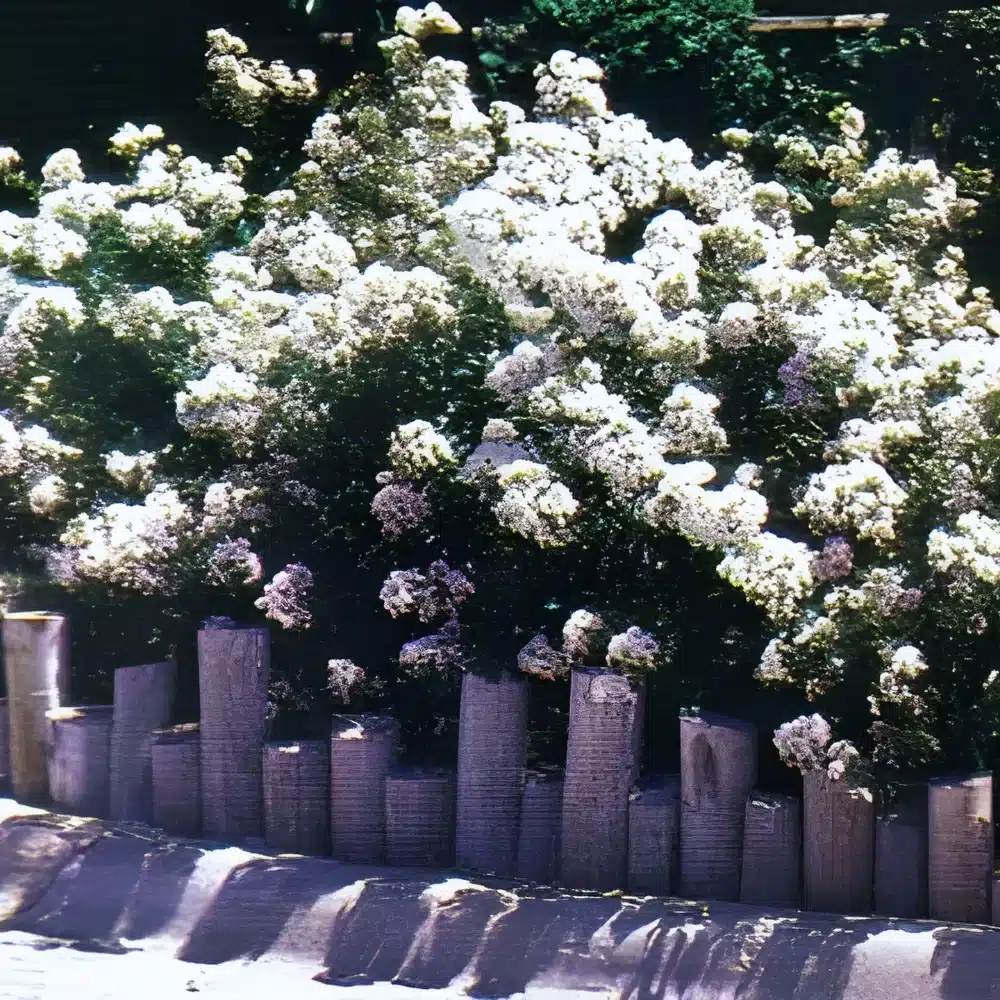
True myrtle is an evergreen shrub native to the Mediterranean basin and parts of Western Asia. It has been cultivated in European gardens for over 3,000 years. Ancient Greeks and Romans associated it with Aphrodite and Venus, goddesses of love and beauty, and wove myrtle wreaths for brides and victors. The aromatic leaves, edible berries, and delicate white flowers made it one of the most prized plants in classical antiquity.
Today, true myrtle is grown primarily as an ornamental evergreen shrub or topiary specimen. Compact cultivars remain 2–4 feet tall, making them ideal for formal garden designs, herb gardens, and container collections.
Feature | Detail |
|---|---|
Scientific name | Myrtus communis ‘Compacta’ or ‘Microphylla’ |
Height (compact form) | 2–4 feet tall |
Flowers | Small, fragrant white blooms with prominent stamens — summer |
Foliage | Evergreen, small, aromatic when crushed |
Berries | Blue-black in fall — edible, aromatic |
Hardiness zones | USDA zones 8–11 (marginally zone 7 in sheltered spots) |
Uses | Topiaries, formal hedges, herb gardens, containers, wedding traditions |
Fragrance | Leaves release a spicy-sweet scent when brushed |
Myrtus communis ‘Compacta’ Height: 2–3 ft | Dense, rounded form The most widely grown miniature myrtle. Produces the classic small white flowers with tufted stamens in summer. Holds its shape naturally without frequent pruning. Used widely in Mediterranean-style and formal knot garden designs. In parts of southern Europe, ‘Compacta’ is still carried in bridal bouquets as a symbol of fidelity. |
Myrtus communis ‘Microphylla’ Height: 2–3 ft | Tiny leaves, very fine texture Features leaves approximately half the size of standard myrtle — creating an extremely fine-textured foliage effect that works particularly well for topiary work and miniature garden designs. The small leaf size makes it the preferred choice for clipping into precise shapes: spheres, cones, and standards. |
Myrtus communis tarentina Height: 3–4 ft | Narrow leaves, compact growth The Tarentum myrtle, from Taranto in southern Italy. Narrower leaves than standard myrtle with a naturally upright, dense habit. Slightly more compact than the species. Produces white flowers and smaller pale berries. More tolerant of coastal conditions and light salt spray than other varieties. |
Sunlight: Full sun to partial shade. Best flower production in full sun. Tolerates more shade than crape myrtle without losing its compact form.
Soil: Well-drained soil — this is non-negotiable. True myrtle will not tolerate wet roots. In heavy clay, raise the planting area or grow in containers with a premium potting mix. Prefers slightly alkaline to neutral pH (6.5–7.5).
Watering: Drought-tolerant once established. Water deeply but infrequently — allow the top 2–3 inches of soil to dry between waterings. In containers, water when the top inch feels dry. Overwatering is the number one cause of failure.
Fertilizing: Light feeding once in spring with a balanced slow-release fertilizer. True myrtle does not require heavy feeding. Excess nitrogen promotes leggy growth at the expense of the compact, dense habit.
Pruning: Prune in spring to maintain shape. True myrtle clips well and can be sheared tightly for formal topiary. Avoid hard pruning in fall — new growth is vulnerable to frost damage.
Winter hardiness: Hardy in zones 8–11. In zone 7, plant against a south-facing wall or in a sheltered courtyard for best results. Container plants should be moved indoors or to a frost-free greenhouse below 15°F (-9°C).
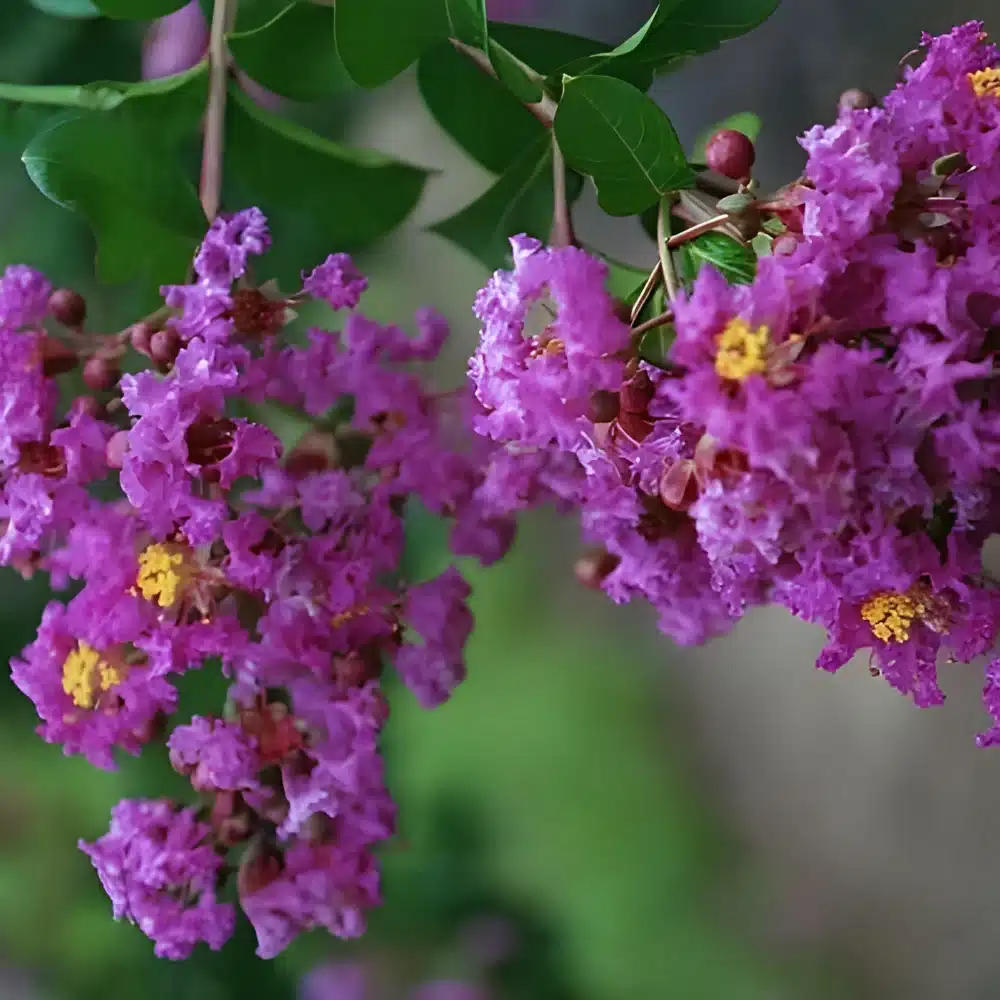
When most garden centers use the term ‘miniature myrtle,’ they usually mean miniature crape myrtle — Lagerstroemia indica varieties that stay under 3 feet tall. These carry all the signature features of standard crape myrtles: ruffled summer flowers with crepe-paper texture, exfoliating bark that reveals colorful underlayers, and fiery fall foliage — just condensed into a 2–3 foot plant.
Unlike true myrtle, miniature crape myrtles are deciduous. They go dormant in winter, sometimes appearing completely dead, before pushing new growth in spring. First-time growers often panic and assume the plant has died — it has not.
Variety | Height | Color | Zones | Best Use |
|---|---|---|---|---|
Chickasaw | 2–3 ft | Pink to lavender | 7–9 | Edging, containers, mass planting |
Pocomoke | 2–3 ft | Hot pink / deep rose | 7–9 | Containers, patio planting |
Victor | 3 ft | Deep red | 7–9 | Front border, containers |
Berry Dazzle | 3–4 ft | Bright pink | 7–9 | Containers, low border |
Delta Blush | 1.5 ft | Light pink, weeping habit | 7–9 | Hanging baskets, edging |
Baton Rouge | 1–2 ft | Red | 7–9 | Ground cover, very small beds |
Rosy Carpet | 2–3 ft | Pink, spreading | 7–9 | Ground cover in sunny beds |
Sunlight: Full sun — minimum 6 hours daily. This is not negotiable for miniature crape myrtles. Less sun means dramatically fewer flowers.
Soil: Well-drained, slightly acidic soil (pH 5.5–7.0). Adapts to clay, sand, or loam as long as drainage is adequate.
Watering: Deep watering twice weekly for the first season. Once established, water only during extended dry periods. Allow soil to dry slightly between waterings.
Fertilizing: Balanced slow-release fertilizer (10-10-10) in early spring. Container plants benefit from liquid feeding every 4–6 weeks during the growing season. Stop fertilizing by mid-August.
Pruning: Remove dead wood and crossing branches in early spring. Deadhead spent flower clusters by cutting back to the first full leaf — reblooms within 4–6 weeks. Never top miniature crape myrtles, even though their small size makes it tempting.
Winter dormancy: Do not be alarmed when leaves drop and the plant appears lifeless. Miniature crape myrtles go dormant in winter. Wait until spring bud swell before declaring a plant dead.
Feature | True Myrtle | Miniature Crape Myrtle |
|---|---|---|
Evergreen or deciduous? | Evergreen | Deciduous (loses leaves in fall) |
Bloom season | Summer (small white flowers) | Summer–Fall (large, showy blooms) |
Bloom size | Small (1/2 inch) | Large (panicles 6–12 inches) |
Hardiness zones | 8–11 | 7–9 |
Drought tolerance | Very high once established | High once established |
Container suitability | Excellent — stays compact | Excellent for miniature forms |
Fragrance | Aromatic foliage | Mildly fragrant flowers |
Topiary use | Excellent — clips precisely | Poor — natural habit only |
Winter interest | Evergreen foliage year-round | Peeling bark structure |
Best for | Formal gardens, herb beds, topiaries | Color displays, summer borders |
Both true myrtle and miniature crape myrtle perform well in containers when setup is correct from day one. The 4 factors that determine success:
In zones below 7, container-grown true myrtle must be brought indoors or into a frost-free space when temperatures drop below 20°F (-7°C). Miniature crape myrtles can be overwintered in an unheated garage — they go dormant and need only occasional light watering through winter.