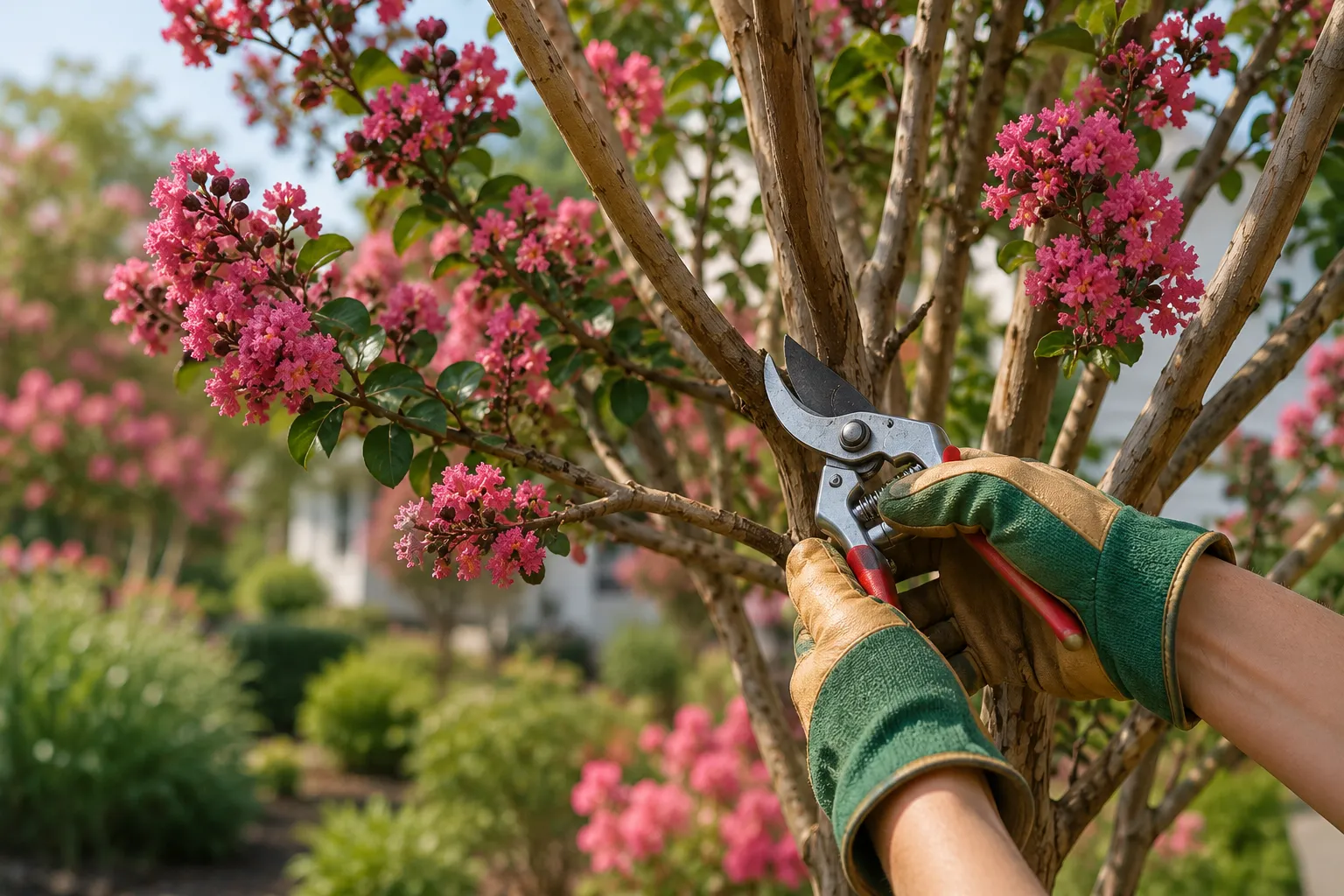
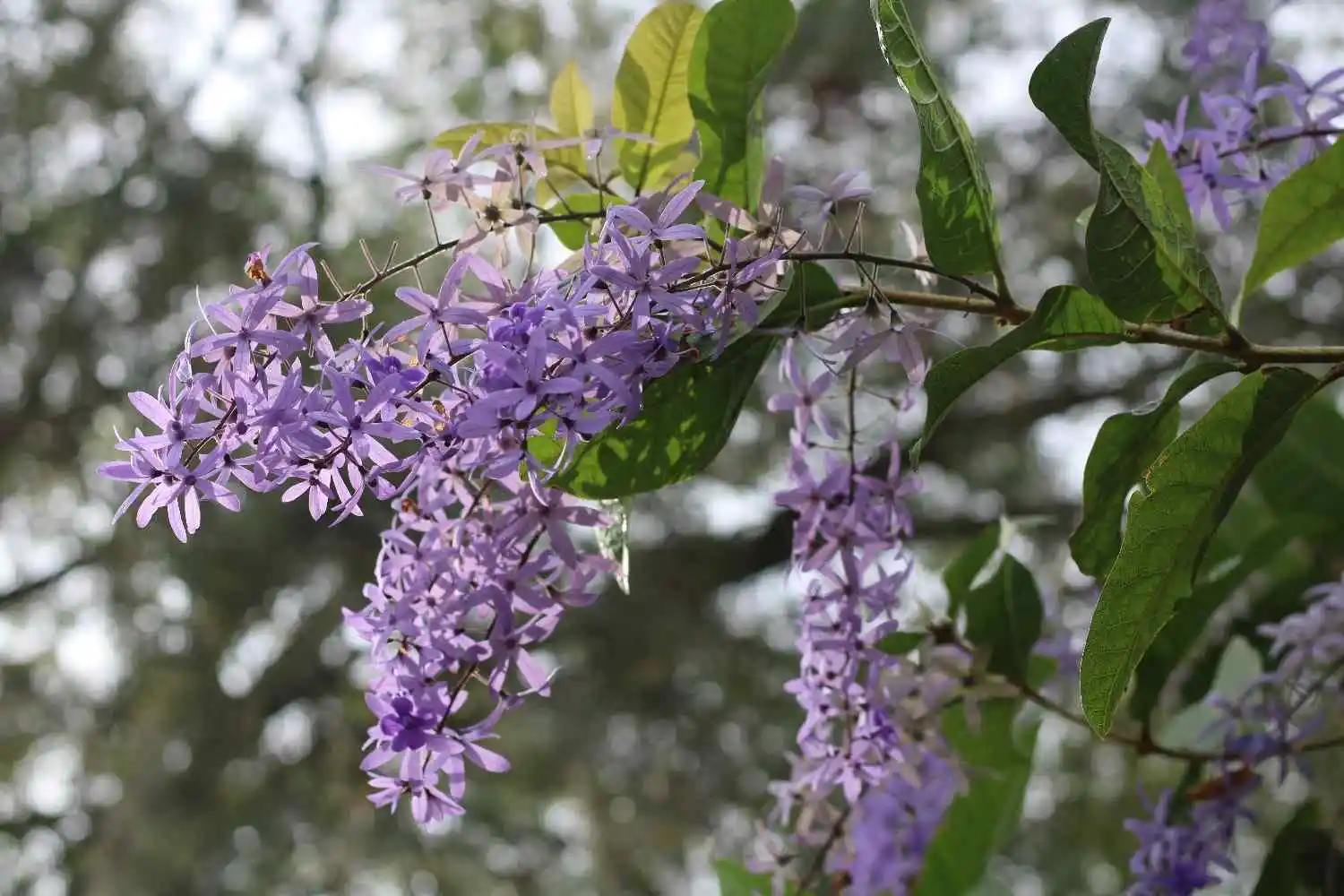
| Crape myrtle | Late Jan – early March | Never cut main trunks | Thinning only | Remove dead wood and water sprouts — never "crape murder" |
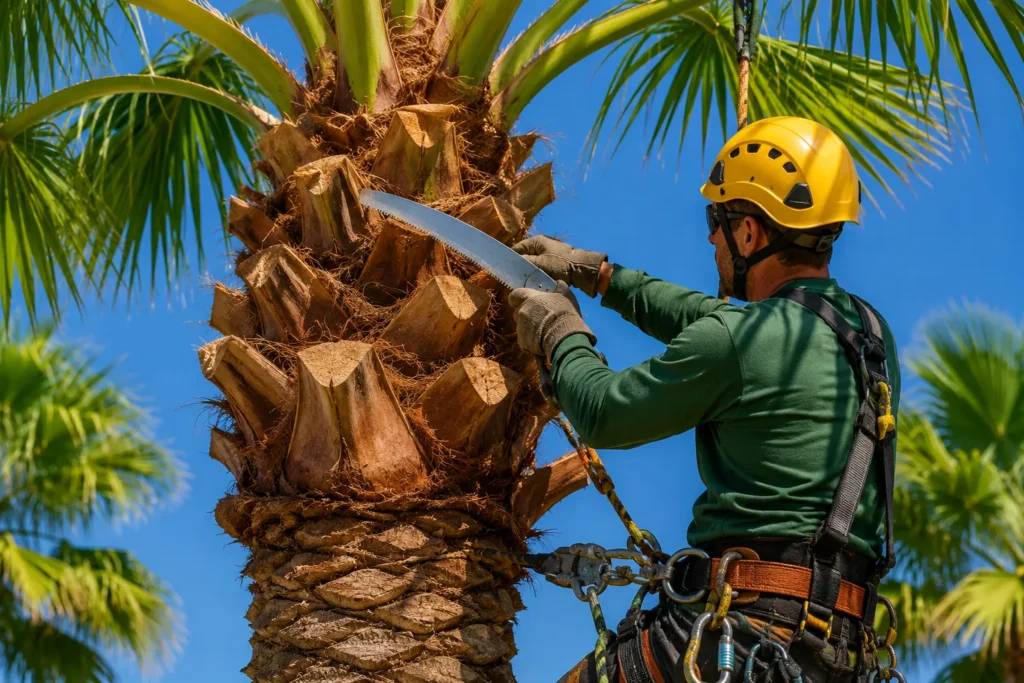
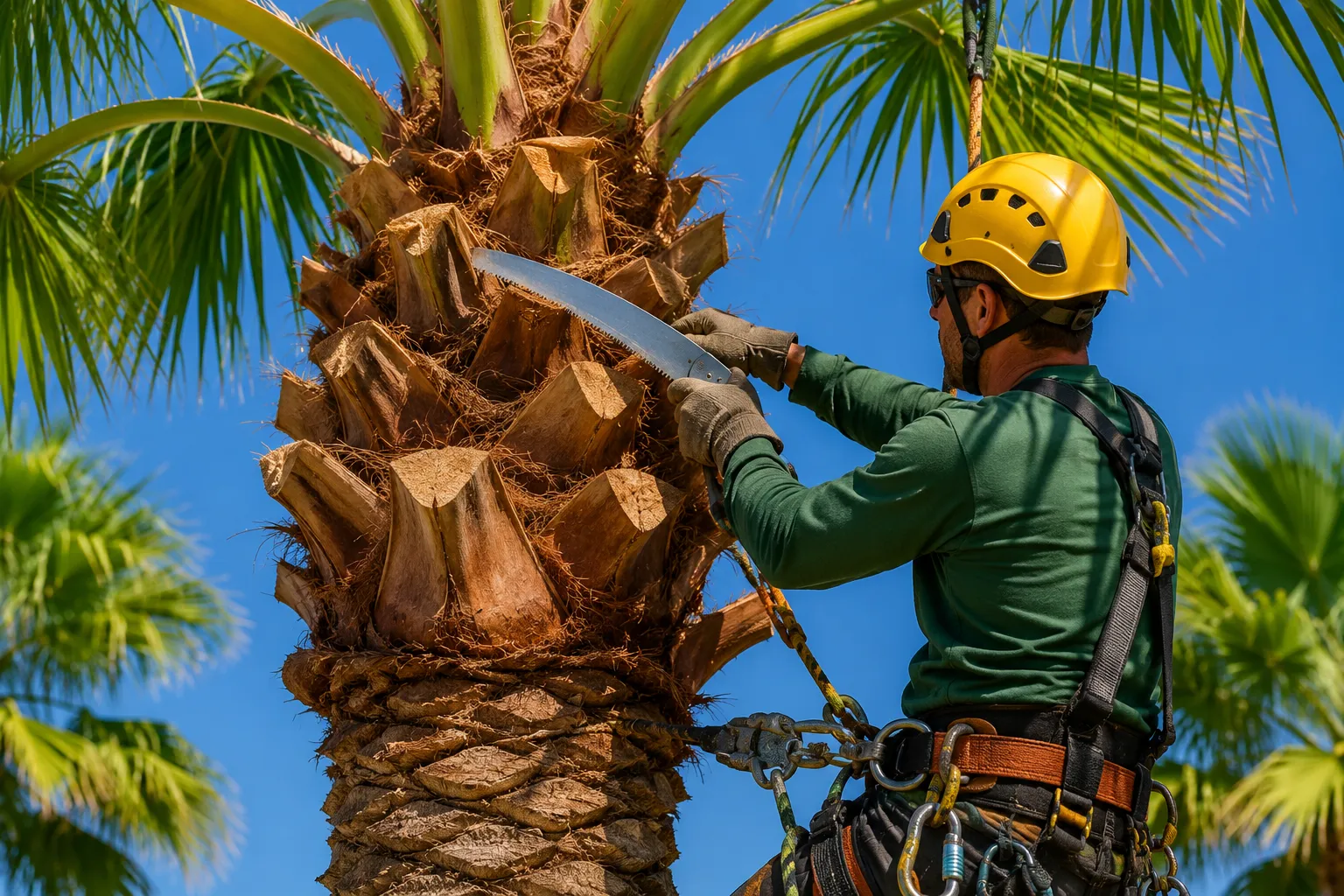
| Palm tree | Once annually — any season | Never cut green fronds | Removal of dead fronds only | Only fully brown fronds — leave all green fronds untouched |
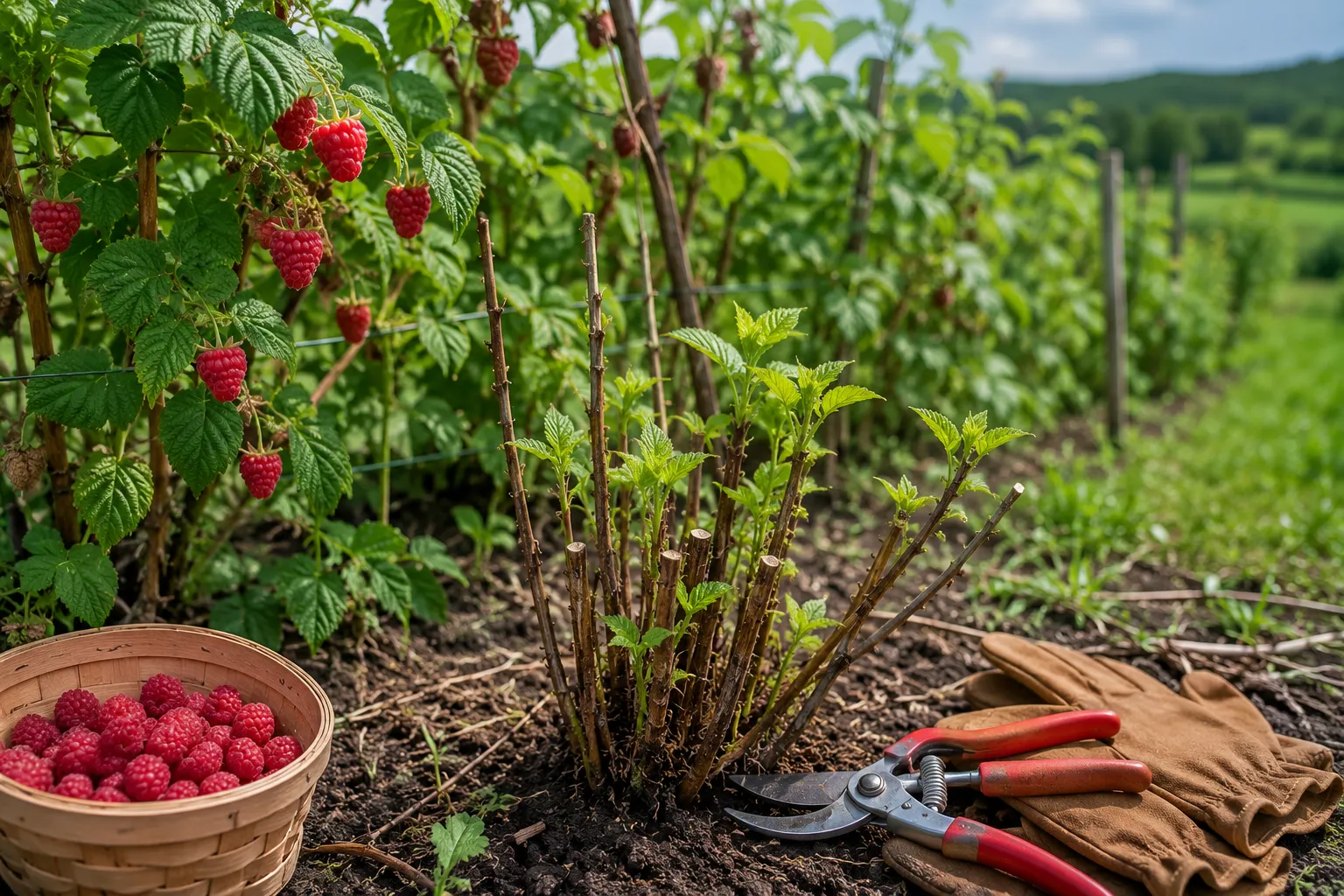
| Summer raspberries | After harvest + early spring | Mid-summer (disrupts fruiting) | Heading + thinning | Remove floricanes after harvest; thin primocanes in spring |
| Everbearing raspberries | Late winter (for 1 crop) or twice yearly (for 2 crops) | During fruit set | Heading cut to ground or partial | Cutting all canes to ground in winter = 1 fall crop only |
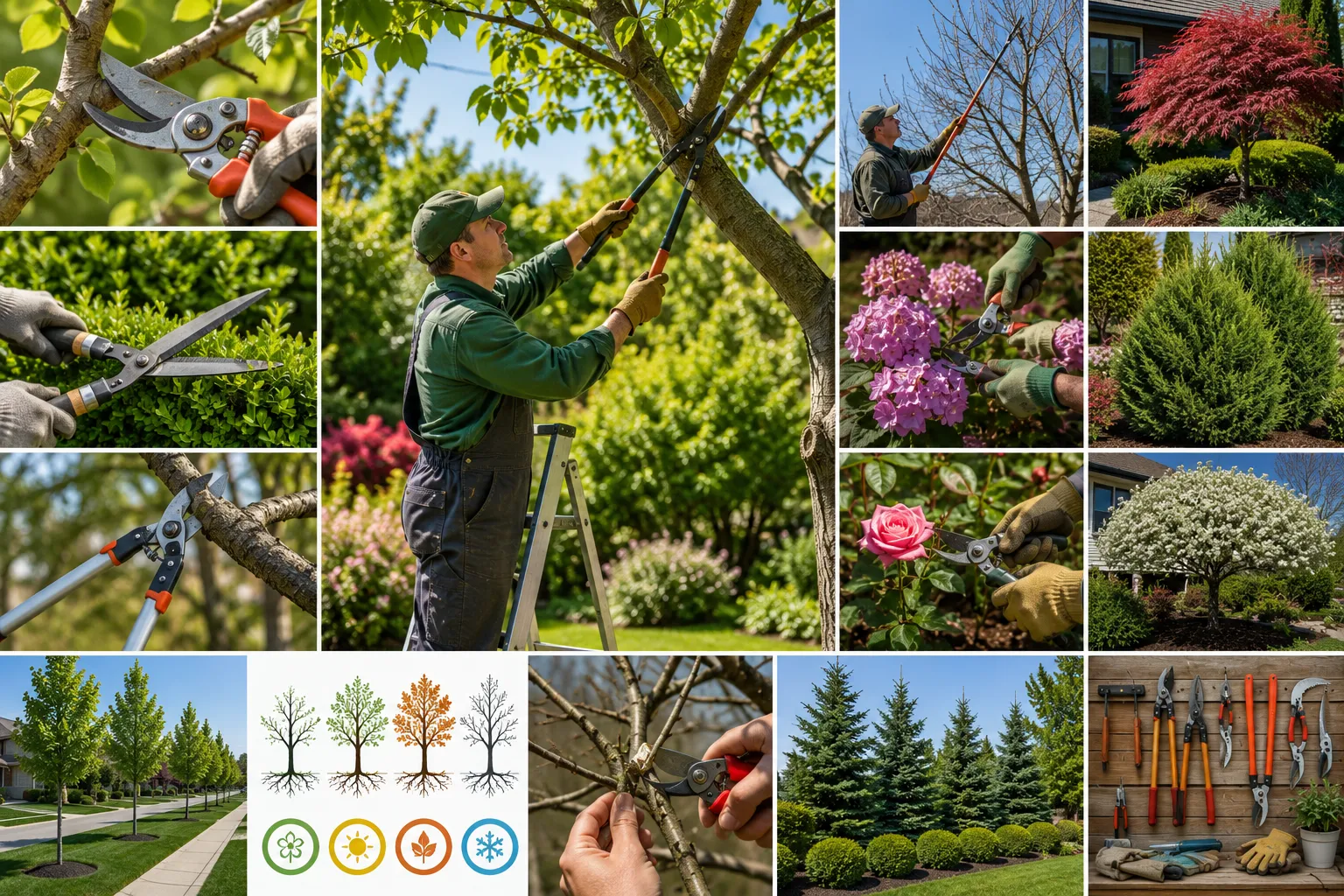
| Spring-blooming shrubs (lilac, forsythia, azalea) | Immediately after bloom | Fall and early spring | Thinning + light shaping | Blooms on old wood — fall pruning removes next year's flower buds |
| Summer-blooming shrubs (hydrangea, butterfly bush) | Late winter – early spring | Summer and fall | Heading cut + thinning | Blooms on new wood — prune before growth starts |
| Evergreen shrubs (boxwood, holly) | Late spring after new growth hardens | Late summer and fall | Light shaping only | New growth must harden before shaping — typically 4–6 weeks after flush |
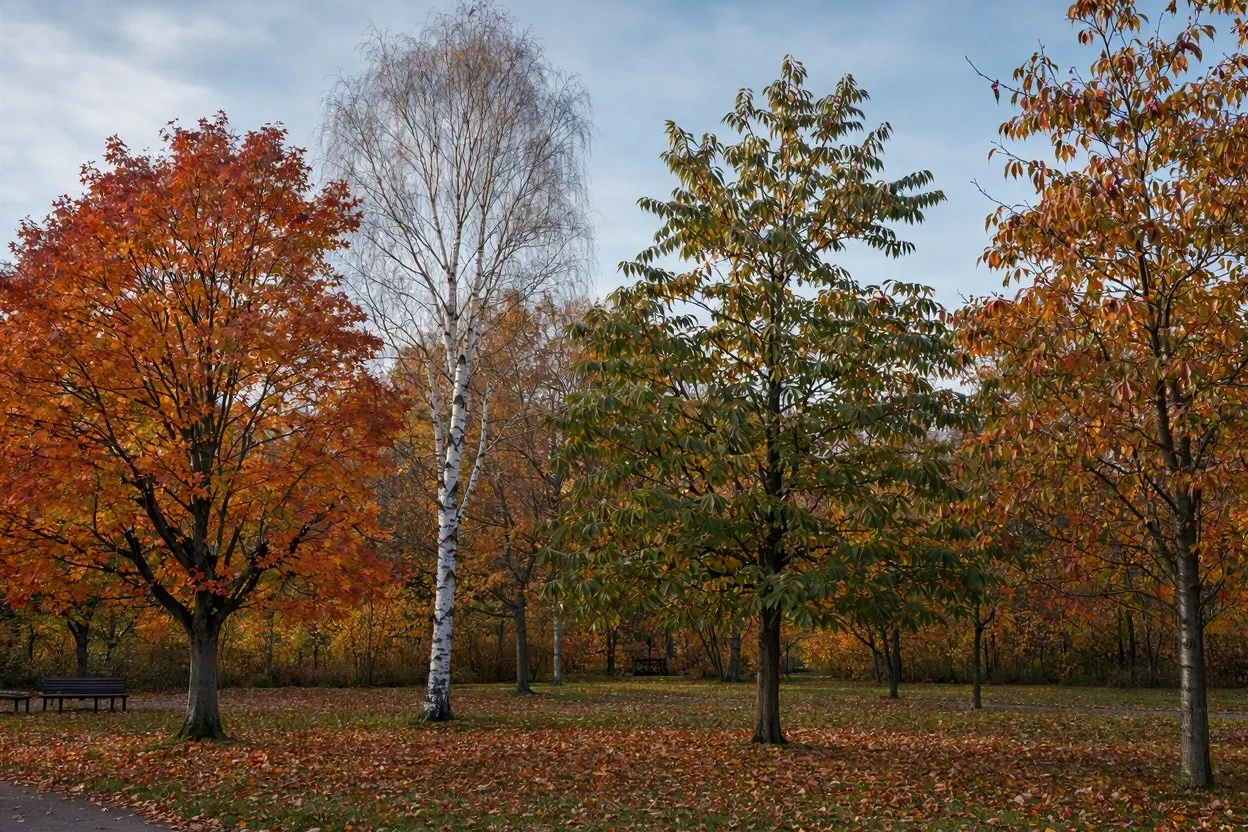
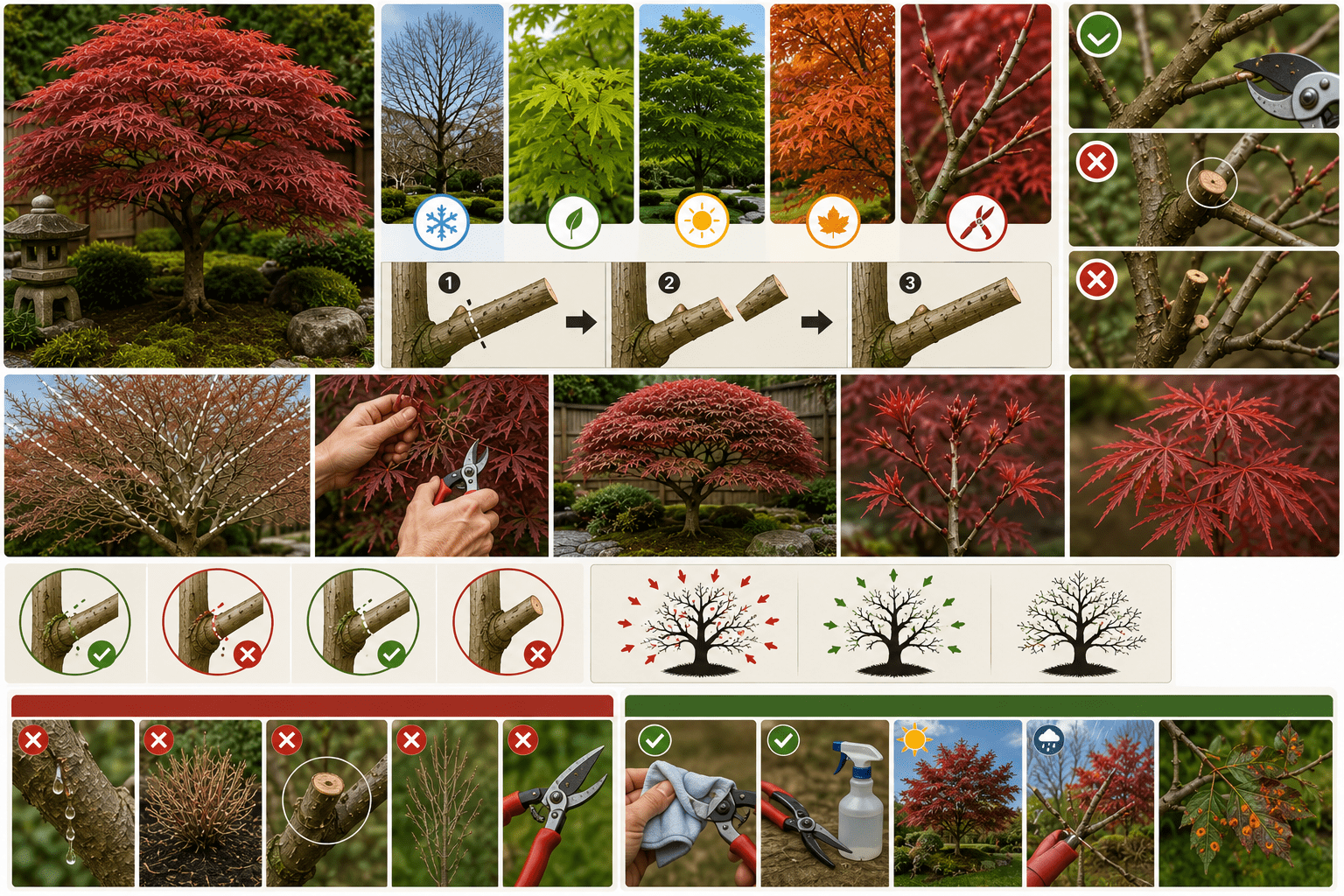
| Deciduous trees | Late winter while dormant | Fall (disease risk) and mid-summer | Thinning + crown reduction | Dormant pruning minimizes disease entry and maximizes wound closure |
| Fruit trees (apple, pear, cherry) | Late winter while dormant | Summer (except cherries — prune in summer to avoid disease) | Thinning + heading | Open center or central leader structure — never remove more than 25% |
| Roses (hybrid tea, floribunda) | Early spring when forsythia blooms | Fall (promotes tender growth before frost) | Heading to outward-facing bud | Cut at 45° angle, 0.25 inches (6 mm) above outward-facing bud |