Mulch That Protects, Feeds, and Transforms Your Garden

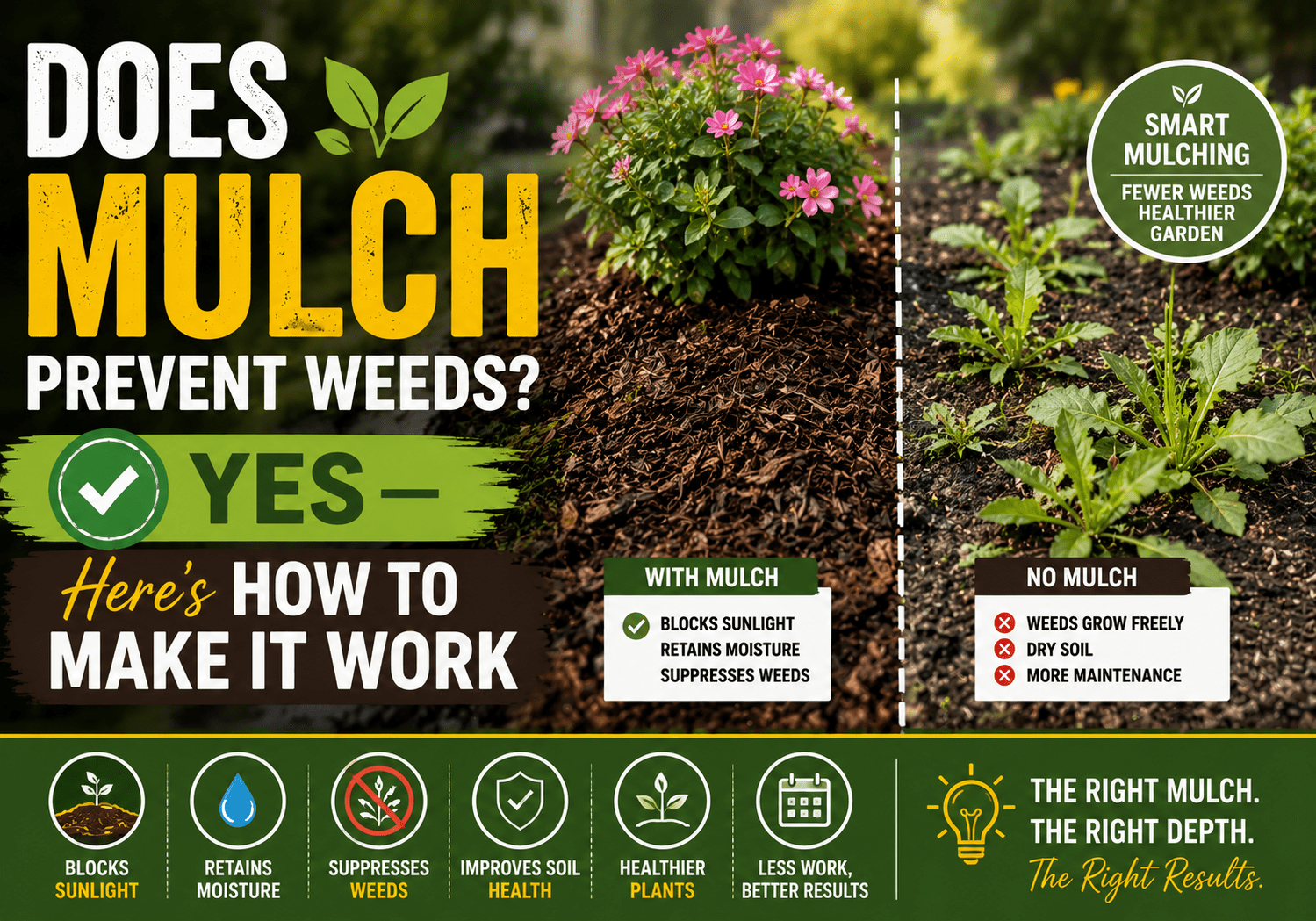
The right mulch retains up to 70% more soil moisture, suppresses 90% of weed seeds, and feeds your soil as it breaks down. This collection covers every mulch question — from choosing the right type for your plants and zone to application depth, timing, and common mistakes that cost money.

Expert guides
0 +
Mulch Types
0
USDA zones
0 +

Mulch vs Pine Straw: Which One Does Your Garden Actually Need?

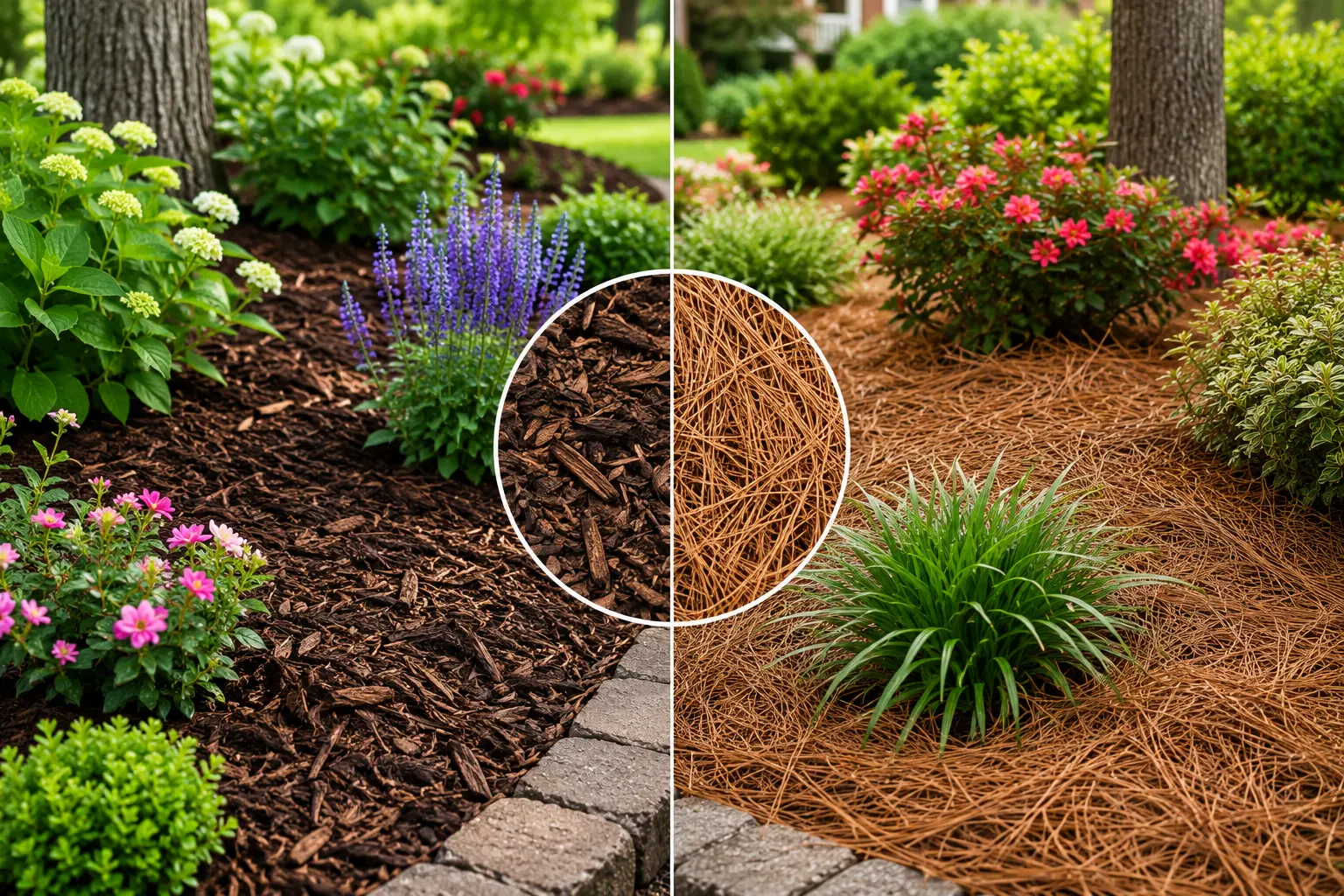
Both mulch and pine straw protect soil, reduce weeding, and conserve moisture. The difference is in how they do it, how long they last, what they cost, and which plants perform better under each one. Choosing the wrong material for your situation wastes money and creates more maintenance work, not less. This guide breaks down every practical difference between mulch and pine straw — cost, lifespan, soil impact, erosion control, best plant matches, and maintenance. By the end, you will know exactly which one fits your garden in 2026. Mulch vs Pine Straw: The Quick Answer Use wood mulch for
Read Full Guild »
All Mulch Guides
 

The 6 Main Types of Mulch

Every mulch falls into one of these 6 categories. Understanding which type you are working with determines how deep to apply it, how often to refresh it, what plants benefit most from it, and what role it plays in your soil’s long-term health.

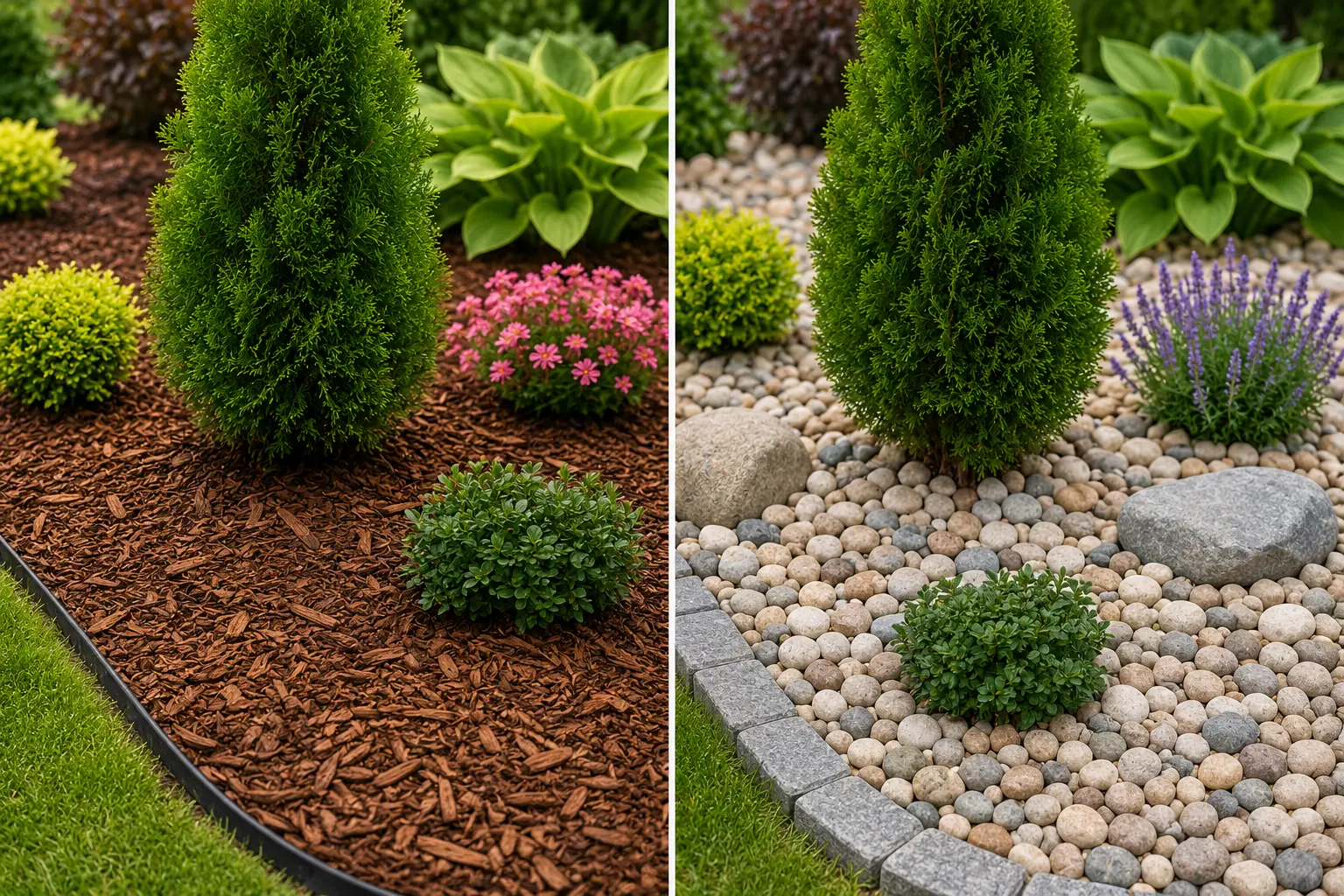
Shredded Hardwood Mulch

The most popular organic mulch for garden beds. Decomposes over 1–2 years, feeding soil microbes and improving soil structure. Apply 2–3 inches (5–7.5 cm) deep. Refreshes once annually in spring.
Best for: Flower beds, shrub borders, foundation plantings, tree rings

Wood Chips

Coarser than shredded hardwood, wood chips last 2–4 years before needing replacement. Ideal for pathways and around large trees where soil nutrition matters less than weed suppression.
Best for: Garden paths, large tree rings, slopes, high-traffic areas

Pine Straw (Pine Needles)

Lightweight, interlocking needles form a mat that resists washing and allows excellent water penetration. Slightly acidic as it breaks down — a benefit for acid-loving plants.
Best for: Azalea, blueberry, rhododendron, camellia, holly

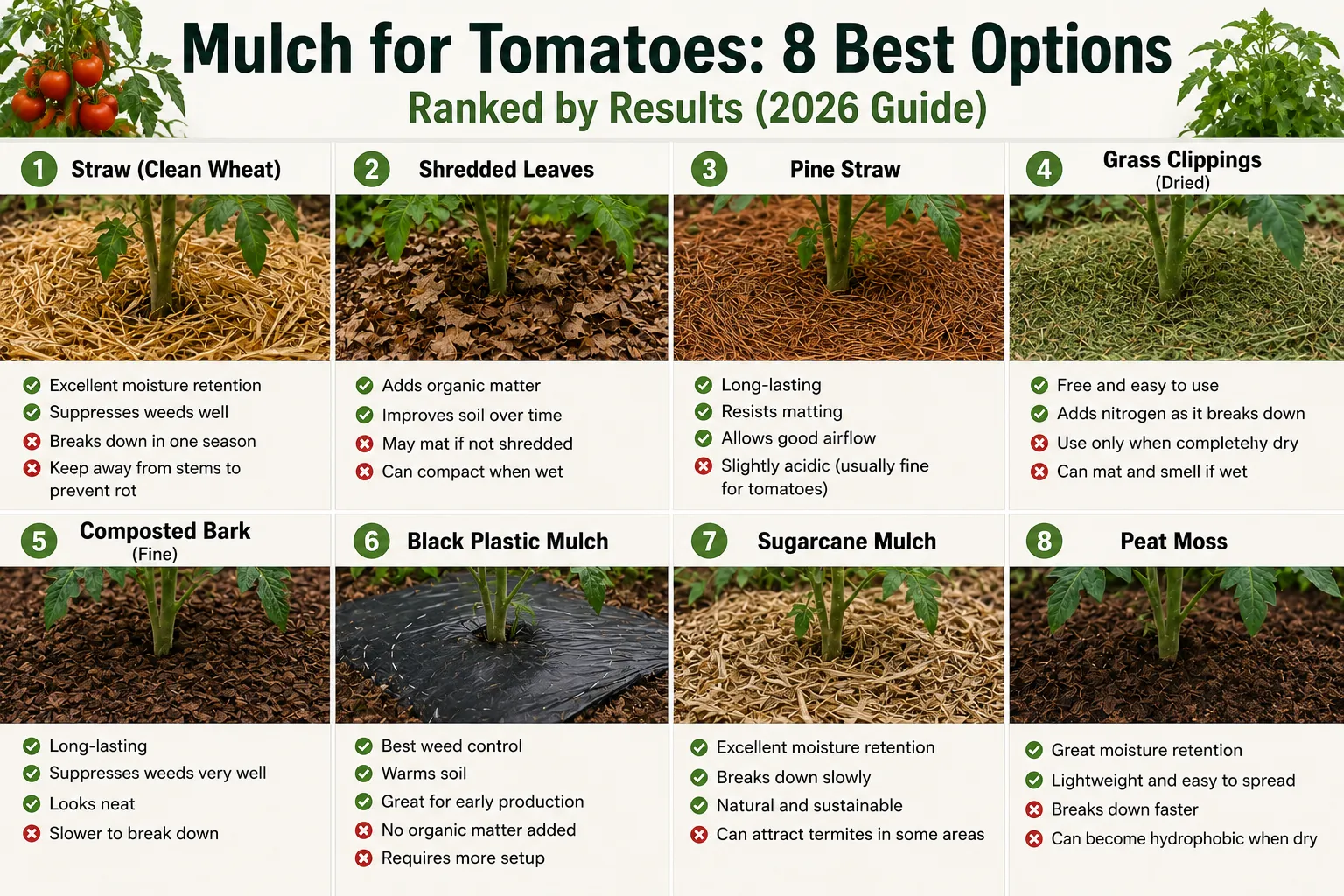
Straw & Hay

Inexpensive organic mulch for vegetable gardens and newly seeded lawns. Decomposes quickly — within one season — adding organic matter to soil. Straw (not hay) is preferred to avoid weed seeds.
Best for: Vegetable gardens, new grass seed, strawberry rows

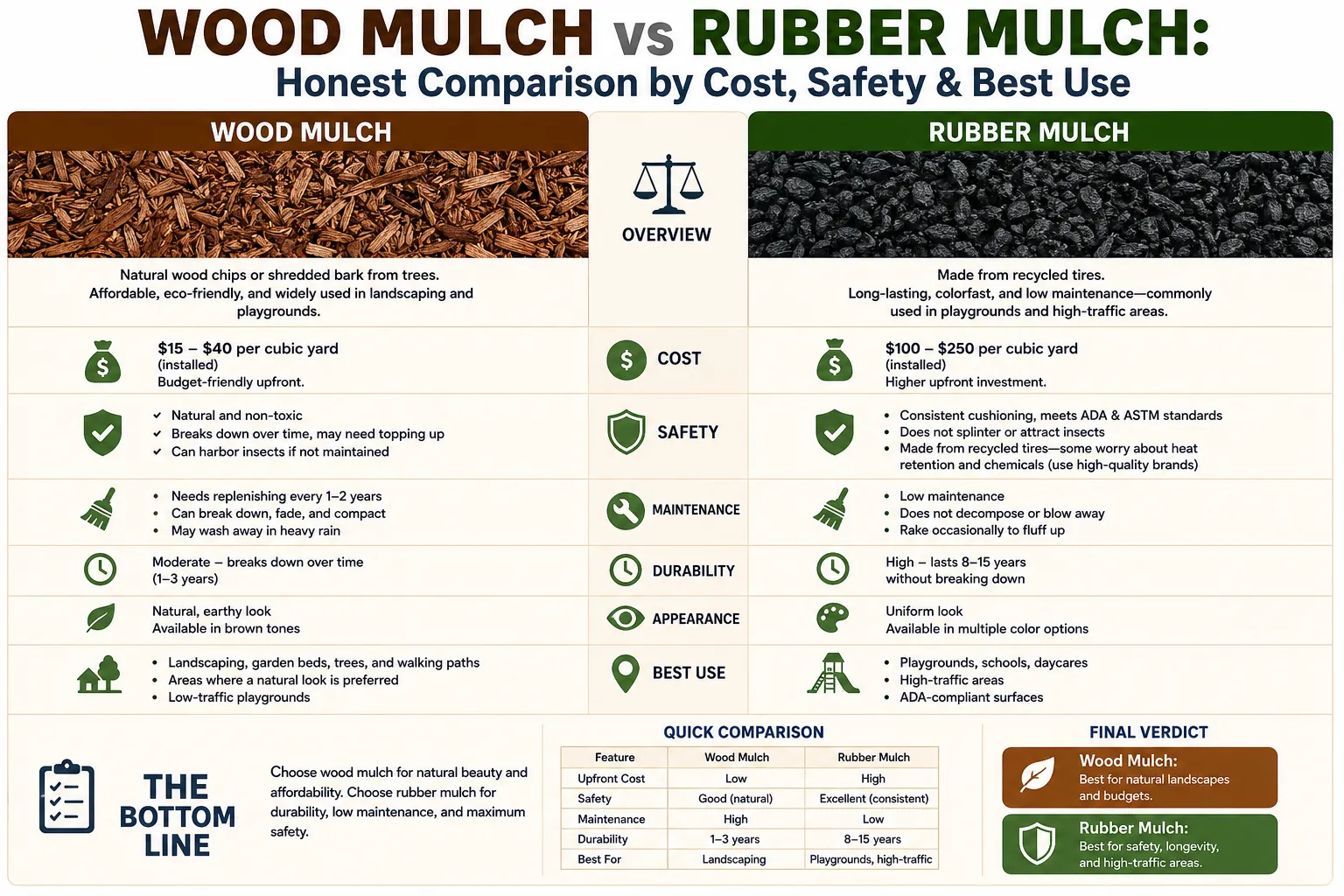
Rubber Mulch

Made from recycled tires. Lasts 10+ years and requires no annual replenishment. Adds zero nutrients to soil and can reach surface temperatures above 160°F (71°C) in summer sun.
Best for: Playgrounds, commercial spaces — not recommended for planting beds

Gravel & River Rock

Inorganic mulch that never decomposes. Excellent drainage and long-term weed suppression. Raises soil temperature — beneficial in cold climates, harmful in zones 7–10 during summer.
Best for: Xeriscape gardens, cacti, succulents, Mediterranean plants

Match Mulch to Purpose

Before buying any mulch, define what job it needs to do in your garden. The table below maps 10 common landscaping goals to the best mulch choices and their key application requirements.

Gardening Goal Best Mulch Depth Replace Every Key Advantage
Weed suppression Shredded hardwood, bark mulch 3 inches (7.5 cm) 1 year Blocks 90% of weed seed germination
Moisture retention Shredded wood, straw 2–3 inches (5–7.5 cm) 1 year Reduces watering needs by up to 70%
Acid-loving plants Pine straw, pine bark 2–3 inches 1–2 years Lowers soil pH gradually as it decomposes
Vegetable garden Straw, shredded leaves 2 inches (5 cm) Each season Fast decomposition feeds vegetables directly
Tree rings Wood chips, shredded bark 2–4 inches (5–10 cm) 2 years Extends to drip line, protects surface roots
Pathway coverage Wood chips, gravel 3–4 inches (7.5–10 cm) 3–5 years Dense cover prevents compaction and weeds
Slope erosion control Shredded wood, pine straw 3 inches 1 year Interlocking fibers resist runoff on grades
Xeriscape / drought garden Gravel, river rock 2–3 inches Never No decomposition, minimal maintenance
Budget-conscious gardening Shredded leaves, grass clippings 2 inches Each season Free organic material available every fall
Winter plant protection Straw, shredded leaves, wood chips 4–6 inches (10–15 cm) Spring removal Insulates roots from freeze-thaw cycles

When to Apply Mulch — Season by Season

Mulch timing determines how effectively it retains moisture, suppresses weeds, and protects roots. Apply too early in spring and mulch locks cold soil in place. Apply too late in fall and you lose the winter insulation window. Here is what to do in each season.

Spring

Best application window. Wait until soil warms above 50°F (10°C) before applying — typically mid-April in zones 5–6, early April in zones 7–9. Apply 2–3 inches after weeding. Spring mulching locks in early moisture before summer heat arrives.

Summer

Mulch applied in early summer tops up thinning spring applications. Avoid applying over dry, cracked soil — water thoroughly first, then mulch. Summer mulching reduces watering frequency by 30–50% during peak heat. Maintain 2–3 inch depth throughout.

Fall

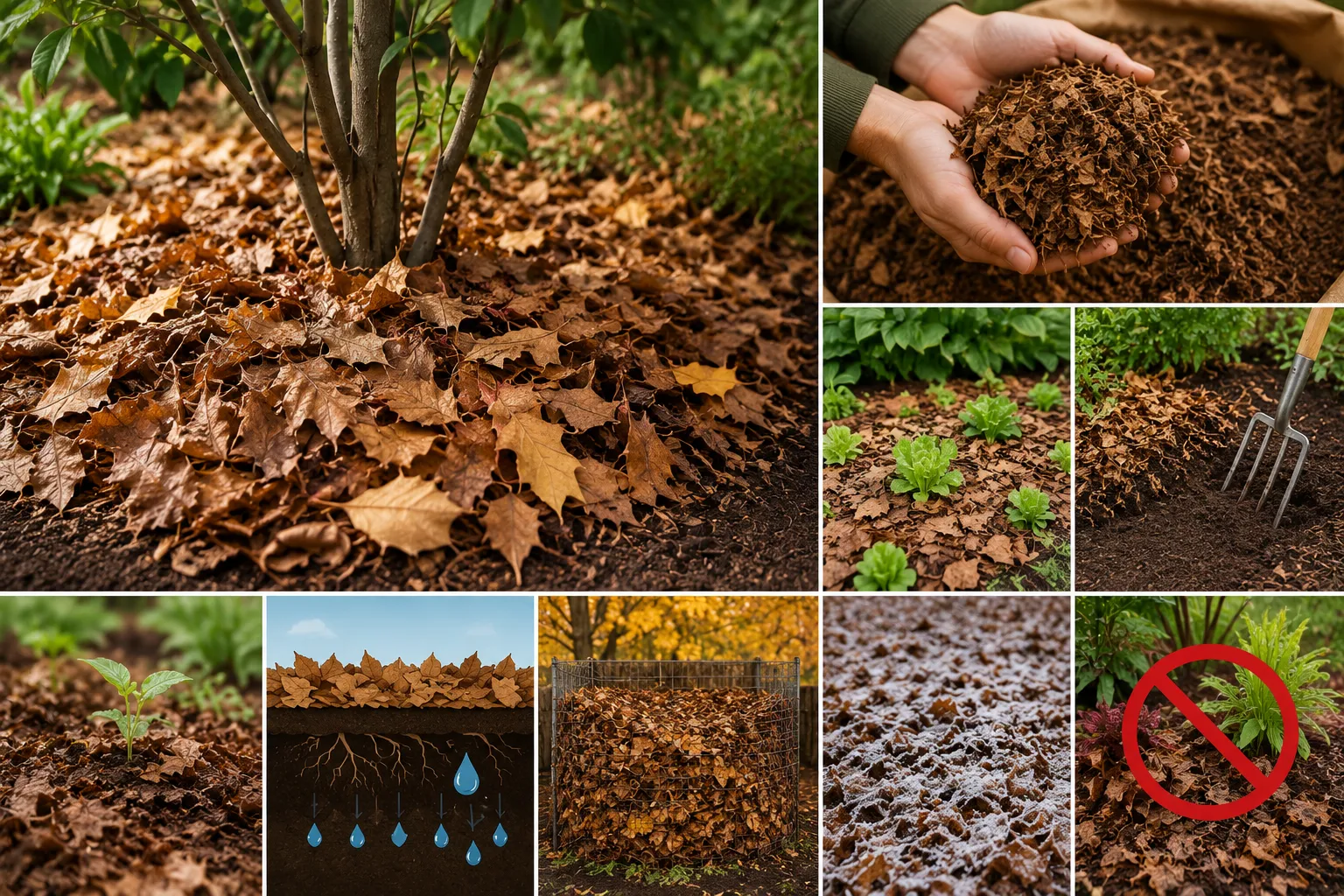
Apply a fresh 2–3 inch layer after the first hard frost in zones 5–7, or in October–November in zones 8–10. Fall mulching protects root zones through freeze-thaw cycles. Shredded fall leaves are the best free mulch source of the year.

Winter

In zones 8–11 where soil rarely freezes, mulch maintenance continues year-round. In zones 3–7, pull mulch away from plant crowns in late winter to prevent crown rot once temperatures rise. Never remove mulch from tree rings — leave it year-round.

Apply Mulch Correctly — Every Time

The most common mulching mistakes are not about which product to buy — they are about how mulch is applied. These 6 principles apply to virtually every mulch type in every garden.

2–3 inches — not more, not less

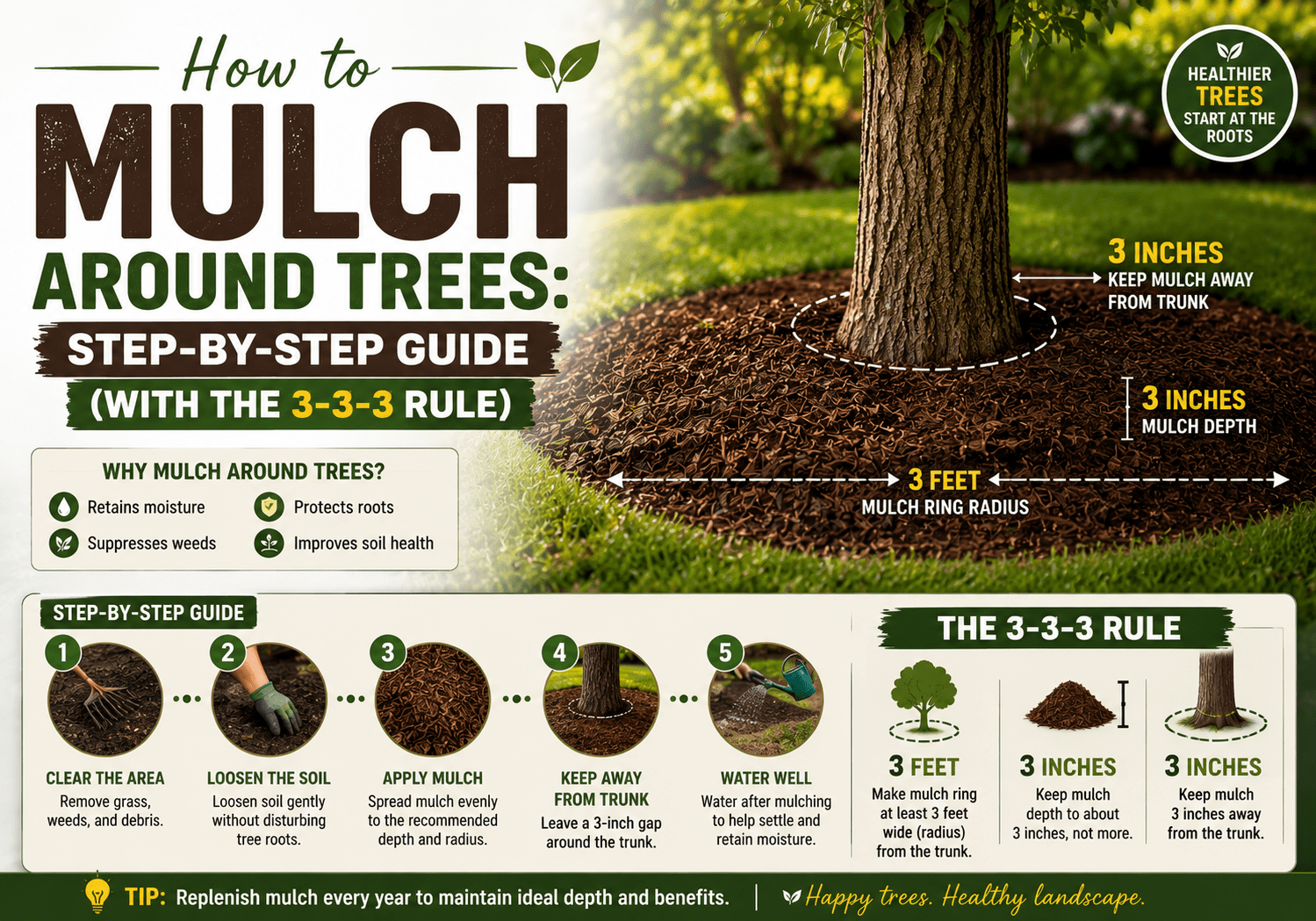
Apply 2–3 inches (5–7.5 cm) of organic mulch for optimal results. Less than 2 inches fails to suppress weeds and dries out between waterings. More than 4 inches suffocates roots, blocks oxygen exchange, and creates habitat for rodents and fungal disease. Use a ruler to check depth before finishing.

Keep 2–3 inches away from stems

Mulch piled against plant stems — "volcano mulching" — traps moisture against bark, invites fungal rot, and creates shelter for bark-chewing insects and rodents. Pull mulch back 2–3 inches (5–7.5 cm) from every stem, trunk, and crown. The goal is a donut, not a mound.

Extend to the drip line around trees

For trees and large shrubs, extend the mulch ring out to the drip line — the outer edge of the canopy. The surface roots of most trees extend well beyond the visible trunk. A 3-foot (0.9 m) diameter ring around a mature tree is too small. A 6–10 foot (1.8–3 m) ring protects the full root zone.

Weed first, water second, mulch third

Remove all visible weeds before applying mulch — mulch will suppress new germination but will not kill established weeds. Water the bed thoroughly if soil is dry before mulching. Dry soil under mulch stays dry; moist soil under mulch stays moist. The sequence matters.

Top up annually — don't dig in old mulch

Organic mulches decompose and thin over time. Check depth in early spring — if less than 1 inch (2.5 cm) of mulch remains, add a fresh 1–2 inch layer on top. Do not dig old mulch into the soil; allow decomposition to happen naturally from the bottom up, building a layer of humus that improves soil structure over years.

3 mulching errors that cause real damage

Volcano mulching (piling against trunks) kills trees slowly over 5–10 years. Applying fresh wood chips directly to vegetable beds temporarily ties up soil nitrogen during decomposition. Using hay instead of straw introduces thousands of weed seeds. Avoid all 3 and mulching becomes one of the highest-return garden tasks available.

Everything You Need to Know About Mulch

Whether you are mulching your first garden bed or redesigning an established landscape, understanding the fundamentals makes the difference between mulch that works for years and mulch that creates new problems every season.

Why Mulch Is the Highest-ROI Garden Task

A 3-inch layer of mulch applied correctly in spring does more garden work per dollar than almost any other input: it reduces watering needs by 30–70%, suppresses 90% of weed seeds before they germinate, regulates soil temperature to within 10°F of the optimal root zone, and feeds soil microbes as it decomposes. The Iowa State University Extension estimates that proper mulching reduces garden maintenance time by 50% over an entire season. The key phrase is "applied correctly."

Organic vs. Inorganic Mulch: How to Choose

The choice between organic and inorganic mulch comes down to what you need the mulch to do over the long term. Organic mulches — wood chips, shredded bark, pine straw, straw, leaves — decompose and feed your soil, improving structure and fertility over time. Inorganic mulches — gravel, rubber, landscape fabric — never decompose, require no replenishment, and are appropriate for permanent hardscape areas where plant nutrition is not a priority.

Choosing Mulch by USDA Zone

USDA hardiness zone affects which mulch performs best. In zones 3–5, the priority is winter insulation — apply a 4–6 inch (10–15 cm) layer of straw or shredded wood over perennial root zones before the first hard freeze. In zones 6–8, moisture retention through summer matters most — 2–3 inches of shredded hardwood or bark mulch reduces irrigation frequency significantly from June through September. In zones 9–11, mulch primarily manages soil temperature and weed pressure.

How Much Mulch Do You Need? Coverage Calculator

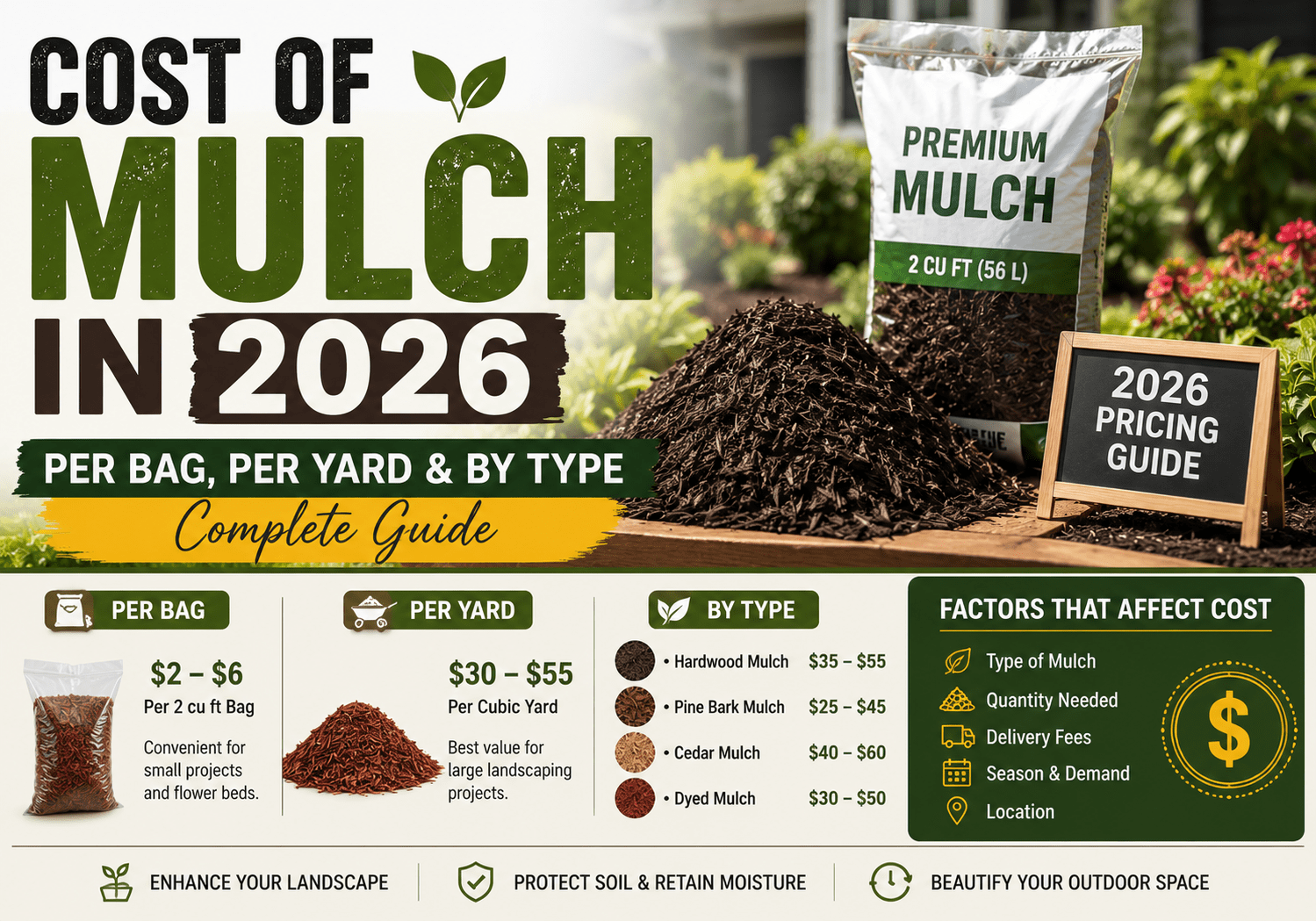
One cubic yard (0.76 m³) of mulch covers 162 square feet (15 m²) at 2 inches (5 cm) deep, 108 square feet (10 m²) at 3 inches (7.5 cm) deep, or 81 square feet (7.5 m²) at 4 inches (10 cm) deep. For a typical 200 sq ft (18.6 m²) garden bed at 3 inches deep, purchase 2 cubic yards or approximately 13–14 standard 2-cubic-foot bags. Always buy 10% more than calculated to account for settling, borders, and uneven ground. Bagged mulch ($3–$7 per bag) suits small areas; bulk delivery ($25–$45 per yard) is cost-effective for beds over 300 sq ft (28 m²).