A bell pepper (Capsicum annuum) is a warm-season vegetable that produces sweet, mild fruit and can’t survive frost. Here’s how to grow bell peppers. Seeds go into trays indoors 8 to 10 weeks before your last frost, then move outside once soil reaches 65°F (18°C), set 18 to 24 inches (46 to 61 cm) apart. Expect green fruit 60 to 90 days after transplanting.
Key Takeaways
- Start bell pepper seeds indoors 8 to 10 weeks before your local last frost date, on a heat mat set near 80°F (27°C).
- Transplant pepper seedlings outdoors once soil reaches at least 65°F (18°C) and nights stay above 55°F (13°C).
- Space bell pepper plants 18 to 24 inches (46 to 61 cm) apart, in rows 24 to 36 inches (61 to 91 cm) apart.
- Give bell pepper plants at least 6 to 8 hours of full sun and 1 to 2 inches (2.5 to 5 cm) of water each week.
- Harvest green bell peppers about 60 to 90 days after transplanting, or wait 2 to 4 more weeks for red fruit.
- Prevent blossom end rot with consistent watering, because uneven soil moisture blocks calcium from reaching the fruit.
How Long Do Bell Peppers Take to Grow?
Bell peppers take about 4 to 5 months to grow from seed to a green harvest. That’s 8 to 10 weeks indoors plus 60 to 90 days in the garden after transplanting. Colored fruit takes longer. Red bell peppers need another 2 to 4 weeks on the plant, as do yellow and orange ones, so a fully colored crop takes about 5 to 6 months.
Read seed packets carefully. Their days to maturity count from the transplant date, not the sowing date. A packet listing 70 days means roughly 70 days after the seedling goes into the garden, on top of the 8 to 10 weeks it already spent indoors.
Nursery transplants shorten the answer to how long does it take for bell peppers to grow. Most produce their first green fruit in about 2 to 3 months. Buying them from a local garden center, or from big-box stores like Lowe’s and The Home Depot, skips the indoor stage entirely. No heat mat required.
Bell Pepper Timeline by USDA Zone
U.S. Department of Agriculture (USDA) Hardiness Zones are based on average winter low temperatures, not frost dates. That limits their precision. Treat the dates below as rough planning guides, and confirm your exact last frost date with your local Cooperative Extension office or a frost date lookup by ZIP code.
Most people asking how long do bell peppers take to grow really want dates on a calendar, not a count of days printed on a seed packet. This table compares seed start and transplant timing by USDA zone.
| USDA Zone | Approx. Last Frost | Start Seeds Indoors | Transplant Outdoors | Season Note |
|---|---|---|---|---|
| Zone 3 | Late May to early June | Late March to early April | Mid-June | Choose short-season varieties |
| Zone 4 | Mid to late May | Mid-March | Early June | Warm soil with black plastic |
| Zone 5 | Early to mid May | Early March | Late May | Protect from late cold snaps |
| Zone 6 | Mid to late April | Mid-February | Early to mid May | Standard varieties ripen well |
| Zone 7 | Early to mid April | Early February | Late April to early May | Long season for red fruit |
| Zone 8 | Late March to early April | Late January | Mid to late April | Expect midsummer flower drop |
| Zone 9 | February to early March | Mid-December | Mid-March | Plant a second crop for fall |
| Zones 10-11 | Rare or none | Late summer | Fall to late winter | Avoid peak summer heat |
Gardeners in zones 3 and 4 get better results from short-season varieties such as ‘King of the North’. Black plastic helps too. Lay it over the planting bed for a week before transplanting, and the soil will already be warmer when the seedlings go in.
Zones 10 and 11 flip the calendar. Gardeners there grow bell peppers as a cool-season crop, planting in fall or late winter to dodge the midsummer heat that blocks fruit set.
Green vs Red Harvest Timing
Every bell pepper starts green and changes color as it ripens, which adds time on the plant. Green means unripe. A pepper that has turned red, yellow or orange, by contrast, has reached full maturity and finished its color change.
This table compares bell pepper color stages by timing and flavor.
| Color Stage | Typical Timing | Flavor |
|---|---|---|
| Green | 60-90 days after transplant | Crisp, slightly bitter |
| Yellow or orange | 2-4 weeks after green stage | Sweet and fruity |
| Red | 2-4 weeks after green stage | Sweetest and mildest |
Mature color depends on the variety. A red-ripening variety such as ‘California Wonder’ won’t ever turn yellow. Cool fall nights slow ripening, so peppers that set in late summer in northern zones often stay green until the first frost.
What Bell Pepper Plants Need to Thrive
Bell pepper plants need full sun, warm temperatures, well-drained soil rich in compost, a soil pH between 6.0 and 6.8, and steady moisture. Peppers belong to the nightshade family (Solanaceae), alongside tomatoes and eggplant. Cold stalls them. That’s why warmth matters more than any single fertilizer choice.
Bell peppers rate 0 Scoville Heat Units (SHU) because they lack capsaicin, the compound that makes hot peppers spicy. Growing needs don’t differ, though. Jalapeños and cayenne want the same care, so these steps also explain how to grow peppers of any kind, hot or sweet.
Do Bell Peppers Need Full Sun?
Yes, bell peppers need full sun, meaning at least 6 to 8 hours of direct sunlight each day. Shade costs you fruit. Plants in partial shade grow tall and leafy, but they set fewer fruits than the same variety would in an open, sunny bed.
Choose your sunniest bed. Shade from a nearby tree or fence costs fruit, and so does a tall row of sweet corn. South-facing spots warm fastest in spring, and that early warmth gives peppers in northern states the strong start they need.
Bell peppers grow best when daytime air stays between 70°F and 85°F (21°C and 29°C) and the plants aren’t fighting cold nights. Below 55°F (13°C) at night, growth stalls.
Soil, pH and Fertility
Bell peppers want loose, well-drained soil with a pH between 6.0 and 6.8. Extremes cause trouble. Heavy clay that stays wet invites root problems, while sandy soil dries out fast and leaves developing fruit stressed between waterings.
- Test your soil through your state’s Cooperative Extension office, which reports pH and nutrient levels.
- Work 2 to 3 inches (5 to 8 cm) of compost into the top 8 to 12 inches (20 to 30 cm) of soil.
- Adjust pH only if the soil test calls for it, adding lime to raise pH or elemental sulfur to lower it.
- Build raised beds if your soil is heavy clay, because raised beds drain well and warm faster in spring.
- Rotate crops so peppers do not follow tomatoes, eggplant, potatoes or other peppers in the same bed for at least 3 years.
Rotation protects the bed. Nightshade crops share soilborne diseases, and those diseases build up whenever the same plant family grows in one spot year after year.
How Do You Grow Bell Peppers from Seed?
To grow bell peppers from seed, sow seeds 1/4 inch (6 mm) deep in seed starting mix 8 to 10 weeks before your last frost. A heat mat holds the mix near 80°F (27°C), and seedlings move under bright lights as soon as they sprout. Expect germination in 7 to 14 days.
Knowing how to grow bell peppers from seed opens up far more varieties than any garden center stocks, from Seed Savers Exchange heirlooms to hybrids sold by Burpee or Johnny’s Selected Seeds. It’s cheaper, too. Each plant started from seed costs less than a nursery transplant.
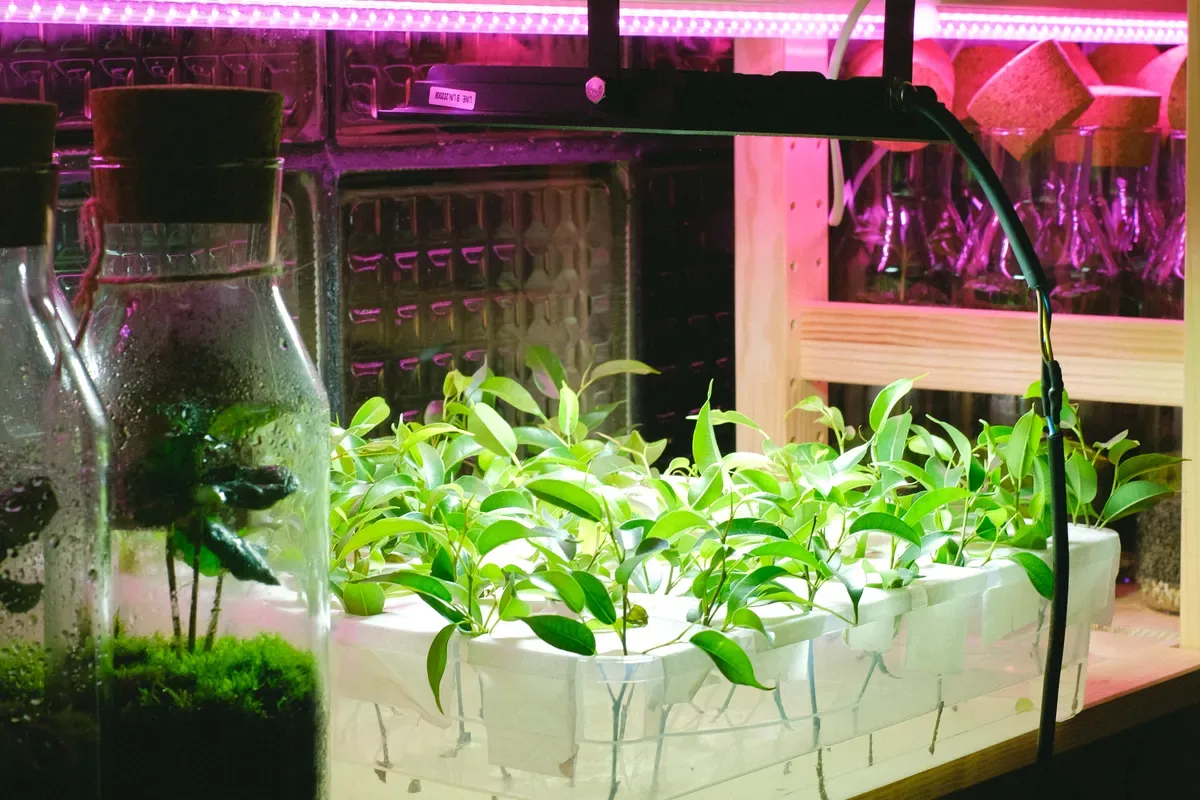
Supplies for Starting Pepper Seeds
Gather these supplies before sowing.
- Fresh pepper seeds, ideally packed for the current season
- Sterile seed starting mix, never garden soil
- Cell trays or small pots with drainage holes
- A clear humidity dome or plastic wrap
- A seedling heat mat with a thermostat
- LED grow lights or fluorescent shop lights
- A small fan for air circulation
- Plant labels and a waterproof marker
A thermostat-controlled heat mat is the most useful tool here, because pepper seeds sprout slowly and unevenly in cool rooms. Don’t skip it.
Steps to Start Seeds Indoors
These steps show how to grow bell peppers from seeds indoors.
- Moisten the seed starting mix until it feels like a wrung-out sponge.
- Fill cell trays and press the mix down lightly.
- Sow 2 seeds per cell, 1/4 inch (6 mm) deep, and cover them with mix.
- Label each tray with the variety and sowing date.
- Cover trays with a humidity dome and set them on a heat mat at 80°F to 85°F (27°C to 29°C).
- Check trays daily, and remove the dome once most seeds sprout.
- Place grow lights 2 to 4 inches (5 to 10 cm) above the seedlings and run them 14 to 16 hours a day.
- Thin to one seedling per cell by snipping the weaker sprout at soil level.
Use scissors, not fingers. Snipping protects the roots of the seedling you keep, while pulling the weaker sprout can tear the roots of its neighbor in a crowded cell.
Caring for Pepper Seedlings
Pepper seedlings grow best at 70°F to 75°F (21°C to 24°C) during the day and 60°F to 65°F (16°C to 18°C) at night. Unplug the heat mat once seeds germinate. Otherwise the roots overheat.
Water from the bottom when the top 1/2 inch (13 mm) of mix feels dry. Soggy mix is risky. Constantly wet mix invites damping off, which is a fungal disease that topples young seedlings at the soil line and kills them.
Once the first true leaves appear, start feeding with a liquid fertilizer mixed at half strength. Then pot up. Seedlings with 2 to 3 sets of true leaves are ready to move into 3- to 4-inch (8- to 10-cm) pots, where their roots have room to spread.
A fan helps. Set it on low for a few hours each day, and the gentle air movement will strengthen stems while cutting down on disease.
Raise the lights as seedlings grow, but keep them close enough that stems stay short and sturdy instead of stretching toward a distant bulb. Watch for legginess. Tall, pale seedlings mean the light sits too far away.
When Should You Plant Bell Peppers Outside?
Plant bell peppers outside about 2 to 3 weeks after your last frost date, once soil 4 inches (10 cm) deep reaches 65°F (18°C) and nighttime air stays above 55°F (13°C). Don’t rush the date. Planting into cold soil stunts pepper seedlings, and stunted plants often take weeks to recover.
Take readings in the morning. Soil is coolest then, so a soil thermometer gives the most cautious number of the day. Raised beds and black plastic mulch both warm soil faster, letting gardeners in colder zones plant a little earlier than an open, bare bed allows.
Frost kills pepper plants. Keep frost cloth or old bedsheets on hand in case a late cold snap appears in the forecast after planting.
Hardening Off Pepper Seedlings
Hardening off is the gradual process of moving indoor seedlings into outdoor conditions so they can adjust to real sun, wind and outdoor temperatures. Skip it, and expect transplant shock. Sunburned leaves and stalled growth often follow.
- Start 7 to 10 days before your planned transplant date.
- Place seedlings in a shaded, sheltered spot outdoors for 1 to 2 hours on day one.
- Add 1 to 2 hours of outdoor time each day.
- Introduce morning sun on day three or four, then afternoon sun by day six or seven.
- Bring plants indoors any night that drops below 50°F (10°C).
- Leave seedlings out overnight for the final 1 to 2 nights before planting.
Small pots dry fast outside. Sun and wind pull moisture out quickly, so water hardening seedlings more often than you watered them indoors.
How Far Apart Should Bell Peppers Be Planted?
Plant bell peppers 18 to 24 inches (46 to 61 cm) apart within rows, with rows spaced 24 to 36 inches (61 to 91 cm) apart. This bell pepper spacing gives each plant enough airflow to limit disease. Neighboring leaves also shade developing fruit from sunscald.
This table compares bell pepper spacing by growing method.
| Growing Method | Plant Spacing (in / cm) | Row Spacing (in / cm) |
|---|---|---|
| Garden rows | 18-24 / 46-61 | 24-36 / 61-91 |
| Raised bed grid | 12-18 / 30-46 | N/A |
| Container | 1 plant per 5-gallon pot | N/A |
Compact varieties tolerate the tighter end of each range, which makes them a good fit for raised beds and other small growing spaces. Large, sprawling varieties need the wider spacing.
Steps for Planting Green Peppers in the Garden
Timing helps. Planting green peppers on a cloudy day or in late afternoon reduces transplant stress, since seedlings settle in without facing hours of harsh sun right away.
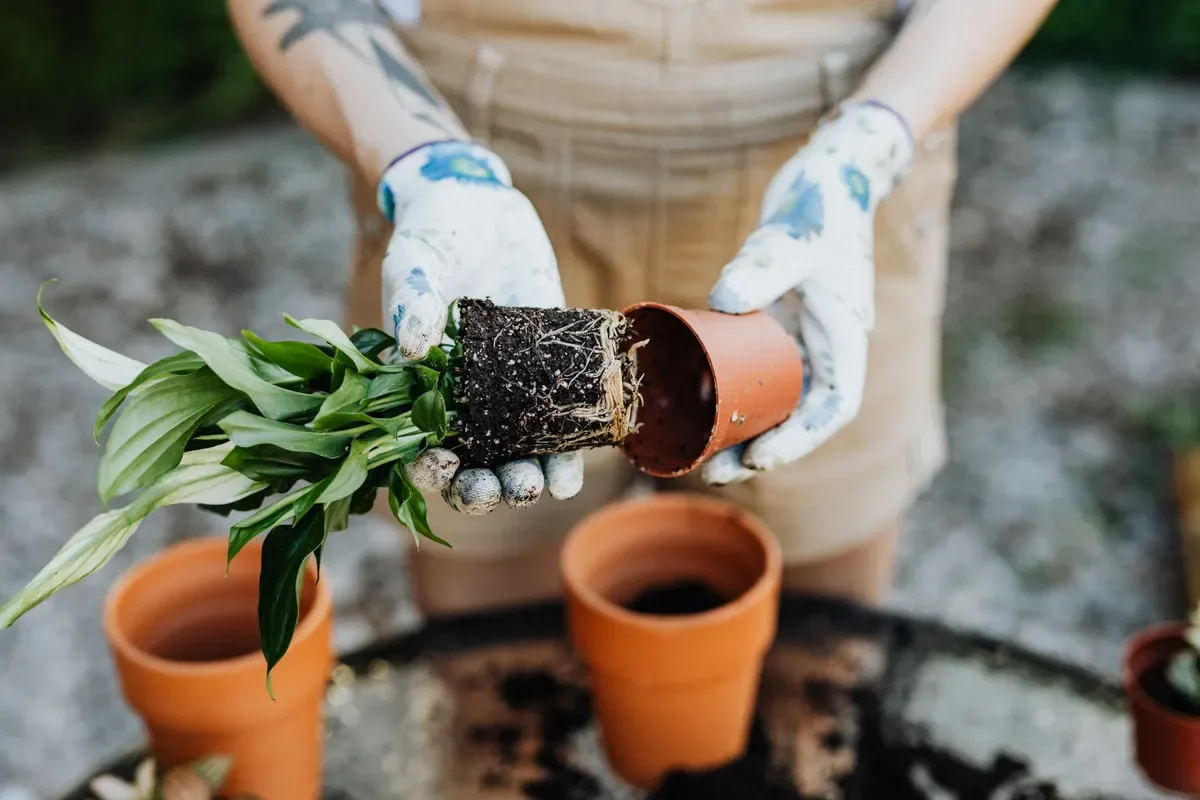
- Water seedlings thoroughly an hour before planting.
- Dig a hole slightly wider than the root ball and the same depth as the pot.
- Mix a handful of compost into the bottom of the hole.
- Set the plant at the same soil level it grew at in the pot.
- Firm the soil gently around the roots.
- Water slowly until the soil is soaked 6 inches (15 cm) deep.
- Insert a stake or small cage now, before the roots spread.
Don’t bury the stem deeper. Pepper stems don’t root as readily as tomato stems, so peppers belong at the same depth they grew in the pot.
Can You Grow Bell Peppers in Pots?
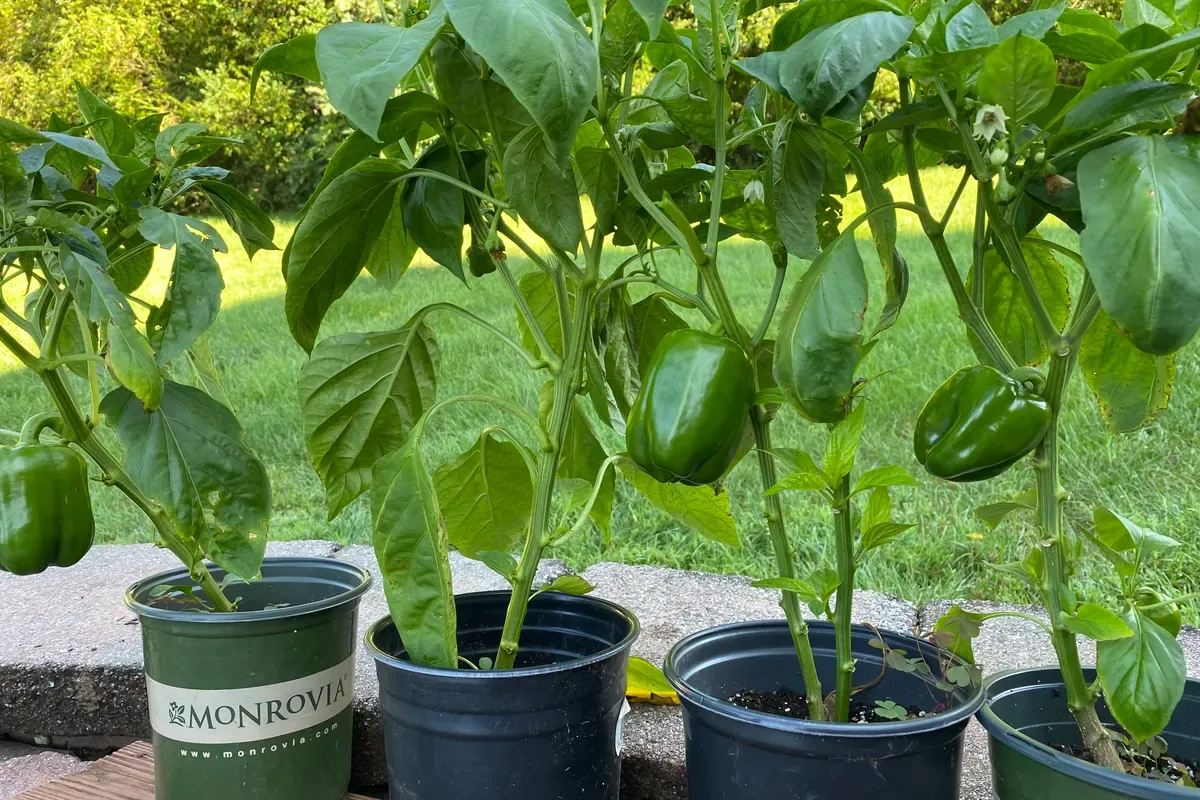
Yes, bell peppers grow well in pots, as long as each plant gets a container of at least 5 gallons (19 liters), full sun and daily moisture checks. Patios and balconies work fine. Containers also suit renters, and dark pots warm the root zone faster than garden soil does in spring.
Growing bell peppers in containers lets you move plants under cover on a cold night or into afternoon shade during a heat wave. That mobility pays off.
Fill pots with a quality potting mix, never garden soil. Garden soil compacts inside a container and drains poorly, so roots end up sitting in soggy, airless mix after every watering. Check for drainage holes, too.
Best Container Size for Peppers
This table compares common container sizes for bell peppers.
| Container | Capacity (Gal / L) | Plants per Pot | Best Use |
|---|---|---|---|
| Small pot | 3 / 11 | 1 compact plant | Small varieties, dries out fast |
| Bucket or pot | 5 / 19 | 1 plant | Standard bell varieties |
| Grow bag | 7 / 26 | 1 plant | Large plants, hot climates |
| Large pot | 10 / 38 | 1-2 plants | Fewer waterings, room for two |
Container peppers need water more often than garden plants, sometimes daily in July and August. That costs nutrients. Frequent watering flushes them out of potting mix, so feed container plants every 2 to 3 weeks with a balanced liquid fertilizer.
How to Grow Bell Peppers Through the Season
Growing bell peppers through summer depends on four habits: deep and consistent watering, light feeding, mulch to hold moisture, and support for fruit-heavy branches. Consistency matters most. Plants that get steady care from transplant to harvest set more fruit and suffer fewer problems such as blossom end rot and sunscald.
How Often Should You Water Bell Pepper Plants?
Water bell pepper plants deeply once or twice a week, giving them about 1 to 2 inches (2.5 to 5 cm) of water weekly, including rain. Adjust for conditions. Hot, dry spells and sandy soil both call for more frequent watering.
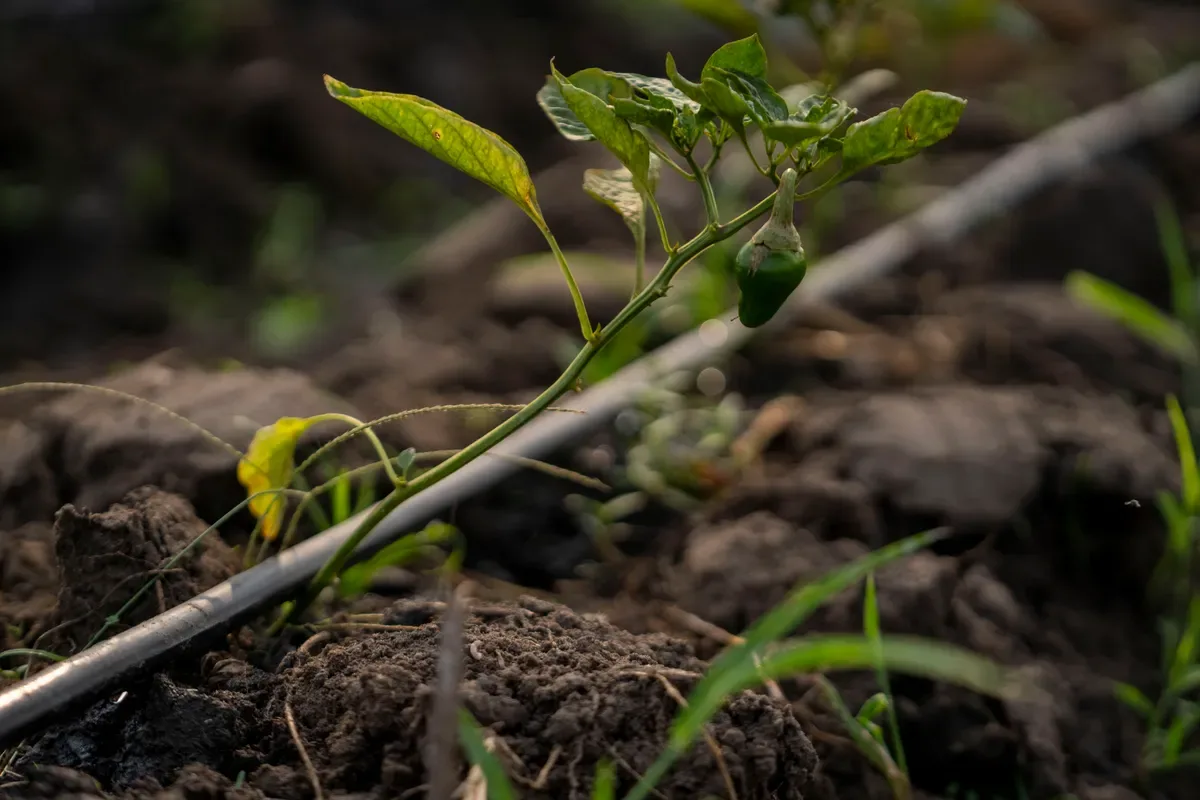
Push a finger 2 inches (5 cm) into the soil, and water only when the soil at that depth feels dry to the touch. It’s the simplest test.
Drip irrigation and soaker hoses deliver water to the roots and keep leaves dry, which lowers the risk of leaf diseases. A rain gauge helps, too. It shows how much water rain has already supplied.
Fertilizing Pepper Plants
Bell peppers need moderate fertility. Too much nitrogen backfires and produces large, leafy plants that carry few fruits, which is why a soil test should guide your fertilizer choice whenever possible.
- Mix a balanced fertilizer or compost into the bed before planting, following label rates.
- Side-dress with a small amount of fertilizer when the first fruits reach marble size.
- Repeat side-dressing every 3 to 4 weeks through the main harvest.
- Water after each feeding to move nutrients into the root zone.
Read the leaves. Pale, yellowing lower leaves often point to low nitrogen, while dark green, bushy plants with few flowers tend to signal an excess.
Mulching, Staking and Pruning
Spread 2 to 3 inches (5 to 8 cm) of mulch around plants once soil reaches 65°F (18°C), using straw, shredded leaves or untreated grass clippings. Once in place, mulch holds moisture and keeps soil temperature even. It smothers weeds, too. Applied too early, though, it keeps cool spring soil cold.
Stake each plant or set a small tomato cage around it, because a plant loaded with fruit can snap at the main fork. Wind and heavy rain raise the risk.
Pruning bell peppers is optional. On a small transplant, pinching off the first few flowers redirects energy into roots and leaves. Leaves that touch the soil can go, since clearing them reduces disease splash. Avoid heavy leaf removal, though, because the remaining foliage shades developing fruit and protects it from sunscald.
Common Bell Pepper Problems and Fixes
Most bell pepper problems trace back to uneven watering, temperature extremes or pests, and each problem has a clear fix. Blossom end rot, flower drop, sunscald and slow color change are common examples. Prevention works. Steady watering and sensible feeding stop most of these problems before fruit is lost, especially when paired with regular plant checks.
This table compares common bell pepper symptoms with their likely causes and fixes.
| Symptom | Likely Cause | Fix |
|---|---|---|
| Dark, sunken spot on fruit bottom | Blossom end rot from uneven watering | Water evenly and mulch |
| Flowers drop without fruit | Heat or cold at bloom time | Add shade; wait for milder weather |
| Pale, papery patch on fruit | Sunscald | Keep leaf cover; use shade cloth |
| Healthy plant, no fruit | Excess nitrogen or poor pollination | Cut nitrogen; shake flowering branches |
| Curled, sticky leaves | Aphids | Spray water or insecticidal soap |
| Yellow lower leaves | Low nitrogen or overwatering | Side-dress; improve drainage |
| Peppers stay green | Cool nights or short season | Wait longer, or pick green |
| Large holes in leaves | Hornworms or other caterpillars | Handpick; apply Bacillus thuringiensis (Bt) |
What Causes Blossom End Rot on Peppers?
Blossom end rot is caused by a calcium shortage in developing fruit, usually triggered by uneven watering rather than a lack of calcium in the soil. When soil swings from wet to dry, the plant can’t move calcium into the fruit fast enough. Moisture is the real issue.
Adding calcium rarely fixes blossom end rot unless a soil test shows a true deficiency. Even moisture does. Consistent watering under a layer of mulch prevents the problem far more reliably, as long as you also hold back on excess nitrogen.
Pick off affected fruit. Damaged peppers don’t recover, but later fruit usually develops normally once watering evens out and the plant can move calcium again.
Why Are My Bell Pepper Flowers Falling Off?
Bell pepper flowers fall off mainly because of temperature stress. Flowers drop when daytime highs pass 90°F (32°C), or when nights fall below 60°F (16°C) or stay above 75°F (24°C). Other triggers exist. Drought stress and too much nitrogen can cause flower drop, and so can poor pollination.
Heat-related flower drop is temporary. Plants resume fruit set when temperatures moderate, which in many southern states means a second crop arrives in fall.
Keep plants evenly watered during every heat wave, and drape 30 percent shade cloth over them in the very hottest regions of the US. Pollination needs little help. Peppers self-pollinate, though gently shaking the flowering branches each morning helps release pollen.
Pests and Diseases to Watch
Aphids are the most common pepper pest. They cluster on new growth and leaf undersides, and a strong spray of water or insecticidal soap controls most infestations.
- Aphids: Spray with water or insecticidal soap, and encourage lady beetles.
- Tomato hornworms: Handpick the large green caterpillars from leaves and fruit.
- Flea beetles: Cover young transplants with floating row cover.
- Cutworms: Wrap the stems of new transplants with a cardboard collar.
- Bacterial leaf spot: Use disease-free seed, avoid overhead watering and rotate crops.
- Phytophthora blight: Improve drainage and avoid beds where the disease appeared before.
- Mosaic viruses: Remove infected plants and control aphids, which spread several viruses.
Not sure what you’re seeing? Your state’s Cooperative Extension office can identify pests and diseases from photos or samples, then recommend treatments approved for use in your state.
How to Harvest Bell Peppers
Harvest bell peppers when the fruit is full size, firm and glossy, either at the green stage or after it reaches its mature color. Cut fruit with clean pruners or scissors, leaving a short stem attached. Don’t pull. Yanking peppers off by hand can snap brittle branches and damage the plant.
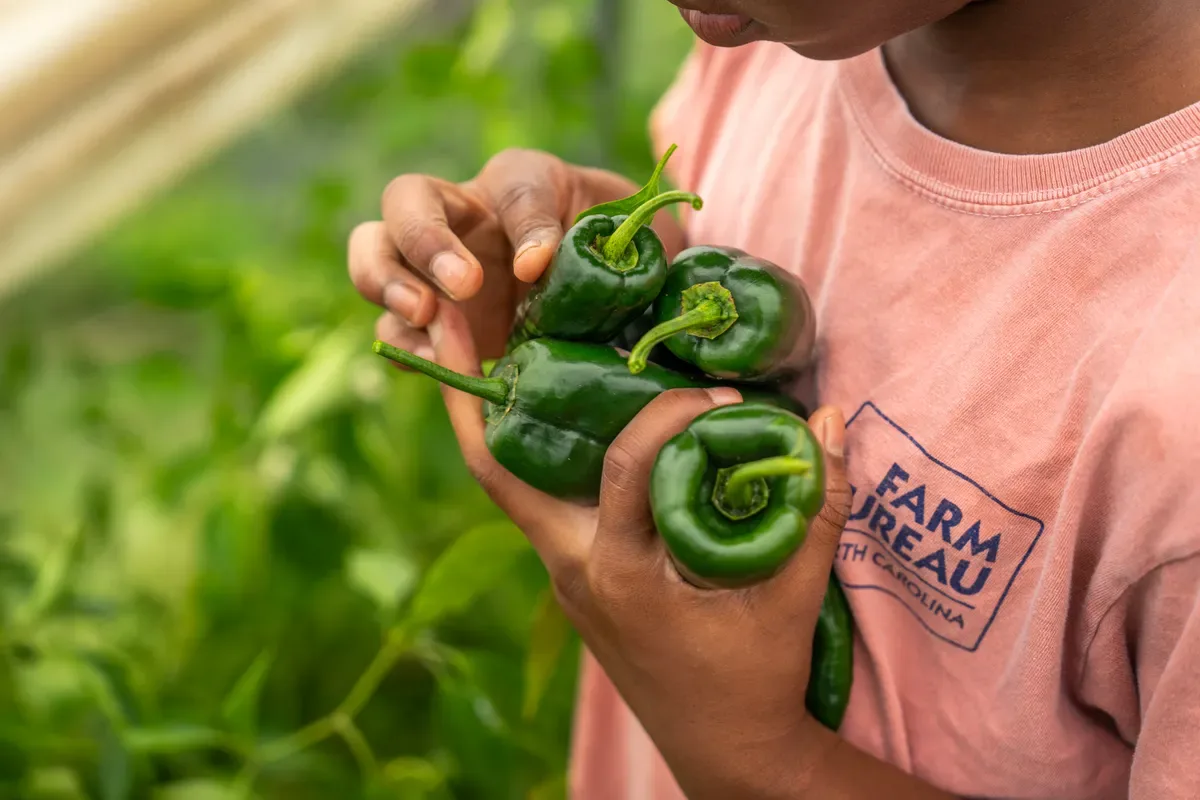
Frequent picking encourages more fruit. Leaving every pepper to ripen to red slows new fruit set, so many gardeners pick some fruit green and leave some to color.
Are Green and Red Peppers the Same Plant?
Yes, green and red bell peppers usually come from the same plant, because a green bell pepper is an unripe red one. Variety decides the final color. Most turn red when fully ripe, while others ripen to yellow, orange or purple.
Red bell peppers contain more vitamin C and vitamin A than green bell peppers. Price runs the other way. Green peppers usually cost less at the grocery store because they reach harvest weeks sooner and spend less time on the plant.
Picking and Storing Peppers
These steps keep harvested bell peppers fresh.
- Pick in the cool morning, when fruit is crisp.
- Cut the stem about 1/2 inch (13 mm) above the fruit.
- Handle fruit gently to avoid bruises.
- Store unwashed peppers in the refrigerator crisper drawer.
- Use refrigerated peppers within about 1 to 2 weeks.
- Freeze extra peppers by slicing them, spreading them on a tray, and bagging them once frozen.
Before the first fall frost arrives, pick every remaining pepper on the plant, green or colored, and bring the whole harvest indoors. A single frost damages exposed fruit overnight.
Frequently Asked Questions
Why Are My Pepper Seeds Not Germinating?
Cold soil is the usual cause. Pepper seeds sprout slowly below 70°F (21°C), so set a heat mat near 80°F (27°C) and keep the mix evenly moist until sprouts appear. Seed older than 2 to 3 years should be replaced.
Can You Plant Two Peppers in One Hole?
Yes. Paired plants shade each other’s fruit and brace each other’s stems. Space each pair 18 to 24 inches (46 to 61 cm) apart, and work extra compost into the hole, since both plants share one root zone.
Should You Water Peppers in the Morning or Evening?
Morning watering works best. Leaves dry quickly in the sun, which limits fungal disease, and the plants head into hot afternoons fully hydrated and ready for the heat. Evening watering is acceptable if it stays at soil level.
Are Red Peppers Sweeter Than Green Peppers?
Yes. Red bell peppers have finished ripening, so their sugars have developed and grassy notes have faded. Green bell peppers come off the vine before ripening finishes, which gives them a sharper, more vegetal flavor than red ones.
Can Peppers Get Too Much Afternoon Sun?
Yes, in hot regions such as Arizona and Texas. Inland California counts too. Intense afternoon sun there scorches exposed fruit and stresses the plants, so drape 30 percent shade cloth over them during heat waves.
Conclusion
Your first harvest makes the second season easier. This year, record your sowing date, transplant date, variety and first harvest date in one notebook, then use those notes next spring to match timing to your own garden’s frost pattern. Save seed from open-pollinated (non-hybrid) varieties. Next year’s pepper bed should sit away from this year’s tomatoes and eggplant, and it’s a good season to try one new pepper color. With a season of notes, how to grow bell peppers becomes a routine you can repeat.