Birthday Month Flowers
Every month of the year has a flower tied to it. Not a random assignment — these blooms connect to the season, carry centuries of meaning, and tell something true about the people born in that time of year.
Birthday month flowers work exactly like birthstones. Each one has a primary bloom and, in most months, a secondary option. The tradition goes back to ancient Rome, where people decorated the altars of gods with seasonal flowers on birthdays and gave blossoms as gifts. During the Victorian era, it became a full system — a language of flowers where every bloom carried a coded message.
Today, people use birth month flowers for 5 things: birthday bouquets, garden planting, jewelry designs, tattoos, and personalized gifts that mean more than a generic arrangement.
The History of Birthday Month Flowers
The tradition started with necessity before it became symbolism. Before global flower trade, the blooms available in any given month were simply the ones growing in that season. January gardens produced carnations and snowdrops. June gardens exploded with roses. Over time, people began attaching meaning to what they found blooming around birthdays.
Romans believed the flowers in bloom during your birth month carried protective qualities for your life. The Victorians turned this into floriography — an elaborate coded system where flowers replaced words in polite society. A bouquet could carry a declaration of love, a warning, or an insult depending on which blooms you included.
That tradition faded but never disappeared. Today, birth month flowers are having a genuine cultural revival, driven largely by the tattoo industry and personalized gifting. Birth flower tattoos have become one of the fastest-growing tattoo categories. People want meaning in what they grow and give.
What Are Primary and Secondary Birth Flowers?
Most months have 2 birth flowers. The primary flower is the traditional choice — older, more widely recognized, and more deeply tied to the month’s symbolism. The secondary flower
emerged as the tradition spread across different cultures and regions, where bloom availability varied. Two options keep the tradition flexible without losing the personal connection.
All 12 Birthday Month Flowers
January — Carnation & Snowdrop
Carnation (Dianthus caryophyllus) is January’s primary birth flower. It represents admiration, love, distinction, and fascination. Each color carries its own meaning: red carnations symbolize deep love, pink express gratitude, white represent pure love and good luck, and yellow signal disappointment. Carnations have one of the oldest cultivation histories of any flower — Greek literature mentioned them over 2,000 years ago.
One legend says carnations grew from the tears of the Virgin Mary as she watched Jesus carry the cross. In the Netherlands, they remain a symbol of World War II veterans. January-born people are traditionally described as ambitious, determined, and loyal — traits reflected in the carnation’s long-lasting quality as a cut flower.
Snowdrop (Galanthus) is January’s secondary flower. These small bell-shaped white blooms push through frozen soil before any other flower — sometimes through actual snow — making them one of the earliest signs of spring. They represent hope, resilience, and new beginnings.
Growing January Birth Flowers
- Carnations grow well in USDA zones 5–9. Full sun (6+ hours), well-drained slightly alkaline soil (pH 6.7–6.9). Deadhead spent blooms to extend flowering.
- Snowdrops grow from bulbs planted in fall (September–November) in zones 3–7. Partial shade, consistently moist humus-rich soil. Plant 3 inches deep, 3 inches apart.
February — Violet & Primrose
Violet (Viola odorata) is February’s primary birth flower. It symbolizes faithfulness, spiritual wisdom, modesty, and loyalty. Ancient Greeks dedicated the violet to Aphrodite. Shakespeare referenced it throughout his plays. The heart-shaped petals and rich purple tones make violets immediately recognizable.
Primrose (Primula vulgaris) is February’s secondary flower. Bright blooms in pale yellow, pink, red, blue, and white — symbols of youth, devotion, and new starts. Shakespeare reportedly favored them — they appear in A Midsummer Night’s Dream and The Winter’s Tale.
Growing February Birth Flowers
- Violets grow as perennials in zones 4–8. Partial shade, consistently moist fertile soil. Plant 12 inches apart. They naturalize readily as ground cover under trees.
- Primroses prefer cool temperatures. Zones 3–8 as perennials; hotter zones treat as cool-season annuals. Partial shade, rich well-drained soil.
March — Daffodil & Jonquil
Daffodil (Narcissus pseudonarcissus) is March’s primary birth flower. It signals rebirth, optimism, new beginnings, and unparalleled love. In Wales, daffodils are the national flower and traditionally worn on St. David’s Day (March 1). The bright yellow trumpet bloom is one of the most recognized harbingers of spring in temperate gardens worldwide.
Jonquil (Narcissus jonquilla) is March’s secondary flower. It looks similar to a daffodil but features white petals surrounding a yellow center. Jonquils carry meanings of desire, sympathy, and friendship.
Growing March Birth Flowers
- Daffodils grow from bulbs planted in fall in zones 3–8. Plant 6 inches deep, 6 inches apart. Full sun to partial shade. Deer-resistant and naturalizes readily.
- Leave foliage standing 6 weeks after flowering to allow the bulb to store energy for next season.
April — Daisy & Sweet Pea
Daisy (Bellis perennis) is April’s primary birth flower. It represents innocence, loyal love, purity, and new beginnings. An old Celtic legend says daisies sprang up wherever infant spirits touched the earth. The daisy family (Asteraceae) contains over 1,200 species including Shasta daisies, Gerbera daisies, and African daisies.
Sweet Pea (Lathyrus odoratus) is April’s secondary flower. These fragrant, ruffled climbers come in pink, purple, white, red, and bicolor combinations. They symbolize blissful pleasure, gratitude, and departure. Among the most fragrant garden flowers available.
Growing April Birth Flowers
- Daisies grow as perennials in zones 4–8 in full sun with well-drained soil. Direct-sow seeds in spring or fall. Divide clumps every 2–3 years.
- Sweet peas are cool-season annuals. Sow directly in late winter (zones 7+) or early spring (zones 3–6). Need trellis support. Soak seeds 24 hours before planting.
May — Lily of the Valley & Hawthorn
Lily of the Valley (Convallaria majalis) is May’s primary birth flower. Small, bell-shaped white blooms with one of the most recognized fragrances in perfumery. It symbolizes sweetness, humility, happiness, and a return to joy. Carried in Kate Middleton’s wedding bouquet in 2011. All parts are toxic if ingested.
Hawthorn (Crataegus) is May’s secondary flower. Spiny shrubs producing clusters of white, pink, or red flowers. Symbolizes hope, love, and supreme happiness. Historically called ‘Mary’s Flower of May.’
Growing May Birth Flowers
- Lily of the Valley grows as ground cover in zones 2–9. Partial to full shade, moist humus-rich soil. Plant rhizomes 1 inch deep, 6 inches apart in fall. Spreads aggressively once established.
- Hawthorn grows in zones 4–7 as deciduous shrub or small tree. Tolerates wide range of soils. Works as formal hedge.
June — Rose & Honeysuckle
Rose (Rosa) is June’s primary birth flower and one of the most symbolically loaded plants in human history. It represents love, passion, beauty, and secrecy. Each color carries distinct meaning: red for romantic love, white for purity, yellow for friendship, pink for admiration, orange for enthusiasm, lavender for enchantment. Roses have been cultivated for at least 5,000 years.
Honeysuckle (Lonicera) is June’s secondary flower. Twining vines with tubular flowers carrying the meaning of bonds of love, devotion, and sweet affection. The fragrance intensifies in the evening to attract moths and hummingbirds.
Growing June Birth Flowers
- Roses grow across zones 3–9 depending on variety. 6+ hours direct sun, well-drained fertile soil. Feed every 4–6 weeks during the growing season.
- Honeysuckle vines grow in zones 4–9, full sun to partial shade. Prune right after flowering to maintain shape without losing next year’s buds.
July — Larkspur & Water Lily
Larkspur (Delphinium consolida) is July’s primary birth flower. Tall spikes of blue, purple, pink, and white blooms. Symbolizes levity, strong bonds of love, and a beautiful spirit. In the language of flowers, pink larkspur signals fickleness, while purple represents first love. All parts toxic if ingested.
Water Lily (Nymphaea) is July’s secondary flower. These floating flowers represent purity, enlightenment, and rebirth — symbolism shared across Eastern and Western traditions.
Growing July Birth Flowers
- Larkspur: direct-sow seeds in fall (zones 7+) or early spring (zones 3–6). Full sun, well-drained soil, cool temperatures to establish. Thin to 12–18 inches apart. Stake tall varieties (4–6 ft).
- Water lilies grow in outdoor ponds in zones 4–11. Plant in submerged containers of heavy loam soil. 6+ hours direct sun for best flowering.
August — Gladiolus & Poppy
Gladiolus is August’s primary birth flower. The name derives from the Latin word for ‘little sword.’ It symbolizes strength of character, integrity, and sincerity. Gladiolus spikes carry 12–20 flowers each, opening progressively from bottom up and extending the display for weeks. Available in nearly every color except true blue.
Poppy (Papaver) is August’s secondary flower. Delicate tissue-paper blooms representing imagination, dreaminess, and remembrance. Red poppies are associated with Remembrance Day and World War I.
Growing August Birth Flowers
- Gladiolus: plant corms 4–6 inches deep, 6 inches apart after the last frost in zones 7–10. Stake at 12 inches. In zones below 7, lift corms after frost and store at 35–50°F (2–10°C) over winter.
- Poppies: direct-seed in early spring or fall. Full sun, well-drained soil. Oriental poppies are perennial in zones 3–8.
September — Aster & Morning Glory
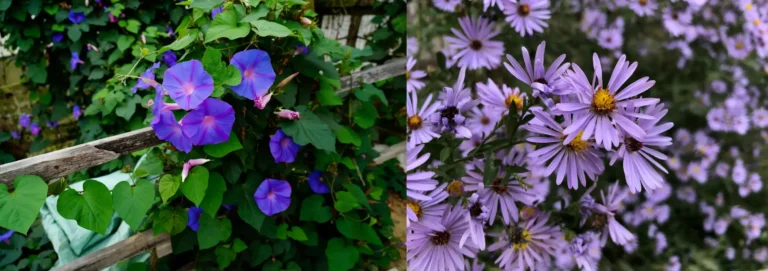
Aster is September’s primary birth flower. From the Greek word for ‘star.’ Represents patience, elegance, and daintiness. Blooms in late summer and fall when most other perennials have finished. Attracts large numbers of butterflies. Available in purple, pink, white, and blue.
Morning Glory (Ipomoea) is September’s secondary flower. Fast-growing annual vines with funnel-shaped blooms in vivid blue, purple, pink, and red each morning. Symbolize affection, mortality, and the promise of a fresh start.
Growing September Birth Flowers
- Asters grow as perennials in zones 4–8. Full sun to light shade. Divide every 2–3 years. Pinch growing tips in May for bushy plants.
- Morning glory: scarify seeds before sowing. Direct-sow after last frost in full sun. Need trellis support.
October — Marigold & Cosmos
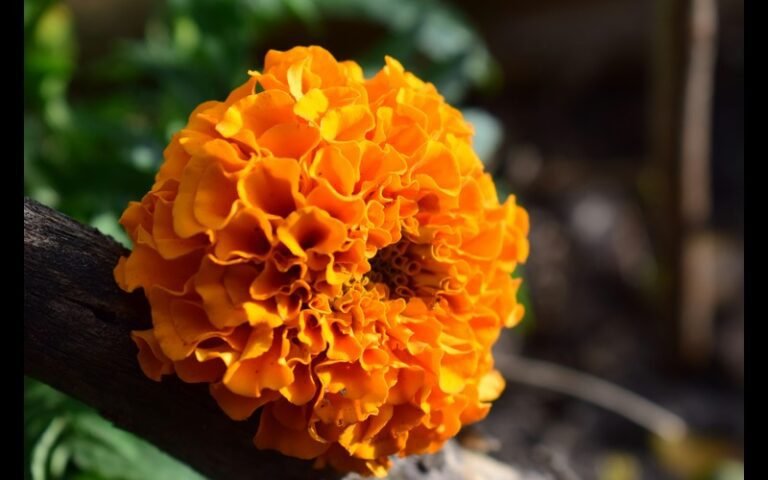
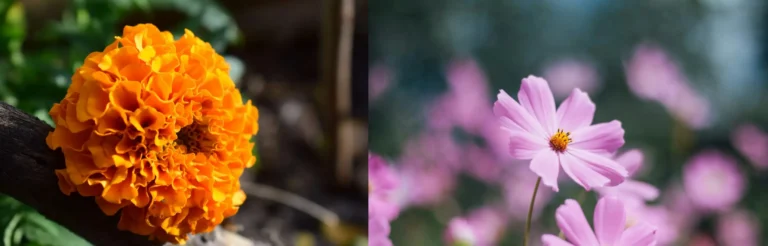
Marigold (Tagetes) is October’s primary birth flower. Native to the Americas with deep cultural significance in Aztec tradition, Mexican Día de los Muertos celebrations, and Indian Diwali ceremonies. Represents passion, creativity, and warmth. Pungent scent deters aphids and whiteflies — one of the most useful companion plants in vegetable gardens.
Cosmos (Cosmos bipinnatus) is October’s secondary flower. Airy, daisy-like blooms in pink, white, magenta, and burgundy. Symbolizes order, joy, and wholeness. Attracts butterflies prolifically.
Growing October Birth Flowers
- Marigolds: direct-sow after last frost in full sun. Deadhead regularly. French marigolds grow 8–12 inches; African marigolds grow 18–36 inches.
- Cosmos: prefer full sun, poor to average soil (rich soil = fewer flowers). Bloom 8–10 weeks from sowing. Self-seed prolifically.
November — Chrysanthemum
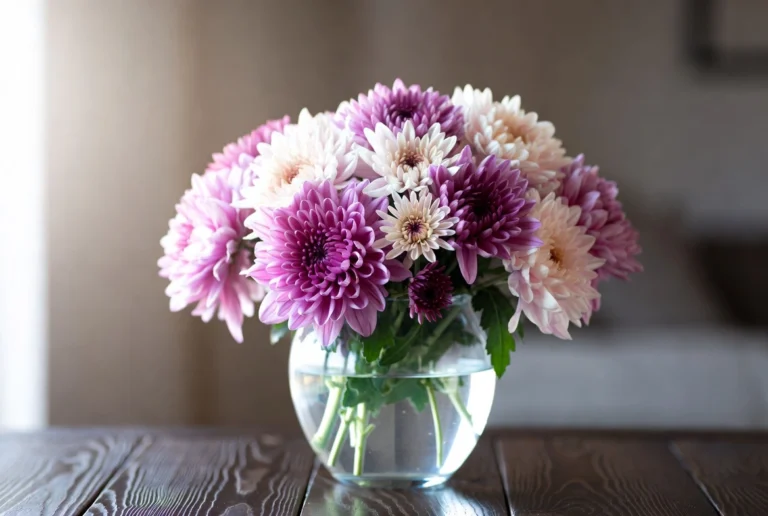
Chrysanthemum is November’s sole birth flower. The name combines the Greek words for ‘gold’ and ‘flower.’ Symbolizes truth, friendship, joy, and longevity. In Japan and China, chrysanthemums represent the imperial family and are associated with long life. Come in 13 recognized forms including button, pompon, spider, quill, and spoon. Colors span white, yellow, orange, red, pink, purple, and bicolors.
Growing November Birth Flowers
- Grow as perennials in zones 5–9. Full sun, well-drained soil. Pinch growing tips every 2–3 weeks until mid-July for bushy plants. Stop pinching by July 15 to allow flower buds to set.
December — Narcissus & Holly
Narcissus (paperwhite) is December’s primary birth flower. Fragrant white blooms representing vitality, faithfulness, inspiration, and hope. Paperwhite narcissus can be grown indoors as a forcing bulb — one of the few birth flowers that blooms reliably in its birth month even in cold climates.
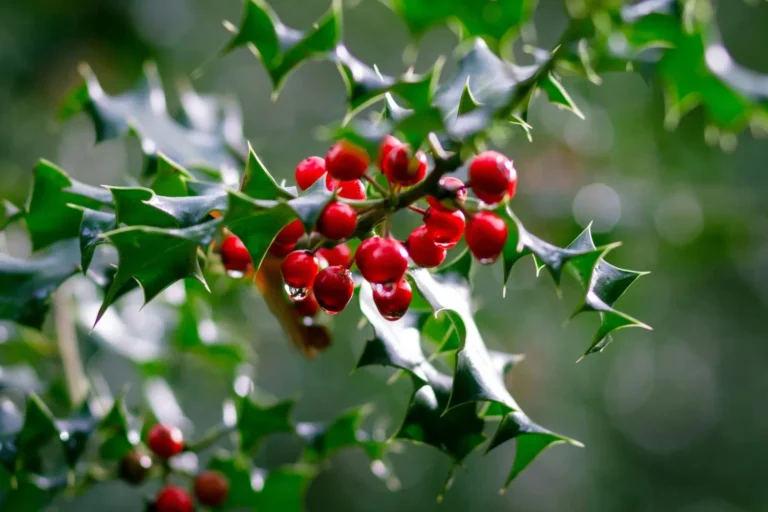
Holly (Ilex) is December’s secondary flower. Evergreen shrubs with glossy leaves and bright red berries symbolizing eternal life, peace, and goodwill.
Growing December Birth Flowers
- Paperwhite narcissus: force indoors without chilling. Shallow bowl with pebbles and water below bulb base. Blooms in 4–6 weeks. Outdoors: plant bulbs in fall in zones 8–11.
- Holly: zones 5–9. Most hollies are dioecious — 1 male plant needed for every 3–5 female plants to produce berries. Moist, acidic soil (pH 4.5–6.0).
Birth Month Flowers Quick Reference
Month | Primary Flower | Secondary Flower | Core Meaning |
|---|---|---|---|
January | Carnation | Snowdrop | Admiration, hope |
February | Violet | Primrose | Faithfulness, youth |
March | Daffodil | Jonquil | Rebirth, optimism |
April | Daisy | Sweet Pea | Innocence, gratitude |
May | Lily of the Valley | Hawthorn | Sweetness, happiness |
June | Rose | Honeysuckle | Love, devotion |
July | Larkspur | Water Lily | Levity, purity |
August | Gladiolus | Poppy | Strength, imagination |
September | Aster | Morning Glory | Patience, affection |
October | Marigold | Cosmos | Passion, joy |
November | Chrysanthemum | — | Truth, friendship |
December | Narcissus | Holly | Vitality, goodwill |
How to Use Birth Month Flowers
For gifts: A birth month flower bouquet is more personal than a generic arrangement. Pair the primary bloom with complementary foliage and a card explaining the symbolism.
For tattooing: Birth flower tattoos are among the fastest-growing tattoo categories. Each month’s bloom has a distinct silhouette that translates beautifully into line work and botanical illustration styles.
For garden design: Plant a ‘birth flower garden’ using your family’s months. A garden designed around birth flowers blooms sequentially through the growing season and carries personal meaning for every person who walks through it.
For jewelry: Birth flower necklaces, rings, and pressed flower designs in resin have grown into a significant gift market, especially for Mother’s Day and milestone birthdays.