
Dahlias That Bloom From July Through Hard Frost

Dahlia flowers produce more blooms per plant than almost any other garden flower — up to 50 flowers per tuber from a single planting. They bloom from mid-July through the first hard frost, delivering 14–18 weeks of continuous color. This guide covers every dahlia type, how to plant tubers correctly, when to lift them, and how to get maximum bloom output every season.

Dahlia Types
0 +
Bloom Weeks
0
USDA zones
0 +
Dahlia Flower

Dahlia Flower: The Showstopper That Keeps On Giving

Here’s the thing about the dahlia flower – once you grow one, you’ll want a hundred more. I started with twenty plants in my backyard. Now I’m looking at dedicating space for thousands. There’s something about these blooms that gets under your skin. Maybe it’s the endless variety, maybe it’s how they just keep flowering from midsummer until frost knocks them out. Whatever it is, dahlias have earned their reputation as the ultimate late-season star. What Is the Dahlia Flower (And Why Everyone Loves It) The dahlia flower is a tuberous plant in the Asteraceae family, native to Mexico, Central

Read Full Guild »

All Dahlia Flower guides

The 6 Main Dahlia Types

Every dahlia falls into one of these 6 categories. The type determines bloom form, stem length, and how the flower performs as a cut flower or garden display plant. The American Dahlia Society (ADS) recognizes 42 official classifications — these 6 cover the ones most relevant to home gardeners.

Dinner Plate Dahlias

Blooms reach 8–12 inches (20–30 cm) in diameter. Require staking at 18 inches (46 cm) before the plant reaches full height. Single focal point plants — one or two per garden bed.
Best examples:Café au Lait, Thomas Edison, Otto's Thrill

Ball Dahlias

Perfectly spherical blooms, 2–4 inches (5–10 cm) wide. Extremely long vase life — 7–12 days when cut correctly at bud stage. Top choice for cut flower gardens.
Best examples:Cornel, Voodoo, Andrew Lockwood

Pompon Dahlias

Miniature ball form, under 2 inches (5 cm) wide. Prolific bloomers — a single plant produces 30–50+ stems per season. Best value-per-plant for cut flower production.
Best examples:Rocco, Murillo, Franz Kafka

Cactus Dahlias

Pointed, quilled petals that curl backward. Bloom size ranges from 4–10 inches (10–25 cm). The most dramatic dahlia form — excellent for bold garden statements.
Best examples: Jomanda, Nuit d'Été, Ludwig Helfert

Decorative Dahlias

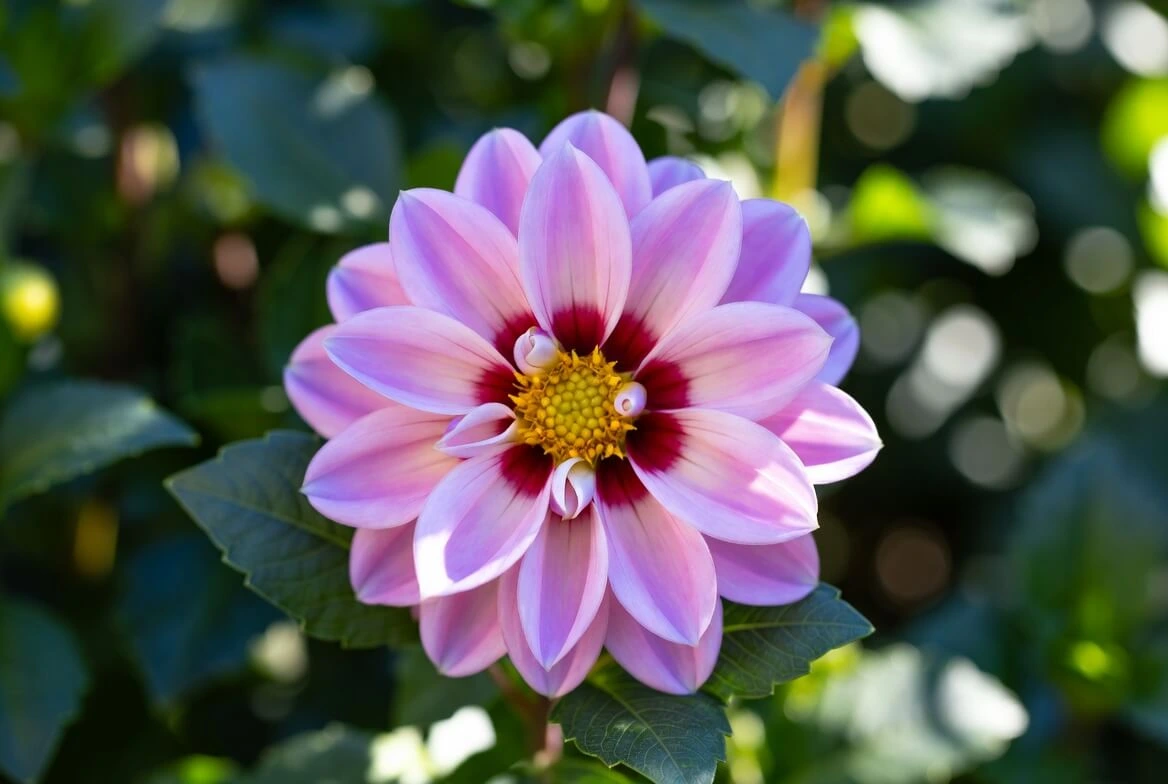
The largest category — fully double blooms with flat-tipped petals. Bloom sizes range from 2–12 inches (5–30 cm). Includes the most popular garden and exhibition varieties.
Best examples: Kelvin Floodlight, Mystery Day, Nuit d'Été

Single Dahlias

One ring of petals around a central open disc. The most pollinator-friendly dahlia form — bees and butterflies access the pollen directly. Best for wildlife gardens.
Best examples: Bishop of Llandaff, Harlequin, Topmix

Dahlia Selection: Match the Bloom to the Job

Define what the dahlia needs to do before buying tubers. Cut flower performance, garden display, and container growing each require different varieties.

Goal Best Type Best Variety Bloom Size Stem Length
Cut flowers (longest vase life) Ball / Pompon Cornel 3–4 in (7–10 cm) 18–24 in (46–61 cm)
Garden display (drama) Dinner Plate Café au Lait 8–10 in (20–25 cm) 24–36 in (61–91 cm)
Pollinators / wildlife Single Bishop of Llandaff 3–4 in (7–10 cm) 30–36 in (76–91 cm)
Container growing Dwarf Bedding Topmix series 2–3 in (5–7 cm) 12–18 in (30–46 cm)
Maximum stem count Pompon Franz Kafka 1.5–2 in (4–5 cm) 16–22 in (41–56 cm)
Dark foliage contrast Decorative Bishop of Oxford 4–6 in (10–15 cm) 28–36 in (71–91 cm)
Bold texture Cactus Jomanda 6–8 in (15–20 cm) 24–30 in (61–76 cm)

When to Plant Dahlia Tubers — Season by Season

Dahlias are frost-sensitive. Tubers planted in cold soil rot rather than sprout. Soil temperature, not calendar date, determines when to plant.

Spring

Plant after the last frost date when soil reaches 60°F (15°C) at 6-inch (15 cm) depth. Most US zones: May in zones 5–6, late April in zones 7–8. First blooms appear 8 weeks after planting.

Summer

Early June planting works in zones 4–6 if the growing season extends past October. Later summer planting produces fewer blooms before frost. Not recommended past June 15 in zone 5.

Fall

After the first hard frost blackens the foliage, cut stems to 4 inches (10 cm) and dig tubers carefully. Cure tubers for 24 hours in a dry location before storing for winter.

Winter

Store lifted tubers at 40–50°F (4–10°C) in breathable containers with slightly damp vermiculite or peat. Check monthly for rot or desiccation. Tubers left in the ground survive only in zones 8–10.

Keep Your Dahlias Blooming — 3 Principles Every Grower Needs

Most dahlia failures trace to 3 preventable mistakes: planting too early in cold soil, skipping the pinch, and letting blooms go to seed. Fix these and dahlias produce non-stop from July through frost.

Pinch once when the plant reaches 12 inches tall

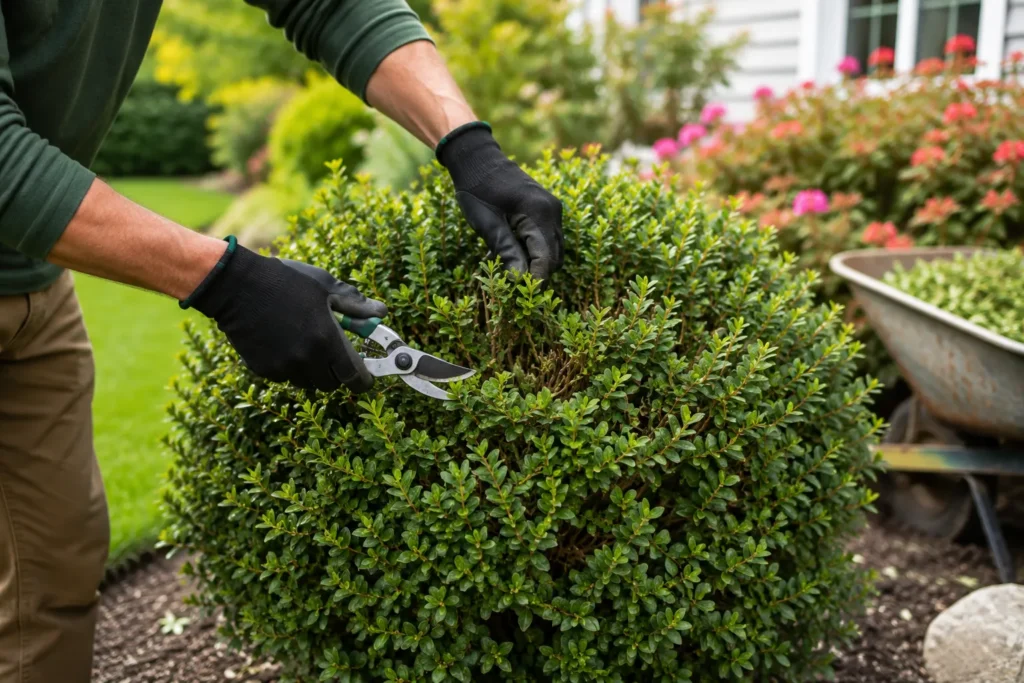
When the main stem reaches 12 inches (30 cm) and shows 3–4 sets of leaves, remove the growing tip just above the top set of leaves. This single cut forces the plant to produce 4–6 lateral stems instead of 1 main stem, which multiplies bloom output by 3–4x for the entire season. Most gardeners skip this step and wonder why their plants produce few flowers. Pinch every dahlia once. Do not pinch a second time — it delays blooms without benefit.

Remove spent blooms every 3–4 days

Dahlias stop producing new buds when they set seed. Removing spent flowers before seed forms keeps the plant in continuous bloom mode for the full season. Cut the stem back to the first set of leaves below the spent flower — this encourages the lateral buds at that node to activate. A plant that is deadheaded every 3–4 days produces 40–60% more blooms than one left unattended through the season.

Stake before the plant needs it, not after

Install stakes at planting time — before tubers emerge — to avoid damaging roots later. Use a 4–6 ft (1.2–1.8 m) wooden stake for dinner-plate varieties and tie the main stem loosely every 12 inches (30 cm) as it grows. Dahlias over 3 ft (0.9 m) tall will fall over in wind or heavy rain without support, snapping the hollow stems at the base. A broken main stem ends that branch's bloom production for the season.