
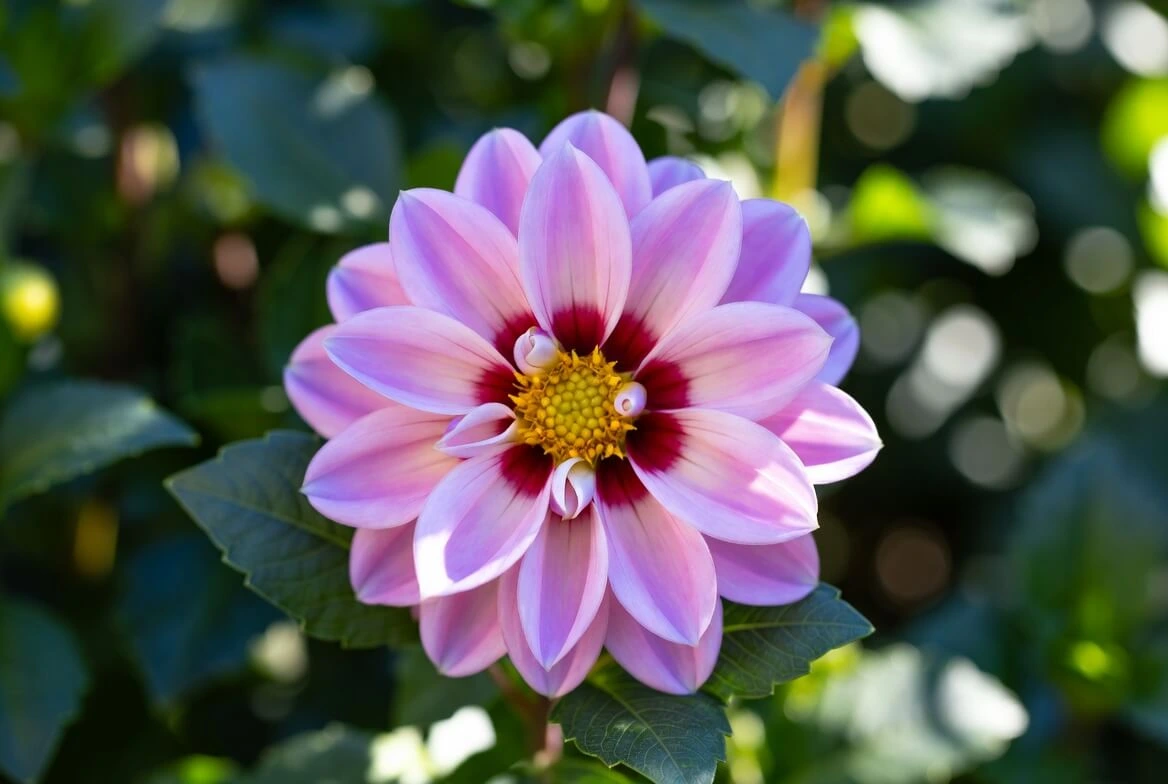
Here’s the thing about the dahlia flower – once you grow one, you’ll want a hundred more. I started with twenty plants in my backyard. Now I’m looking at dedicating space for thousands. There’s something about these blooms that gets under your skin. Maybe it’s the endless variety, maybe it’s how they just keep flowering from midsummer until frost knocks them out.
Whatever it is, dahlias have earned their reputation as the ultimate late-season star.
What Is the Dahlia Flower (And Why Everyone Loves It)
The dahlia flower is a tuberous plant in the Asteraceae family, native to Mexico, Central America, and South America. It was named after Anders Dahl, a Swedish botanist who died in 1789.
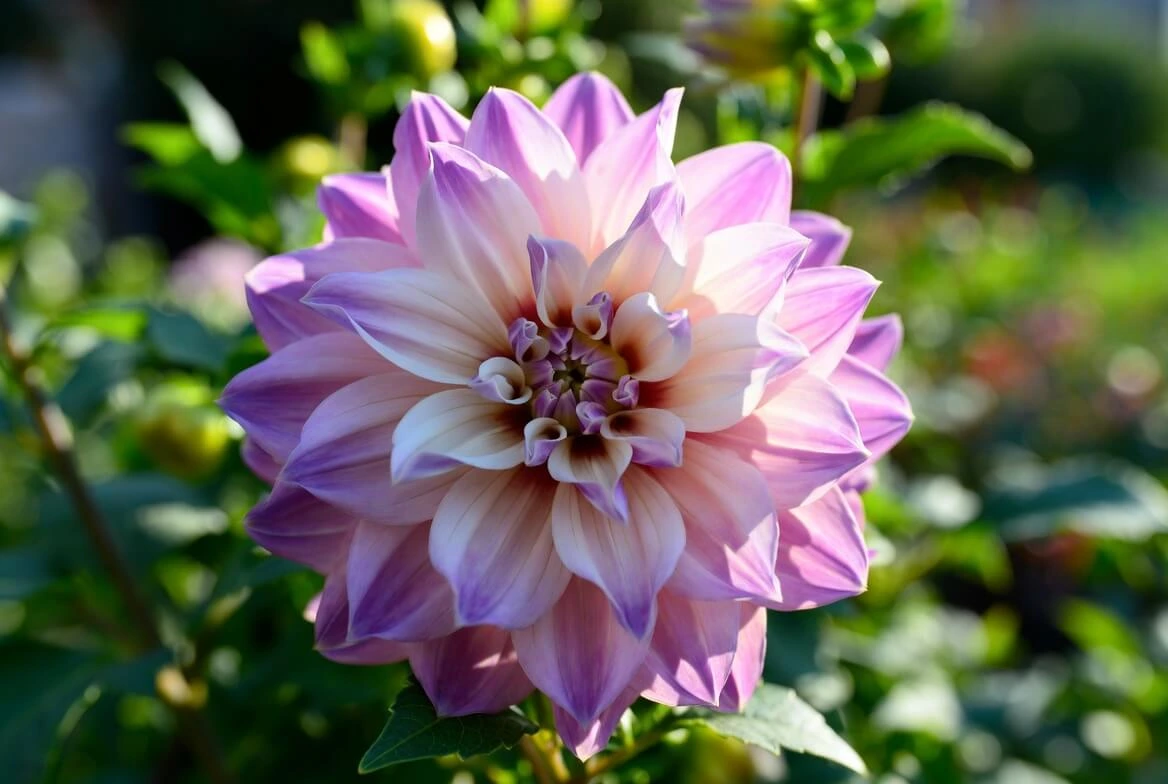
These flowers are ridiculous in the best way. You can get petite 2-inch pompoms or massive 15-inch dinner plates. Most varieties grow 4-5 feet tall, but there are dwarfs for containers and giants that need serious staking.
Color options include:
- White and cream
- Yellow and orange
- Pink (every shade imaginable)
- Red and dark red
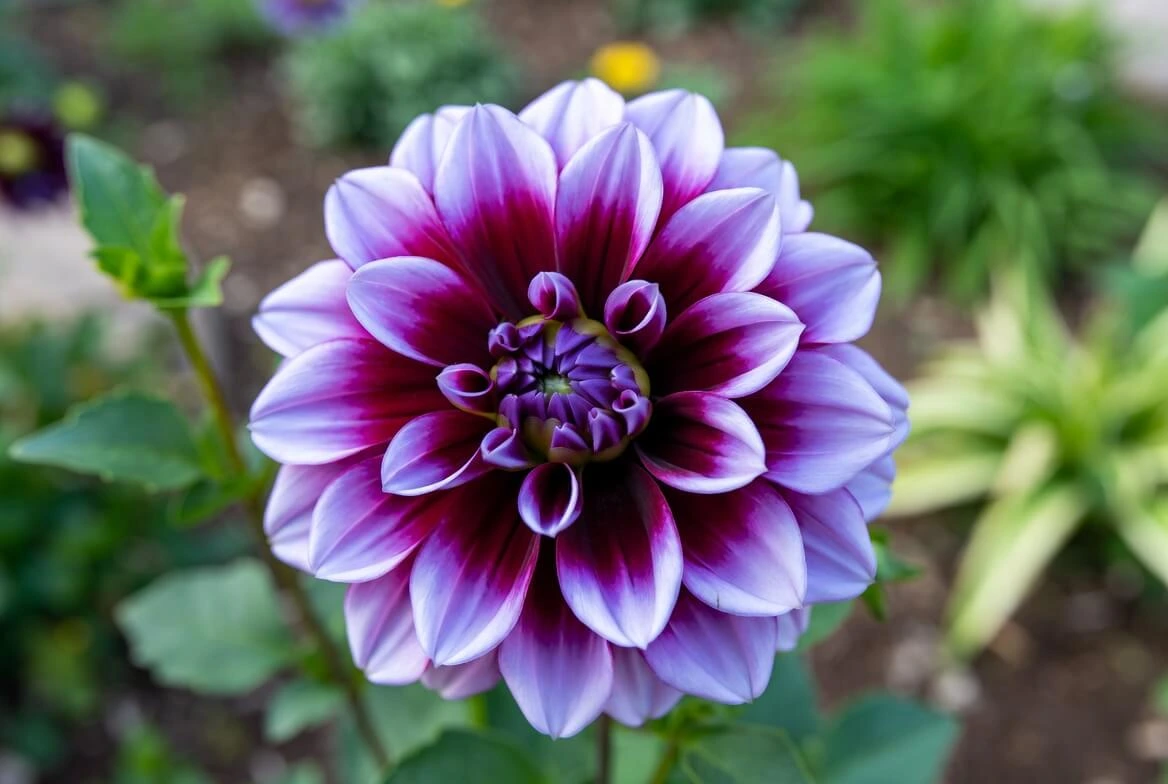
- Lavender and purple
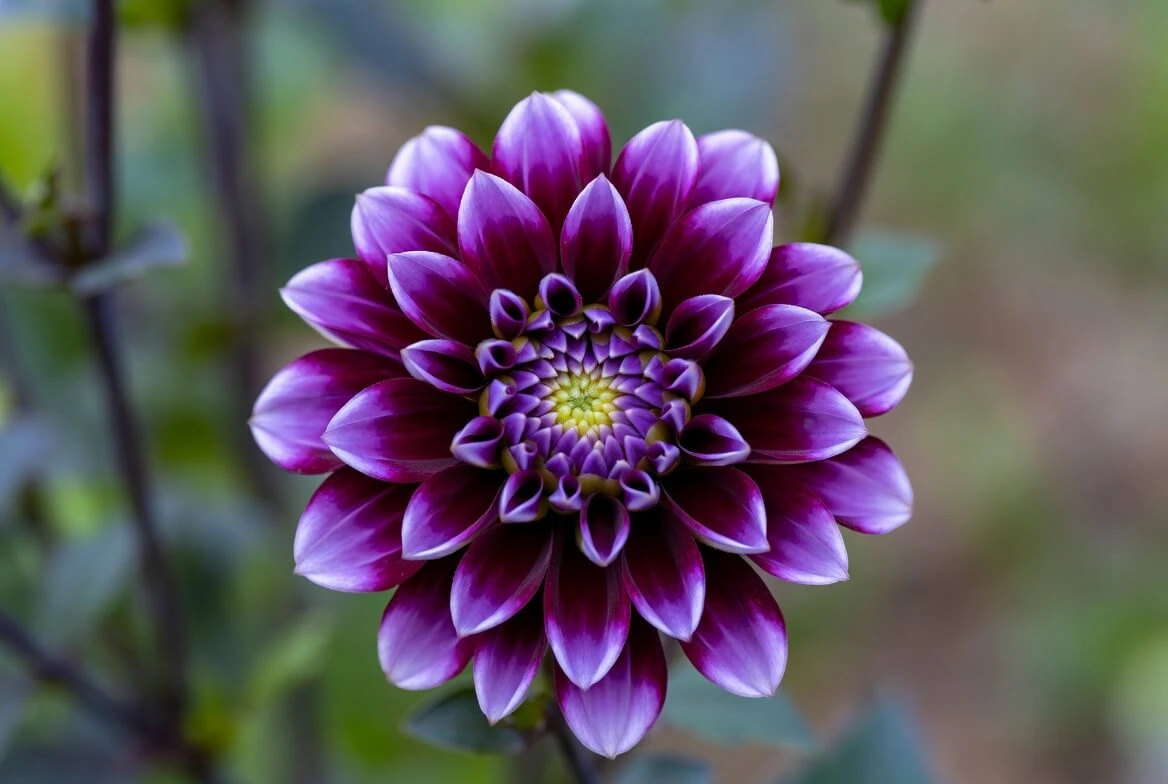
- Black-purple
- Bronze and flame
- Bicolor and variegated
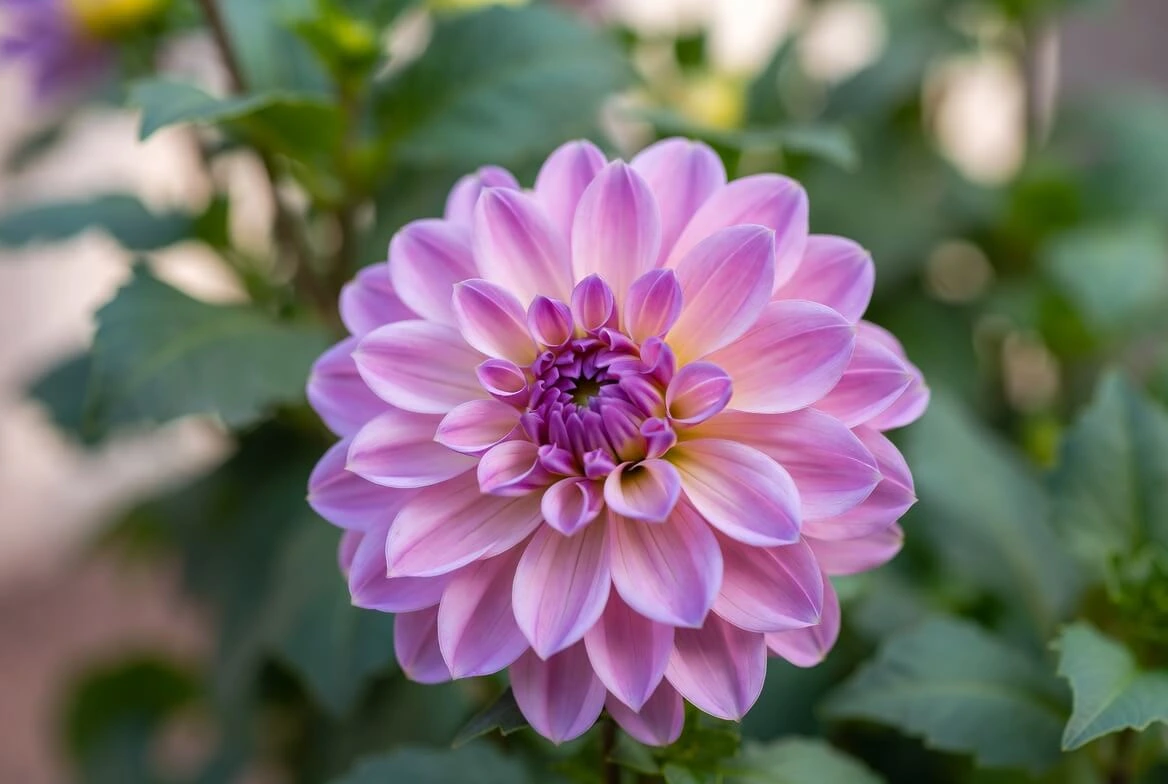
The American Dahlia Society recognizes 29 official flower forms including cactus, peony, anemone, waterlily, collarette, and ball types. There are roughly 60,000 named varieties out there. Picking a favorite is like going through a button box.
Dahlia Flower Meaning: What These Blooms Symbolize
The dahlia flower meaning carries some beautiful symbolism that makes these blooms even more special for gifts and occasions.
Traditional meanings include:
- Elegance and dignity: The intricate petal arrangements represent grace
- Inner strength: Dahlias thrive in challenging conditions
- Commitment and lasting bond: Perfect for anniversaries
- Creativity: The endless variety represents artistic expression
- Standing out: Being unique while staying grounded
Different colors carry specific meanings too. Red dahlias symbolize power and strength. White represents purity and focus. Pink conveys kindness and grace. Purple suggests royalty and dignity.
The dahlia is also Mexico’s national flower, which makes sense given that’s where Spanish explorers first discovered them growing wild on hillsides in the 16th century.
For wedding farmer-florists, the dahlia flower meaning of commitment and lasting bonds makes them incredibly popular for bridal bouquets and centerpieces.
When and How to Plant Dahlia Flowers
Timing matters more than most people realize. The golden rule: Wait until soil reaches 60°F. Dahlias are heat-loving plants that won’t tolerate cold soil. A good rule of thumb? Plant them a few days after you’d plant tomatoes.
Planting basics:
- Dig a 6-8 inch deep hole
- Mix in compost and bonemeal
- Lay tuber horizontally with eyes facing up
- Cover with 2-3 inches of soil
- Do NOT water immediately (encourages rot)
- Wait until sprouts appear, then water
For spacing, set large dahlias 1-3 feet apart. Medium varieties need 2 feet. Bedding dahlias can go 9-12 inches apart. Plant them about 1 foot apart for a flowering hedge where they’ll support each other.
One flower farm plants three rows in beds 3.5 feet wide with 15 inches between plants – fitting 240 plants per 100-foot row. That’s efficiency. Check out Zoned Garden’s complete planting guides by hardiness zone for specific timing in your area.
Growing Dahlia Flowers: What Actually Works
Let’s talk about what these plants need to thrive.
- Light: 6-8 hours direct sun, morning sunlight preferred. Protection from wind helps.
- Soil: Rich, well-draining, pH 6.0-7.5. If you have heavy clay, amend with aged manure, compost, or peat moss. Loosen to 12 inches deep.
- Water: Here’s where people mess up. Do NOT water tubers right after planting – that causes rot. Wait until sprouts appear. Once established, water 2-3 times weekly, more in hot dry climates.
- Fertilizer: Use low-nitrogen formula like 5-10-10 or 10-20-20. Fertilize every 3-4 weeks from midsummer to early autumn. Too much nitrogen means lots of leaves, few flowers.
- Staking: Essential for tall varieties. Install stakes at planting to avoid damaging tubers later. Use 5-6 foot garden stakes and tie stems every foot or so with soft twine.
Zoned Garden has detailed soil preparation guides if you’re starting from scratch.
Pinching and Pruning for Maximum Blooms
This feels counterintuitive, but trust the process.
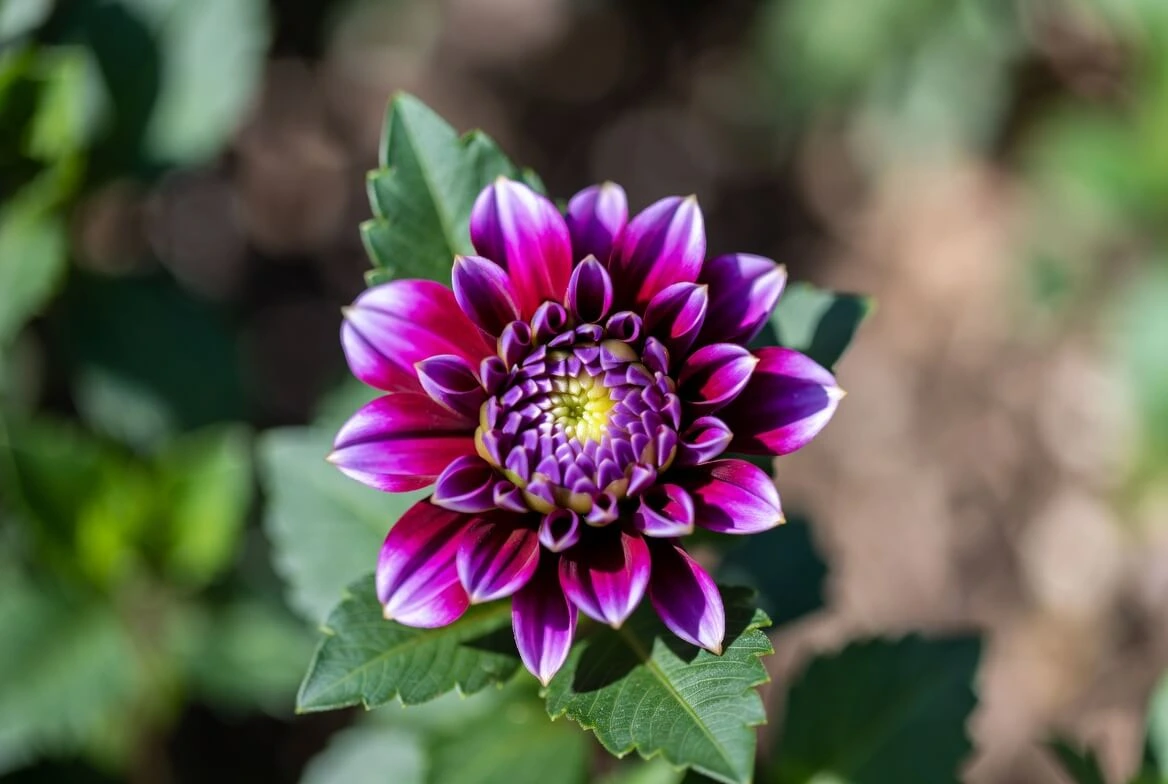
- When to pinch: Once plants reach 12 inches tall with 4-5 sets of true leaves.
- How to pinch: Remove the growing tip just above the highest set of mature leaves. This encourages branching, resulting in more flowers with longer, sturdier stems.
- Disbudding for size: Want massive blooms instead of many? Remove the two smaller buds next to each central bud. The plant puts all energy into fewer but considerably larger flowers.
- Deadheading: Remove spent flowers to keep blooms coming for months. The more you cut dahlias, the more they bloom.
Don’t let those pinched cuttings go to waste either – you can root them and multiply your stock.
Harvesting Dahlia Flowers
Timing and technique determine vase life.
When to harvest:
- Three-quarters open (before back petals go papery)
- Early morning or late evening
- During dry weather
How to harvest:
- Use sharp, sanitized clippers
- Cut stems as long as your forearm
- Cut back to nearest set of strong basal leaves
- Place immediately in cool water
Post-harvest care:
- Condition in dark, cool area for a few hours
- Use floral preservative or CVBN tablet
- Store in cooler away from fruits (ethylene damage)
Vase life expectations:
- Ball, pom, decorative: 5-7 days
- Dinner-plate varieties: 1-3 days
Dinner plates are gorgeous but short-lived – perfect for weddings and special occasions.
Common Dahlia Flower Problems
Pests and diseases love dahlias almost as much as we do.
Pest problems:
- Thrips (silvery streaks, deformed flowers)
- Earwigs (nibble tender growth)
- Slugs and snails
- Aphids
- Spider mites
- Japanese beetles
Solutions that work:
- Neem oil and castile soap spray
- Spinosad for heavy infestations
- Sluggo Plus for slugs
- Handpick and drop in soapy water
- Encourage beneficial insects
Disease issues:
- Root rot (from overwatering)
- Powdery mildew
- Botrytis blight
- Crown gall (cauliflower-like growth – discard plant)
- Viruses
Prevention is easier than treatment. Sanitize tools between cuts with diluted bleach or hydrogen peroxide. Quarantine new plants. When in doubt, throw it out to protect healthy plants.
Storing Dahlia Tubers for Next Year
In Zones 7 and below, you need to dig up tubers after first frost or lose them.
The process:
- Wait for foliage to blacken (first frost warning)
- Cut back to 2-4 inches of stem
- Carefully dig around with garden fork
- Shake off soil (don’t wash)
- Dry upside down for a few days
- Pack in vermiculite or dry sand
- Store at 40-45°F in ventilated space
Check tubers periodically through winter. Remove any rot before it spreads. In Zones 8-10, you can mulch over dahlias and leave them in the ground.
Spring division: Separate healthy tubers from the parent clump. Each piece needs at least one “eye” (pink bump at base of stem) or it won’t bloom.
If storage seems like too much hassle, just treat dahlias as annuals and buy new tubers each spring. No shame in that approach.
Growing Dahlia Flowers in Containers
Yes, it works beautifully.
Container requirements:
- 12×12-inch minimum
- Good drainage holes
- Soilless mix
- Big enough for mature size
Medium and dwarf varieties are best for pots. Follow the same planting depth but spray water on tubers until growth starts rather than deep watering. Fertilize through summer and check that roots don’t become exposed.
FAQs
What does the dahlia flower symbolize?
The dahlia flower meaning includes elegance, inner strength, commitment, and creativity. Different colors carry specific meanings – red for power, white for purity, pink for kindness.
When do dahlia flowers bloom?
Dahlias bloom about 90 days after planting, typically from July through first frost. June/July starts the season, August/September are peak months.
Are dahlia flowers perennials or annuals?
Dahlias are tender perennials in Zones 8+. In colder zones, they’re treated as annuals unless you dig up and store tubers over winter.
Can you grow dahlia flowers from seed?
Yes, but they won’t grow true to the parent plant. Only tubers produce identical flowers. Growing from seed is how new varieties are created.
How long do dahlia flowers last in a vase?
Ball and decorative types last 5-7 days. Dinner-plate varieties last 1-3 days with proper conditioning and fresh water.
Are dahlia flowers toxic to pets?
Dahlias are generally considered non-toxic, but can cause mild stomach upset if ingested. Keep them away from curious pets.
Final Thoughts on Growing Dahlia Flowers
The dahlia flower has earned its runway reputation. From 2-inch pompoms to 15-inch dinner plates, these blooms deliver unmatched variety and color from midsummer through fall.
Yes, they’re higher maintenance than some flowers. They need staking, pinching, regular water, and winter storage in cold climates. But the payoff? Endless cutting potential, stunning arrangements, and that addictive feeling of watching them bloom and bloom and bloom.
The dahlia flower meaning of elegance, strength, and commitment perfectly describes what growing these plants requires – and what they give back.
Start with a few tubers this spring. By next year, you’ll understand why people call it the “dahlia bug.” These flowers just get under your skin.