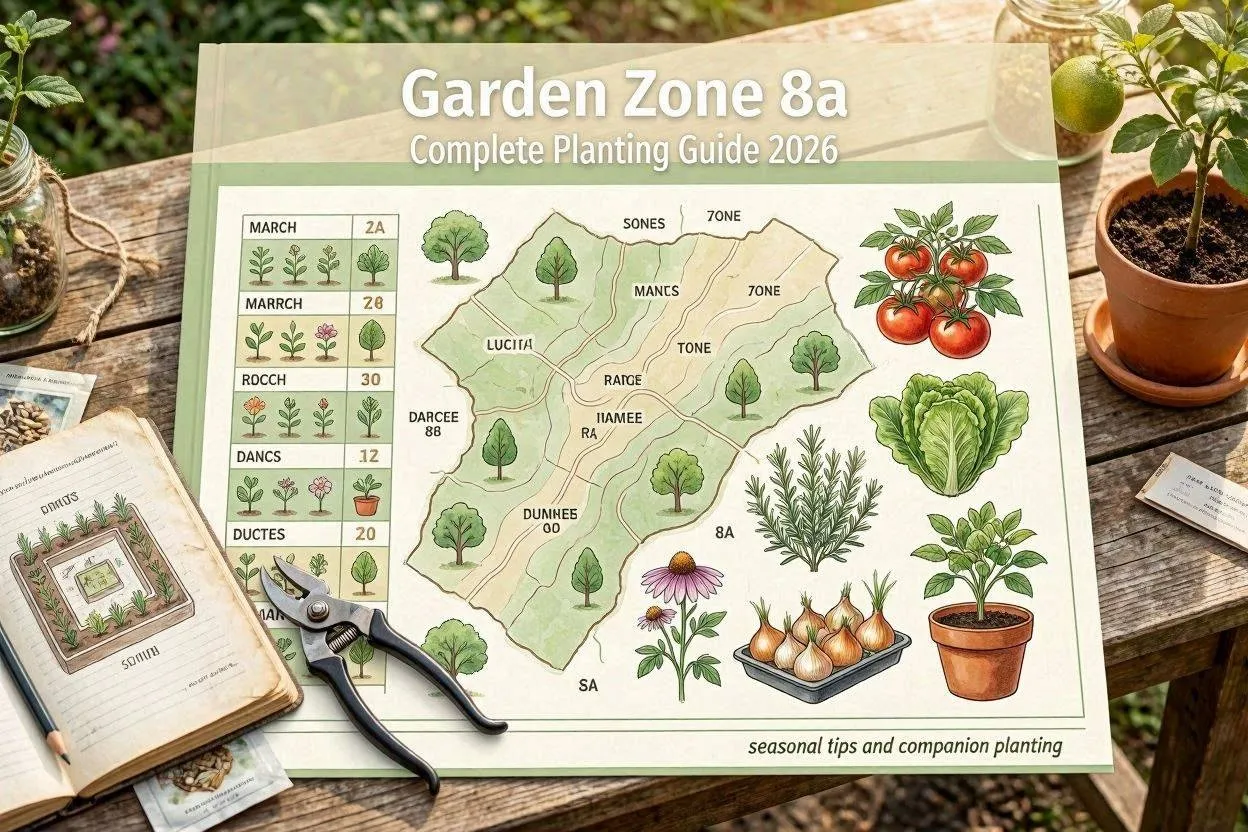
Garden zone 8a stretches across warm pockets of Texas, Georgia, South Carolina, and the Pacific Northwest, giving gardeners one of the longest growing windows in the country. Mild winters mean less plant loss and more months in the ground, but the heat and humidity that come with this zone create their own set of rules. Pick the wrong planting date or the wrong fruit tree variety, and a season’s work goes to waste.
This guide covers the exact frost dates, plant lists, and monthly calendar built specifically for zone 8a, along with the mistakes that trip up even experienced gardeners in this climate.
What Is Garden Zone 8a?
Garden zone 8a is a United States Department of Agriculture (USDA) hardiness zone where winter temperatures drop to 10°F to 15°F (-12°C to -9°C) at their coldest. The USDA created this zone system to help gardeners pick plants that survive local winters. Zone 8a sits in the warmer half of the map, one step colder than zone 8b and one step warmer than zone 7b.
Gardeners in this zone get a long growing season, mild winters, and hot, humid summers. Citrus, figs, and many perennials thrive here without extra winter protection.
Which States Fall Under Garden Zone 8a?

Garden zone 8a runs through parts of the American South and Pacific Northwest. It covers:
- Central and North Texas (Dallas, Waco, Tyler)
- North Louisiana (Shreveport, Monroe)
- Central Georgia (Macon, Warner Robins)
- South Carolina inland counties (Columbia, Aiken)
- North Florida panhandle (Tallahassee)
- Southern Alabama and Mississippi
- Western Washington and Oregon coastal valleys
A single state often spans two or three zones. Texas, for example, stretches from zone 6b in the panhandle to zone 9b near the Gulf Coast. Check your exact ZIP code on the USDA map before buying plants, since county lines rarely match zone boundaries.
Frost Dates and Growing Season Length
Garden zone 8a has a growing season of roughly 220 to 260 frost-free days, running from mid-March to mid-November. Exact dates shift by a few weeks depending on elevation and distance from the coast.
| Event | Typical Date Range |
| Last spring frost | March 13 – March 31 |
| First fall frost | November 15 – November 30 |
| Frost-free days | 230 – 261 days |
Coastal areas within the zone see later first frosts and earlier last frosts, extending the usable growing window by two to three weeks compared to inland counties.
Garden Zone 8a vs. Zone 8b: What’s the Difference?
Zone 8a and zone 8b differ by 5°F in minimum winter temperature. Zone 8a bottoms out at 10°F to 15°F, while zone 8b only drops to 15°F to 20°F. That gap matters for borderline plants like certain citrus varieties, bougainvillea, and some palms, which survive in 8b but need winter protection in 8a. Always confirm the exact subzone before investing in cold-sensitive perennials or trees.
Best Vegetables for Garden Zone 8a

Zone 8a supports two full planting cycles each year: a spring crop and a fall crop. Plant these six vegetables for reliable yields:
- Tomatoes — start indoors 6 weeks before the last frost
- Peppers — needs consistent soil temperature above 65°F
- Okra — thrives in summer heat, direct sow after frost risk ends
- Collard greens — plant in fall for sweeter flavor after light frost
- Sweet potatoes — set slips in late spring once soil warms
- Green beans — sow directly, matures in 50 to 60 days
Cool-season crops like broccoli, cabbage, and spinach go in twice: once in late winter and again in early fall, since zone 8a summers get too hot for them to head properly.
Best Herbs for Garden Zone 8a
Rosemary, thyme, and sage grow as perennials in zone 8a and survive winter outdoors without mulch. Basil and cilantro grow as annuals here — basil handles the summer heat well, while cilantro bolts quickly once temperatures pass 75°F and grows best in the cooler months of fall through early spring.
Best Flowers and Perennials for Garden Zone 8a
Zone 8a rewards gardeners with a wide plant palette because winters rarely kill root systems. Strong performers include:
- Coneflowers — full sun, drought-tolerant once established
- Daylilies — bloom repeatedly from late spring through summer
- Salvia — attracts pollinators, blooms into first frost
- Hostas — thrive in shaded, moist garden beds
- Camellias — bloom in winter when little else flowers
- Crepe myrtle — summer-blooming small tree, heat-tolerant
Split perennials into sun-lovers and shade-lovers before planting. Coneflowers, salvia, and daylilies need 6 to 8 hours of direct sun daily. Hostas and astilbe fail in full sun and need consistent shade or filtered light.
Fruit Trees and Chill Hours in Garden Zone 8a
Fruit trees in garden zone 8a need 400 to 600 chill hours to produce fruit. Chill hours count the number of hours between 32°F and 45°F a tree experiences during dormancy. Peaches, plums, figs, and low-chill apple varieties bear fruit reliably in this zone. High-chill varieties bred for northern climates often fail to fruit here, even with healthy growth, because they never accumulate enough cold hours to break dormancy properly.
Citrus trees like satsuma and kumquat survive in zone 8a but need frost cloth or temporary covers during hard freezes below 25°F.
Month-by-Month Planting Calendar for Garden Zone 8a
February: Start tomatoes, peppers, and eggplant indoors. March: Direct sow peas, carrots, and beets after the last frost. April: Transplant tomatoes and peppers outdoors. May: Plant okra, sweet potatoes, and melons. June: Sow heat-tolerant greens like Swiss chard and Malabar spinach. July: Start fall broccoli and cabbage seeds indoors. August: Transplant fall brassicas outdoors in the evening to reduce heat stress. September: Direct sow carrots, radishes, and turnips for fall harvest. October: Plant garlic cloves and spring bulbs like daffodils and tulips. November: Harvest collards after the first light frost sweetens the leaves. December: Mulch perennial beds to protect roots during cold snaps. January: Order seeds and plan crop rotation for the coming spring.
Soil Type and Microclimates in Garden Zone 8a
Most garden zone 8a regions have clay-heavy or sandy loam soil with a pH between 5.5 and 6.8. Clay soil holds water and nutrients well but drains slowly, so raised beds improve root health for vegetables. Sandy soil in coastal areas drains fast and needs more frequent watering and added compost.
A single yard often contains three or four microclimates. A south-facing wall absorbs heat and shields nearby plants from light frost, while a low-lying corner collects cold air and frosts first. Test different garden spots with a soil thermometer before committing tender plants to any one location.
3 Common Mistakes Gardeners Make in Garden Zone 8a
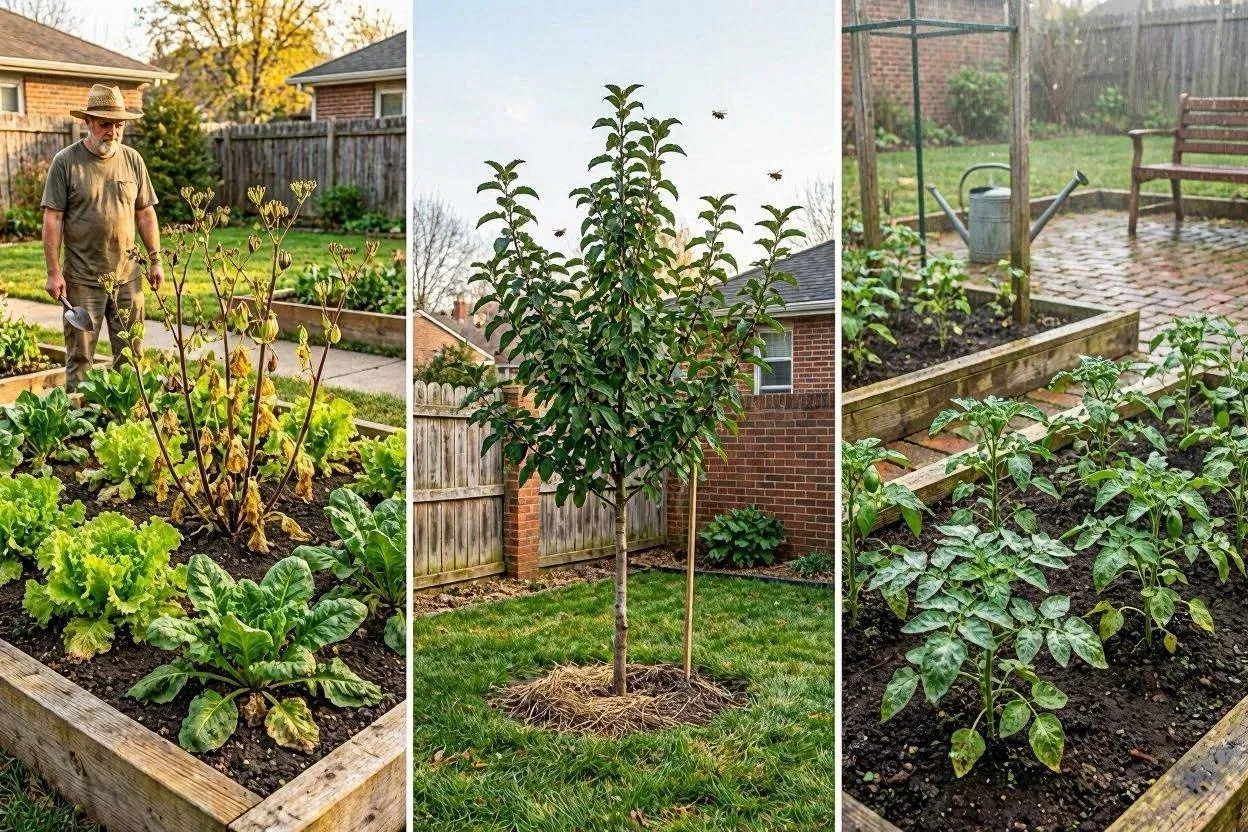
- Planting cool-season crops too late in spring. Lettuce and spinach bolt once temperatures climb past 75°F, so gardeners who wait until April often lose the harvest to bitter, seeded plants.
- Skipping chill-hour requirements when buying fruit trees. A tree labeled “cold hardy” without a chill-hour rating may never fruit in zone 8a’s mild winters.
- Ignoring humidity when spacing plants. Zone 8a summers run humid, and tight spacing between tomatoes and peppers traps moisture, leading to fungal disease.
Frequently Asked Questions
Is garden zone 8a good for growing tomatoes?
Yes. Tomatoes thrive in zone 8a’s long, warm season, producing from late spring through the first fall frost when started indoors 6 weeks early.
Can citrus trees survive winter in garden zone 8a?
Yes, cold-hardy varieties like satsuma and kumquat survive, but they need frost cloth protection when temperatures drop below 25°F.
What is the last frost date in garden zone 8a?
The last frost date falls between March 13 and March 31, depending on elevation and distance from the coast.
How many chill hours does garden zone 8a get?
Garden zone 8a typically accumulates 400 to 600 chill hours per winter, suiting low-chill fruit varieties like peaches and figs.
Is garden zone 8a the same across every state?
No, zone 8a spans different states with varying rainfall and soil types, so plant performance shifts even within the same zone.
Conclusion
Garden zone 8a rewards gardeners who plan around its frost dates, chill hours, and humid summers. Two full planting cycles, a wide plant palette, and mild winters make this zone one of the most forgiving in the country once the calendar and plant choices line up with local conditions. Track your microclimates, match chill-hour ratings to your fruit trees, and space plants for airflow, and the season’s yield will show the difference.
Start Your Zone 8a Garden Today
Garden zone 8a gives you two growing seasons, mild winters, and a plant list longer than most of the country gets. Pick your frost dates, match your plants to your microclimate, and build a planting calendar around the months above. Browse our zone 8a seed and plant collection to get everything you need for this season’s planting in one order.