Every Minnesota gardener has a story about a plant that looked perfect at the nursery in May and was dead sticks by April. Nine times out of ten, the culprit isn’t bad luck or a black thumb. It’s a mismatch between the plant’s cold tolerance and the Minnesota plant zone it actually landed in.
A USDA planting zone is just a measurement of the average lowest winter temperature in your area, tracked over 30 years. It sounds simple, and it is, but it’s also the single most useful number you can know before you buy anything with roots. Minnesota covers five of these zones, running from 3a up near the Canadian border to 5a down in the Twin Cities and southern counties. That’s a wide spread for one state, and it’s why a plant that thrives in a Minneapolis backyard might not survive a single winter three hours north.
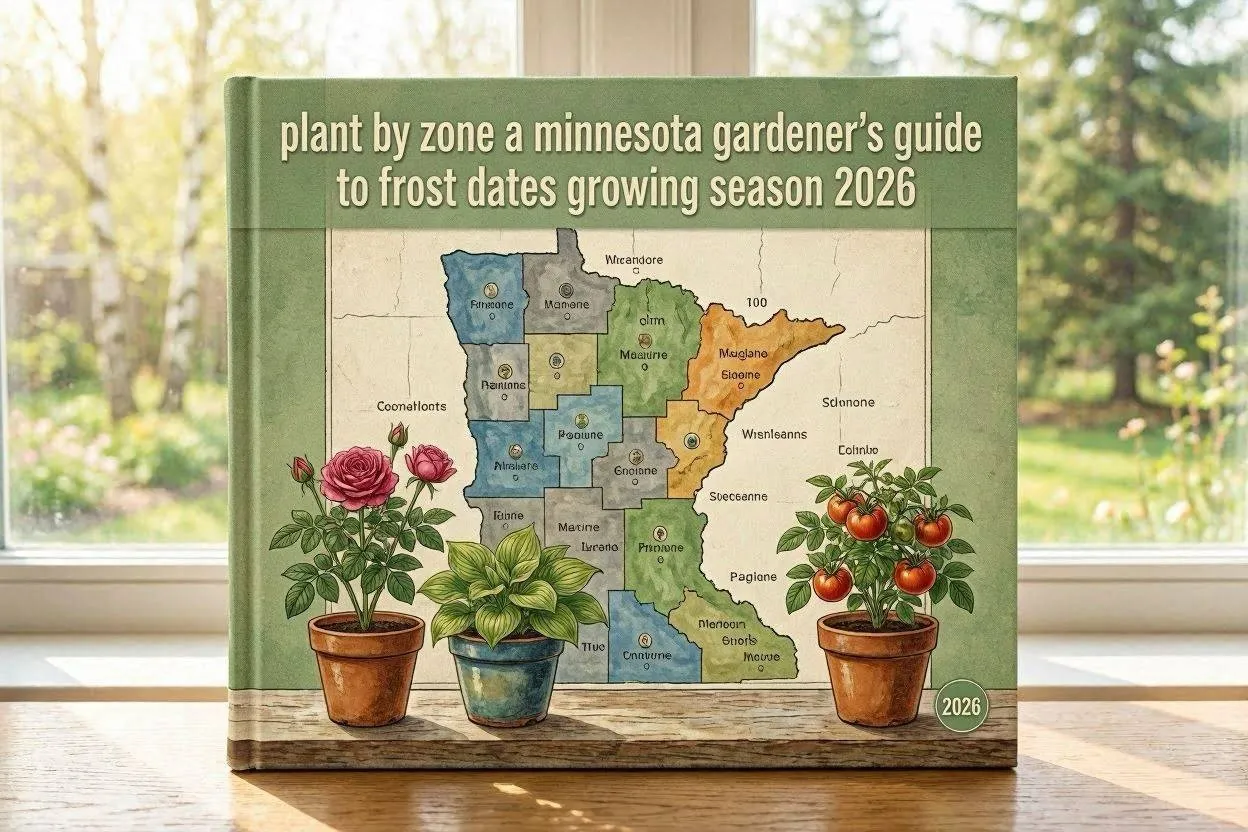
This guide walks through every Minnesota plant zone by region and city, shows you how to pin down your exact zone using your ZIP code, and lays out what to plant and when, all updated for the 2026 growing season.
Minnesota Planting Zones by Region
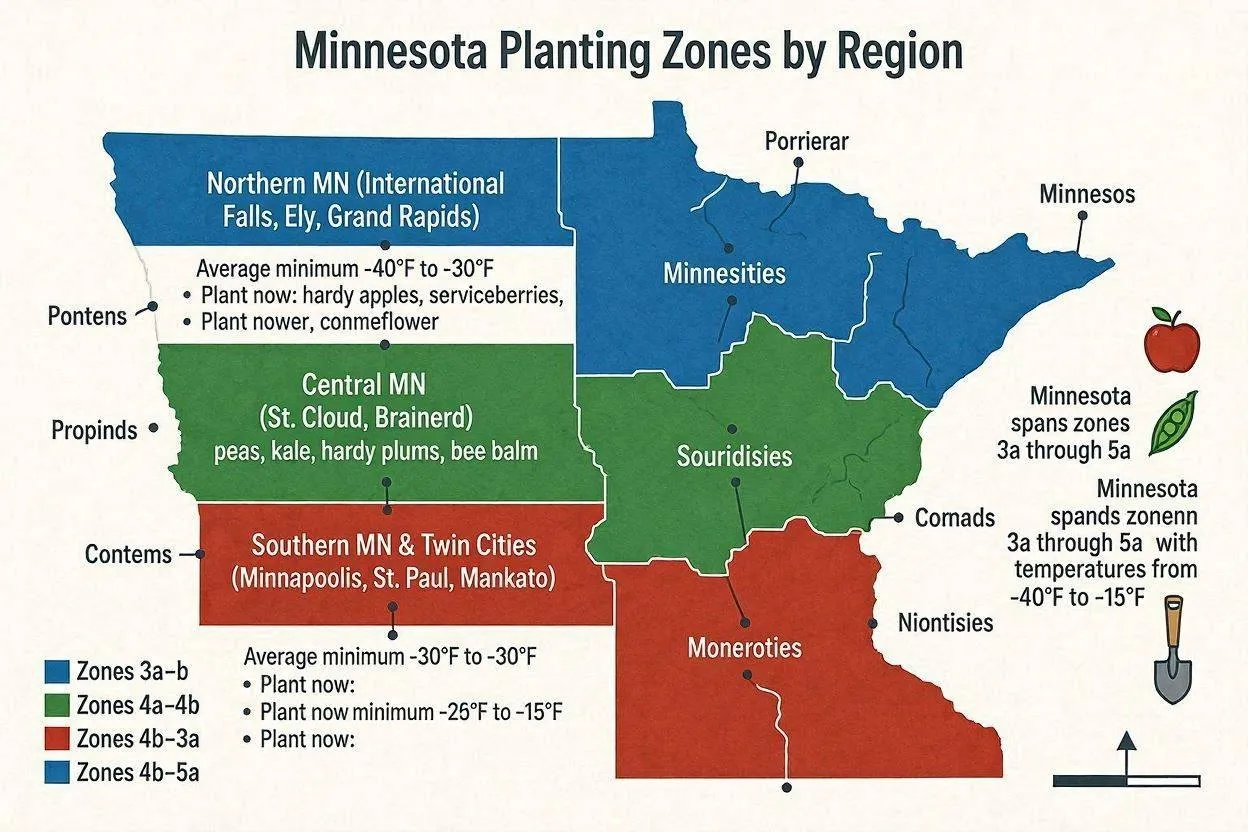
Minnesota’s zones break down roughly into three bands, and knowing which one you’re in shapes almost every decision you’ll make in the garden.
Northern Minnesota, including International Falls, Ely, and Grand Rapids, sits in zones 3a to 3b. Winters here regularly dip to -40°F, so this isn’t the place to experiment with anything borderline. Hardy apples, serviceberries, and coneflower do well because they’re built for exactly this kind of cold.
Central Minnesota, covering St. Cloud and Brainerd, lands in zones 4a to 4b, with average minimums between -30°F and -20°F. Peas, kale, hardy plums, and bee balm handle this range without much fuss, though gardeners here still need to be picky about anything rated for warmer zones.
Southern Minnesota and the Twin Cities metro, including Minneapolis, St. Paul, and Mankato, fall in zones 4b to 5a. Average minimums run from -25°F to -15°F, which opens the door to tomatoes, honeyberries, and even hardy grape varieties that wouldn’t stand a chance up north.
| Region | USDA Zones | Avg. Minimum Temp | Plant Now |
| Northern MN (International Falls, Ely, Grand Rapids) | 3a–3b | -40°F to -30°F | Hardy apples, serviceberries, coneflower |
| Central MN (St. Cloud, Brainerd) | 4a–4b | -30°F to -20°F | Peas, kale, hardy plums, bee balm |
| Southern MN & Twin Cities (Minneapolis, St. Paul, Mankato) | 4b–5a | -25°F to -15°F | Tomatoes, honeyberries, hardy grapes |
If you garden near the Canadian border, treat every plant tag as a hard rule, not a suggestion. Central Minnesota needs zone 4-rated stock across the board. And if you’re anywhere in the southern third of the state, you’ve got the widest plant selection Minnesota has to offer, so take advantage of it.
Minnesota Plant Zone by City
Regional averages are a good starting point, but your actual Minnesota plant zone often comes down to the city, or even the neighborhood, you’re in.
Minneapolis sits in USDA zone 5a, with average annual minimums between -20°F and -15°F. Minnetonka, Eden Prairie, Burnsville, and Shakopee share this zone as close suburbs. Tomatoes, peppers, and squash all do fine here once frost risk clears in mid-May.
Saint Paul matches Minneapolis at zone 5a. The concrete and pavement across the metro trap heat, a phenomenon called the urban heat island effect, and it nudges the whole Twin Cities area into a warmer zone than the countryside surrounding it. Grow the same warm-season crops as Minneapolis, and if you’ve got a south-facing wall, try a hardy grape cultivar against it.
Duluth is the outlier. The city spans zones 4a, 4b, and 5a within its own limits, with minimums swinging from -30°F up to -15°F depending on where you stand. Lake Superior moderates temperatures right along the shoreline, so your zone can shift block by block based on how close you are to the water. Plant cold-hardy apples and serviceberries inland, and save the warmer-zone perennials for spots near the lakefront.
Rochester falls in zone 4b, with minimums between -25°F and -20°F. Peas, carrots, and kale go in as beds thaw, and tomatoes and beans follow once frost danger passes in mid-May.
St. Cloud sits in zone 4b at roughly -25°F. Here’s the strange part: towns just 30 miles south in the Twin Cities’ outer suburbs already reach zone 5a. That’s a five-degree swing over a short drive. Stick to zone 4-rated vegetables and hardy fruit trees rather than gambling on zone 5 varieties.
Winona and Red Wing, tucked into the driftless region along the Mississippi River, sit somewhere between zone 4b and 5a. River bluffs and valley terrain create their own microclimates, so the zone can shift within a few miles. Cold-hardy grapes and stone fruit tend to do well on sheltered, south-facing slopes.
How to Find Your Exact Zone by ZIP Code
City-level and state-level zones give you a general picture, but they miss the block-by-block variation caused by lakes, elevation, and urban development. For that level of precision, use your ZIP code.
Head to the USDA Plant Hardiness Zone Map website. Type your ZIP code into the search bar. The tool will return the zone number and letter for your exact location. From there, cross-check that number against your own yard. South-facing walls trap heat, low-lying areas collect cold air, and either one can shift your real-world zone by half a step in either direction.
It only takes a minute, and it’s worth doing before every major planting season, especially if you’ve moved or if you’re planting somewhere new on your property.
Best Plants by Category
Vegetables
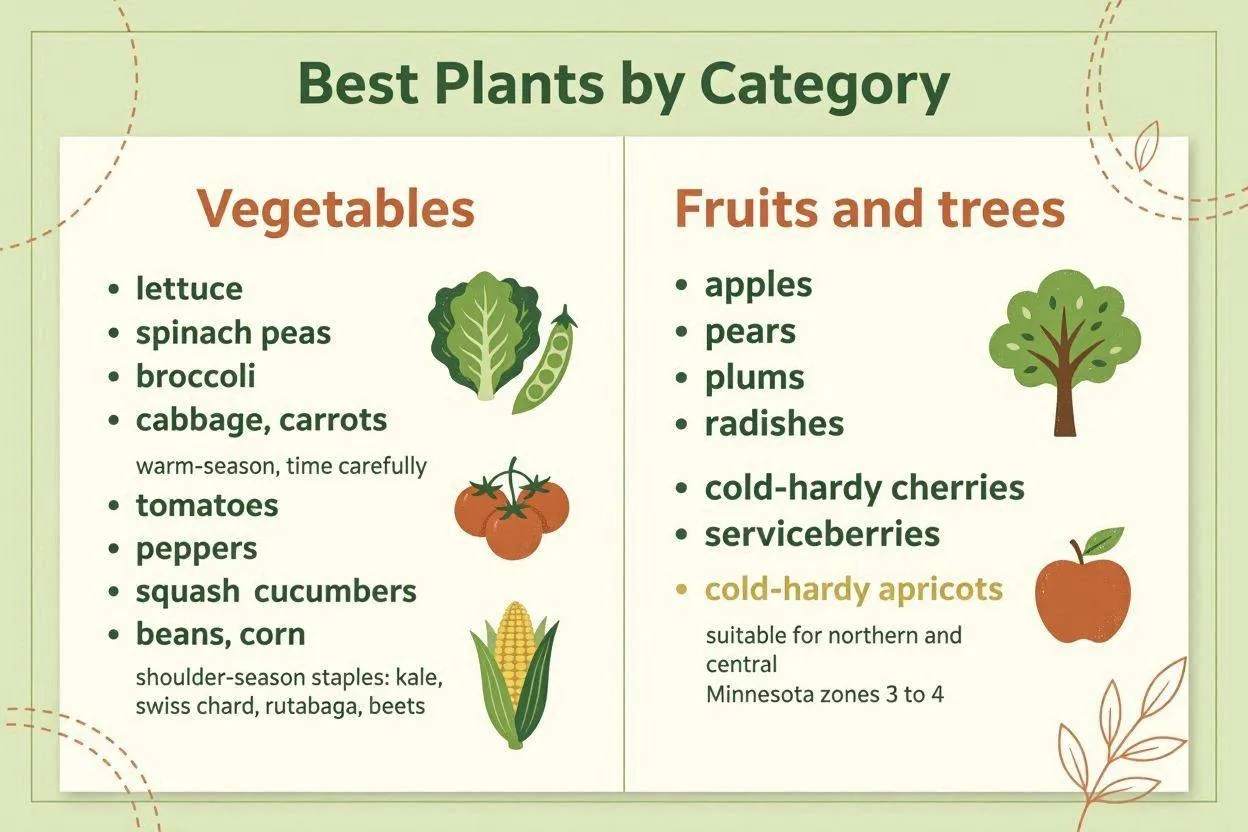
Cool-season crops work statewide, in every Minnesota plant zone from 3a to 5a: lettuce, spinach, peas, broccoli, cabbage, carrots, and radishes all tolerate the cold snaps that come with an early Minnesota spring. Warm-season crops need more careful timing. Tomatoes, peppers, squash, cucumbers, beans, and corn should wait until frost risk has genuinely passed. For the shoulder seasons on either end, kale, Swiss chard, rutabaga, and beets are dependable.
Fruits and Trees
In Northern and Central Minnesota (zones 3 to 4), stick with hardy apples, pears, plums, serviceberries, and select cold-hardy cherry varieties. Southern and Metro Minnesota (zones 4b to 5a) can support cold-hardy apricots, honeyberries, blueberries (they need acidic soil to thrive), and hardy grape cultivars.
Flowers and Ornamentals
Native and hardy perennials like coneflower, black-eyed Susan, prairie smoke, bee balm, and columbine handle Minnesota winters without extra babying. Pollinator favorites, including milkweed, asters, goldenrod, and liatris, bring in the bees and butterflies your vegetable garden depends on. For dry spots or low-maintenance beds, sedum, Russian sage, and ornamental grasses hold up well.
Native Plants
Native Minnesota plants have already adapted to the state’s cold winters and short summers, which means less watering, less fertilizer, and generally less work on your end. They also support local pollinators far better than imported ornamentals do. Before you buy anything, check the plant tag. A plant rated for a colder zone than yours will survive just fine. A plant rated for a warmer zone needs winter protection, or it won’t make it through.
Minnesota Frost Dates
Frost dates tell you when it’s safe to plant and when you need to start covering crops against a cold snap.
| Region / City | Avg. Last Spring Frost | Avg. First Fall Frost | Frost-Free Days | Planting Action |
| International Falls (North) | Late May | Mid-September | ~115 days | Direct-sow peas and kale in late May |
| Duluth (Northeast) | Mid-May | Early October | ~140 days | Transplant brassicas after mid-May |
| St. Cloud (Central) | Early May | Early October | ~150 days | Plant carrots and onions in early May |
| Minneapolis–St. Paul (Metro) | Late April | Mid-October | ~165 days | Direct-sow cool crops after April 25 |
| Rochester (Southeast) | Late April | Late October | ~170 days | Transplant tomatoes in mid-May |
Cold-hardy vegetables like peas and kale can go in the ground two to three weeks before your area’s last frost date. Tender annuals, tomatoes, and other warm-season vegetables need to wait until after that date has passed. Keep in mind that your yard’s elevation, tree cover, and distance from lakes can push your actual frost dates earlier or later than these averages suggest.
Month-by-Month Planting Calendar
January: Plan your beds, order seeds, and map out crop rotations. In zones 4 and 5, start onions and leeks indoors late in the month.
February: Zones 3 and 4 gardeners can start onions, leeks, broccoli, cabbage, and early flowers indoors. Zone 5 gardeners can add peppers to that list.
March: Tomatoes go in indoors across every zone. Zones 4 and 5 can prep outdoor beds and direct-sow hardy greens under row cover toward the end of the month.
April: Zone 3 gardeners can direct-sow peas, spinach, and radishes late in the month if soil is workable. Zone 4 gardeners plant peas, carrots, and kale as beds thaw. Zone 5 gardeners can harden off transplants and get cool crops outdoors earlier in the month.
May: This is the main planting month everywhere in the state. Zone 3 transplants brassicas and starts potatoes after the last frost. Zone 4 plants tomatoes, peppers, squash, and beans once frost danger passes. Zone 5 gets most warm-season crops in early in the month.
June: Mulch your beds, stake tomatoes, and water deeply, regardless of zone. Zones 4 and 5 can sow a second round of beans and lettuce for staggered harvests.
July: Harvest peas, early greens, and strawberries statewide. Zones 3 and 4 should start planning fall crops like broccoli and spinach. Zone 5 can sow fall carrots and beets by mid-month.
August: Zone 3 should limit new sowing to fast-maturing greens, and only early in the month. Zone 4 plants fall spinach, lettuce, and kale. Zone 5 keeps sowing greens and root crops.
September: Harvest potatoes, onions, and storage crops across the state. Zones 4 and 5 should cover tender crops whenever frost shows up in the forecast.
October: Finish harvesting anything tender before a hard frost hits. Everyone plants garlic, mulches perennial beds, and works compost into the soil.
November: Finish winter mulching and protect young trees from rodent damage and sunscald, no matter your zone.
December: Review what worked and what didn’t, and start planning next year’s crop rotation.
Garden Tips That Actually Matter in a Short Season

Matching plants to your Minnesota plant zone is step one. These practices help whatever you plant actually make it through the season.
- Raised garden beds warm up one to two weeks faster in spring than in-ground soil does, which matters a lot when your whole growing window is measured in months, not seasons. Fill them with a mix of garden soil, compost, and aged manure for good drainage.
- Mulch every bed with two to three inches of straw, bark, or wood chips. It regulates soil temperature, holds in moisture, and protects roots through the freeze-thaw cycles that are basically guaranteed here.
- Test your soil before you plant anything. Minnesota soil runs sandy in the north and heavy clay in the south, and the fix is different depending on which one you’ve got: compost for clay, organic matter for sand.
- Water deeply once a week rather than a little bit every day. About an inch of water per week trains roots to grow downward, which builds drought tolerance over time.
- Prune spring-flowering shrubs like lilac right after they bloom. Fruit trees and most ornamental trees should be pruned in late winter while they’re dormant, so you don’t stress the plant during an active growing period.
- A cold frame or floating row cover can start seedlings two to three weeks early, and row cover doubles as protection against a late, unexpected frost.
- Keep a trowel, pruning shears, garden fork, and watering can within reach. That short list covers almost everything you’ll need from transplanting seedlings to deadheading spent flowers.
- Divide hostas, daylilies, and coneflowers every three to four years. It keeps them from overcrowding and gives you free plants for other beds.
- Move potted perennials into an unheated garage for winter, or bury the pot in a garden bed. Containers freeze faster than anything planted directly in the ground, so they need the extra buffer.
FAQs
What planting zone is Minneapolis in?
Minneapolis sits in USDA zone 5a, with average minimums between -20°F and -15°F. Plant tomatoes, peppers, and squash once frost risk clears in mid-May.
Does Minnesota have more than one planting zone?
Yes. Minnesota spans five zones total, from 3a near the Canadian border to 5a in the Twin Cities and southern counties.
Can I plant zone 5 plants in a zone 4 yard?
Not reliably. Zone 5 plants often struggle or die in zone 4 winters unless you add protection like mulch, windbreaks, or bring them indoors.
How do I find my exact planting zone?
Enter your ZIP code into the USDA Plant Hardiness Zone Lookup Tool. It gives you a precise reading down to your street.
Why did the Twin Cities shift to zone 5a in 2023?
The urban heat island effect raised recorded minimum temperatures across the metro, moving most of the Twin Cities from zone 4b to 5a in that year’s USDA map update.
Conclusion
Get your Minnesota plant zone right, and half the guesswork in gardening disappears. Match every tree, shrub, and vegetable to your zone number before you buy it, then check that number against your city’s frost dates before anything goes in the ground. Raised beds, heavy mulch, and deep watering will stretch your growing season on both ends, which matters in a state where the window is already short. Start with the plant lists here for your specific zone, then adjust for your own yard, since south-facing walls, low spots, and distance from lakes can all shift your real-world results by half a zone or more. A little planning in January saves a lot of scrambling in May.