Relocating to a new house involves endless packing, organising, and heavy lifting. However, one of the most frequently overlooked challenges is figuring out how to safely transport a cherished potted garden. The Australian potted plant and container garden market is expanding at an estimated 5.4 percent compound annual growth rate, driven heavily by wellness trends and renter-friendly home styling. With a prominent outdoor living trend of planting with purpose, many residents are cultivating high-value edible and native container gardens that they are highly motivated to take with them.
As conventional potted plants now account for over 67 percent of the domestic indoor and container plant market share, the average relocating household has a significant volume of greenery to pack up. When preparing for a comprehensive home move, prioritising the health and safety of these living assets is essential. You must account for how varying weather conditions on moving day will impact exposed root systems and fragile stems. Moving these plants is not as simple as tossing them into the back of a truck. From managing the immense weight of wet soil to navigating complex biosecurity laws, transporting outdoor features requires careful planning.
The Heavy Logistics of Lifting and Loading
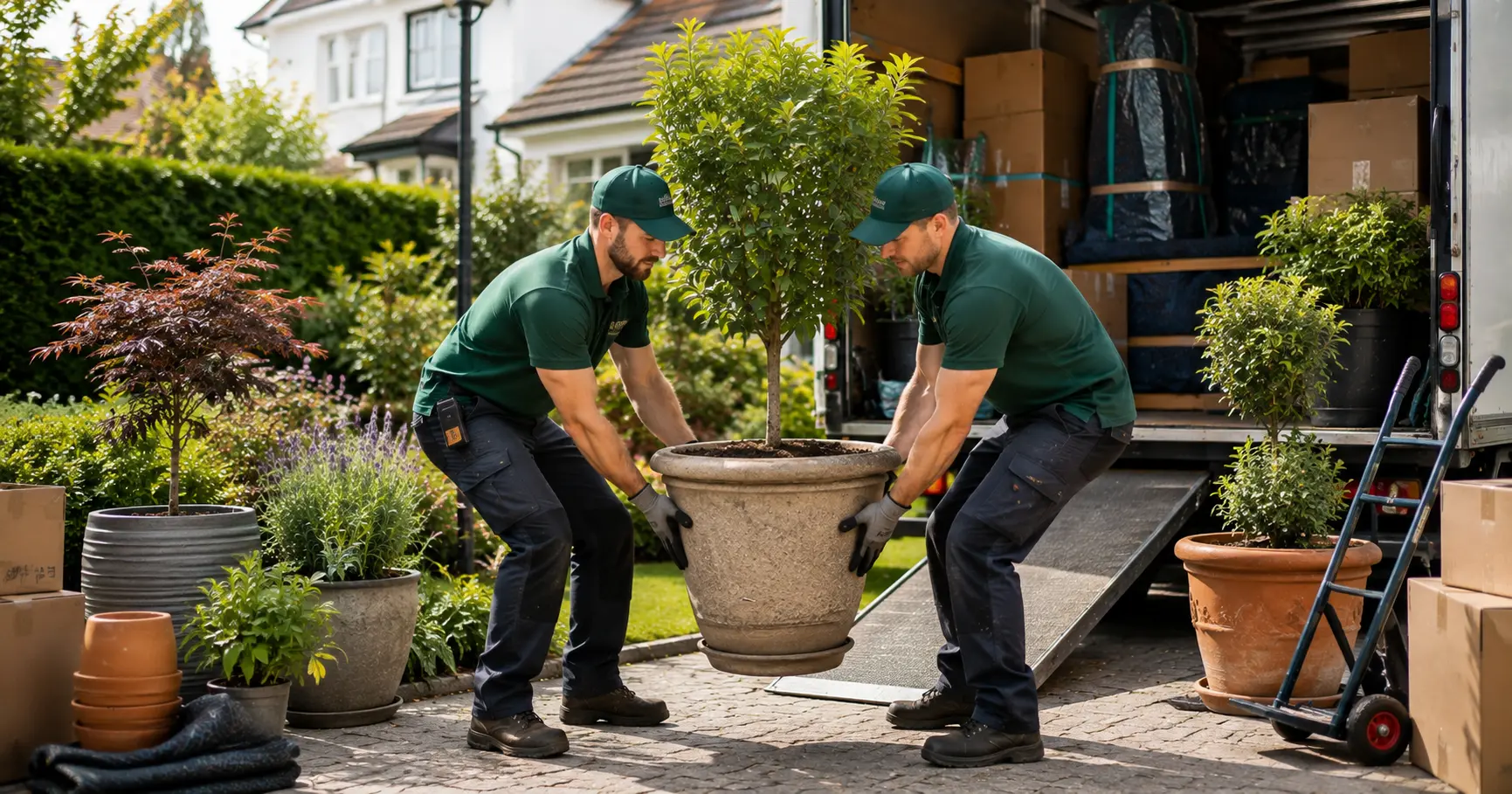
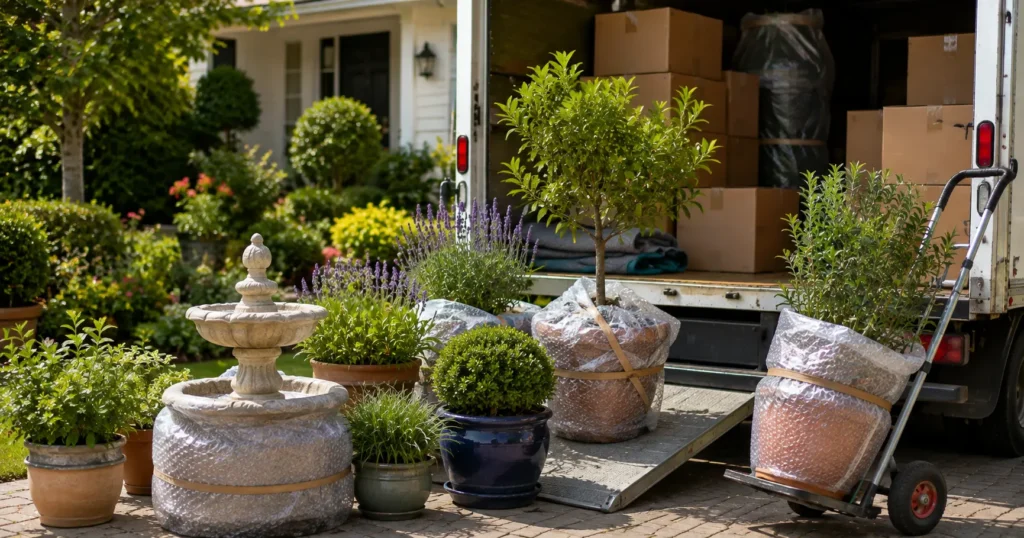
The physical act of moving large garden pots is a massive undertaking. Depending on the moisture content and soil composition, wet or saturated potting soil can weigh between 0.8 and 1 kilogram per litre. This means a single standard 50-litre garden pot filled with damp soil can easily weigh between 40 to 50 kilograms. That is before you even factor in the weight of a heavy terracotta, concrete, or glazed ceramic planter. Lifting these items without proper equipment is a significant safety hazard that can result in serious personal injury.
To safely manage this weight, it is crucial to let your outdoor pots dry out for several days prior to transport. Reducing the water weight in a large container garden can safely shave off dozens of kilograms from your moving truck’s payload. Even with dry soil, large outdoor planters are highly top-heavy and susceptible to shifting during transit. Because of this, it is usually best to leave the heavy lifting to professionals. For instance, in areas experiencing high internal migration, booking a professional moving service in Brisbane residents recommend ensures that your bulky outdoor furniture and fragile garden ornaments are loaded safely using customised strapping and heavy-duty hand trucks.
Managing Plant Stress and Acclimation
Plants are highly sensitive organisms that acclimate to their specific microclimates over time. Moving them to a new yard or patio abruptly changes their daily light exposure, ambient temperature, and wind conditions. This sudden environmental shift can severely impact their short-term health and cause what is known as transplant shock, a condition that can result in immediate leaf loss and stunted growth.
According to experts at the Cornell University College of Agriculture and Life Sciences, when exposed to sudden environmental changes, a plant goes into survival mode by closing the stomata on its leaves to conserve moisture, entering a nearly dormant state, and diverting resources to develop a thicker protective waxy cuticle. To mitigate this intense biological stress, it is vital to keep your plants protected from harsh winds in transit and settle them into their new environment under overcast conditions if possible.
Preparing your plants ahead of time will also make a significant difference. Trimming back overgrown foliage and stabilising soil moisture a few weeks before moving day will help them conserve much-needed energy. Incorporating these techniques into your broader home property management and transition routines will give your container garden the absolute best chance of thriving in its new location without dropping leaves or wilting.
Navigating Biosecurity and Transport Regulations
If you are moving across regional or state borders, you must deeply consider domestic plant quarantine laws. In Australia, the transport of high-risk materials like garden soil and potted plants is strictly regulated to prevent the spread of invasive pests and diseases. Queensland has recently seen record-breaking internal migration, with Brisbane alone gaining approximately 11,000 new residents in a single financial year. Because of this massive movement of households, biosecurity enforcement is stricter than ever.
Under the Biosecurity Regulation 2016, residents moving potted plants within or out of specific biosecurity zones, such as the South East Queensland fire ant zones, must legally follow strict risk mitigation procedures. The National Fire Ant Eradication Program conducts up to 12,000 annual audits across the region. Individuals failing to meet their general biosecurity obligations can face severe legal consequences and penalties of up to $470,000 for serious aggravated offences.
To ensure compliance and protect the local ecosystem, follow these critical preparation steps before your move:
- Elevate your pots: Any potted plants that have been sitting on a property for more than 24 hours in a restricted zone must be stored at least 30 centimetres off the ground or placed on a fire ant-resistant surface like uncracked concrete prior to transit.
- Apply preventative treatments: Homeowners in restricted zones may need to apply preventative treatments, such as granular insecticides or bifenthrin drenching, up to 28 days before moving day to ensure their potting mix is entirely pest-free.
- Check permit requirements: Always consult the Department of Agriculture and Fisheries to check regional movement rules. Transporting high-risk materials across specific zone borders may require a formal Biosecurity Instrument Permit.
- Clean all outdoor equipment: Thoroughly wash soil and debris from gardening tools, lawn mowers, and patio furniture before they are loaded into a moving vehicle.
By taking the time to dry out heavy pots, preparing your plants for environmental changes, and strictly adhering to local biosecurity laws, you can safely transition your outdoor living spaces. Whether you are moving across town or to an entirely new state, prioritising plant health during the relocation process pays off immensely. A little extra care before moving day ensures that your cherished garden will continue to grow and flourish in your new home for years to come, providing a familiar touch of nature in a completely new environment.