
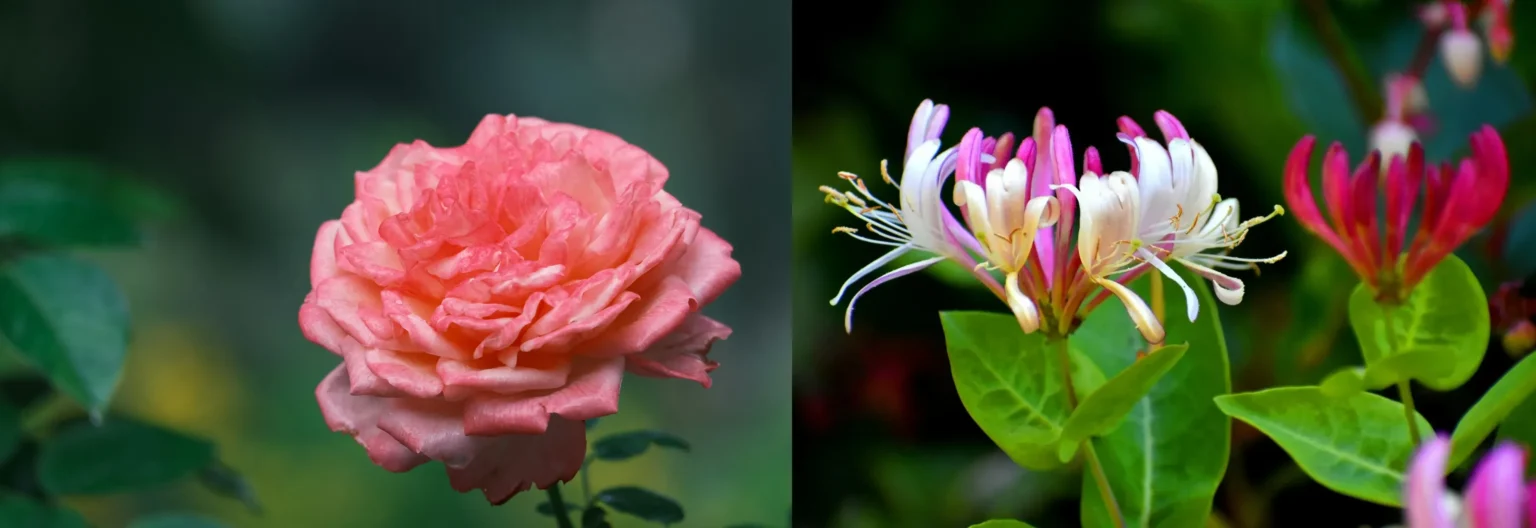
Every June, my grandmother’s garden exploded with roses climbing the weathered fence and honeysuckle sweetening the evening air—scents that still transport me back to childhood summers. June celebrates two birth flowers: the rose, often called the queen of flowers, symbolizing passionate love and timeless beauty, and the honeysuckle, representing sweet nostalgia and pure happiness. Both bloom spectacularly during June, making them perfect emblems for Gemini’s versatility and Cancer’s sensitivity.
This guide explores the rich symbolism behind the June birth flower choices, practical growing advice, color meanings, and inspiring June birth flower tattoo designs that honor your birth month permanently. Whether you’re a June baby yourself or shopping for one, understanding these flowers adds depth to every gift and garden.
Why June Claims Two Birth Flowers
The tradition of assigning flowers to birth months stretches back to ancient Roman times when people believed certain blooms brought luck and healing during their peak season. June’s dual flowers emerged naturally—both roses and honeysuckle hit their absolute prime bloom in June, creating abundant options.
Having two June birth flower choices offers personality flexibility. Bold, passionate individuals gravitate toward roses with their dramatic petals and intense symbolism. Gentle, nostalgic souls connect more with honeysuckle’s delicate sweetness and whimsical vines. This pairing beautifully mirrors June’s zodiac transition from Gemini (May 21-June 20) to Cancer (June 21-July 22).
Practical reasons exist too. Regional availability varies—while roses grow almost everywhere, honeysuckle thrives more regionally. Offering both ensures fresh flowers are accessible for June celebrations regardless of location. Plus, florists appreciate having versatile options when designing birthday arrangements.
Key reasons for dual flowers:
- Peak blooming alignment: Both flowers naturally bloom during June
- Personality diversity: Offers bold vs delicate symbolic choices
- Regional availability: Ensures at least one flower grows locally
- Commercial flexibility: Provides florists multiple design options
- Zodiac representation: Gemini versatility meets Cancer sensitivity
Rose: June’s Iconic Birth Flower
Rose History and Cultural Significance
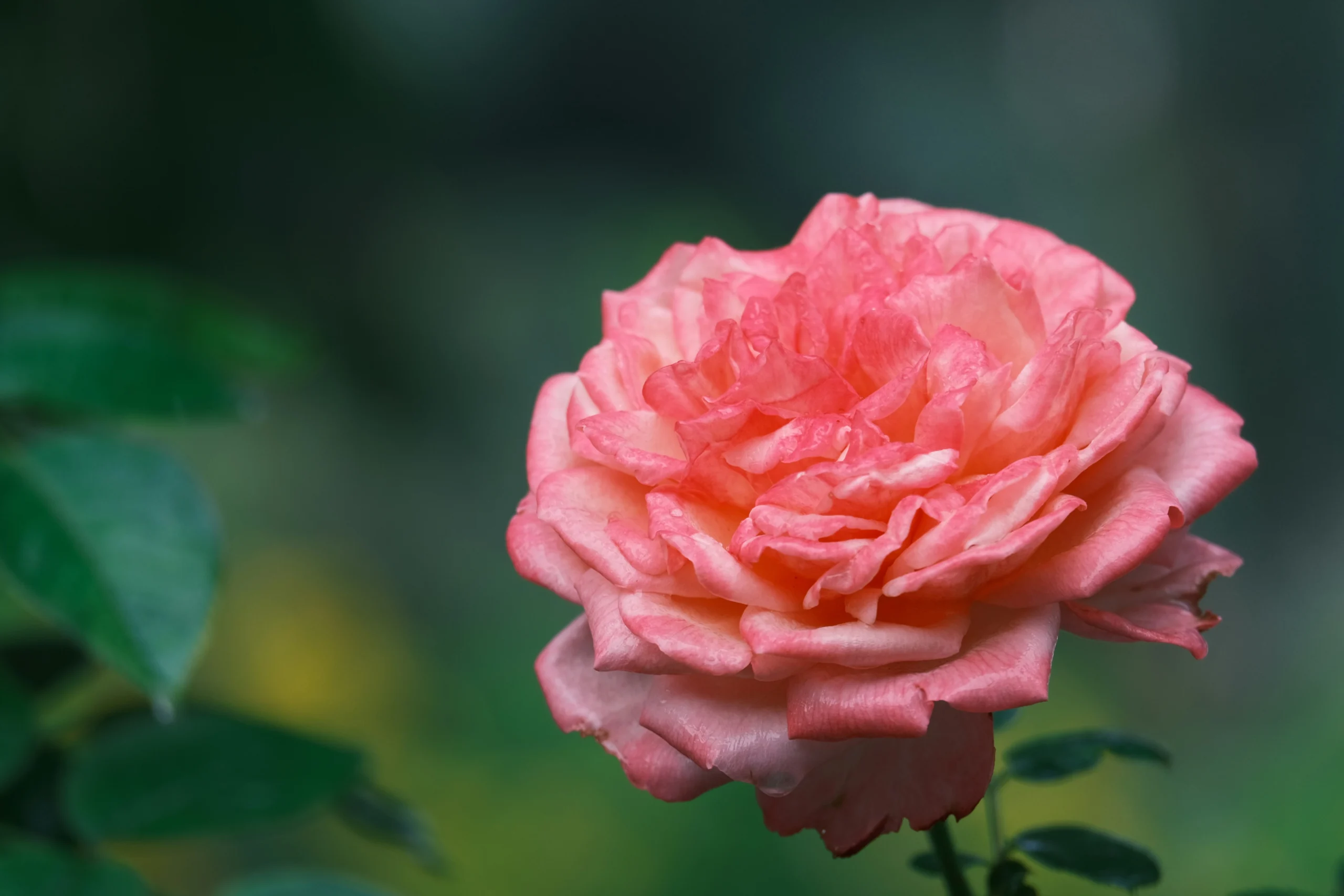
Roses have been cultivated for over 5,000 years, beginning in ancient China where they graced imperial gardens. Fossil evidence discovered in Colorado suggests rose family plants existed 35 million years ago—talk about staying power. Ancient Romans viewed roses as symbols of death and rebirth, planting them at graves of loved ones while also wearing them at celebrations.
Greek mythology tied roses to Aphrodite, goddess of love, cementing their romantic associations. The phrase “sub rosa” (under the rose) originated from Romans hanging roses above meeting spaces to signify confidential conversations—what happened under the rose stayed secret. Medieval Christians adopted roses as Virgin Mary symbols, featuring them prominently in religious art.
Fast forward to Victorian England, and roses became central to the elaborate “language of flowers” used for communication when direct expression was improper. Today, roses remain the national flower of both England and the United States, representing enduring beauty across cultures and centuries.
Rose Color Meanings
I once sent yellow roses to a friend during a difficult time, not realizing some cultures associate them with jealousy rather than friendship. She gently corrected me, teaching me the crucial importance of understanding color symbolism before gifting. Here’s what each hue genuinely means:
| Color | Meaning | Best Occasions |
| Red | Passionate love, deep romance | Anniversaries, proposals, Valentine’s Day |
| Pink | Admiration, happiness, gratitude | Mother’s Day, appreciation, friendship |
| White | Purity, innocence, sympathy | Weddings, funerals, new beginnings |
| Yellow | Friendship, joy (caution: jealousy in some traditions) | Platonic celebrations, thank you |
| Orange | Desire, excitement, enthusiasm | New relationships, congratulations |
| Red + White | Unity, togetherness | Marriages, partnerships, reconciliation |
Rose Varieties for June Gardens
With over 300 species and 30,000+ registered cultivars, roses offer extraordinary diversity. Hybrid tea roses produce classic large blooms perfect for cutting. Floribunda varieties create abundant cluster flowers ideal for garden displays. Climbing roses add dramatic vertical interest when trained on trellises or fences. Wild roses deliver simple, unpretentious elegance with minimal care requirements. Each type serves different garden roles while maintaining the symbolic beauty that makes roses June’s primary birth flower.
Honeysuckle: June’s Sweet Companion
Honeysuckle Symbolism and Mythology
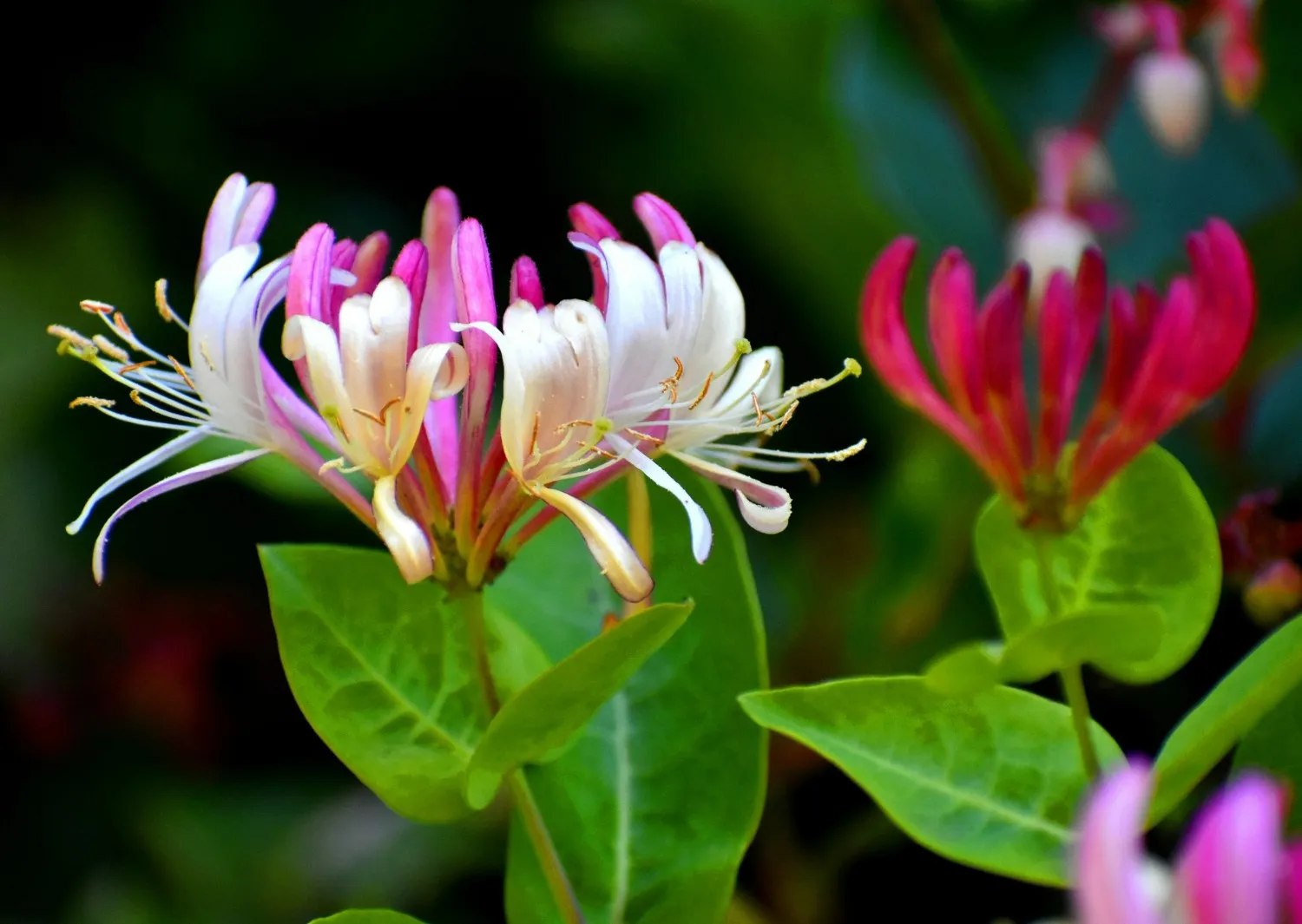
As a kid, I’d pluck honeysuckle blooms and suck the nectar—nature’s candy that tasted exactly like summer itself. That childhood joy connects to honeysuckle’s deeper symbolism: happiness, devotion, and the sweetness of life. The name derives from Middle English “honeysouke,” literally meaning “honey suck,” describing how people extracted sweet nectar directly from tubular flowers.
Greek mythology tells of lovers Daphnis and Chloe who could only meet when honeysuckle bloomed. Aphrodite, touched by their devotion, extended the flowering period so they could spend more time together. This myth explains why honeysuckle blooms longer than many summer flowers, representing enduring bonds of love.
Victorian traditions took a peculiar turn with honeysuckle. Young women were strictly forbidden from bringing it indoors because its intoxicating fragrance supposedly caused “suggestive dreams.” Despite this warning, honeysuckles were commonly planted near homes to ward off evil spirits and attract positive energy. The Druids incorporated honeysuckle symbols into their Celtic alphabet, representing pure joy and celebration.
Honeysuckle Varieties
Not all honeysuckles are created equal. Trumpet honeysuckle (Lonicera sempervirens) is a native favorite with red-orange blooms that hummingbirds absolutely mob. Coral honeysuckle offers similar appeal with bright coral-red flowers and less aggressive growth. Lonicera fragrantissima makes an excellent hedge with intensely fragrant winter blooms.
However, Japanese honeysuckle (L. japonica) should be avoided despite its incredible fragrance—it’s highly invasive and classified as a noxious weed in many regions. Always check your local invasive species lists before planting any honeysuckle variety to protect native ecosystems.
Growing June Birth Flowers at Home
Rose Care Essentials
Sunlight: Roses demand full sun—minimum 6 hours daily, preferably 8. Insufficient light causes weak growth and reduced blooming.
Soil: Rich, well-draining soil with slightly acidic pH (6.0-6.5) supports healthy roses. Amend clay soil with compost to improve drainage.
Watering: Deep weekly watering encourages strong root systems. Increase frequency during heat waves. Water at soil level to prevent fungal diseases on foliage.
Fertilizing: Apply balanced fertilizer in early spring when new growth emerges. Follow package directions carefully—over-fertilizing burns roots.
Pruning: Late winter or early spring, before new growth starts. Remove dead wood, crossing branches, and weak stems. Cut at 45-degree angles above outward-facing buds.
Pro tip from experience: Mulch around roses generously but keep it 3 inches from stems. I learned this the hard way after losing a prized climber to crown rot caused by mulch piled against the base.
Honeysuckle Care Guide
Sunlight: Full sun to partial shade. More sun produces more blooms, but honeysuckle tolerates shade better than roses.
Soil: Adaptable to most soil types. Prefers well-draining conditions but handles poor soil surprisingly well.
Support: Honeysuckle vines need sturdy support structures—trellises, fences, arbors, or pergolas. Stems twine naturally around supports without training.
Watering: Moderate watering establishes new plants. Once established, honeysuckle becomes remarkably drought-tolerant.
Pruning: Prune after flowering finishes to control aggressive growth. Don’t hesitate to cut back hard—honeysuckle regrows vigorously. Regular pruning prevents invasive spread.
June Birth Flower Tattoo Designs and Ideas
A June birth flower tattoo permanently celebrates your birth month with deeply personal symbolism. Rose and honeysuckle tattoos offer endless design possibilities, from photorealistic drama to whisper-thin minimalism. Over the years, I’ve watched countless clients light up when they see their June birth flower tattoo design come to life—especially when we incorporate meaningful dates or names into the composition.
Popular Rose Tattoo Styles
Traditional rose tattoos feature bold black outlines with vibrant color fills, delivering old-school charm that never goes out of style. Realistic rose tattoos use photorealistic shading techniques to create three-dimensional effects that look almost touchable. Watercolor rose designs incorporate soft color bleeds and splashes for artistic, painterly interpretations perfect for creative spirits.
Minimalist rose tattoos strip the flower to simple line work—single-color ink creating subtle elegance ideal for first-timers or those preferring understated designs. Geometric roses use angular shapes and modern aesthetics for contemporary twists on classic florals. Roses with thorns represent beauty and pain coexisting, symbolizing life’s complexity.
Honeysuckle Tattoo Styles
Fineline honeysuckle tattoos feature delicate vines with flowing lines that follow body contours naturally. Watercolor honeysuckle designs use dreamy pastels and soft color transitions for ethereal, romantic looks. Minimalist honeysuckle employs single-line drawings with clean aesthetics perfect for small placements.
Honeysuckle with hummingbird tattoos add movement and nature connection, symbolizing joy and sweetness attracting beauty. Trailing vine designs wrap around arms, legs, or torsos organically, utilizing the flower’s natural climbing habit for dynamic composition.
Combination Rose and Honeysuckle Tattoos
Combining both June birth flowers creates balanced designs representing complete June symbolism. Popular combinations include roses as focal points with honeysuckle vine accents weaving through the composition. Intertwined stems symbolize unity and connection. Bouquet-style arrangements feature both blooms together in traditional floral clusters.
Rose and honeysuckle wreaths create circular designs representing eternal bonds and continuous cycles. Spine tattoos work beautifully with roses descending vertically while honeysuckle vines flow and curve, creating stunning back pieces that highlight both flowers’ strengths.
| Placement | Best Flower | Size | Recommended Style |
| Wrist | Honeysuckle | Small | Minimalist, fineline |
| Forearm | Rose | Medium | Traditional, realistic |
| Spine | Both combined | Large | Vertical flowing design |
| Ankle | Honeysuckle vine | Small | Delicate, wrapping style |
| Shoulder blade | Rose | Medium-Large | Watercolor, realistic |
| Behind ear | Tiny rose | Micro | Minimalist outline |
| Ribcage | Both flowers | Large | Detailed combination |
Combined Birth Month Tattoos
For June and july birth flower tattoo combinations, pair rose or honeysuckle with July’s larkspur and water lily for siblings or couples spanning both months. May and June birth flower tattoo designs incorporate May’s lily-of-the-valley with June’s rose beautifully. June and September birth flower tattoo ideas mix roses with September’s aster flowers, creating stunning seasonal blends.
Gifting June Birth Flowers
Fresh rose bouquets remain the classic June birth flower gift choice, available year-round in countless colors and arrangements. Combined arrangements featuring roses and honeysuckle offer complete June symbolism, though honeysuckle availability varies seasonally. Potted rose bushes provide lasting gifts that keep giving through multiple bloom cycles.
Rose-scented products—candles, soaps, perfumes, bath salts—extend the sensory experience beyond fresh flowers. June birth flower necklaces and jewelry featuring rose or honeysuckle designs make thoughtful keepsakes. Pressed flower art in decorative frames preserves blooms permanently as wall-worthy décor.
Personalized items with rose or honeysuckle illustrations—stationery, tote bags, phone cases—celebrate birth month pride daily. For tattoo enthusiasts, high-quality prints of June birth flower tattoo designs make unique gifts they can take to their artist.
Personal tip: I always include a card explaining the June birth flower meaning when gifting. Recipients consistently tell me they appreciate learning the deeper symbolism behind their flowers, making gifts more memorable and meaningful.
Conclusion
June birth flower selections—rose and honeysuckle—beautifully capture June’s romantic, warm-hearted essence through contrasting yet complementary symbolism. Whether planting these fragrant blooms in your summer garden, selecting a June birth flower tattoo design for permanent tribute, or gifting thoughtful arrangements to Gemini and Cancer celebrants, both flowers carry timeless meanings that resonate across generations and cultures. Explore more flower meanings, care tips, and seasonal gardening guides at Zoned Garden.
Frequently Asked Questions
What is the June birth flower?
June has two birth flowers: rose (primary) and honeysuckle (secondary). The rose symbolizes love, passion, and beauty with velvety petals and intoxicating fragrance, earning its title “queen of flowers.” Honeysuckle represents happiness, devotion, and sweet memories through tubular blooms beloved by hummingbirds. Both flowers reach peak bloom during June, making them perfect symbols for Gemini and Cancer zodiac signs born this month.
What does the rose symbolize for June babies?
Roses symbolize deep passionate love, timeless beauty, and enduring devotion as June’s primary birth flower. Each color carries distinct meanings—red represents romantic love, pink shows admiration and gratitude, white signifies purity and innocence, yellow conveys friendship and joy. Cultivated for over 5,000 years, roses appear throughout ancient Roman and Greek mythology as symbols of love, beauty, and even secrecy (“sub rosa”).
What is the honeysuckle June birth flower meaning?
Honeysuckle symbolizes happiness, devotion, bonds of love, and the sweetness of life as June’s secondary birth flower. This climbing vine also represents nostalgia, first loves, and romantic memories. Greek mythology connects honeysuckle to lovers Daphnis and Chloe, who could only meet when it bloomed. Victorian traditions warned that honeysuckle’s intoxicating scent caused “suggestive dreams,” forbidding young women from bringing it indoors despite its positive symbolism.
What are popular June birth flower tattoo designs?
Popular June birth flower tattoo styles include realistic roses with photorealistic shading, fineline honeysuckle vines flowing along body contours, watercolor combinations blending both flowers with artistic color bleeds, minimalist single-line designs for subtle placement, and traditional bold roses with vibrant colors. Common placements are wrist (small honeysuckle), forearm (medium rose), spine (vertical combinations), and shoulder blade (large watercolor pieces). Combined rose and honeysuckle tattoos create complete June symbolism.
Can you combine June with other birth month flower tattoos?
Yes, combination birth flower tattoos honor multiple family members or relationships beautifully. June and july birth flower tattoo designs pair rose or honeysuckle with July’s larkspur and water lily. May and June birth flower tattoos incorporate May’s lily-of-the-valley with June’s rose. June and September birth flower tattoos combine roses with September’s aster flowers. These multi-month designs work especially well for mothers celebrating children’s birth months or couples honoring their shared birthdays.
How do you grow roses and honeysuckle together?
Roses and honeysuckle grow well together sharing similar sun and soil needs. Both prefer full sun (6+ hours daily) and well-draining soil. Plant climbing roses with honeysuckle on shared trellises for stunning vertical displays. Roses require more fertilizing and careful pruning, while honeysuckle needs minimal feeding but aggressive pruning to control invasive growth. Ensure adequate air circulation between plants to prevent fungal diseases—space at least 3 feet apart.
What’s the best June birthday flower gift for someone special?
Fresh rose bouquets in meaningful colors make classic June birth flower gifts. Combined rose and honeysuckle arrangements offer complete June symbolism when honeysuckle is seasonally available. Potted rose bushes provide lasting gifts for gardeners. June birth flower necklaces, pressed flower art in frames, rose-scented candles, or personalized June birth flower tattoo design prints make thoughtful alternatives. Always include a card explaining rose and honeysuckle meanings—recipients appreciate understanding the deeper symbolism behind their gift.