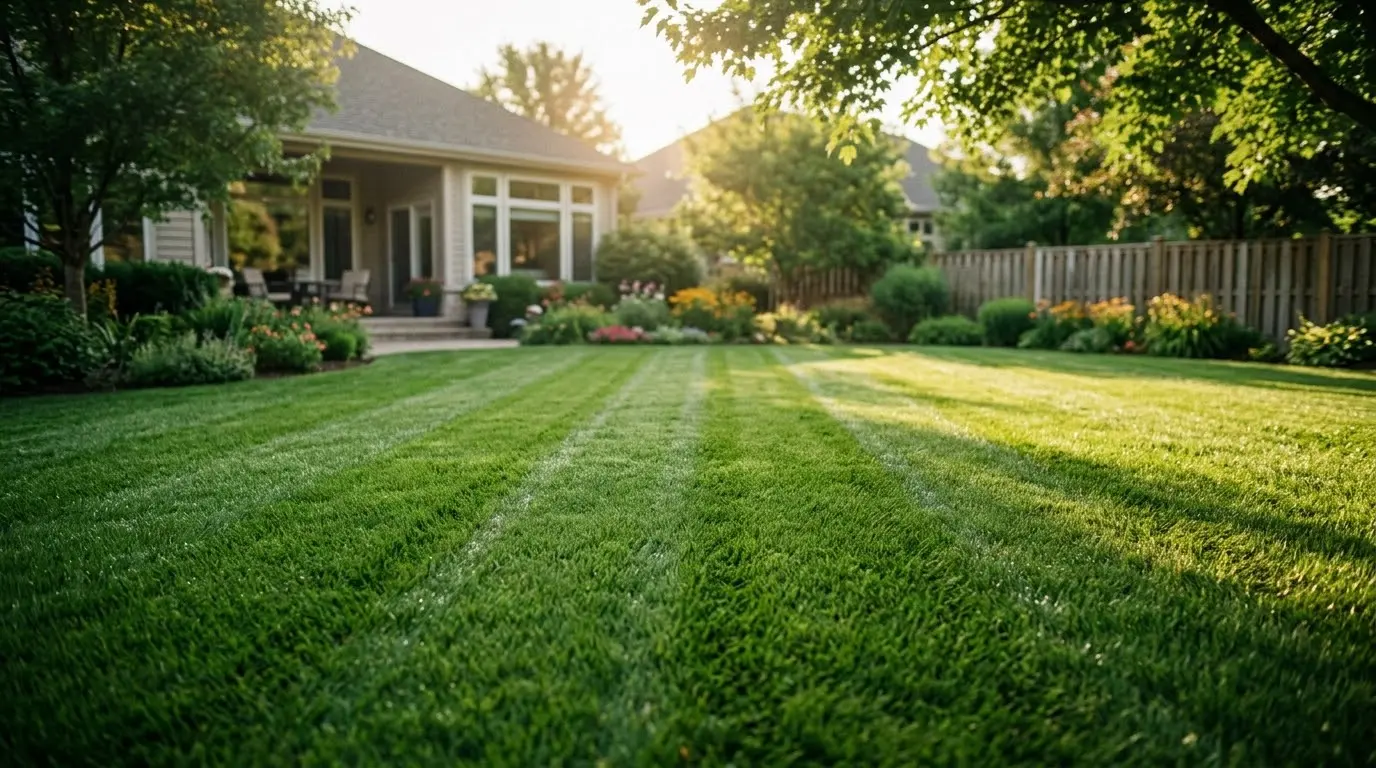
A lawn fertilizer schedule depends on the grass you grow. Cool-season lawns in the North get most of their feeding in fall, with a lighter feeding in late spring. Warm-season lawns in the South are fed from spring green-up through summer and left alone while dormant. In the transition zone between them, follow the schedule for the grass you actually have.
Most lawn calendars are written for one region and quietly assume everyone has the same grass. Since gardeners here already think in growing zones, this guide maps the schedule to the regions where each grass type grows, then explains the rules that change the timing.
Know your grass before the schedule
Lawn grasses fall into two groups. Cool-season grasses, such as Kentucky bluegrass, tall fescue, perennial ryegrass and fine fescue, grow most in spring and fall when temperatures are mild and slow down in summer heat. Warm-season grasses, such as Bermuda, zoysia, St. Augustine and centipede, green up in late spring, grow hardest in summer and go dormant and brown after the first frosts.
USDA hardiness zones are based on winter lows, not grass, but they line up roughly with these groups. Most lawns in zones 3 to 6 are cool-season, most in zones 8 to 10 are warm-season, and zone 7 and the edge of zone 6 form the transition zone, where both types grow and tall fescue and zoysia are common. Your lawn’s grass, not the zone number, decides the schedule.
Lawn fertilizer schedule by region
The table shows the usual fertilizer windows by region and grass type. Shift the timing a few weeks earlier or later with your local spring, and let soil temperature and grass growth, not the calendar date, make the final call.
| Region | Grass types | Early spring | Late spring | Summer | Fall |
| Cool-season north (roughly zones 3 to 6) | Bluegrass, tall fescue, ryegrass, fine fescue | Pre-emergent weed control; little or no fertilizer | Light feeding | Avoid feeding in heat | Main feeding in early fall, final feeding in late fall |
| Transition zone (roughly zones 6 to 7) | Tall fescue, zoysia, Bermuda | Pre-emergent; feed fescue lightly | Feed zoysia and Bermuda after green-up | Feed warm-season grass only | Feed fescue in early fall; stop warm-season grass before frost |
| Warm-season south (roughly zones 8 to 10) | Bermuda, zoysia, St. Augustine, centipede | Pre-emergent; wait for green-up | First feeding after full green-up | Regular feedings while growing | Last feeding several weeks before first frost; none in dormancy |
Cool-season lawn care calendar
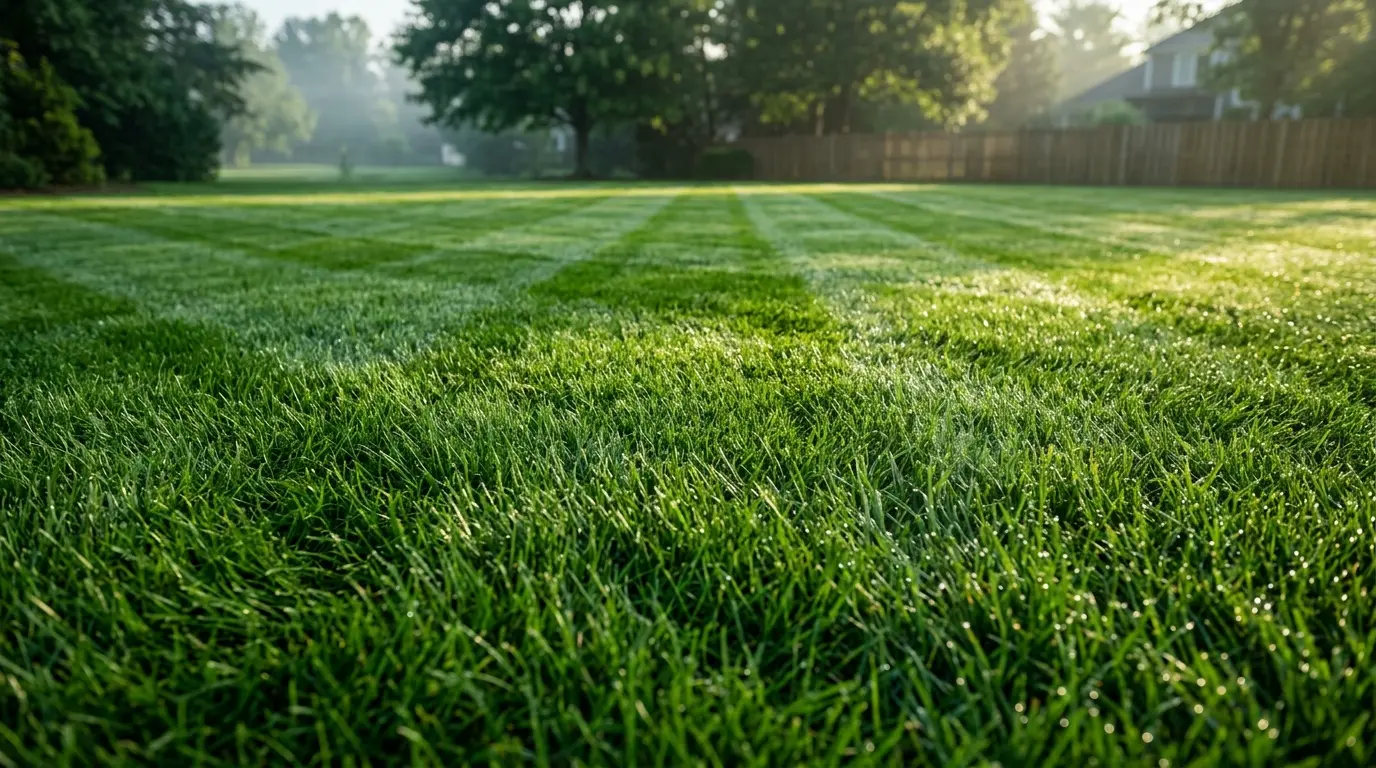
Early spring is for weed prevention more than feeding. Crabgrass pre-emergent works when it goes down before the soil warms to about 55°F, which in many areas happens around the time forsythia blooms. Fertilizing heavily in early spring pushes top growth at the expense of roots and feeds the weeds as well as the grass.
Late spring, after the first few mowings, is the time for a light feeding. In summer, cool-season grass slows down and some lawns go semi-dormant in heat and drought, so fertilizer then can stress or burn it. Fall is the main season. A feeding in early fall helps the lawn recover from summer, and a final feeding in late fall, while the grass is still green, builds roots and an early green-up next spring. Penn State Extension’s guide to lawn management through the seasons follows the same pattern for cool-season lawns.
Warm-season lawn care calendar
Warm-season grass should not be fertilized while it is dormant or just starting to green up. Wait until the lawn is fully green and actively growing, usually late spring, then feed it through the summer when it grows fastest. Stop feeding several weeks before your area’s average first frost, because late nitrogen can push tender growth that frost damages and can raise disease problems in winter.
Some warm-season grasses need much less fertilizer than others. Centipede grass, for example, grows best with light feedings and can decline if overfed, while Bermuda takes more. Check the needs of your specific grass before you set a schedule.
How much fertilizer and which kind
Start with a soil test from your state’s cooperative extension service. It shows the soil pH and whether your lawn needs phosphorus or potassium, which saves money and keeps unused nutrients out of streams. Several states restrict phosphorus in lawn fertilizer unless a soil test shows the lawn needs it, so check before you buy.
Nitrogen drives green growth, and extension guidance commonly limits a single application to about one pound of actual nitrogen per 1,000 square feet. Slow-release nitrogen feeds the lawn over weeks instead of days, which reduces the risk of burning the grass and of runoff after rain. On the bag, the three numbers are the percentages of nitrogen, phosphorus and potassium, and the label states how much to spread per 1,000 square feet.
Rules and timing mistakes to avoid
Do not fertilize right before a heavy rain, which washes nutrients off the lawn and into storm drains. Light rain or watering after application is helpful, because it moves the fertilizer into the soil. Do not fertilize drought-stressed or dormant grass, and sweep fertilizer off driveways and sidewalks back onto the lawn.
Local rules can override any calendar. Some Florida counties and cities ban nitrogen and phosphorus fertilizer during the summer rainy season to protect waterways, and other communities set their own limits. Check your city or county rules before you finalize the schedule.
How lawn care companies run the schedule
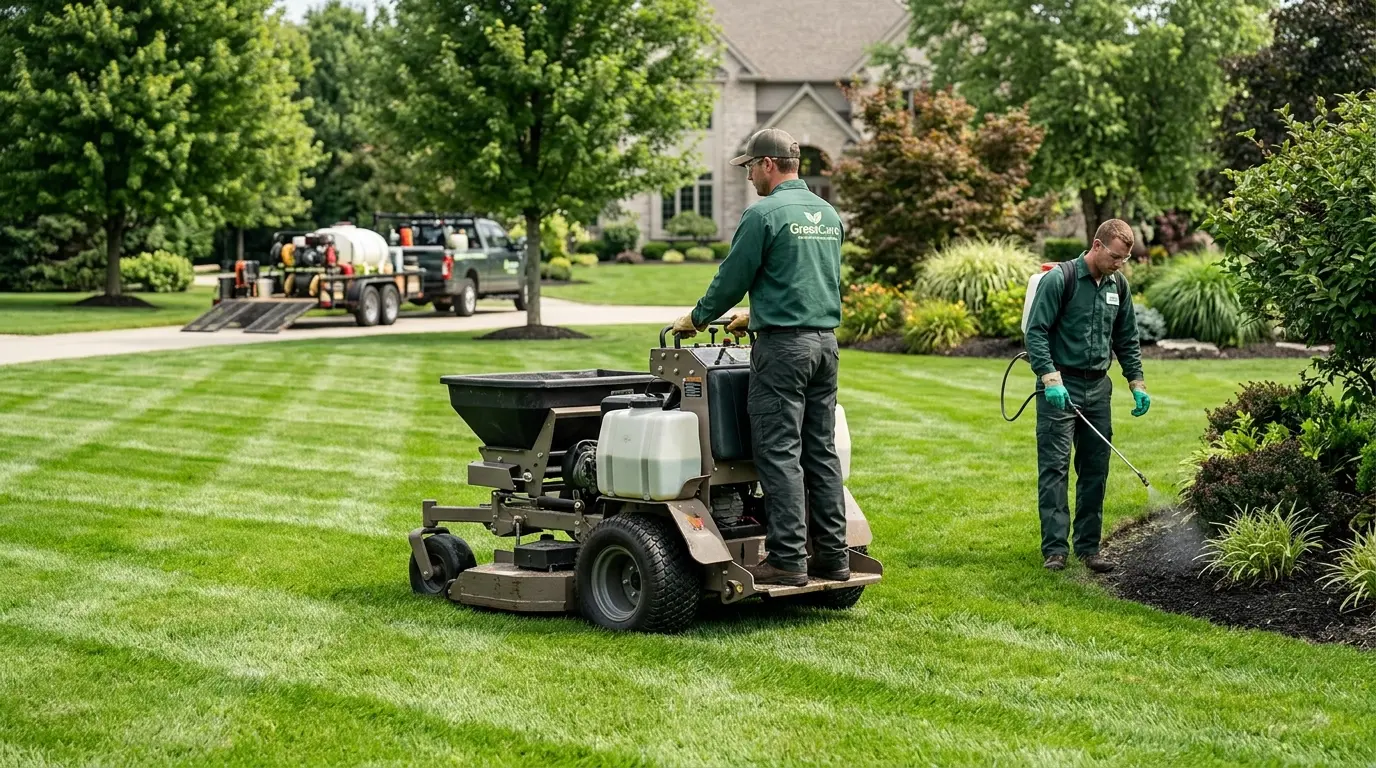
Lawn care companies turn this calendar into a program of rounds, with pre-emergent in early spring, feedings through the growing season, a fall round and often weed control and aeration in between. Customers usually sign up for the full season, and each round is scheduled for the week based on local conditions.
Billing follows the same rhythm. Some companies bill each round after it is applied, others spread the season into equal monthly payments, and many offer a prepay discount. That is a lot of small invoices for a busy season, so most companies use lawn care billing software that bills each round automatically when it is marked done.
If you would rather hire it out, look for a company that publishes its program, explains what each round includes and lists the grass types it services. Companies that explain their schedule clearly also tend to rank well locally, because clear, specific pages are the basis of lawn care SEO, and homeowners search exactly these questions every spring.
FAQ
How many times should I fertilize my lawn a year?
Most cool-season lawns do well with two to four feedings a year, weighted toward fall. Warm-season lawns usually get several feedings from late spring through summer. Your soil test, grass type and whether you leave clippings on the lawn change the right number.
What fertilizer should I put down in October?
For cool-season lawns, October is a good month for a fall feeding with a nitrogen fertilizer, applied while the grass is still green and growing. Warm-season lawns in most areas should not be fertilized in October, because they are heading into dormancy.
Should I fertilize before or after rain?
Fertilize before a light rain or water it in yourself, so the nutrients reach the soil. Avoid fertilizing right before heavy rain, which washes the fertilizer away.