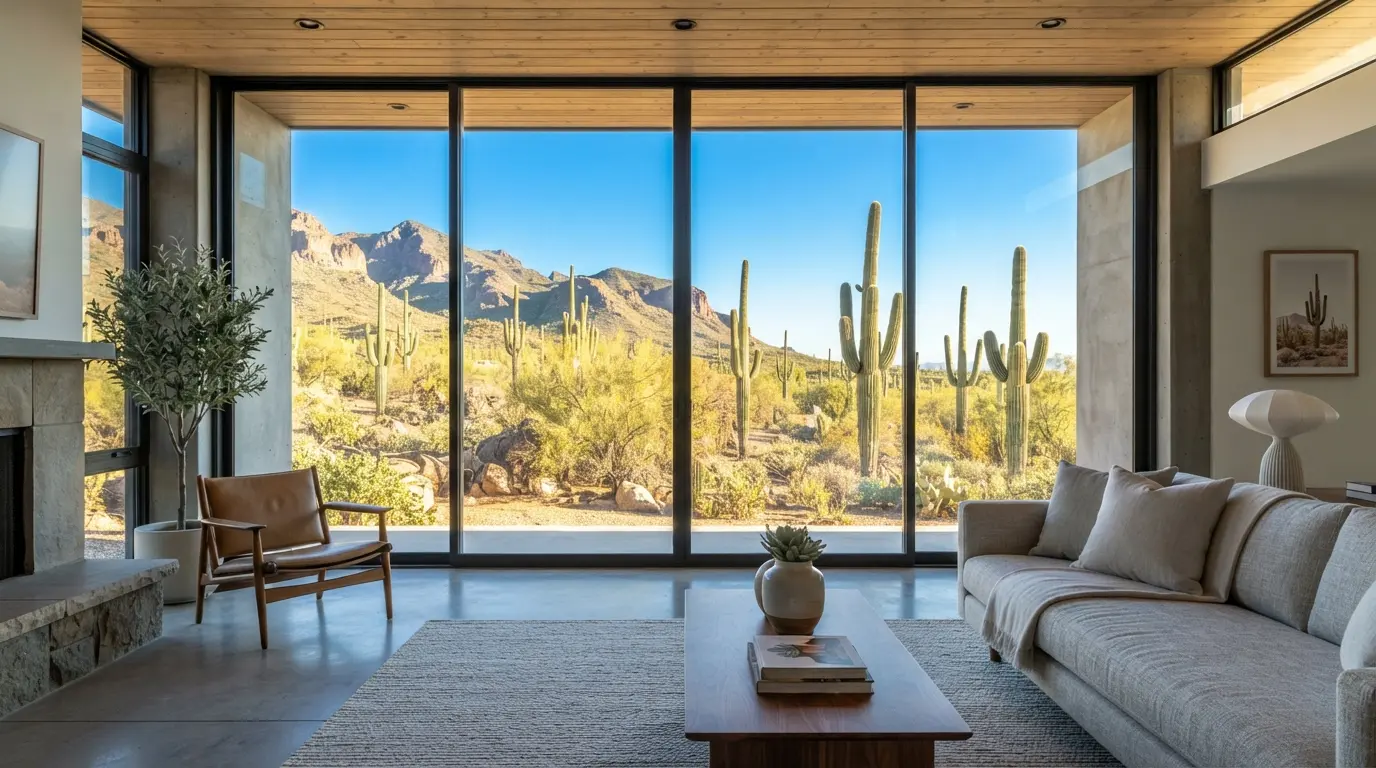
Windows shape how a Phoenix home feels day in and day out: the temperature indoors, how much natural light gets in, energy bills, dust, noise, and even how the place looks from the street. Once windows get old, damaged, or stop sealing the way they should, the whole house can start to feel harder to cool and less comfortable to live in.
Homeowners in milder climates can often let window problems slide for years. Phoenix isn’t as forgiving. Between the intense sun, the long stretch of hot months, dust storms, monsoon season, and the constant swing in daily temperatures, weak spots in older windows show up fast.
For a lot of homeowners, replacing windows isn’t just about looks. It’s about cutting drafts, keeping heat out, making windows easier to use, and picking products that actually hold up to Arizona conditions.
Why Windows Matter So Much in Phoenix Homes
Phoenix throws a tough combination at a home: heat, harsh sun, dry air, dust, and seasonal storms. A window that’s perfectly fine somewhere else might not cut it in the desert.
Older windows often let too much heat in, especially on walls that catch direct afternoon sun. Worn-out seals let dust and hot air seep through. Frames that have warped or cracked make windows tougher to open, close, and lock. And glass that was cutting-edge decades ago rarely insulates the way homeowners expect today.
Windows are some of the biggest openings in a home’s exterior, so when they stop sealing and insulating properly, the effects show up everywhere: rooms that don’t match each other in temperature, and a house that’s just harder to keep comfortable once summer really sets in.
Signs It May Be Time to Replace Your Windows
Window problems rarely show up overnight. Usually it starts small, maybe one room runs warmer than the rest of the house. From there, a window might get stubborn to open, the frame starts showing its age, or the glass takes on a foggy look.
Common signs that windows may need replacement include:
- Drafts near the frame
- Heat coming through the glass
- Fogging between panes
- Damaged seals
- Cracked or warped frames
- Windows that stick or will not stay open
- Trouble locking the window
- Dust entering around the edges
- Faded flooring or furniture from sun exposure
- Increased outside noise
- Condensation issues
- Outdated appearance
- Rising comfort or cooling concerns
Some of these can be fixed with a repair. But once the frame, glass, seals, and hardware are all showing wear at the same time, replacement usually makes more sense in the long run.
Heat Transfer Is One of the Biggest Concerns
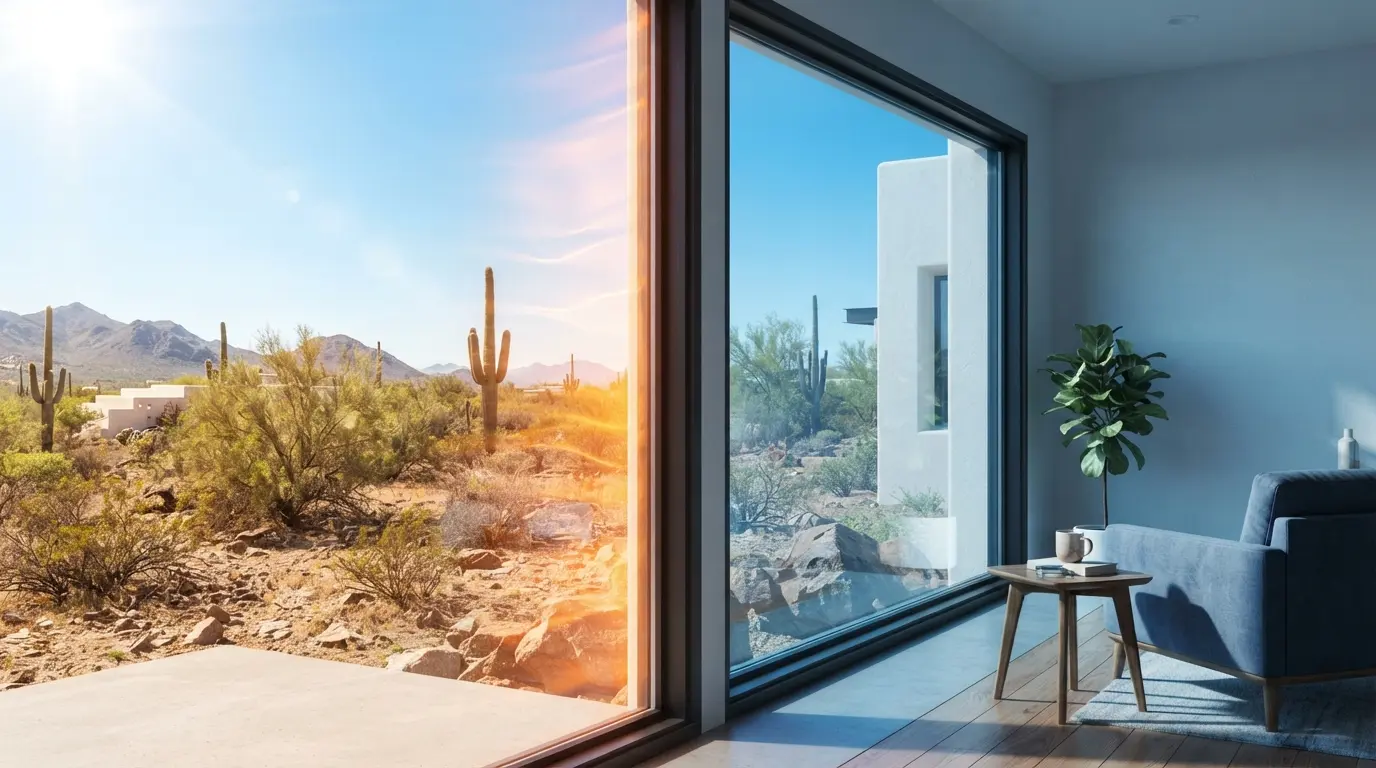
Heat transfer tops the list of reasons homeowners look into new windows. Phoenix summers push a lot of unwanted heat through glass that’s old or wasn’t built with insulation in mind.
Modern replacement windows may offer features designed to improve performance, such as:
- Dual-pane glass
- Low-E coatings
- Better frame materials
- Improved spacers
- Tighter seals
- Energy-efficient glass packages
- UV protection options
- Better weatherstripping
Get the right window in place, and you can cut down on outside heat without losing the natural light that makes a room feel good, something that matters a lot in living rooms, bedrooms, kitchens, and anywhere facing west that catches strong afternoon sun.
Comfort From Room to Room
Few things are as frustrating as a house where one room bakes in the afternoon while another stays perfectly fine. Sun exposure, the age of the windows, glass type, frame condition, and how well things are sealed all play a part.
Rooms that often show window-related comfort problems include:
- Bedrooms
- Living rooms
- Home offices
- Kitchens
- Dining areas
- Loft spaces
- Rooms with large glass openings
- West-facing rooms
- Rooms with older sliding windows
Swapping out the weaker windows tends to even things out. It’s less about fixing one problem opening and more about getting the whole house to feel balanced.
Dust and Air Leaks Should Not Be Ignored
Dust is a fact of life in Phoenix, and windows that don’t seal well only make it worse. If you’re wiping dust off the same sills and tracks not long after cleaning, there’s a good chance air is leaking through somewhere.
Air leaks can come from:
- Worn weatherstripping
- Old frames
- Poor installation
- Frame movement
- Damaged seals
- Gaps around the window unit
- Aging caulk or exterior sealing
Wherever air can slip through, heat and dust tend to follow right along with it. Properly installed new windows go a long way toward tightening that seal back up.
Window Materials Should Fit the Climate
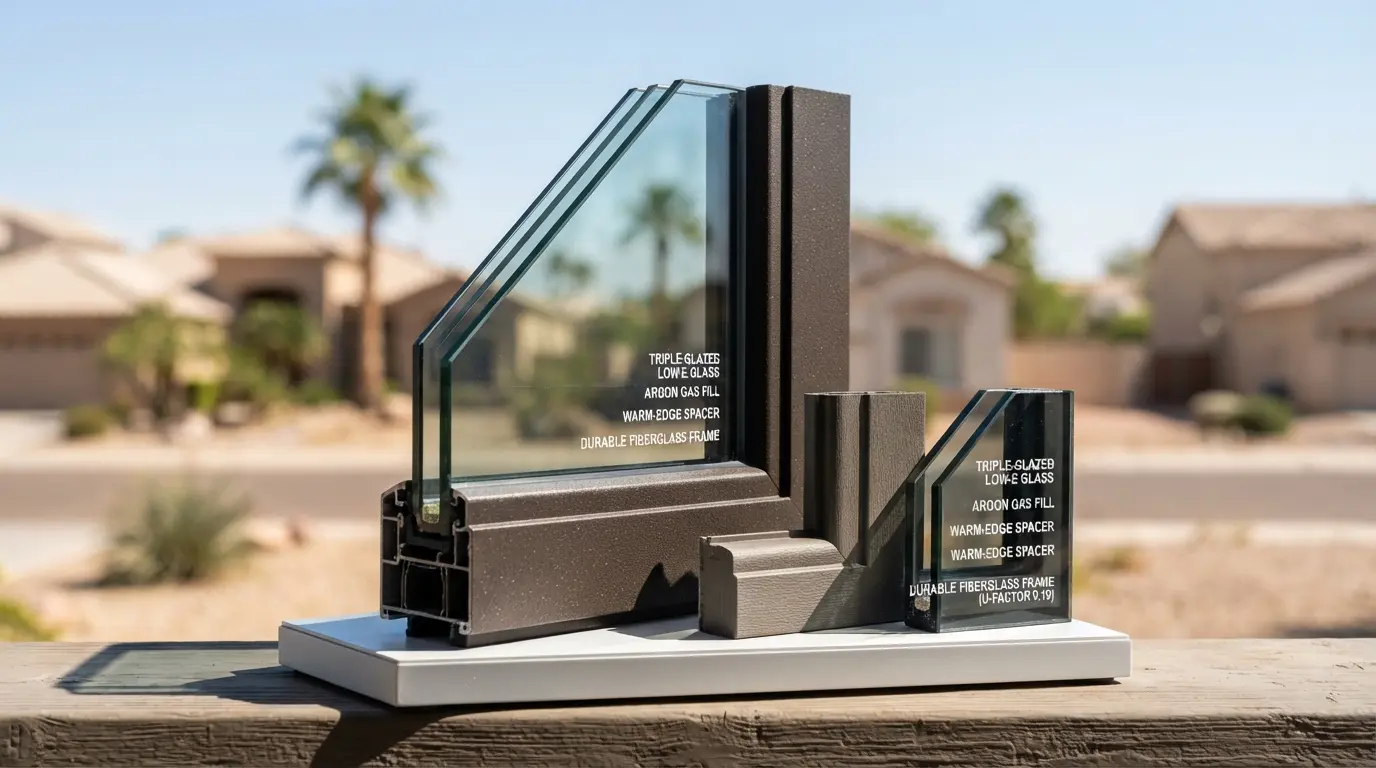
Picking replacement windows isn’t just about matching a look. The frame, the glass package, and how well the job gets installed all need to line up with the climate and what the homeowner actually wants out of the upgrade.
Common replacement window considerations include:
- Frame durability
- Maintenance needs
- Energy performance
- Appearance
- Glass options
- Warranty coverage
- Sun exposure
- Budget
- Home design
- Long-term performance
Vinyl tends to be the go-to for homeowners who want something practical and widely available. Others lean toward fiberglass, aluminum, or a specific manufacturer’s system, depending on what the project calls for. Really, the right pick comes down to the home itself, the opening you’re working with, the look you’re after, and how much performance you need out of it.
Natural Light and UV Protection
Natural light is one of the best things about a home, but Arizona sun brings its own set of trade-offs. Big windows let in plenty of light, but they can also drive up heat gain and fade furniture, flooring, artwork, and other finishes over time.
When replacing windows, homeowners should think about how each room uses light.
Important questions include:
- Does the window receive direct afternoon sun?
- Is glare a problem?
- Does the room get too hot?
- Is privacy important?
- Are furniture or flooring fading?
- Would a different glass option help?
- Is the goal more light, less heat, or both?
A solid window consultation walks through glass options based on how the home actually behaves, not just a spec sheet.
Operation and Security Matter Too
Windows need to open, close, and lock the way they’re supposed to. Once that stops happening reliably, it starts affecting airflow, safety, and everyday convenience.
Homeowners should pay attention to:
- Windows that are hard to open
- Locks that no longer align
- Sashes that do not stay in place
- Damaged screens
- Loose hardware
- Warped frames
- Broken glass
- Windows that rattle in wind
New windows tend to fix these usability and security issues outright, especially once the old ones have stopped working the way they were meant to.
Curb Appeal and Home Value
Windows say a lot about a home, both inside and out. Even a well-kept property can look tired if the windows are old, faded, mismatched, or damaged.
New windows can improve:
- Exterior appearance
- Interior brightness
- Architectural consistency
- Curb appeal
- Buyer perception
- Comfort during showings
- Overall home presentation
Homeowners staying put get better everyday comfort. Homeowners thinking about selling get a boost in both looks and function.
Installation Quality Is Just as Important as the Window
Even a top-tier window won’t perform well if it’s installed poorly. The install itself determines how well it seals, insulates, operates, and holds up against water over the years.
A proper installation should include:
- Accurate measurements
- Careful removal of the old window
- Frame inspection
- Correct placement
- Proper sealing
- Level and plumb installation
- Smooth operation testing
- Lock alignment
- Clean finishing
- Final review
Given everything Phoenix homes deal with (heat, dust, sun, and monsoon rain), the quality of the workmanship matters just as much as the product itself. It pays to vet the installer as carefully as the window brand.
Why Professional Consultation Helps
No two homes are quite alike. A house with big west-facing windows needs a different approach than a shaded home with smaller openings, and a homeowner swapping out one damaged window has different needs than someone tackling the whole house at once.
A professional consultation can help clarify:
- Which windows need replacement first
- Which rooms are most affected by heat
- What glass options make sense
- Which frame materials fit the project
- Whether all windows should be replaced at once
- What style options are available
- How installation will be handled
- What warranties apply
- What the project timeline may look like
For homeowners researching window replacement in Phoenix, a consultation can help turn a general idea into a practical plan based on the home’s actual conditions.
When Full-Home Window Replacement Makes Sense
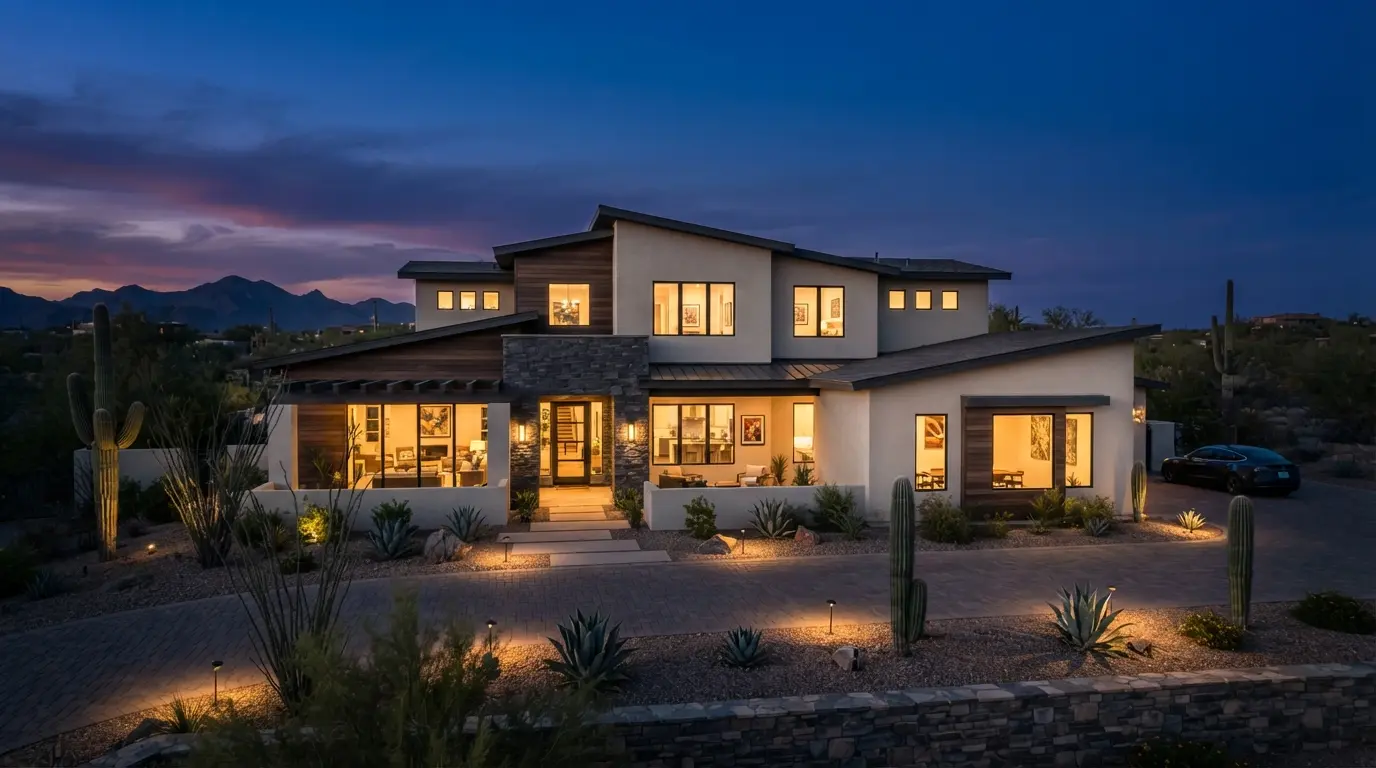
Some homeowners tackle windows one at a time; others go all in and replace everything at once. Both routes can make sense; it really comes down to the condition of the current windows, the budget, and what the project is meant to accomplish.
Full-home replacement may be worth considering when:
- Most windows are the same age.
- Several rooms feel too hot.
- Many windows have seal failure.
- The home has outdated single-pane windows.
- The homeowner wants a consistent appearance.
- Energy efficiency is a major goal.
- A remodel or exterior update is already planned.
- Multiple windows are difficult to open or lock.
Doing it all at once tends to give a home a more uniform look and consistent performance across the board. That said, tackling it in phases can be the smarter move when only certain rooms are giving trouble.
Questions to Ask Before Replacing Windows
Before signing on with a window company, it’s worth having a short list of questions ready.
Useful questions include:
- Which window material is best for my home?
- What glass package do you recommend for Phoenix heat?
- Are there options for reducing glare or UV exposure?
- Can the windows be customized?
- What brands do you install?
- How long does installation usually take?
- What warranties are included?
- Are you licensed, bonded, and insured?
- Will the old windows be removed and disposed of?
- How will the windows be sealed after installation?
A good contractor should be able to walk through all of this clearly and help you land on a decision you feel good about.
Phoenix Homes Need Windows Built for Real Conditions
Replacing windows isn’t just a cosmetic move. In Phoenix, it touches comfort, energy costs, dust, security, day-to-day usability, and how the house feels through every season.
Old windows can still look fine from across the room, but if they’re leaking air, letting heat pour in, refusing to lock, or making certain rooms miserable, they’re not doing their job anymore, no matter how they look.
For homeowners considering Phoenix window installation and replacement, the best results come from choosing the right products, matching the glass and frame to Arizona conditions, and working with installers who understand local homes.
AZ Valley Windows provides window and door replacement services in Phoenix and surrounding areas, including window installation, replacement windows, multiple window styles, energy-saving products, free in-home consultations, and options from well-known manufacturers.
A well-planned window replacement project can make a home more comfortable, cheaper to cool, and easier to enjoy through the hottest months and everything else Phoenix throws at it.