
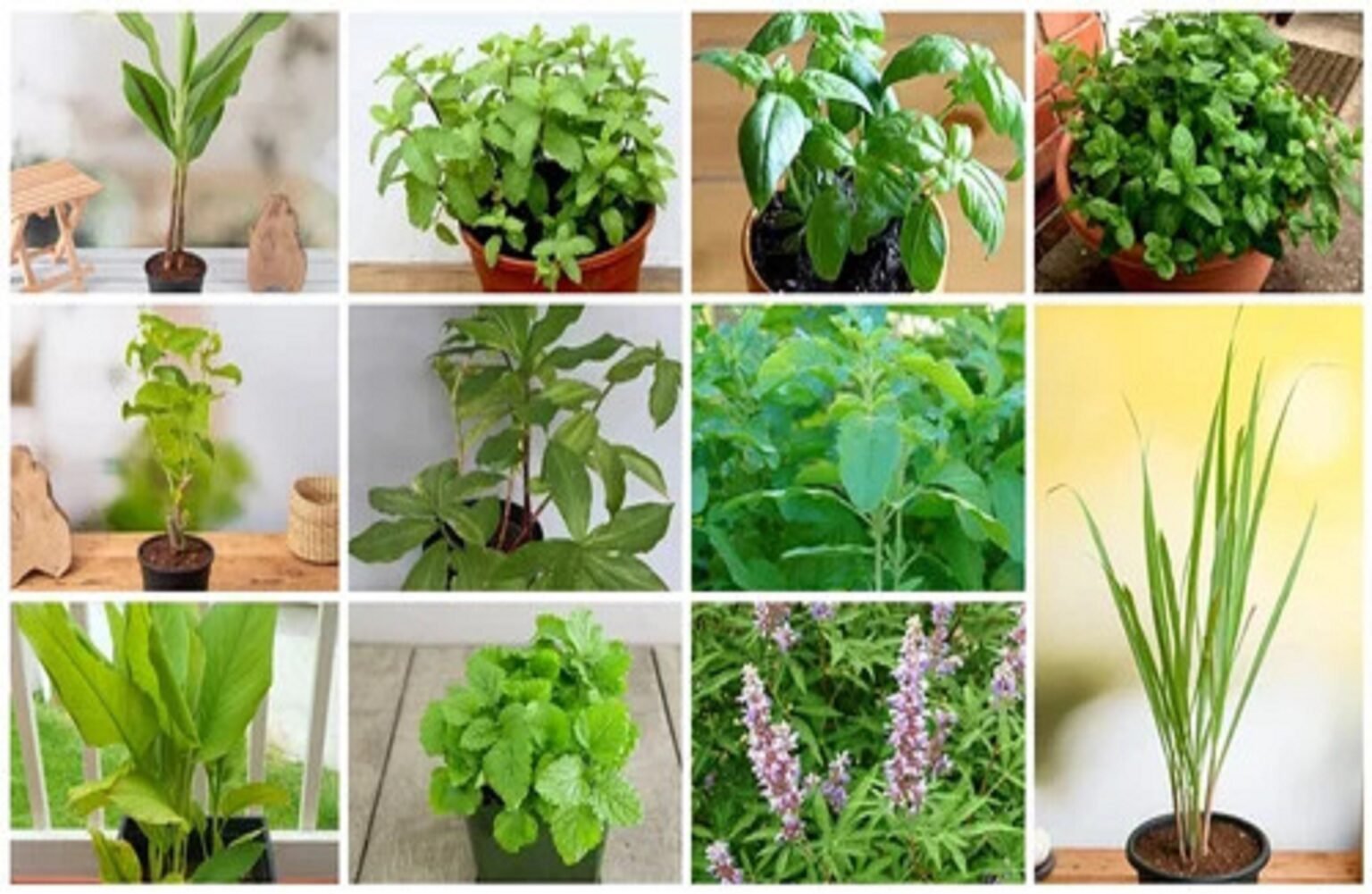
The top 10 medicinal plants are: Turmeric, Ginger, Aloe Vera, Tulsi (Holy Basil), Peppermint, Garlic, Echinacea, Lavender, Calendula, and Green Tea.
These plants have been used in Ayurveda, Traditional Chinese Medicine (TCM), and Western herbalism for thousands of years. Modern science now confirms their bioactive compounds — curcumin, gingerol, allicin, flavonoids, and polyphenols — deliver real, measurable health benefits.
This guide covers what each plant heals, how to use it, how to grow it, and the science behind it. All 10 are safe to grow at home, in containers or garden beds.
Note: Medicinal plants support health but are not a substitute for professional medical treatment. Consult a healthcare provider before using herbal remedies if you are pregnant, nursing, or on medication.
Why Medicinal Plants Still Matter in 2026
Over 80% of the world’s population relies on plant-based medicine as their primary healthcare, according to the World Health Organization (WHO). Even modern pharmaceuticals trace their roots to plants — aspirin derives from willow bark salicylic acid, morphine from the opium poppy, and vincristine (a cancer drug) from the periwinkle plant.
Today, interest in medicinal plants is growing faster than ever. Reasons include:
- Rising costs of synthetic medicines
- Growing resistance to antibiotics, pushing research toward plant-based antimicrobials
- Increased consumer demand for natural, side-effect-light alternatives
- Scientific validation of compounds like curcumin, gingerol, and allicin through clinical trials
The 10 plants below are backed by peer-reviewed research, not just traditional belief. Each one is accessible, affordable, and growable at home.
→ Explore ZonedGarden’s full Medicinal Herb Growing Guide for detailed how-to instructions.
1. Turmeric (Curcuma longa)
Primary use: Anti-inflammatory, joint pain, digestive health, antioxidant protection.
Turmeric is the most scientifically studied medicinal plant in the world. Its active compound curcumin — a yellow polyphenol found in the rhizome — inhibits NF-kB and COX-2 inflammatory pathways as effectively as ibuprofen in osteoarthritis trials, with far fewer side effects.
Turmeric has been used in Ayurvedic medicine since 250 BC. Susruta’s Ayurvedic Compendium documented turmeric ointments for treating poisoning and inflammation. Today, it’s the best-selling botanical dietary supplement in the United States.
Key Health Benefits
- Reduces joint pain and inflammation — a 2016 meta-analysis showed curcumin reduces inflammation markers by 20–30% at doses of 500–1,000 mg daily
- Supports liver function by enhancing bile production and toxin removal
- Shows neuroprotective effects — early research links curcumin to reduced Alzheimer’s markers
- Exhibits anti-cancer activity — curcumin isolates research across breast, colon, and prostate cancers
- Improves mood — clinical trials show benefits in mild depression comparable to some antidepressants
Bioavailability Note
Raw turmeric has poor bioavailability — less than 1% of curcumin reaches the bloodstream alone. Combine with black pepper (piperine increases bioavailability by 2,000%) and a healthy fat like coconut oil or olive oil for maximum absorption.
How to Use
- Golden milk: turmeric + warm milk + black pepper + honey
- Add 1 tsp (2–3 g) to rice, curries, soups, smoothies
- Supplements: 500–1,000 mg curcumin extract with piperine daily
How to Grow
- Climate: Tropical and subtropical; USDA zones 8–11
- Light: Partial to full sun — 4–6 hours daily
- Soil: Rich, well-draining, slightly acidic (pH 5.5–7.0)
- Water: Keep consistently moist; do not waterlog
- Harvest: 8–10 months after planting; dig rhizomes in autumn
→ ZonedGarden’s Turmeric Growing Guide — Containers, Soil & Harvest Tips
2. Ginger (Zingiber officinale)
Primary use: Nausea, digestion, inflammation, immunity, pain relief.
Ginger is one of the most versatile medicinal plants on earth. Its active compound gingerol — a powerful bioactive phenolic — gives ginger its heat and drives its anti-nausea, anti-inflammatory, and antimicrobial effects. It’s been used in TCM and Ayurveda for over 3,000 years.
Key Health Benefits
- Nausea and vomiting — the most evidence-backed use; 1–1.5 g ginger effectively reduces morning sickness and chemotherapy-induced nausea in clinical trials
- Digestive relief — accelerates gastric emptying, reduces indigestion and bloating
- Anti-inflammatory — gingerol inhibits the same inflammatory enzymes as NSAIDs
- Blood sugar regulation — studies show ginger reduces fasting blood glucose in type 2 diabetics
- Menstrual pain — 250 mg ginger powder 4x daily equals ibuprofen effectiveness for dysmenorrhea
How to Use
- Fresh ginger tea: slice 1-inch (2.5 cm) root into boiling water, steep 10 minutes
- Add fresh or powdered ginger to stir-fries, soups, curries, marinades
- Ginger shots: blend fresh ginger with lemon and water, strain and drink
- Supplements: 500–1,000 mg dried ginger extract for nausea
How to Grow
- Climate: Tropical; grows indoors in temperate zones
- Light: Bright indirect light; avoid harsh direct midday sun
- Soil: Rich, moist, well-draining potting mix
- Container: 12–16 inch (30–40 cm) deep pot — rhizomes spread horizontally
- Harvest: 8–10 months; young rhizomes at 4–5 months for milder flavour
→ Growing Ginger Indoors — Complete Container Guide on ZonedGarden
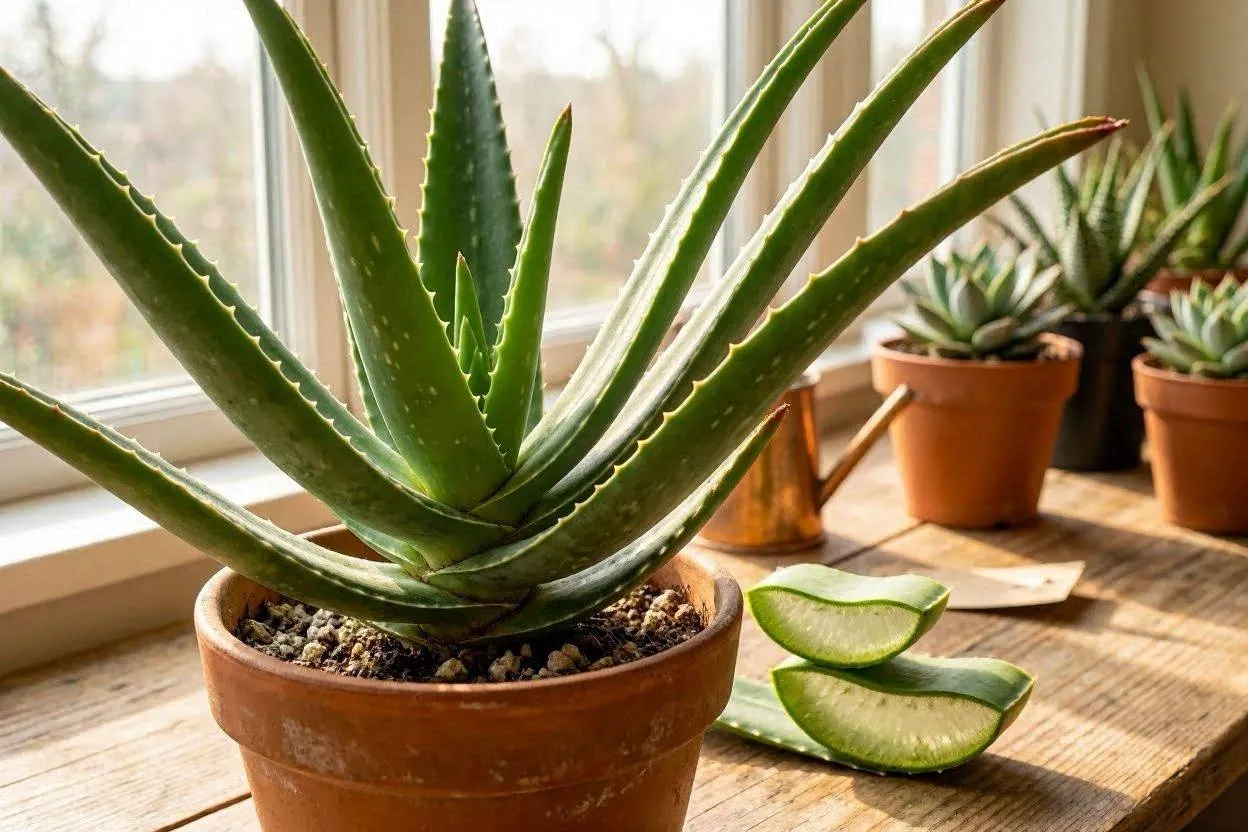
3. Aloe Vera (Aloe barbadensis miller)
Primary use: Skin healing, burns, wound care, digestion, antimicrobial.
Aloe vera is the world’s most widely used medicinal plant by households. Its clear gel — stored in 95% water content leaf pulp — contains polysaccharides, anthraquinones, vitamins C and E, and over 75 bioactive compounds. The gel soothes and heals on contact.
Key Health Benefits
- Burn and wound healing — gel accelerates epithelial cell regeneration; a 2016 review confirms faster healing times vs. petroleum jelly for first-degree burns
- Skin conditions — effective on psoriasis, eczema, and acne; reduces redness and inflammation
- Oral health — aloe vera mouthwash reduces plaque and gum inflammation as effectively as chlorhexidine
- Digestive health — aloe latex (the yellow sap beneath skin) acts as a laxative; use sparingly
- Antioxidant — vitamins C, E, and beta-carotene in gel combat oxidative stress
How to Use
- Topical: slice open a leaf, apply clear gel directly to burns, cuts, or irritated skin
- Face mask: mix fresh gel with honey for hydrating, anti-inflammatory skin treatment
- Aloe juice: 1–2 oz (30–60 ml) pure gel blended into water or juice for digestive support
- Avoid the yellow latex layer — it’s a strong laxative and can irritate the digestive tract
How to Grow
- Light: Bright indirect to direct morning sun — 6+ hours
- Water: Every 2–3 weeks; let soil dry completely between waterings
- Soil: Cactus or succulent mix with added perlite
- Pot: Terracotta with drainage holes — prevents root rot
- Propagation: Remove pups (offshoots) and repot independently
→ See ZonedGarden’s Complete Aloe Vera Care, Harvest & Uses Guide
4. Tulsi — Holy Basil (Ocimum tenuiflorum)
Primary use: Stress relief, immunity, respiratory health, adaptogen.
Tulsi is the most sacred medicinal plant in India, revered in Hinduism and central to Ayurvedic medicine for 3,000+ years. Modern science classifies it as an adaptogen — a plant that helps the body respond to physical, chemical, and psychological stress. It’s antimicrobial, anti-inflammatory, and immunomodulatory.
Key Health Benefits
- Adaptogenic — reduces cortisol levels and supports adrenal function under chronic stress
- Respiratory health — treats colds, coughs, asthma, bronchitis, and sinusitis; expectorant properties clear mucus
- Blood sugar regulation — mild antihyperglycemic effects; reduces fasting glucose in clinical studies
- Antimicrobial — active against E. coli, S. aureus, and several fungal species
- Mental clarity — improves cognitive function, focus, and memory; traditional use validated by 2012 Ayurvedic trials
How to Use
- Tulsi tea: steep 5–7 fresh leaves in boiling water for 5–10 minutes; drink 2–3 cups daily
- Fresh leaves: chew 4–5 leaves on an empty stomach each morning
- Add fresh leaves to soups, salads, and herbal teas for flavour and immunity
- Tincture or capsule extract: 300–600 mg daily for adaptogenic benefits
How to Grow
- Light: Full sun — minimum 6 hours direct sun daily
- Water: Regular watering; keep soil moist but not waterlogged
- Temperature: Prefers 65–85°F (18–29°C); frost-sensitive — grow indoors in cold climates
- Harvest: Pinch leaves regularly; pinch off flower spikes to extend leaf production
- Pot size: 8–10 inch (20–25 cm) containers work well
→ Growing Tulsi at Home — Sunlight, Soil & Harvest Tips on ZonedGarden
5. Peppermint (Mentha × piperita)
Primary use: Digestion, headaches, IBS, respiratory congestion, focus.
Peppermint is a natural hybrid of watermint and spearmint. Its active compound menthol — a cyclic terpene alcohol — creates the characteristic cooling sensation that drives its analgesic, antispasmodic, and decongestant effects. It’s one of the most widely consumed medicinal herbs globally.
Key Health Benefits
- Irritable Bowel Syndrome (IBS) — enteric-coated peppermint oil capsules reduce IBS symptoms in 40–79% of patients in randomised controlled trials; the strongest natural IBS remedy available
- Digestive comfort — relaxes smooth muscle in the gastrointestinal tract, reducing bloating, gas, and cramps
- Tension headaches — topical peppermint oil on the forehead reduces headache intensity equal to 1,000 mg paracetamol
- Decongestant — menthol opens nasal passages and improves breathing in cold and sinus congestion
- Cognitive enhancement — inhaling peppermint aroma improves alertness, memory, and sustained attention
How to Use
- Peppermint tea: steep 5–6 fresh leaves or 1 tsp dried leaves in boiling water for 5–7 minutes
- Headache relief: dilute 2 drops peppermint essential oil in 1 tsp (5 ml) carrier oil; apply to temples
- IBS: 0.2–0.4 ml enteric-coated peppermint oil capsules 3x daily (consult a doctor)
- Steam inhalation: add 3–5 drops oil to hot water bowl; inhale steam for 5–10 minutes
How to Grow
- Light: Full sun to partial shade — 4–6 hours
- Water: Keep soil consistently moist; peppermint is thirsty
- Spread: Aggressive spreader — always grow in containers to prevent takeover
- Harvest: Cut stems before flowering for peak oil content; harvest frequently
- Pot: Any 6–8 inch (15–20 cm) container; repot annually
→ Peppermint Varieties, Growing & Harvesting Guide on ZonedGarden
6. Garlic (Allium sativum)
Primary use: Cardiovascular health, immunity, antimicrobial, blood pressure.
Garlic is humanity’s oldest medicinal plant — documented in Egyptian papyri from 1550 BC as treatment for 22 ailments. Its active compound allicin — formed when garlic is crushed or chopped — is one of nature’s most potent antimicrobial and cardioprotective agents.
Key Health Benefits
- Cardiovascular protection — reduces total cholesterol by 10–15% and LDL cholesterol; reduces blood pressure in hypertensive patients by 8–10 mmHg systolic
- Antimicrobial — allicin is active against bacteria (including MRSA), fungi, and viruses; supports antibiotic therapy
- Immune boost — stimulates natural killer cells, macrophages, and T-cell production; reduces cold frequency by 63% in clinical trials
- Anti-cancer — epidemiological studies link regular garlic consumption to reduced risk of stomach and colorectal cancer
- Detoxification — high-dose garlic supplements reduce heavy metal toxicity (lead) in the body
How to Use
- Raw garlic: 1–2 crushed cloves daily (crush, wait 10 minutes, then eat to maximise allicin formation)
- Add to cooking — though heat reduces allicin, other beneficial sulfur compounds remain
- Garlic honey: infuse 4–5 crushed cloves in raw honey for 1 week; take 1 tsp daily for immunity
- Supplements: aged garlic extract 600–1,200 mg daily for cardiovascular benefits
How to Grow
- Season: Plant in autumn for summer harvest; or spring for smaller bulbs
- Light: Full sun — 6–8 hours minimum
- Soil: Rich, well-draining, slightly sandy loam; pH 6.0–7.0
- Depth: Plant cloves 2 inches (5 cm) deep, 6 inches (15 cm) apart, pointed end up
- Harvest: When bottom 3–4 leaves turn yellow; cure bulbs for 3–4 weeks in dry air
→ Garlic Growing Guide — Planting, Curing & Storage on ZonedGarden
7. Echinacea (Echinacea purpurea)
Primary use: Immune system support, cold and flu prevention, wound healing.
Echinacea is North America’s most popular herbal supplement. Native American tribes used it for 400+ years for infections, snakebites, and wound healing before European settlers adopted it. Its polysaccharides and alkylamides activate the immune system’s macrophage and natural killer cell activity.
Key Health Benefits
- Cold and flu prevention — a 2015 meta-analysis of 24 trials shows echinacea reduces cold incidence by 10–58% and duration by 1–4 days
- Immune stimulation — increases white blood cell count and phagocytic activity; effects visible within 24 hours of taking extract
- Wound healing — topical echinacea preparations accelerate healing of minor wounds, burns, and skin infections
- Anti-inflammatory — alkylamides in echinacea inhibit cyclooxygenase and 5-lipoxygenase pathways
- Upper respiratory infections — reduces severity of symptoms including sore throat, congestion, and fever
How to Use
- Tea: steep 1–2 tsp dried echinacea (leaves, flowers, or root) in boiling water for 10–15 minutes; drink 3x daily during illness
- Tincture: 2.5 ml echinacea tincture 3x daily at onset of cold symptoms
- Capsules: 300–500 mg dried extract 3x daily; don’t use continuously for more than 8–10 weeks
- Topical: echinacea cream or gel for wound healing and skin infections
How to Grow
- Light: Full sun — 6–8 hours; tolerates light shade
- Soil: Average to poor soil; excellent drainage required
- Water: Drought-tolerant once established; water weekly the first year
- Bloom: Striking pink-purple coneflowers appear in year 2; roots ready for harvest in years 3–4
- Self-seeds: Allow flower heads to dry on the plant — goldfinches love the seeds
→ Growing Echinacea at Home — From Seed to Medicine on ZonedGarden
8. Lavender (Lavandula angustifolia)
Primary use: Anxiety, sleep, stress, headaches, antiseptic skin care.
Lavender is the world’s most-studied aromatic medicinal plant. Its essential oil — primarily linalool and linalyl acetate — acts on the central nervous system, modulating GABA receptors to produce anxiolytic and sedative effects. It’s simultaneously ornamental, aromatic, and therapeutic.
Key Health Benefits
- Anxiety and stress — oral lavender oil (Silexan, 80 mg daily) reduces generalised anxiety disorder symptoms comparably to lorazepam in randomised trials; without addiction risk
- Sleep quality — lavender aromatherapy increases slow-wave sleep, reduces nighttime waking, and improves sleep quality scores by 20% in clinical studies
- Headache relief — inhaling lavender essential oil for 15 minutes reduces migraine severity by 71% in a 2012 Iranian clinical trial
- Antiseptic — linalool is active against Staphylococcus aureus, E. coli, and Candida albicans
- Mood enhancement — analgesic and antidepressant properties; reduces postpartum and hospital-based anxiety
How to Use
- Aromatherapy: 3–5 drops lavender oil in a diffuser for anxiety and sleep
- Pillow spray: 5 drops lavender oil in 100 ml water; spray pillow before sleep
- Lavender tea: 1–2 tsp dried flowers steeped 10 minutes; calming bedtime drink
- Topical: dilute 2 drops essential oil in 1 tsp (5 ml) carrier oil for headache or insect bites
- Bath: 8–10 drops essential oil in warm bath water for stress relief
How to Grow
- Light: Full sun — minimum 6 hours daily; needs sun to produce fragrant oils
- Soil: Well-draining, sandy or gravelly; pH 6.5–7.5 — do not add compost
- Water: Drought-tolerant; water deeply but infrequently once established
- Pruning: Cut back by one-third after flowering to prevent woody base
- Harvest: Cut stems just before flowers fully open for peak oil concentration
→ Lavender Growing, Drying & Essential Oil Use Guide on ZonedGarden
9. Calendula (Calendula officinalis)
Primary use: Skin healing, wounds, anti-inflammatory, antifungal, gastric health.
Calendula — also called pot marigold — is one of history’s most trusted wound-healing plants. Its bright orange and yellow flower petals contain triterpenoids, flavonoids, and polysaccharides that deliver potent anti-inflammatory, antifungal, and tissue-regenerating effects. It’s the cornerstone herb of natural first aid.
Key Health Benefits
- Wound and burn healing — calendula cream accelerates epithelial tissue regeneration; clinical trials confirm faster healing of surgical wounds, cuts, and radiation burns vs. petroleum jelly
- Skin conditions — reduces eczema, contact dermatitis, and dry skin inflammation; safe for infant nappy rash
- Antifungal — active against Candida albicans and common skin fungi in lab and clinical settings
- Gastric health — anti-inflammatory effects benefit gastritis, peptic ulcers, and colitis when taken as tea or tincture
- Liver support — choleretic (bile-stimulating) properties support liver detoxification
How to Use
- Topical cream or salve: apply calendula-infused cream to wounds, burns, rashes, or dry skin 2–3x daily
- Calendula tea: steep 1–2 tbsp dried flower petals in boiling water for 10–15 minutes; drink for gastric issues
- Oil infusion: pack dried petals in olive oil, leave in warm place for 4–6 weeks, strain; use as skin oil
- Tincture: 2–4 ml calendula tincture in water 3x daily for internal anti-inflammatory use
- Culinary: fresh petals in salads, rice, or soups add colour and mild flavour
How to Grow
- Light: Full sun — 6+ hours; will tolerate partial shade
- Soil: Average, well-draining garden soil; too-rich soil reduces flower yield
- Water: Moderate; keep soil moist but not waterlogged
- Sow: Directly outdoors after last frost, or 6 weeks indoors before frost
- Harvest: Pick flowers every 2–3 days to extend the blooming season all summer
→ Calendula Growing, Harvesting & Making Salve at Home — ZonedGarden Guide
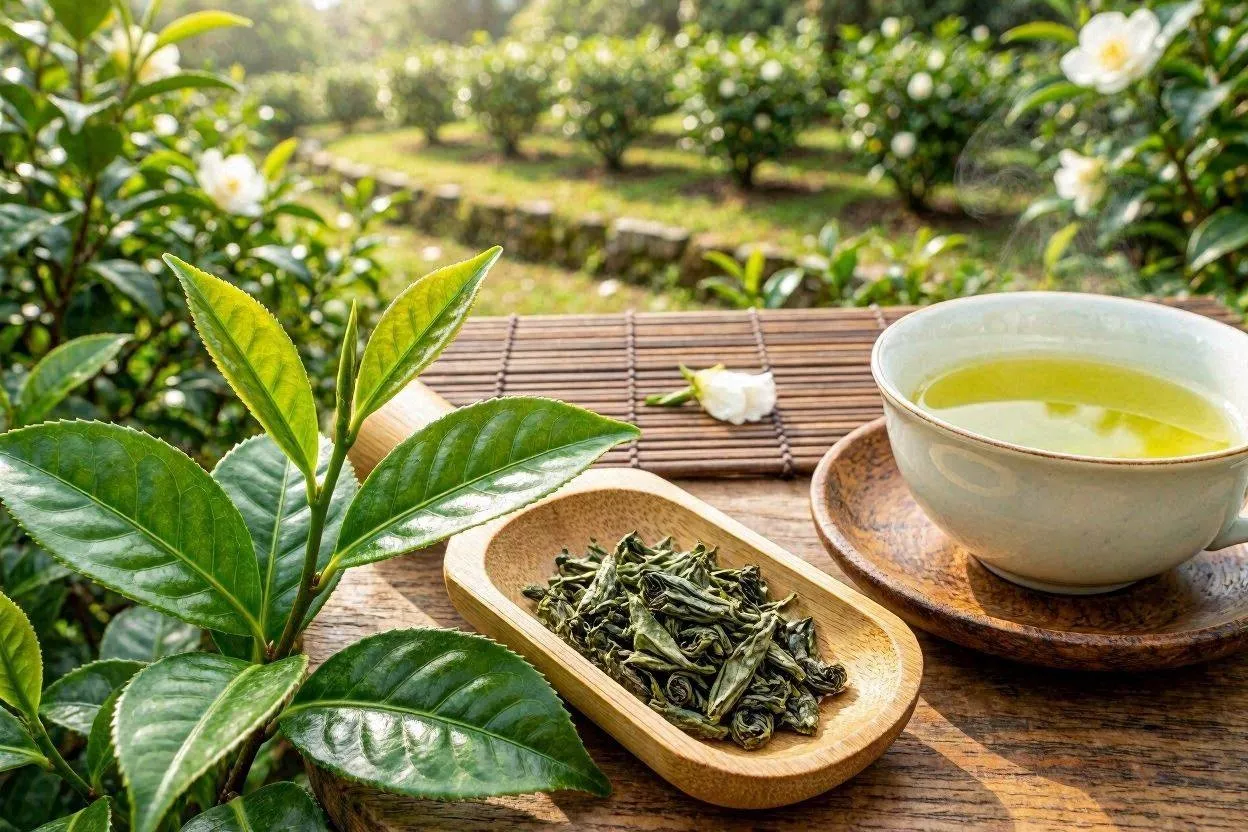
10. Green Tea (Camellia sinensis)
Primary use: Antioxidant protection, brain health, metabolism, heart health, longevity.
Green tea is the world’s most consumed medicinal beverage and one of the most extensively studied plants in medical literature. Its primary bioactive compounds — catechins (especially EGCG, epigallocatechin gallate) and L-theanine — deliver both immediate and long-term health benefits through antioxidant and neuroprotective mechanisms.
Key Health Benefits
- Antioxidant powerhouse — EGCG is one of nature’s most potent antioxidants; neutralises free radicals and reduces oxidative DNA damage
- Brain health — L-theanine crosses the blood-brain barrier, increases alpha brain waves, and produces calm alertness without sedation; synergises with caffeine for focused energy
- Cardiovascular protection — regular green tea consumption linked to 31% lower risk of cardiovascular disease in Japanese population studies
- Metabolism and weight — catechins increase fat oxidation by 17% and metabolic rate by 3–4% in short-term trials
- Cancer prevention — epidemiological evidence links green tea consumption to lower risks of breast, prostate, and colorectal cancers; lab research confirms EGCG inhibits cancer cell proliferation
- Blood sugar regulation — improves insulin sensitivity and reduces fasting blood glucose
How to Use
- Tea: steep 1 tsp (2–3 g) loose leaves or 1 bag in water at 160–180°F (70–80°C) for 2–3 minutes; avoid boiling water which destroys catechins
- 2–3 cups daily for general health benefits; 4–5 cups for therapeutic effects
- Matcha: powdered whole green tea leaf; 1 tsp (2–3 g) in warm milk or water provides 3x the catechins of brewed tea
- EGCG supplement: 250–500 mg green tea extract daily for concentrated antioxidant effect
How to Grow
- Climate: Zones 7–9; grows well in subtropical regions; container-grown indoors in colder climates
- Light: Partial shade to full sun — morning sun with afternoon shade ideal
- Soil: Acidic, well-draining; pH 4.5–6.0 — use ericaceous compost
- Water: Regular, consistent moisture; do not let roots dry out
- Harvest: Pick the top 2 leaves and a bud for green tea; new growth appears every 7–14 days
→ Growing Your Own Green Tea Plant — Harvest & Processing Guide on ZonedGarden
Quick Reference: Top 10 Medicinal Plants at a Glance
| Plant | Part Used | Primary Benefit | Active Compound | Grow At Home | Ease |
|---|---|---|---|---|---|
| Turmeric | Rhizome | Anti-inflammatory, joints | Curcumin | Yes | Moderate |
| Ginger | Rhizome | Nausea, digestion | Gingerol | Yes | Easy |
| Aloe Vera | Leaf gel | Skin healing, burns | Polysaccharides | Yes | Easy |
| Tulsi | Leaves | Stress, immunity, lungs | Eugenol, Ursolic acid | Yes | Easy |
| Peppermint | Leaves | IBS, digestion, headache | Menthol | Yes | Easy |
| Garlic | Bulb cloves | Heart, immunity, antimicrobial | Allicin | Yes | Easy |
| Echinacea | Whole plant | Cold prevention, immunity | Alkylamides | Yes | Moderate |
| Lavender | Flowers/oil | Anxiety, sleep, antiseptic | Linalool | Yes | Easy |
| Calendula | Flowers | Wound healing, skin care | Triterpenoids | Yes | Easy |
| Green Tea | Leaves | Antioxidant, heart, brain | EGCG, L-theanine | Yes | Moderate |
5 Essential Tips for Growing Medicinal Plants at Home

1. Grow in Containers for Control
Most medicinal herbs — especially peppermint, ginger, and turmeric — spread aggressively or need specific soil conditions. Containers give you control over soil quality, drainage, and spreading. Use terracotta pots for moisture-sensitive plants and plastic for moisture-loving ones like ginger.
2. Harvest Before Flowering for Maximum Potency
Medicinal compound concentration peaks just before a plant flowers. Harvest tulsi, peppermint, and calendula leaves and flowers at bud stage, not full bloom, for the highest active compound content. Post-flowering leaves and stems have significantly less potency.
3. Dry Properly to Preserve Active Compounds
Hang harvested stems upside down in small bundles in a warm, dark, ventilated space. Darkness prevents UV degradation of volatile oils and flavonoids. Drying time: 1–2 weeks for leaves, 3–4 weeks for roots. Store in airtight glass jars away from light.
4. Never Skip Soil Drainage
Root rot destroys medicinal plants faster than any disease. Every container needs drainage holes. Mix in perlite or coarse sand (25–30% by volume) for turmeric, ginger, lavender, and echinacea. Wet, compacted soil kills root-based medicinal plants in days.
5. Start with 3 — Not 10
Grow Aloe Vera, Tulsi, and Peppermint first. All 3 are fast-growing, forgiving, and immediately useful. Master their care in 3–6 months, then expand to ginger, turmeric, and lavender. Building gradually produces better plants than growing 10 mediocre ones simultaneously.
→ ZonedGarden’s Beginner Medicinal Herb Starter Kit — Which 3 Plants to Start With
Frequently Asked Questions
Which medicinal plant has the most scientific evidence behind it?
Turmeric (Curcuma longa) has the most scientific backing — over 12,000 peer-reviewed studies on curcumin, its active compound. It leads all medicinal plants in clinical trial volume, particularly for inflammatory conditions, digestive health, and neuroprotection.
What is the easiest medicinal plant to grow indoors?
Aloe Vera is the easiest — drought-tolerant, slow-growing, and requires only a sunny window and water every 2–3 weeks. Peppermint and Tulsi are close runners-up for ease and daily utility.
Which medicinal plants are safe for children?
Ginger (mild doses for nausea), Peppermint tea (children over 2 years, diluted), Aloe Vera gel (topical use), and Calendula cream are generally safe for children. Avoid Echinacea for children under 12 and Tulsi supplements for children without medical guidance. Always consult a paediatrician first.
Can medicinal plants replace prescribed medicines?
No. Medicinal plants complement medical treatment — they are not replacements. For chronic conditions, acute infections, or diagnosed diseases, consult a qualified healthcare provider. Several plants, including garlic and ginger, interact with blood-thinning medications (warfarin). Always disclose herbal use to your doctor.
How long before medicinal plants show health benefits?
Results vary by plant and condition. Peppermint oil shows IBS relief within 1–2 weeks. Garlic requires 8–12 weeks for measurable cholesterol improvements. Turmeric needs 4–8 weeks for anti-inflammatory effects at therapeutic doses. Lavender aromatherapy shows anxiolytic effects within minutes.
What is the most powerful natural antibiotic plant?
Garlic has the strongest documented antimicrobial evidence — allicin is active against over 23 bacterial species including MRSA. Echinacea, Tulsi, and Calendula also demonstrate antimicrobial activity in laboratory settings. None replace prescribed antibiotics for serious bacterial infections.
Medical Disclaimer
The information in this article is for educational purposes only and does not constitute medical advice. Medicinal plants can interact with prescription medications and may not be suitable for everyone. Pregnant women, nursing mothers, and people on prescription medications should consult a healthcare professional before using any herbal remedy. ZonedGarden.com recommends using medicinal plants as complementary wellness tools alongside — not instead of — qualified medical care.