Most landscape projects don’t fall apart on installation day. They fall apart weeks earlier, when a contractor finds out the trees they specced aren’t actually available in the quantity or size they need. Sourcing is the unglamorous part of the job, but it’s usually the part that determines whether a project finishes on time or limps along waiting on inventory. Tree Source has built its business around solving exactly that problem. As a wholesale plant sourcing partner serving the Intermountain West, they source and supply plant material through a wide network of professional growers, and back it up with direct shipping, logistics coordination, rewholesale service centers, and hands-on project support — the kind of infrastructure that lets landscapers, contractors, and commercial projects get materials efficiently, with delivery they can actually count on.
Sourcing Is Harder Than It Looks From the Outside
If you’re not in the industry, buying trees and shrubs sounds like a simple errand — pick a plant, place an order, wait for the truck. It isn’t. Sourcing plant material for a commercial job, or anything at real scale, means dealing with a supply chain that shifts constantly.
Availability moves with the seasons and with the region. A caliper of shade tree that’s easy to find in April can be gone by July. Some varieties are only grown by a handful of nurseries in the entire region, and good luck finding them on short notice. And commercial jobs usually need volume — dozens or hundreds of matching plants, not the one-off inventory a retail garden center keeps on hand.
For contractors, this isn’t a side errand tacked onto the job. It’s part of running the project. Miss a shipment, or get stuck substituting a variety at the last minute, and suddenly the installation schedule and the design intent are both in trouble.
Why a Grower Network Matters
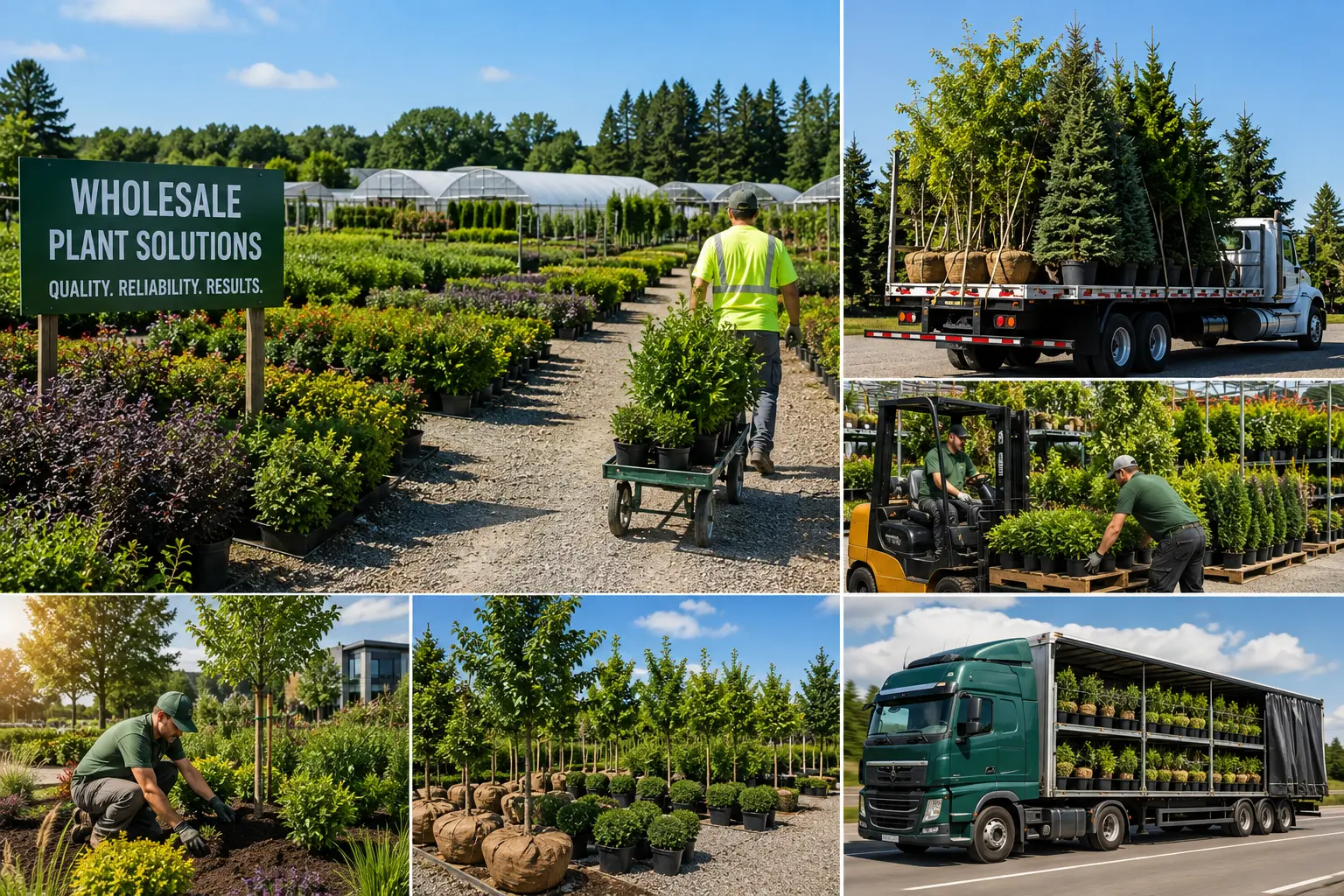
This is the reason working through an established nursery network beats calling around to individual growers one by one. Instead of chasing down five or six separate suppliers, contractors get one point of contact who already has those relationships in place.
A network like that gives you a few things you can’t easily get on your own: a wider range of species, sizes, and quantities than any single farm could stock; a backup plan when one grower runs out of something; quality that’s been vetted over time rather than a gamble on an unfamiliar source; and pricing that reflects real wholesale volume instead of retail markup.
It’s the model Tree Source runs on. They carry more than a million plants across over a thousand varieties, drawing on a regional network of 50-plus grower partners. In practice, that means a landscape professional isn’t juggling a dozen supplier relationships — they’re working with one team that already has.
The Logistics Piece Nobody Talks About Until It Goes Wrong
Finding the plant is only half the job. Getting it to the site in good shape, on schedule, is the other half — and it’s a different problem entirely. Plant material is perishable and awkward to move, which makes it a poor fit for standard freight logistics.
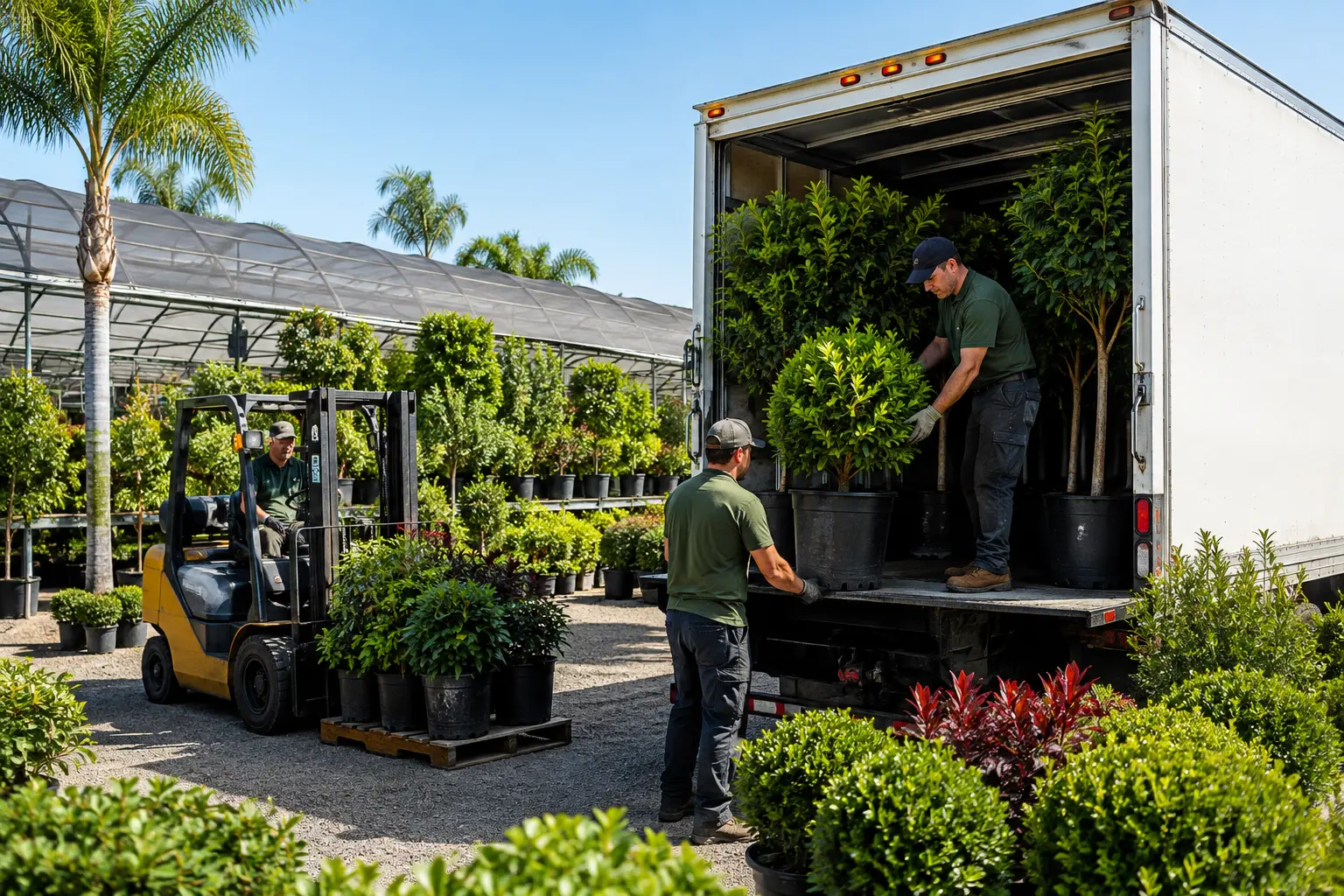
Doing this well means shipping direct from farm to job site rather than routing through extra handling. It means coordinating routes and delivery timing across multiple sites, especially on phased projects. It means consolidating loads so a contractor isn’t fielding five separate deliveries from five separate growers. And it means timing things so plants go straight from the truck into the ground, instead of sitting around losing vigor while a crew catches up.
For a contractor running several jobs at once, having a supplier absorb that coordination is a real relief. Nobody wants to spend their afternoon on the phone with freight companies when they could be managing the crew instead.
Rewholesale Service Centers Close the Distance
One piece of the wholesale model that doesn’t get talked about enough is the rewholesale service center — essentially a regional staging point where plant material from various growers gets held and prepped before it heads out to job sites nearby.
Having that hub closer to the project shortens the trip, which means less stress on the plants and more flexibility on when material actually shows up. It also gives a supplier room to pull from a broader base of growers if one region hits a shortage, without customers ever noticing the gap.
Tree Source runs rewholesale centers alongside its own production farms, which is part of how it keeps customers across the Intermountain West — contractors, municipalities, garden centers — stocked without everyone waiting on a single farm’s harvest.
Project Support Turns a Purchase Into a Relationship
For municipalities, developers, and anyone running a large-scale job, buying plants isn’t a one-time transaction. It’s a relationship that stretches from early planning through quoting, sourcing, phased delivery, and the inevitable substitution when something on the spec sheet isn’t available that month.
That’s where project support earns its keep. It looks like a dedicated contact who actually knows the job’s scope and timeline, help finding a workable substitute instead of a dead end, coordination on orders that ship in phases, and payment terms that make sense for how commercial work actually gets billed.
Tree Source builds this into its sourcing service directly — a customer sends over a plant list, and the sourcing team takes it from there, handling procurement, consolidation, and delivery as one coordinated process rather than a string of separate orders.
Picking the Right Supplier
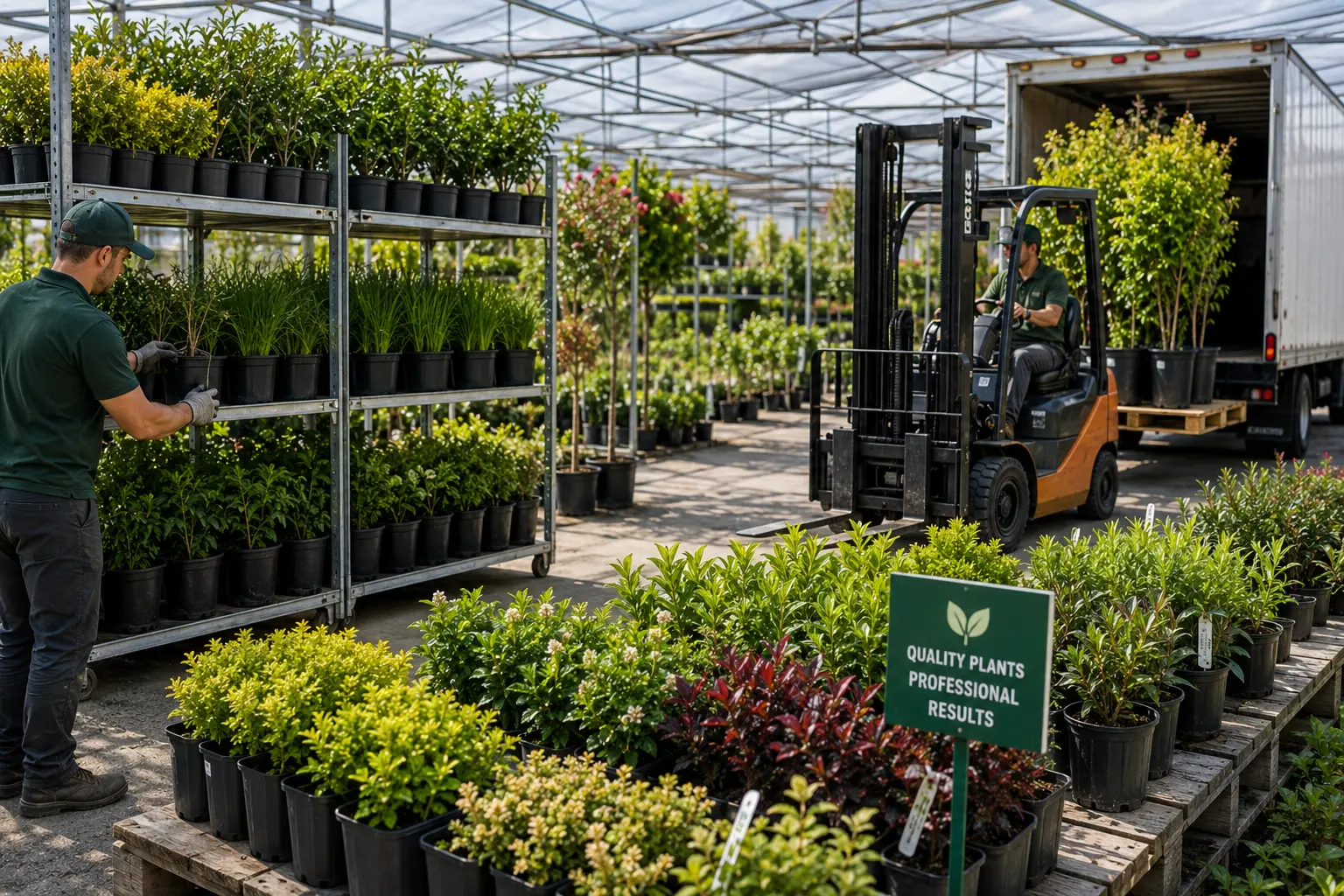
When contractors go looking for a supplier, they’re often searching for the best online tree nursery — one with a catalog that’s actually current, paired with wholesale pricing and enough volume to handle a real commercial order. A live, searchable catalog matters more than it sounds like it should; it means planning a job around what’s genuinely in stock instead of hoping a grower can pull through.
Just as important is finding a landscape supplier that understands the operational side of the work, not just the growing side. Sourcing, consolidating, and delivering material in a way that keeps a project moving is what separates a supplier you buy from once from a partner you keep coming back to.
The Bottom Line
Sourcing, logistics, and wholesale access aren’t really three separate problems — they’re the same problem looked at from different angles: getting the right material to the right place at the right time without a lot of unnecessary risk along the way. Contractors who treat sourcing as something worth building a relationship around, instead of something to figure out at the last minute, tend to run projects that go a lot smoother.
Tree Source is a good example of what that relationship can look like when it’s done well — a wholesale plant sourcing model backed by a deep grower network, direct shipping and logistics handled in-house, regional rewholesale centers, and project support that treats a job as more than a single order. When plant material sits on the critical path of a project, that kind of partnership stops being a nice-to-have. It’s just part of how the work gets done.