
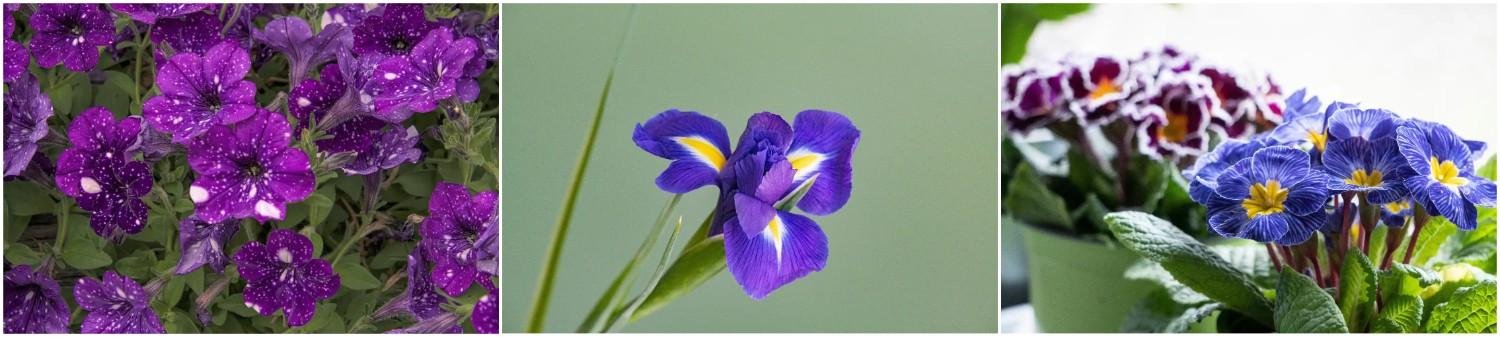
The February month flower includes three stunning blooms that defy winter’s chill—violet, iris, and primrose. Unlike popular belief, roses don’t claim February despite Valentine’s Day. These delicate blossoms represent loyalty, wisdom, and renewal, making them perfect symbols for those born in the shortest yet most romantic month. Whether you’re seeking a February month flower tattoo or planning a birthday bouquet, understanding these vibrant flowers unlocks meaningful ways to celebrate February birthdays.
What Is the February Month Flower?
February stands unique with three official birth flowers instead of the typical two. The violet serves as the primary bloom, while iris and primrose complete the trio. This abundance stems from seasonal availability and symbolic richness. Each flower blooms during late winter or early spring, bringing color when landscapes remain dormant.
Violets symbolize modesty and faithfulness. Iris represents wisdom and courage. Primrose embodies youth and new beginnings. Together, they create a harmonious blend of virtues that reflect February’s dual nature—bridging winter’s end and spring’s promise.
The tradition of multiple birth flowers allows individuals greater personal connection. Regional availability also influenced this choice, ensuring everyone can access these symbolic blooms regardless of climate.
Violet: The Heart-Shaped Symbol of Devotion
Origins and Historical Significance
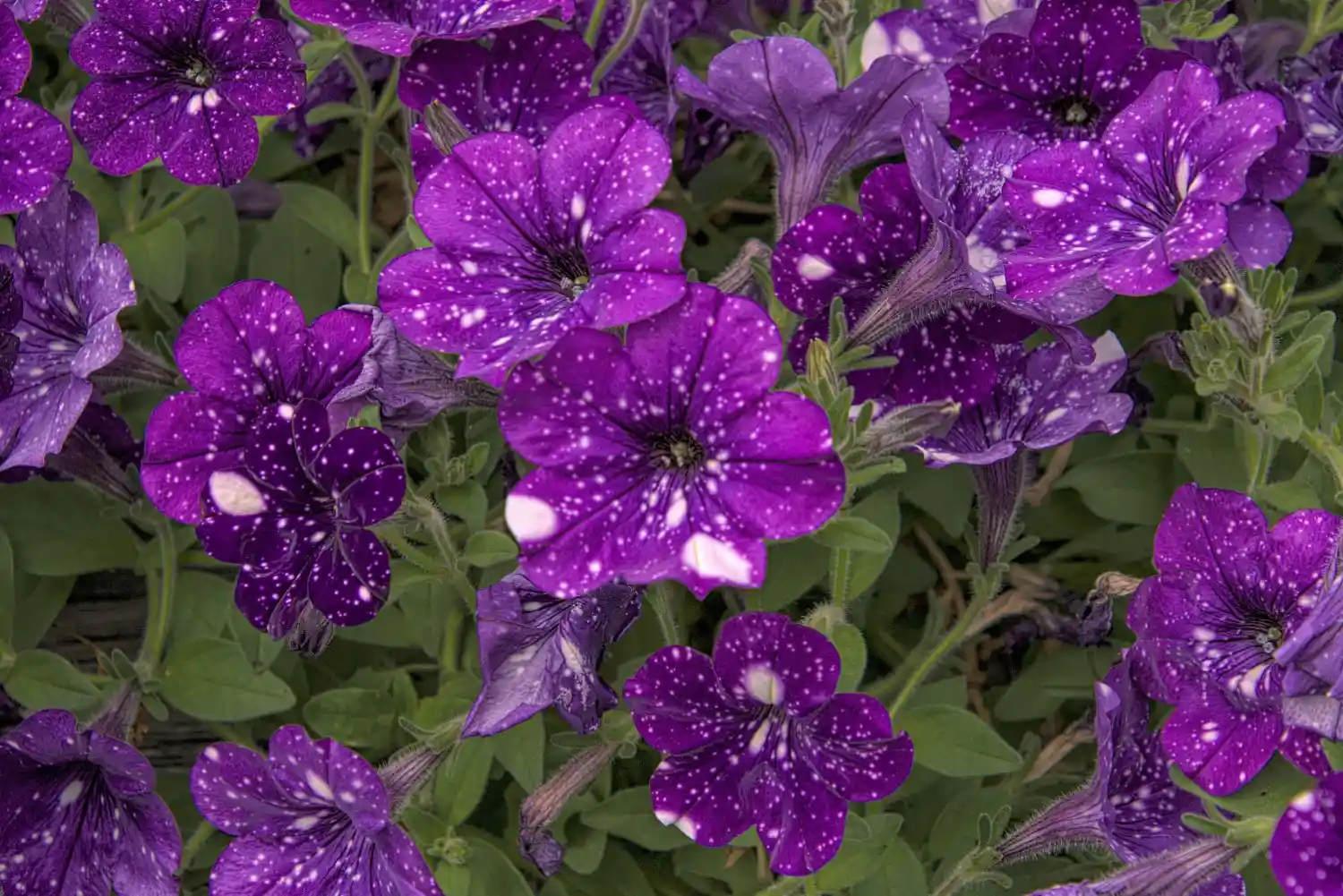
Violets belong to the Viola genus, comprising over 400 species native to temperate Northern Hemisphere regions. Ancient Greeks viewed violets as fertility symbols, incorporating them into love potions. Romans used these blossoms in wine, medicine, and funeral ceremonies. Napoleon Bonaparte famously adored violets, wearing a locket containing flowers from his wife Josephine.
During Victorian times, gifting violets meant “I’ll always be true.” The flower became a declaration of unwavering loyalty. Religious art frequently depicts the Virgin Mary surrounded by violets, representing humility and modesty.
Color Symbolism and Meanings
| Violet Color | Symbolism | Occasion |
| Purple | Loyalty, devotion, spiritual wisdom | Romantic gestures, anniversary |
| White | Innocence, purity, modesty | Religious ceremonies, weddings |
| Yellow | High worth, joy, happiness | Friendship celebrations |
| Blue | Faithfulness, reliability | Long-term commitments |
Growing Violets Successfully
Violets thrive in partial shade with well-draining, slightly acidic soil. They prefer temperatures between 60-70°F and consistent moisture without waterlogging. Plant in early spring using organic-rich soil. These hardy perennials tolerate cold but struggle with heat and drought.
For container growing, choose pots with excellent drainage. Apply slow-release fertilizer during active growth. Violets attract pollinators like mining bees and hummingbirds. Their edible flowers contain salicylic acid, offering natural pain-relief properties.
Iris: The Rainbow Messenger of Wisdom
Mythological Roots and Cultural Impact
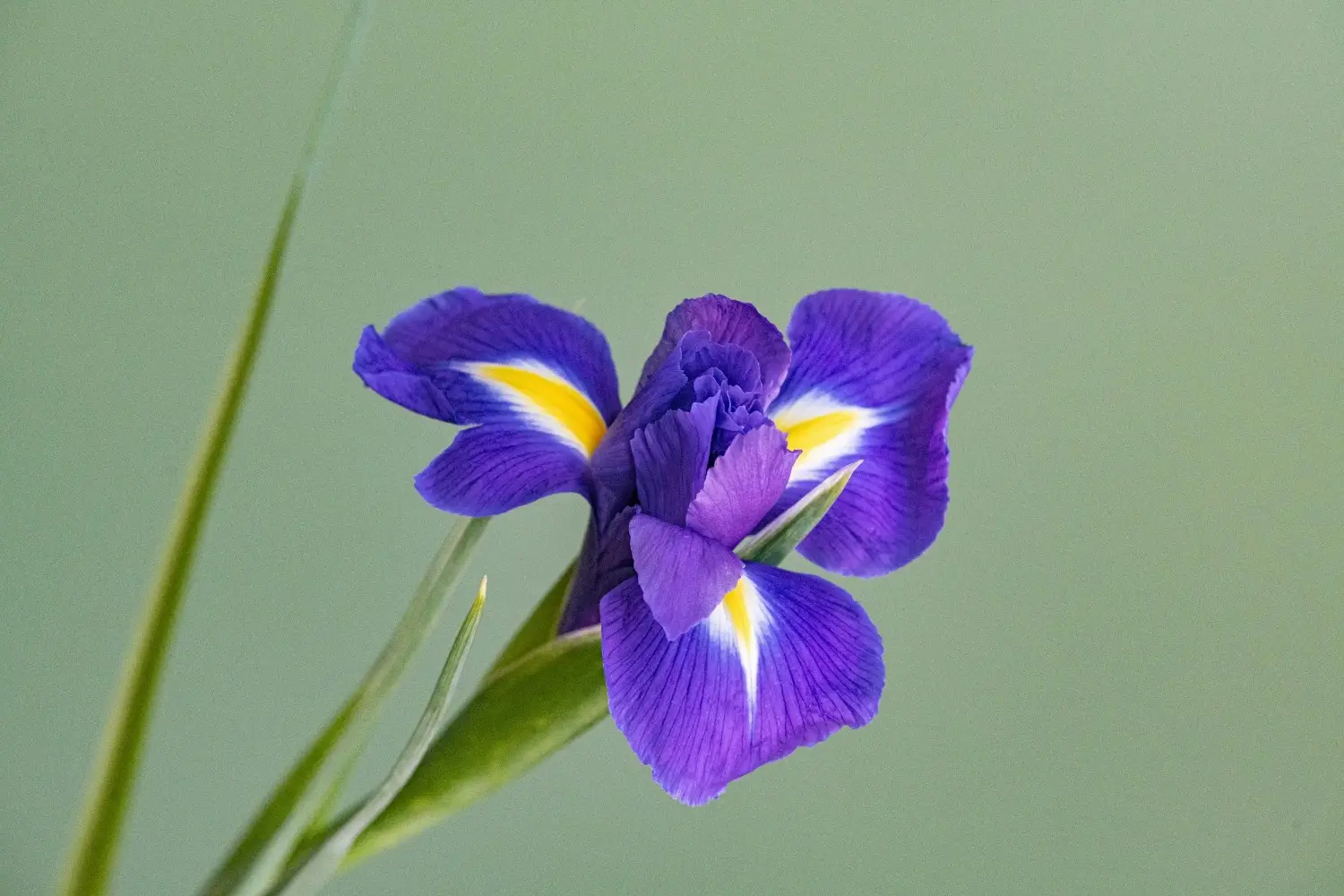
Named after the Greek goddess of rainbows, iris flowers served as divine messengers between heaven and earth. Ancient Egyptians incorporated iris designs in royal art and decoration. The famous fleur-de-lis symbol originated from stylized iris blooms, becoming synonymous with French monarchy.
Iris species number approximately 300, growing naturally in dry, semi-desert, and rocky mountain regions. The flower inspired countless artists and writers throughout history, appearing in paintings from Ancient Greece through the Renaissance.
Iris Color Variations and Meanings
| Iris Color | Meaning | Best For |
| Blue/Purple | Royalty, wisdom, hope | Graduation gifts, achievements |
| Yellow | Passion, creativity | Artistic celebrations |
| White | Purity, new beginnings | Fresh starts, weddings |
| Black (rare) | Elegance, sophistication | Unique occasions |
Iris Care Instructions
Irises demand full sunlight and well-draining soil for optimal growth. They tolerate temperatures between 60-70°F. When growing indoors, position near bright windows. Plant rhizomes shallowly in summer or fall.
Water moderately—irises dislike soggy conditions. Trim stems at angles for cut flowers. Divide clumps every three years to maintain vigor. Remove spent blooms promptly to encourage continued flowering.
Primrose: The First Rose of Spring
Etymology and Folklore
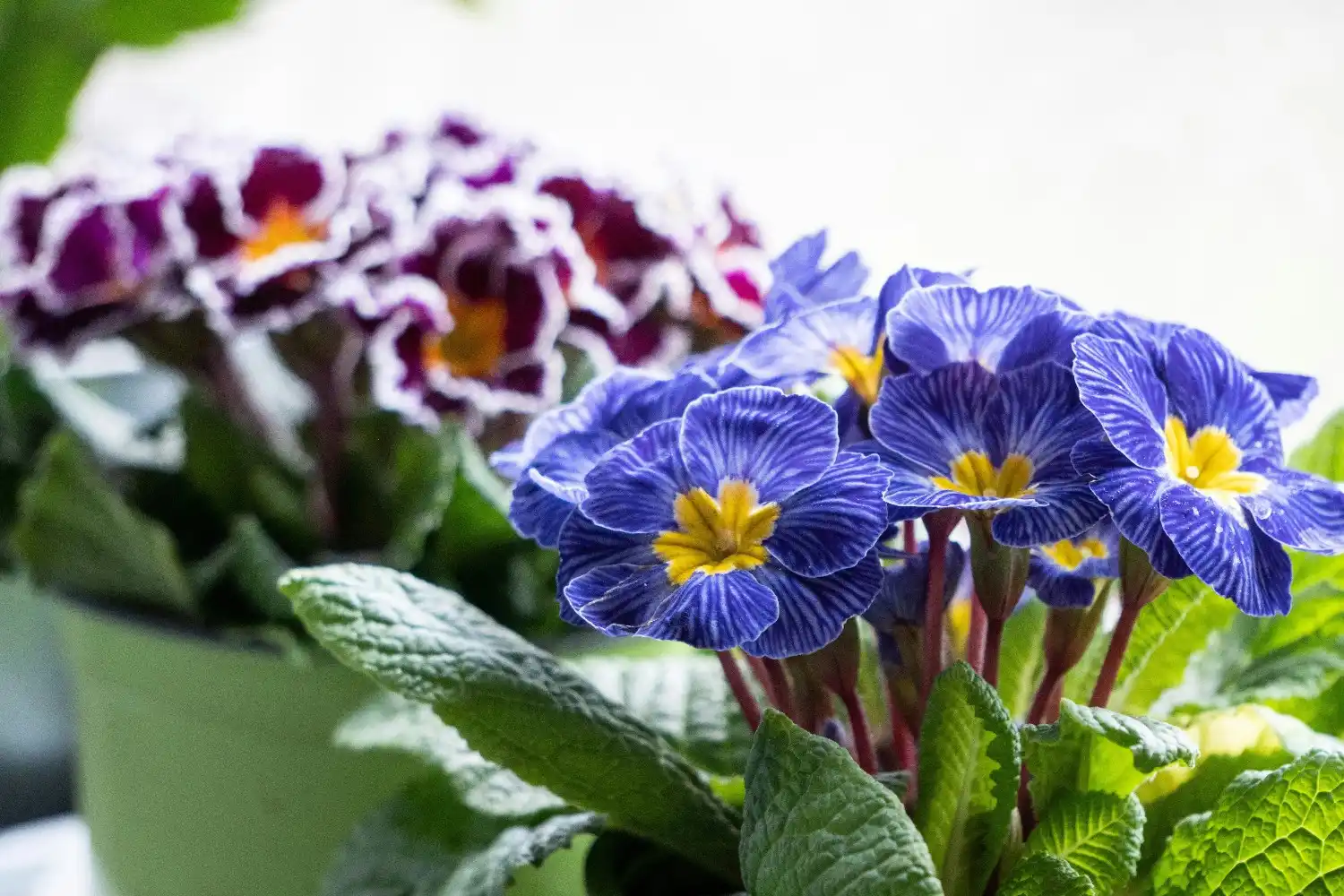
The name “primrose” derives from Latin “primus rosa,” meaning “first rose,” though it’s unrelated to actual roses. With 500+ Primula species, these early bloomers signal spring’s arrival. Ancient Celts believed primrose patches were fairy realm gateways. Scottish legends claimed eating primrose flowers allowed you to see fairies.
Shakespeare referenced primroses extensively, coining “the primrose path” in Hamlet. Victorian lovers gifted primroses declaring “I can’t live without you.” Norse mythology associates primrose with Freya, the goddess of love.
Primrose Color Significance
- Yellow: Optimism, joy, traditional beauty
- Pink: Youth, young love, tenderness
- Red: Passion, unappreciated merit
- White: Fresh starts, purity
- Purple: Confidence, spiritual connection
Cultivating Primroses
Primroses prefer cool environments at 50-65°F with partial shade. They need moist, nutrient-rich soil and regular watering. These perennials excel in woodland settings or shaded garden borders.
Apply balanced fertilizer monthly during growing seasons. Mulch around plants without covering crowns to prevent rot. Primroses make excellent container plants for indoor cultivation. Though toxic to pets, humans can safely consume the leaves and flowers.
February Month Flower Tattoo: Artistic Expression
Popular Design Styles
February month flower tattoo designs capture personal identity and birth month pride. Fine-line tattoos emphasize delicate violet petals with purple and green hues. Watercolor techniques create vibrant iris compositions. Minimalist primrose sketches appeal to those seeking subtle elegance.
Combined designs featuring all three flowers create stunning sleeve or back pieces. Adding birth dates, names, or zodiac symbols personalizes the artwork further. Black-and-white linework offers timeless sophistication.
Symbolic Tattoo Meanings
- Violet tattoos: Represent loyalty, modesty, spiritual wisdom, and enduring love
- Iris tattoos: Symbolize hope, faith, eloquence, and divine communication
- Primrose tattoos: Express youth, renewal, and the message “I can’t live without you”
- Combined designs: Showcase family connections when incorporating multiple birth flowers
Upper arms, wrists, and ankles serve as popular placement areas. Larger compositions suit thighs, ribs, or shoulder blades. Gender-neutral floral designs appeal to all body art enthusiasts seeking meaningful February symbolism.
Growing Tips for February Birth Flowers
Violet Care Essentials:
- Soil: Well-draining, slightly acidic, organic-rich
- Light: Partial shade to full sun (afternoon shade in warm climates)
- Water: Consistent moisture, avoid overwatering
- Temperature: 60-70°F preferred, cold-tolerant
Iris Maintenance:
- Soil: Well-draining, neutral to slightly alkaline
- Light: Full sun (6+ hours daily)
- Water: Moderate, drought-tolerant once established
- Temperature: 60-70°F, heat-tolerant
Primrose Requirements:
- Soil: Moist, rich in organic matter
- Light: Partial shade, morning sun
- Water: Regular, keep consistently damp
- Temperature: 50-65°F, cool-climate lover
All three flowers benefit from mulching to regulate soil temperature. Deadhead spent blooms to encourage prolonged flowering. Division every few years maintains plant health and vigor.
Gift Ideas and Floral Arrangements
Stunning Bouquet Combinations
Combine all three february month flowers for meaningful birthday arrangements. Add ferns for texture and greenery. White roses provide elegant contrast against purple violets and blue irises. Lilies contribute sophistication to mixed bouquets.
For lasting gifts, choose potted plants instead of cut flowers. Birth flower jewelry featuring violet, iris, or primrose designs offers permanent keepsakes. Personalized items like engraved planters or custom artwork celebrate February birthdays uniquely.
Seasonal Availability
Violets bloom early spring through summer in northern climates. Irises flower late spring through early summer. Primroses appear in late winter and early spring. Indoor cultivation extends availability year-round.
Conclusion
The February month flower trio—violet, iris, and primrose—represents loyalty, wisdom, and renewal. These winter-blooming beauties offer meaningful alternatives to traditional roses, celebrating February birthdays with historical depth and symbolic richness. Whether cultivating gardens, designing February month flower tattoo art, or gifting bouquets, these blossoms connect us to nature’s resilience and beauty. Explore more floral meanings and care tips at Zoned Garden
Frequently Asked Questions
What are the official February birth flowers?
February has three official birth flowers: violet (primary), iris, and primrose. This exceptional abundance stems from their symbolic meanings and seasonal blooming patterns during late winter.
Can I grow February birth flowers indoors?
Yes, all three flowers adapt well to indoor cultivation. Violets and primroses thrive in containers with proper drainage. Irises need bright light but can succeed in sunny indoor locations with adequate care.
What does a violet tattoo symbolize?
Violet tattoos represent loyalty, modesty, spiritual wisdom, and faithfulness. Purple shades emphasize devotion, while white violets symbolize innocence. These designs honor February birthdays with timeless elegance.
Are primroses related to roses?
Despite the name, primroses belong to the Primula genus, not the rose family. The name comes from Latin “prima rosa” (first rose), referencing their early spring blooming rather than botanical relationship.
Which February flower is easiest to grow?
Violets rank as the hardiest option, tolerating cold temperatures and various light conditions. They require minimal maintenance once established, making them ideal for beginner gardeners seeking reliable bloomers.