
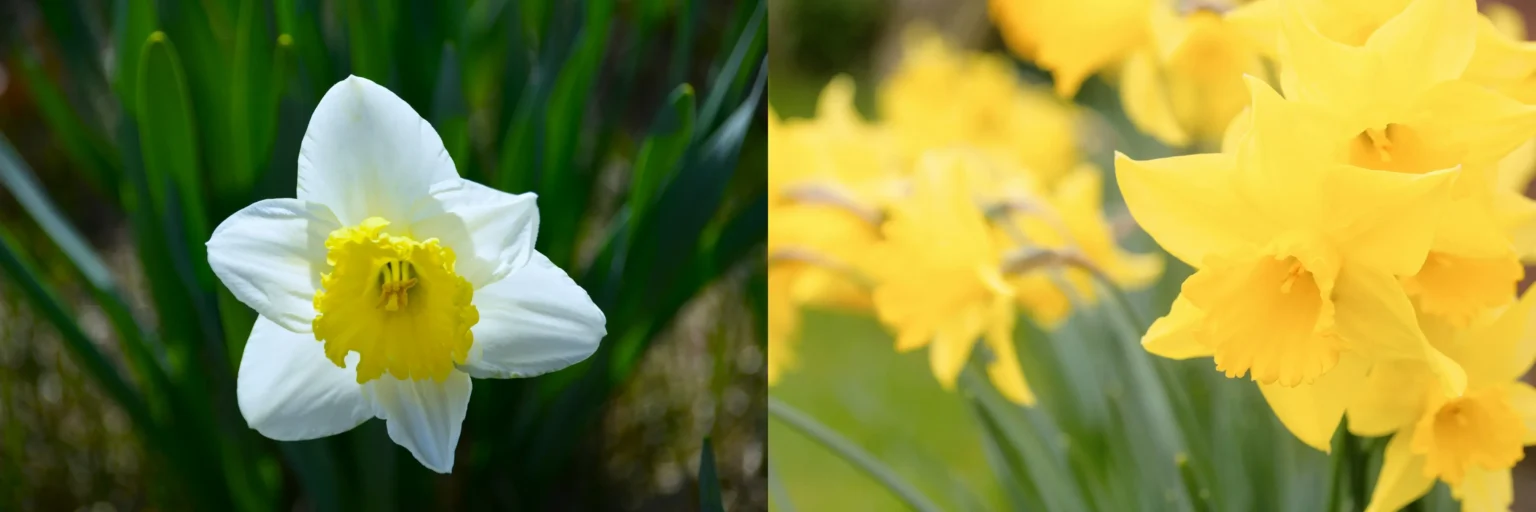
The march birth flower consists of two stunning spring blooms: the daffodil and jonquil, both belonging to the Narcissus genus. These vibrant yellow and white flowers symbolize rebirth, new beginnings, and hope as they emerge from winter’s dormancy. If you’re born in March or seeking meaningful birthday gifts, understanding these cheerful blossoms and their rich symbolism offers endless inspiration, especially for those considering a march birth flower tattoo to commemorate their birth month permanently.
What Is the March Birth Flower?
March celebrates two closely related birth flowers from the Amaryllidaceae family. The daffodil serves as the primary bloom, while the jonquil acts as the secondary flower. Both are types of Narcissus, creating some confusion among flower enthusiasts.
The key distinction lies in their physical characteristics. Daffodils typically produce one large bloom per stem with a prominent trumpet-shaped corona surrounded by six petal-like tepals. Their fragrance remains subtle, and colors range from classic yellow to white, orange, and rare pink varieties.
Jonquils display multiple smaller flowers per stem, usually two to six blooms. Their rounded, rush-like leaves differ from daffodils’ flat, strap-shaped foliage. The fragrance is distinctly stronger, often compared to jasmine or honey, making them popular in perfumery.
Daffodil: The Primary March Birth Flower
Appearance and Characteristics
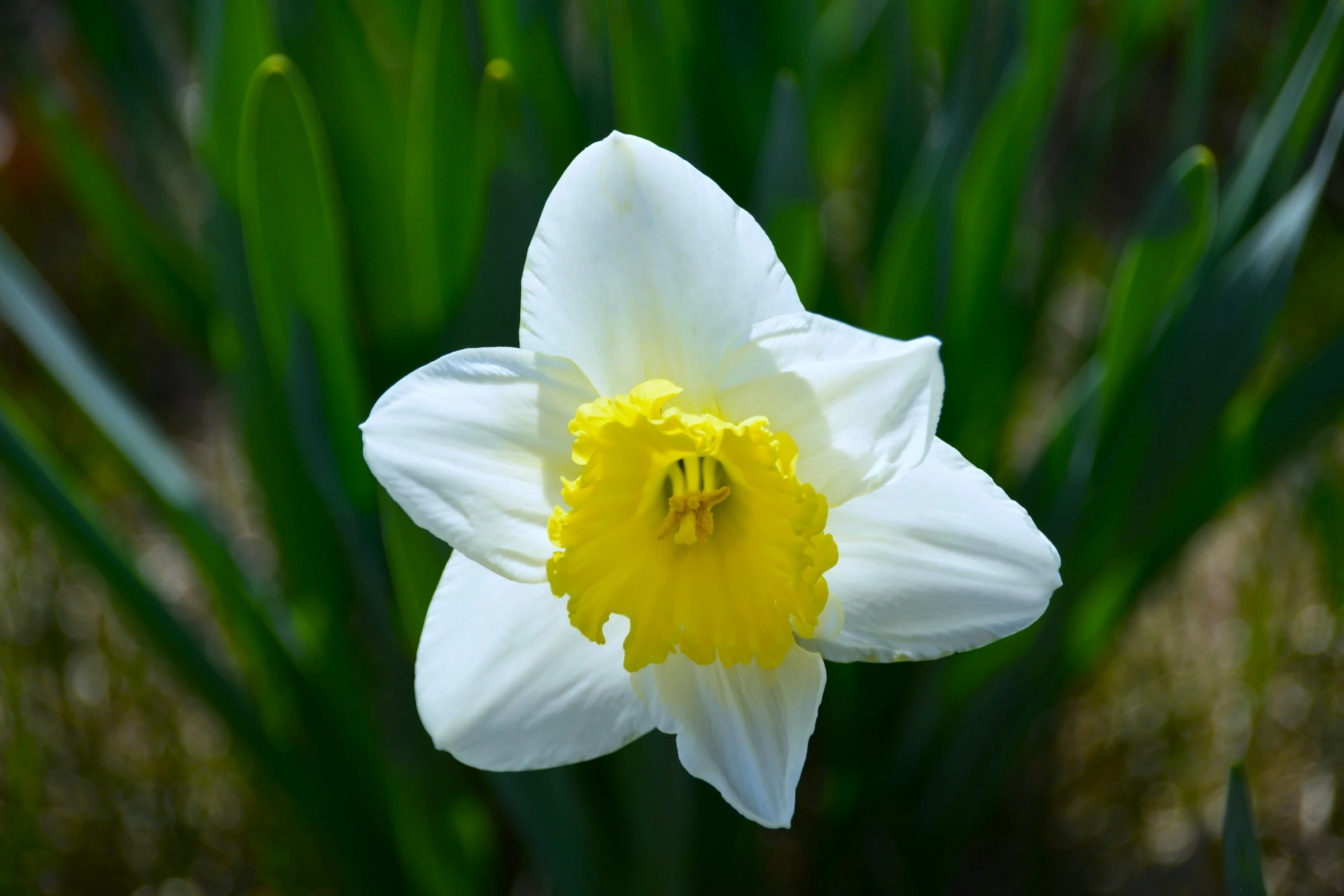
The daffodil showcases nature’s architectural brilliance with its distinctive trumpet or bell-shaped center. The corona’s frilled edges create visual interest against the surrounding petals. Most gardeners recognize the classic yellow-on-yellow combination, but cultivars now offer stunning variations.
These spring bloomers measure between 6-24 inches tall depending on the variety. As bulbous perennials, they return faithfully each year, with some established fields flowering for five decades. The genus Narcissus contains over 150 species and thousands of registered cultivars.
Symbolism and Cultural Significance
Daffodils represent renewal and resurrection as they push through frozen ground to announce spring’s arrival. This timing makes them strongly associated with Easter celebrations and the vernal equinox. The symbolism extends beyond simple rebirth into deeper meanings.
| Culture | Symbolism | Tradition |
| Wales | National pride, resilience | Worn on St. David’s Day (March 1) |
| China | Prosperity, good fortune | Blooming during Chinese New Year brings wealth |
| Victorian Era | Unrequited love, chivalry | Given to express unspoken feelings |
| France | Hope and renewal | Symbol of optimism after hardship |
| Medieval Europe | Death omens | Drooping flowers predicted misfortune |
The Victorian language of flowers, or floriography, assigned daffodils meanings of regard, respect, and admiration. However, tradition warns against giving a single daffodil, as it brings bad luck. Always give them bouquets to ensure happiness and prosperity.
Color Meanings
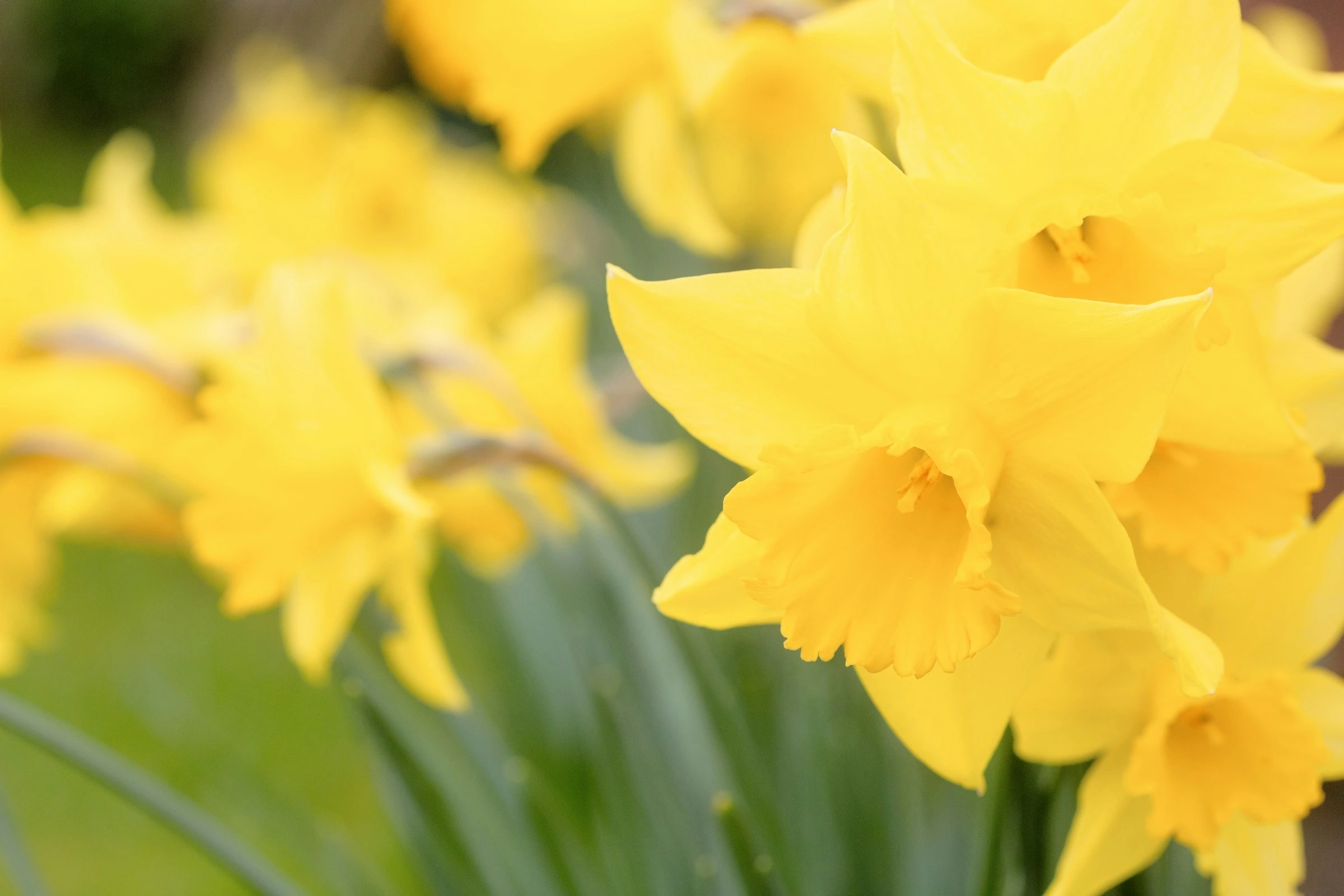
Yellow Daffodils: The most common variety symbolizes joy, friendship, and positivity. Their sunny disposition lifts spirits and represents resilience during challenging times.
White Daffodils: These blooms convey purity, innocence, and new beginnings. They’re popular choices for weddings and christenings, representing fresh chapters.
Pink Daffodils: Rare and highly prized, pink varieties symbolize admiration, pride, and uniqueness. They make exceptional gifts for someone special.
Orange Daffodils: These warm-toned blooms represent enthusiasm, energy, and vitality, perfect for celebrating achievements.
Jonquil: The Secondary March Birth Flower
Distinguishing Features
Jonquils (Narcissus jonquilla) earned their name from the Spanish word “jonquillo,” meaning rush, referencing their distinctive rounded leaves. Native to the Mediterranean region, particularly Spain and Portugal, they’ve naturalized across many temperate zones.
These fragrant blooms cluster two to six flowers per stem, creating fuller displays than their daffodil cousins. The smaller size doesn’t diminish their impact, especially when planted in drifts where their sweet scent perfumes entire gardens.
Symbolism and Meaning
In floriography, jonquils carry profound messages. They symbolize forgiveness and the desire for reciprocated affection, making them meaningful for mending relationships. The flowers also represent creativity, success, and domestic happiness.
Greek mythology connects jonquils to Persephone’s abduction by Hades. As she was snatched to the underworld, she dropped the lilies she’d been gathering, which transformed into jonquils. This myth associates them with the River Styx and the boundary between worlds.
Historical Significance
Roman soldiers transported jonquil bulbs across Europe during their campaigns, introducing them to Britain and beyond. Ancient Greeks and Romans valued the mucilaginous sap for treating skin conditions, respiratory issues, and joint pain, though modern science hasn’t validated these medicinal uses.
During Victorian times, jonquils gained popularity in art, literature, and floral arrangements, conveying messages of respect and unrequited love alongside daffodils.
March Birth Flower Comparison
| Feature | Daffodil | Jonquil |
| Blooms per stem | 1 (occasionally 2) | 2-6 |
| Fragrance intensity | Subtle | Strong (jasmine/honey notes) |
| Leaf shape | Flat, strap-like | Rounded, rush-like |
| Available colors | Yellow, white, orange, pink | Yellow, white |
| Average size | Larger (2-4 inches) | Smaller (1-2 inches) |
| Native region | Northern Europe | Mediterranean (Spain, Portugal) |
| Corona shape | Prominent trumpet | Shallow cup |
The Mythology Behind March Birth Flowers
The genus name Narcissus stems from Greek mythology’s tragic tale. Narcissus, son of the river god Cephissus, possessed extraordinary beauty that captured everyone’s attention. When he rejected the nymph Echo’s affections, she withered away until only her voice remained.
As punishment for his cruelty, Narcissus fell in love with his own reflection in a pool. Unable to tear himself away, he either drowned or was transformed into a daffodil by the gods. This myth gave rise to the term “narcissism” and connects the flower to themes of self-love and vanity.
The Greek word “narkao” means “to become numb,” referencing the flower’s alkaloid compounds. This linguistic root connects to both the myth and the plant’s actual narcotic properties in concentrated form.
March Birth Flower Tattoo Ideas
Top 5 Design Concepts
- Minimalist Single Stem: Fine line work creates elegant simplicity, perfect for wrists or ankles. This design emphasizes the flower’s graceful structure without overwhelming detail.
- Family Birth Flower Bouquet: Combine daffodils with other birth month flowers representing loved ones. Carnations for January, roses for June, and marigolds for October create meaningful family tributes.
- Watercolor Daffodil: Soft, flowing colors mimic brush-painted artwork. The technique captures the flower’s delicate nature while adding contemporary artistic flair.
- Geometric Jonquil: Modern interpretation incorporating shapes and lines alongside organic petals. This style represents structure meeting growth, tradition meeting innovation.
- Memorial Design with Dates: Incorporate birth or remembrance dates with daffodil blooms. Roman numerals or script fonts personalize the permanent tribute.
Tattoo Symbolism and Placement
A march birth flower tattoo serves multiple purposes beyond aesthetic appeal. It commemorates March birthdays, celebrates overcoming adversity, or honors loved ones born this month. The resilience symbolism resonates with those who’ve faced challenges and emerged stronger.
Popular placement options include:
- Wrist/Ankle: Delicate fine line designs work beautifully in these visible yet subtle locations
- Upper Arm/Shoulder: Allows larger, more detailed compositions with multiple blooms
- Collarbone: Creates an elegant, feminine aesthetic close to the heart
- Forearm Sleeve: Permits comprehensive designs incorporating vines, leaves, and complementary elements
- Behind Ear: Tiny, minimalist jonquils offer discreet symbolism
Design Considerations
- Choose colors that match your personal daffodil preference (yellow for joy, white for purity)
- Incorporate butterflies or bees to emphasize pollination and interconnected life
- Add birth dates, initials, or meaningful coordinates
- Consider pairing with aquamarine (March birthstone) in blue-toned designs
- Select fine line for modern elegance or bold traditional for timeless appeal
Growing Your March Birth Flowers
Planting Guide
Fall planting between September and November ensures proper root development before winter. Daffodil and jonquil bulbs require cold stratification, making them unsuitable for tropical climates. They thrive in USDA hardiness zones 3-10.
Select locations with full sun to partial shade and well-draining soil. Heavy clay causes bulb rot, so amend with compost or sand if necessary. Plant bulbs three times their height deep, spacing them 4-6 inches apart for natural-looking drifts.
Essential Care Tips
- Water thoroughly after initial planting, then maintain consistent moisture during active growth
- Deadhead spent blooms to direct energy toward bulb regeneration rather than seed production
- Leave foliage intact until completely yellow; premature cutting weakens future blooms
- Fertilize in early spring when shoots emerge, using balanced bulb formula
- Divide overcrowded clumps every 3-5 years to maintain vigor and flower production
- Avoid cutting leaves for at least six weeks post-bloom to rebuild bulb reserves
Why They’re Garden Favorites
Daffodil and jonquil bulbs contain toxic alkaloid compounds, making them naturally deer resistant. Rabbits, squirrels, and rodents avoid them, ensuring your spring display remains intact. This toxicity extends to cut flowers; the latex sap released from stems shortens the vase life of companions, so isolate them initially.
March Birth Flower Gifting Guide
Perfect Occasions
These cheerful spring bloomers suit numerous celebrations beyond birthdays. The daffodil traditionally marks 10th wedding anniversaries, symbolizing a decade of growth and renewal together. They also excel as:
- Get Well Wishes: Hope and resilience meanings encourage recovery
- New Job/Home Celebrations: New beginnings symbolism marks fresh chapters
- Spring Weddings: White varieties represent purity and commitment
- Sympathy Arrangements: Gentle reminder that brighter days follow darkness
- “Just Because” Gestures: Spread joy and positivity without special occasion
Arrangement Suggestions
Create stunning displays by pairing march birth flowers with complementary blooms. Purple hyacinths and blue irises provide color contrast that makes yellow daffodils pop. Tulips share the spring season, creating cohesive seasonal bouquets.
Before arranging mixed bouquets, place cut daffodils in separate water for several hours. This allows the latex sap to discharge without affecting other flowers. Change water daily, trim stems at 45-degree angles every few days, and remove submerged foliage to prevent bacterial growth.
Personality Traits of March Babies
Those born during this transitional month between winter and spring often embody their birth flower’s characteristics. March babies radiate positivity and hope, brightening the lives of everyone around them. Like daffodils pushing through frozen ground, they demonstrate remarkable resilience.
Common traits include:
- Compassionate Nature: Understanding and empathetic toward others’ struggles
- Forgiving Spirit: Quick to offer second chances and mend relationships
- Creative Thinking: Imaginative dreamers who see possibilities others miss
- Optimistic Outlook: Maintain hope even during challenging circumstances
- Natural Cheerfulness: Infectious enthusiasm that uplifts entire rooms
The dual nature of March’s zodiac signs (Pisces and Aries) mirrors the daffodil and jonquil pairing. Early March Pisceans exhibit sensitivity and caring, while later Aries babies show fiery pride and determination.
Fascinating March Birth Flower Facts
- Longevity Champions: Established daffodil fields can flower for 50 years with proper drainage and sunlight, making them generational investments.
- Medical Marvel: Galantamine, an alkaloid compound extracted from Narcissus bulbs, helps slow Alzheimer’s disease progression. Welsh bioresearch companies pioneer this pharmaceutical use.
- Literary Fame: William Wordsworth immortalized daffodils in “I Wandered Lonely as a Cloud,” voted Britain’s fifth favorite poem. The imagery continues inspiring artists centuries later.
- Lucky Numbers: Single daffodils bring misfortune, but bouquets ensure happiness and prosperity. This superstition influences gifting traditions worldwide.
- Natural Pest Control: Toxic compounds deter deer, rabbits, and squirrels. Gardeners plant them as protective borders around vulnerable plants.
- Fragrance Industry: Jonquil essence features in high-end perfumes, candles, and aromatherapy products. The scent promotes relaxation and mood improvement.
- Species Diversity: The Narcissus genus contains 50-200 species (botanists debate classifications) plus thousands of hybrid cultivars created through selective breeding.
- Festival Celebrations: Nantucket, Massachusetts hosts an annual Daffodil Festival complete with vintage car parades, picnics, and millions of blooms lining streets.
Quick Reference Guide
| Aspect | Details |
| Primary Flower | Daffodil (Narcissus pseudonarcissus) |
| Secondary Flower | Jonquil (Narcissus jonquilla) |
| Bloom Period | Early to mid-spring (March-April) |
| Available Colors | Yellow, white, orange, pink (daffodil); Yellow, white (jonquil) |
| Key Symbolism | Rebirth, hope, new beginnings, forgiveness |
| Associated Zodiac | Pisces (Feb 19-Mar 20), Aries (Mar 21-Apr 19) |
| Traditional Anniversary | 10th wedding anniversary |
| Growing Zones | USDA 3-10 |
| Toxicity | Poisonous to animals; deer resistant |
| Cultural Significance | Welsh national flower, Chinese New Year prosperity symbol |
Conclusion
The March birth flower encompasses nature’s promise of renewal through both daffodil and jonquil blooms. These resilient spring beauties symbolize hope, new beginnings, and the triumph of life over winter’s harshness. Whether you’re planting bulbs, gifting bouquets, or designing a March birth flower tattoo, these cheerful blossoms carry profound meaning. Their vibrant petals and rich cultural heritage make them timeless symbols worth celebrating. Discover more flower meanings and seasonal gardening tips at Zoned Garden.
Frequently Asked Questions
What are the two March birth flowers?
March has two birth flowers: the daffodil (Narcissus pseudonarcissus) and the jonquil (Narcissus jonquilla). Both belong to the Narcissus genus but differ in appearance. Daffodils produce one large bloom per stem with a prominent trumpet, while jonquils display multiple smaller, fragrant flowers per stem with rush-like leaves.
What does the daffodil symbolize?
Daffodils symbolize rebirth, new beginnings, hope, and renewal. As one of spring’s first bloomers, they represent overcoming adversity and the return of warmer days. Different colors carry specific meanings: yellow represents joy and friendship, white conveys purity and innocence, and pink symbolizes admiration and uniqueness.
What’s the difference between daffodils and jonquils?
Daffodils typically have one bloom per stem, larger flowers, flat strap-like leaves, and subtle fragrance. Jonquils feature 2-6 smaller blooms per stem, rounded rush-like leaves, and strong jasmine-honey scent. While all jonquils are technically daffodils (both are Narcissus), not all daffodils are jonquils.
Why is giving a single daffodil considered bad luck?
Victorian tradition and various cultural superstitions warn that presenting someone with a single daffodil brings misfortune. However, gifting them in bouquets ensures happiness, good luck, and prosperity. This belief likely stems from the flowers naturally growing in clusters rather than isolation.
Are March birth flower tattoos popular?
Yes, march birth flower tattoos have gained significant popularity as meaningful body art. People choose daffodil or jonquil designs to commemorate March birthdays, symbolize overcoming challenges, honor loved ones, or represent personal renewal. Popular styles include minimalist fine line, watercolor, geometric, and traditional techniques.
When should I plant daffodil bulbs?
Plant daffodil and jonquil bulbs in fall, between September and November, before the ground freezes. They require cold stratification for proper root development. Choose locations with full sun to partial shade and well-draining soil. Plant bulbs three times their height deep, spacing them 4-6 inches apart.
What colors do March birth flowers come in?
Daffodils offer the widest color range including classic yellow, pure white, vibrant orange, and rare pink varieties. Many cultivars feature color combinations like white petals with yellow or orange coronas. Jonquils primarily bloom in yellow and white. Selective breeding continues expanding the color palette available to gardeners and florists.