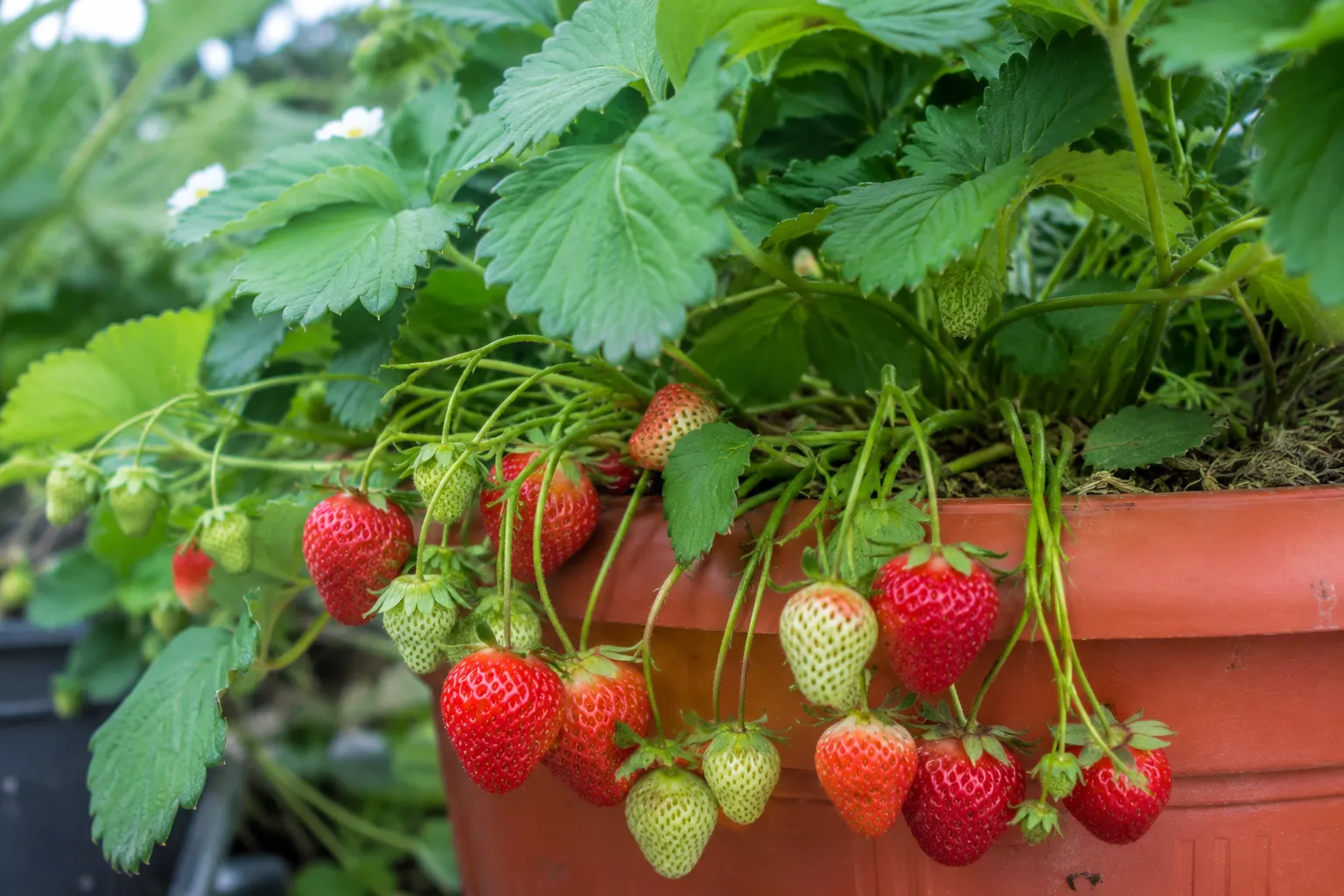
Strawberries are one of the easiest fruits to grow, even if you’re new to gardening. Whether you have a garden, a few pots on your balcony, or a sunny windowsill, you can grow fresh, tasty strawberries at home. This guide will take you through every step, from planting to harvesting, in a simple way that’s easy to follow.
I’ve grown strawberries in garden beds, containers, and hanging baskets for years. The tips in this guide come from real experience and trusted gardening practices, so you can use them with confidence and enjoy a healthy strawberry harvest.
Quick Answer: How to Grow Strawberries in 5 Steps

- Choose a sunny spot with well-drained soil
- Plant strawberry crowns or seedlings 12–18 inches apart
- Water deeply once or twice a week
- Feed with a balanced fertilizer every 3–4 weeks
- Mulch around plants and remove runners to boost fruit size
Keep reading for the full guide, plus answers to the most common questions people ask, like how long strawberries take to grow and whether you can grow them from seeds.
Strawberry Life Cycle
It helps to know how strawberries actually behave before you start planting, because a lot of the advice below only makes sense once you understand the cycle.
A young plant, called a crown, spends its first bit of energy growing roots and leaves. Then it sends out white flowers, and once bees (or the wind) pollinate them, each flower swells into a berry. Here’s the part most people don’t realize: the strawberry itself is the flower’s base — those little “seeds” dotting the outside are actually tiny individual fruits in their own right.
After fruiting, the plant sends out runners: long stems that reach out, root into the soil nearby, and form entirely new plants. That’s how strawberries spread on their own in the wild, and it’s also why you’ll be trimming runners later if you want bigger berries instead of more plants.
How Strawberries Actually Grow (The Quick Science)
Before diving into the steps, it helps to understand how strawberries grow in nature; it makes every step below make more sense:
- A young plant (or “crown”) grows roots and leaves first.
- It sends out white flowers, which get pollinated by bees or the wind.
- Each pollinated flower swells into a strawberry; the fruit is actually made of the flower’s base, with the “seeds” on the outside being tiny individual fruits.
- After fruiting, the plant sends out runners, long stems that root into the soil and form brand-new plants, which is how strawberries spread naturally.
Knowing this cycle is why steps like sunlight, pollination-friendly spacing, and runner management (below) matter so much.
5 Steps to Strawberry Planting Success
Step 1: Prepare Your Growing Space
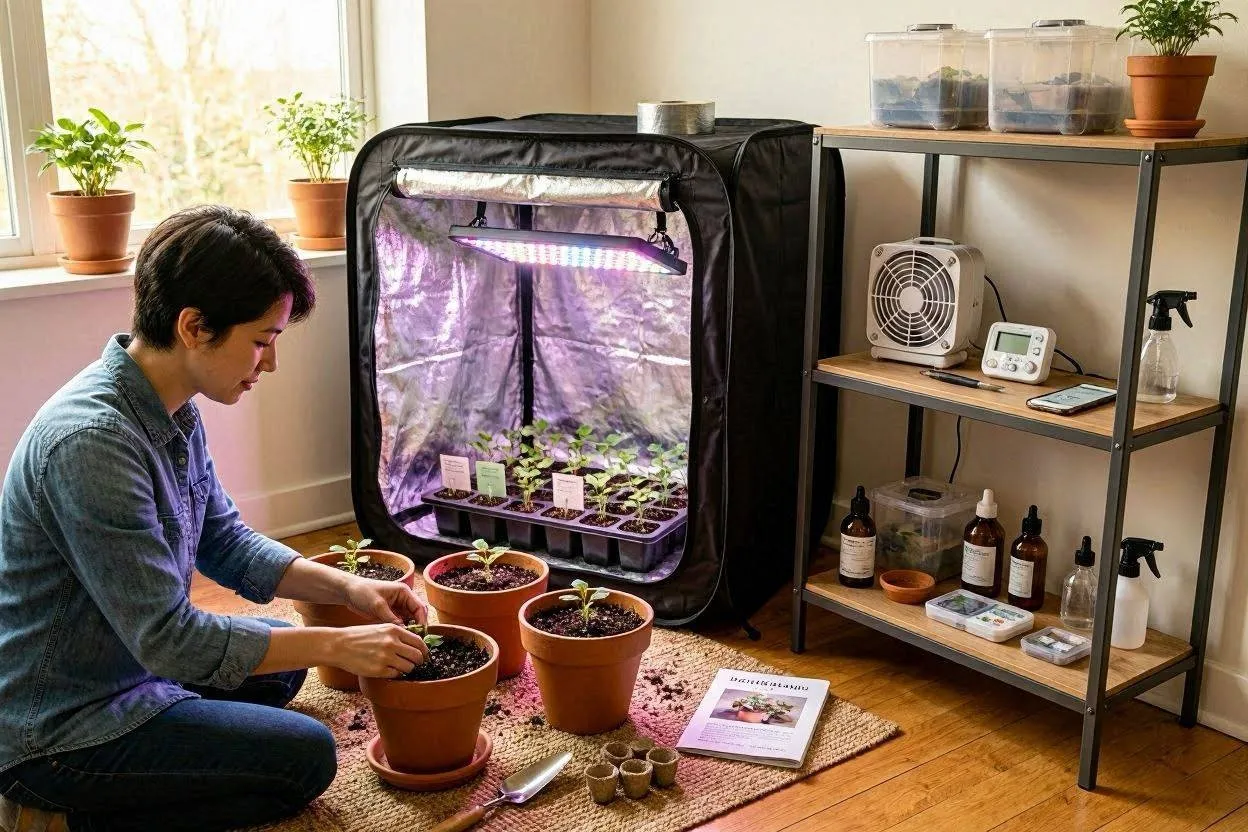
Before you plant, get the soil and location right. This is the step most beginners rush, and it’s the one that decides whether your strawberries thrive or struggle.
- Pick a sunny spot. Strawberries need at least 6–8 hours of direct sunlight a day.
- Check your soil. They grow best in loose, well-drained soil with a slightly acidic pH (5.5–6.8). If your soil is heavy clay, mix in compost or use a raised bed.
- Decide where to grow them. You can grow strawberries in the ground, in raised beds, in containers, or in pots, even indoors on a bright windowsill if outdoor space is limited.
- Space it out. Leave 12–18 inches between plants and 2–3 feet between rows so air can circulate and reduce disease.
Tui Tip: Work a few inches of compost into the soil before planting. Strawberries are shallow-rooted, so rich topsoil matters more than deep digging.
Step 2: Plant Your Strawberries
You have two main options: starting with young plants (crowns) or growing strawberries from seeds.
- Planting crowns (fastest way): This is the most reliable method and gives you fruit in the same season. Set the crown so the roots are buried, but the top (where leaves emerge) sits just above the soil line. Planting too deep or too shallow is the most common beginner mistake.
- Growing from seed: This takes longer (often a full year before fruiting) but is a fun, low-cost option. Start seeds indoors 8–10 weeks before your last frost, then transplant once seedlings have a few true leaves.
- In containers: Choose a pot at least 8–12 inches deep with good drainage holes. Growing strawberries in a pot or container is ideal for patios, balconies, or small yards, and it also helps keep pests away.
So, how long does it take for strawberries to grow? From transplanted crowns, expect fruit in 4–6 weeks during the growing season. From seed, plan for 12+ months before your first real harvest, since the plant needs a full season to establish roots.
Step 3: Nourish Your Plants
Feeding and watering correctly is what separates a few small berries from a full, sweet harvest.
- Watering: Give strawberries about 1–1.5 inches of water per week. Water at the base of the plant (not overhead) to prevent fungal disease. Containers dry out faster, so check pots every day in warm weather.
- Feeding: Use a balanced, fruit-focused fertilizer (higher in phosphorus and potassium) every 3–4 weeks during the growing season. Avoid too much nitrogen it produces lush leaves but fewer berries.
- Mulching: Straw mulch (yes, that’s where the name comes from!) keeps fruit clean, retains moisture, and blocks weeds.
- Runner management: Strawberry plants send out “runners” (baby plants on long stems). Snipping most of these off directs the plant’s energy into growing bigger, sweeter berries instead of spreading.
Step 4: Manage Pests, Weather & Common Problems
Even healthy plants face setbacks. Knowing what to expect helps you fix problems fast.
- Birds and slugs are the most common strawberry thieves. Netting and copper tape around beds help a lot.
- Powdery mildew or grey mold can appear in humid weather; good air circulation and avoiding overhead watering are the best prevention.
- Cold snaps: In early spring, cover plants with a frost cloth overnight if a late frost is forecast. Open blossoms are especially sensitive to cold.
Step 5: Harvest and Keep Growing
Pick strawberries when they’re fully red; they don’t ripen much more once picked. Harvest every 2–3 days during peak season for the sweetest fruit. After 2–3 years, plants tend to produce less, so refresh your bed with new crowns or runners from healthy plants.
How to pick strawberries so they grow back: Always pinch or snip the stem just above the berry instead of pulling the fruit itself. Tugging can damage the crown and reduce future flowering. Picking regularly (rather than letting ripe berries sit) also signals the plant to keep producing more fruit throughout the season.
How to Grow Strawberries in Different Situations
How to Grow Strawberries in Pots or Containers
Growing strawberries in pots is one of the most popular options for small spaces, and it works just as well as in-ground planting if you follow a few extra rules:
- Use a pot at least 8–12 inches deep with drainage holes
- Use a light, well-draining potting mix (not garden soil)
- Water more often, since containers dry out faster than garden beds
- Move pots to follow the sun, or to shelter them from frost
How to Grow Strawberries Indoors
You don’t need a garden to enjoy homegrown berries. To grow strawberries indoors, place pots near a south-facing window that gets at least 6 hours of light, or use a grow light if natural sunlight is limited. Everbearing or day-neutral varieties work best indoors since they fruit multiple times a year rather than just once.
How to Grow Bigger, Sweeter Strawberries
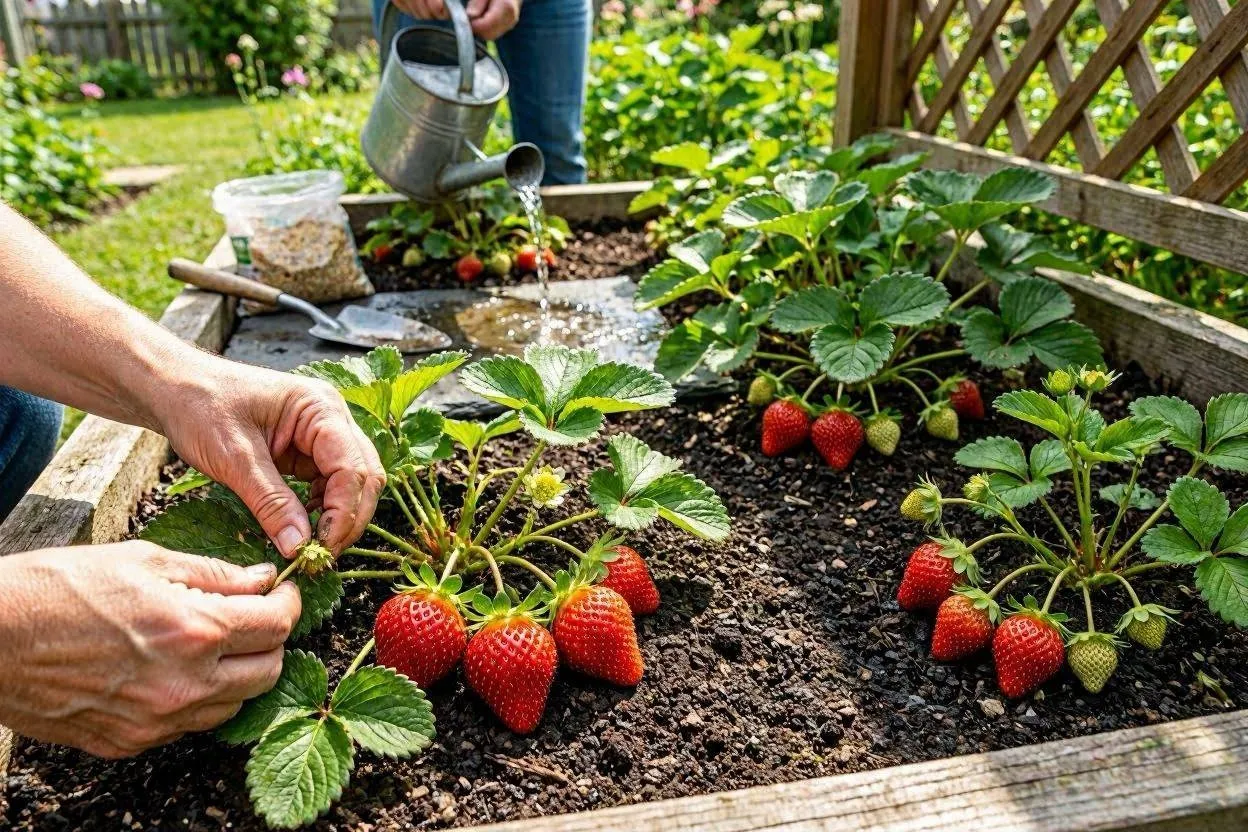
If your strawberries are small or bland, try these fixes:
- Remove excess runners and flowers early in the season so the plant focuses energy on fewer, larger berries
- Make sure plants get full sun. Shaded plants often produce smaller fruit
- Feed with a potassium-rich fertilizer, which directly improves fruit size and sweetness
- Water: consistently irregular watering causes small or misshapen berries
Growing Strawberries by Location & Method
How to Grow Strawberries in Raised Beds
Raised beds are one of the best options if your garden soil is heavy clay or drains poorly. Fill the bed with a mix of compost and well-draining garden soil, and plant crowns 12 inches apart. The improved drainage and warmer soil in raised beds often mean earlier, healthier growth than planting directly in the ground.
How to Grow Strawberries in Texas
Texas heat means strawberries do best as a fall-planted, winter-growing crop rather than a spring one. Plant in September–October so roots establish before the coolest months, choose heat-tolerant varieties, and provide afternoon shade during any early autumn heat spikes.
How to Grow Strawberries in Florida
Florida’s mild winters make it one of the few U.S. states where strawberries are planted in fall (October) and harvested through winter and early spring. Raised beds or plastic-covered rows help with the sandy soil and drainage typical of Florida gardens.
How to Grow Strawberries in Arizona
In Arizona’s desert climate, plant in early fall so plants avoid the intense summer heat. Strawberries need afternoon shade and more frequent watering in Arizona than almost anywhere else, since both soil and air dry out quickly.
Frequently Asked Questions
How long does it take for strawberries to grow?
From established crowns, strawberries typically produce ripe fruit within 4–6 weeks of planting. From seed, expect about a year before the first real harvest.
How long do strawberries take to grow from seed?
Strawberry seeds take 2–3 weeks to germinate, and the resulting plants usually need a full growing season (10–12 months) before they produce fruit.
Can I grow strawberries from a strawberry I bought at the store?
Yes, you can save and dry the tiny seeds from the surface of a ripe strawberry and plant them, though germination rates are lower than with packaged seeds, and store-bought strawberries are sometimes hybrids that won’t grow “true” to the parent plant.
Is it hard to grow strawberries?
Not at all, strawberries are considered one of the easier fruits for beginners, as long as they get full sun, regular water, and well-drained soil.
How much room do strawberries need to grow?
Space plants 12–18 inches apart with 2–3 feet between rows. In containers, one strawberry plant needs roughly 8–10 inches of pot space to grow well.
Conclusion
Growing strawberries starts with four things: full sun, well-drained soil, consistent water, and regular feeding. Crowns planted in spring produce fruit within 4 to 6 weeks; seeds take a full growing season of 10 to 12 months before the first harvest. Containers work as well as garden beds, provided the pot holds at least 8 to 12 inches of soil depth and drains freely. Snip runners early to direct energy into bigger berries, pick fruit every 2 to 3 days once it turns fully red, and replace plants every 2 to 3 years once yields drop. A strawberry bed rewards steady, small maintenance steps with a harvest that returns season after season.