The best backyard garden ideas pair a clear purpose with the right site. Strong options include a raised vegetable bed in full sun, native pollinator plants, patio containers and a living privacy screen. Map your sun first. Before any digging, confirm your hardiness zone and call 811, then start small with one 4 x 8 ft (1.2 x 2.4 m) bed.
Key Takeaways
- Backyard garden ideas succeed when they match the yard’s sun, soil, climate and the time the owner has available.
- Fruiting vegetables such as tomatoes, peppers and squash need 6 to 8 hours of direct sun per day.
- A 4 x 8 ft (1.2 x 2.4 m) raised bed filled 12 in (30 cm) deep holds about 32 cubic feet (0.9 cubic meters) of soil mix.
- Calling 811 before digging is free, and locators mark buried utility lines before you break ground.
- Planting time depends on your local last spring frost date, not on the calendar month.
- Native plants, 2 to 3 in (5 to 7.5 cm) of mulch and drip irrigation cut weekly garden maintenance.
What Makes Backyard Garden Ideas Work
Backyard garden ideas work when each one matches the yard’s sun, soil, climate and the time the owner can give it. Pretty plans fail in the wrong spot. Put a simple plan in the right spot, though, and it’ll keep producing food and flowers, plus shade, for years.
Backyard garden ideas are design and planting concepts that turn an open yard into productive, attractive space for food, flowers, wildlife and outdoor living. The term covers both growing and gathering.
Most idea galleries stop at the photo. That image shows the finished bed, but it skips the sun hours, soil depth, watering setup and permits that made the bed possible.
Here, each idea gets a size and a sun requirement. Build steps follow each one. The plans fit US yards from cold U.S. Department of Agriculture (USDA) zone 3 areas of the northern Plains to warm zone 10 areas of Florida and Southern California.
How Do I Design a Backyard Garden?
Design a backyard garden by mapping sun and shade, confirming your USDA hardiness zone, checking utilities and Homeowners Association (HOA) rules, and then sketching zones for growing, gathering and storage. Order matters. This sequence puts every plant and structure where it’ll thrive and stay legal.
Learning how to design a garden starts on paper. Shovels come later. Plan to spend one weekend on the four steps below, which head off costly mistakes before you spend a dollar.
Map Sun and Shade
Track sunlight on a clear day by checking the planned garden area every 2 hours from 8 a.m. to 6 p.m. Note where shadows land each time.
Sort each area into three categories. Full sun means 6 or more hours of direct sun, partial sun or shade means 3 to 6 hours, and full shade means fewer than 3 hours.
Leaves change the picture. If deciduous trees were bare during your first round, repeat the check in early summer, because trees in full leaf shade beds that looked sunny in March.
Check Your USDA Zone and Frost Dates
Open the USDA Plant Hardiness Zone Map. Type in your ZIP code to find your zone. Each zone reflects the average coldest winter temperature in a 10°F (5.6°C) band, split into “a” and “b” halves of 5°F (2.8°C).
Your zone shows which perennials and woody plants, from low shrubs to shade trees, will survive the winter where you live. It won’t tell you when to plant.
Get your average last spring frost date and your first fall frost date from the county Cooperative Extension office that serves you. Those two dates matter most. They set the planting calendar for vegetables and annual flowers.
Call 811 and Check HOA Rules
Call 811 or submit an online request several business days before digging any bed or post hole. Patio bases count too. 811 is the free national call-before-you-dig number, and it sends locators to mark buried utility lines with paint or flags. Required notice periods vary by state.
Each flag color means something. Locators use a standard color code: red for electric, yellow for gas or oil, orange for communications, blue for drinking water and green for sewer.
Read your HOA covenants before building anything. Fences, sheds, pergolas, front-yard vegetable beds and large tree removals commonly require architectural review approval. Separate city building permits can apply too, covering patios and decks as well as any structure above a set size.
Sketch Zones for Use
Use graph paper. Draw the yard to scale on it, letting one square equal 1 ft (30 cm), then mark the house, doors, hose spigots, trees, fences and sun categories.
Give vegetable beds the sunniest spot within reach of a hose, and put the patio right beside whichever door your household uses most. Privacy plantings come next. Set them where neighbor windows or roads look in.
Paths need room. Leave them at least 2 ft (60 cm) wide between beds. Anywhere a wheelbarrow must pass, such as the route from the compost pile to the beds, widen them to 3 ft (90 cm).
Backyard Garden Ideas with Sizes and Sun Needs
The most practical backyard garden ideas for US yards are raised vegetable beds, square foot grids, native pollinator plantings, patio containers, vertical trellises, living privacy screens, paver patios with pergolas, fire pit circles, xeriscapes and kitchen herb borders. Every idea below comes with size and sun guidance.
These garden ideas blend growing space with backyard landscaping ideas built for gathering and privacy. Mix and match. A single yard can easily hold two or three of them at once without feeling crowded.
This table compares each idea by sun need, effort level and best use.
| Idea | Sun Needed (Hours) | Effort | Best For |
|---|---|---|---|
| Raised bed vegetable garden | 6-8 | Medium | Beginners with poor soil |
| Square foot garden grid | 6-8 | Low to medium | Small yards, high yield |
| Native pollinator garden | 6+ for most species | Low once established | Wildlife, low water use |
| Container garden | 3-8 by crop | Medium, daily summer watering | Renters, patios, balconies |
| Vertical trellis garden | 6-8 | Low to medium | Narrow side yards |
| Living privacy screen | Varies by plant | Low once established | Blocking neighbor views |
| Patio with pergola | N/A | High to build | Outdoor dining, shade |
| Fire pit circle | N/A | Medium to build | Evening gatherings |
| Xeriscape garden | 6+ for most species | Low | Dry Western regions |
| Kitchen herb border | 6+ for most herbs | Low | Cooks near the back door |
Raised Bed Vegetable Garden
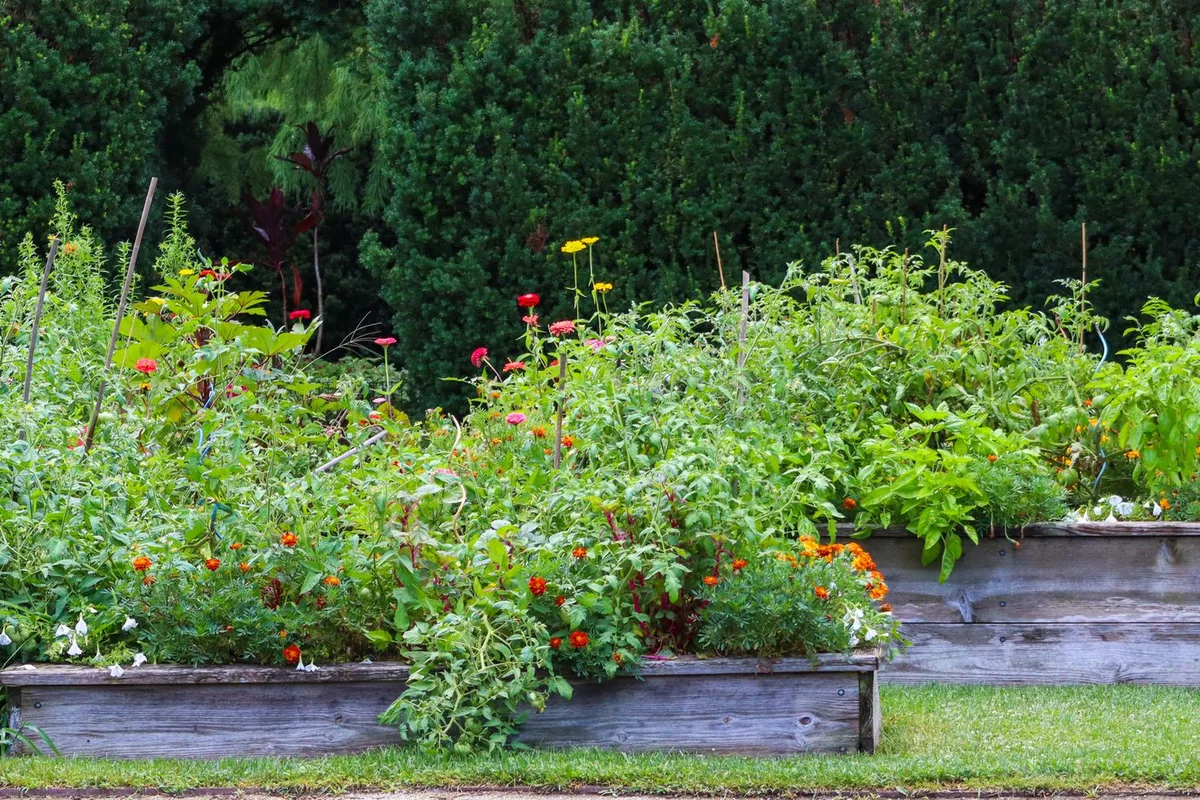
Build a 4 x 8 ft (1.2 x 2.4 m) bed with sides 12 in (30 cm) tall. That 4 ft width matters. You can reach the center from either side without ever stepping on the soil and compacting it.
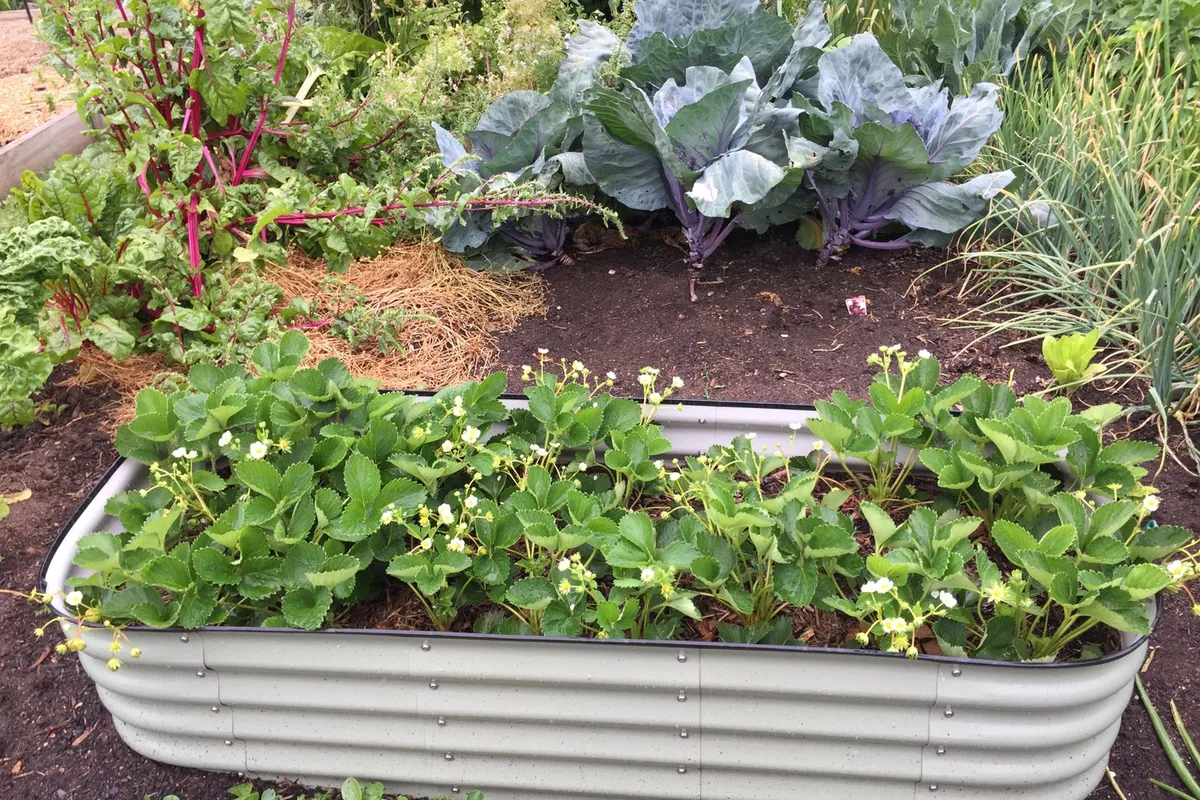
Fill the bed with about 32 cubic feet (0.9 cubic meters) of a topsoil and compost blend, or use bagged raised bed mix. Framing is flexible. Cedar, untreated lumber, galvanized steel and stone all work.
Location still decides success. Set the bed where it gets 6 to 8 hours of direct sun and sits within easy reach of a hose.
Square Foot Garden Grid
Square Foot Gardening divides a 4 x 4 ft (1.2 x 1.2 m) bed into 16 squares of 1 ft (30 cm) each, marked with string or thin wood strips. Each square holds one crop at a set density.
Standard densities are 1 tomato, 4 lettuce plants, 9 bush beans or 16 carrots per square. Tall crops go on the north side. That way they don’t shade their shorter neighbors.
This method answers how to grow a small garden with a high yield. Tight spacing leaves little bare soil, so weeds struggle to find room.
Native Pollinator Garden
Plant native perennials with staggered bloom times from spring into fall, so visiting bees and butterflies (and hummingbirds too) find nectar all season. Search by ZIP code. The National Wildlife Federation Native Plant Finder lists species suited to your county.
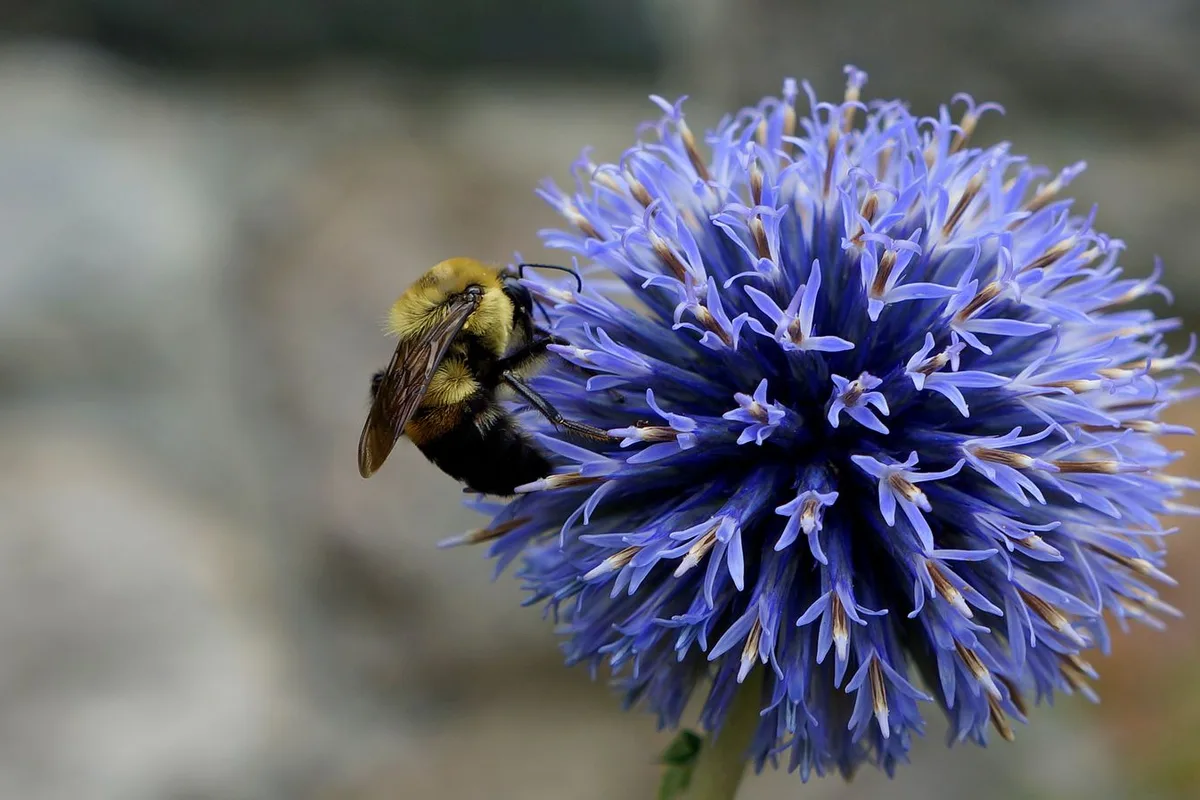
Milkweed, purple coneflower, bee balm, asters and goldenrod are native across much of the US. Still, check that each species is native to your own region before buying.
Plant in groups of 3 or more of the same species, and set out a shallow water dish. Broad-spectrum insecticides? Skip them. A yard that provides food, water, cover and places to raise young, plus sustainable practices, can qualify for the National Wildlife Federation Certified Wildlife Habitat program.
Container Garden for Patios and Renters
Pots make sense for renters. They also suit concrete patios and yards without good soil, letting you grow vegetables and herbs almost anywhere. Every container needs drainage holes and bagged potting mix, because garden soil compacts in pots.
Use at least 5 gallons (19 liters) of mix for a tomato or pepper and 1 to 2 gallons (4 to 7.5 liters) for most herbs. Bigger is better. Larger pots dry out more slowly, which buys you time on hot afternoons.
In summer, check moisture daily by pushing a finger 1 in (2.5 cm) into the mix. Dry at that depth? Water.
Vertical Garden on a Trellis
Growing upward saves ground space in narrow side yards and small lots. Set a sturdy trellis 5 to 6 ft (1.5 to 1.8 m) tall on the north side of a bed. It won’t shade other crops there.
Pole beans, peas, cucumbers and small melons climb well. Melons need extra help, so cradle them in fabric slings as the fruit forms.
For walls, try pocket planters or fence-hung gutters. Shallow-rooted crops thrive in them, from lettuce and strawberries to most herbs.
Living Privacy Screen
Plant a row of evergreen shrubs or cover a fence with vines to block views year-round. Arborvitae and holly work in many regions, as does native eastern red cedar. Check your zone and the mature plant width before buying.
Read the tag. Space shrubs according to the mature spread printed there, which lets the row fill in without crowding.
For fast summer screening, sow sunflowers or scarlet runner beans. Avoid running bamboo. It spreads through underground rhizomes into neighboring yards. Before adding a fence-based screen, check fence height limits with your city and HOA.
Paver or Gravel Patio with a Pergola
The best backyard patio ideas start with the base. Lay 4 to 6 in (10 to 15 cm) of compacted gravel, then 1 in (2.5 cm) of sand under pavers. Slope the surface about 1/4 in per foot (2 cm per meter) away from the house so water drains off.
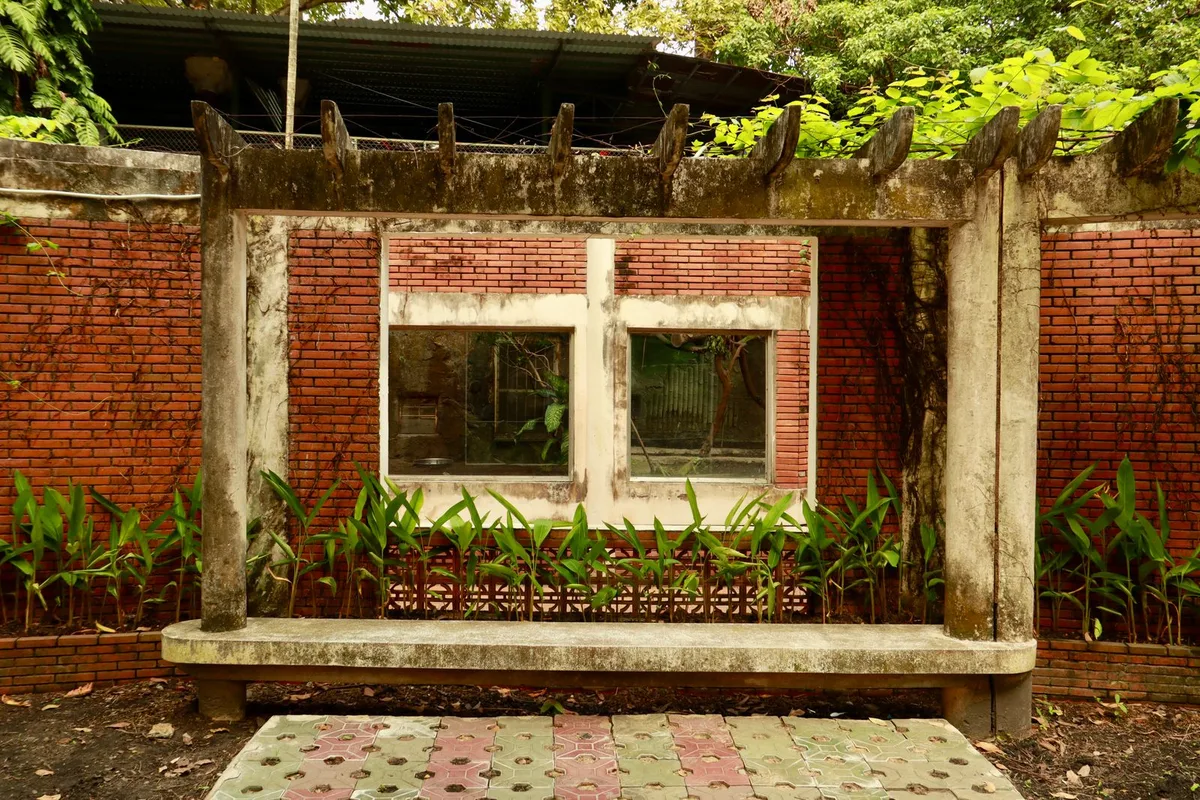
A gravel patio skips the pavers and sand. Install steel or plastic edging and weed barrier fabric, then spread 3 to 4 in (7.5 to 10 cm) of crushed stone or pea gravel. Crushed stone packs firmer underfoot than pea gravel.
A pergola frames the patio. Train climbing roses, clematis, grapes or native crossvine over the top for living shade that thickens each summer. Many cities require a permit for pergolas, so check before building.
Fire Pit Gathering Circle
Set a fire pit on a noncombustible surface such as gravel or pavers, away from structures, fences and overhanging branches. Distances aren’t guesswork. Local fire codes set minimum distances and burning rules, so confirm them before building.
Ring the pit with gravel, then arrange chairs or a low stone seat wall around it. Burn bans happen. Check for them during dry seasons, especially in Western states.
Gas fire pits produce no embers. Because of that, some areas that restrict wood burning may still allow them.
Xeriscape Garden for Dry Regions
Xeriscaping cuts outdoor water use through drought-tolerant plant groupings and a smaller lawn, with drip irrigation handling whatever watering remains. It’s built for the arid West and Southwest. Any yard benefits during summer drought, though.
Group plants with similar water needs into separate watering zones. Then cover the soil with 2 to 3 in (5 to 7.5 cm) of gravel or wood mulch. That layer slows evaporation.
Pick an irrigation controller labeled under the Environmental Protection Agency (EPA) WaterSense program. These controllers adjust watering schedules based on weather or soil moisture. Less guessing, less waste.
Kitchen Herb Border by the Back Door
Plant herbs within a few steps of the kitchen. You’ll use them more. Basil, parsley, chives, thyme and oregano grow well in a 2 ft (60 cm) deep border in full sun.
Rosemary survives winter outdoors only in warmer zones, so in cold regions grow it in a pot and bring it inside. Mint is different. Keep it in a container, because it spreads aggressively through underground runners.
How Do I Start a Vegetable Garden from Scratch?
Start a vegetable garden from scratch by choosing a spot with 6 to 8 hours of sun, calling 811, testing the soil, clearing grass, building beds, adding compost and planting easy crops by your frost date. After planting, water about 1 in (2.5 cm) per week. Mulch keeps weeds down.
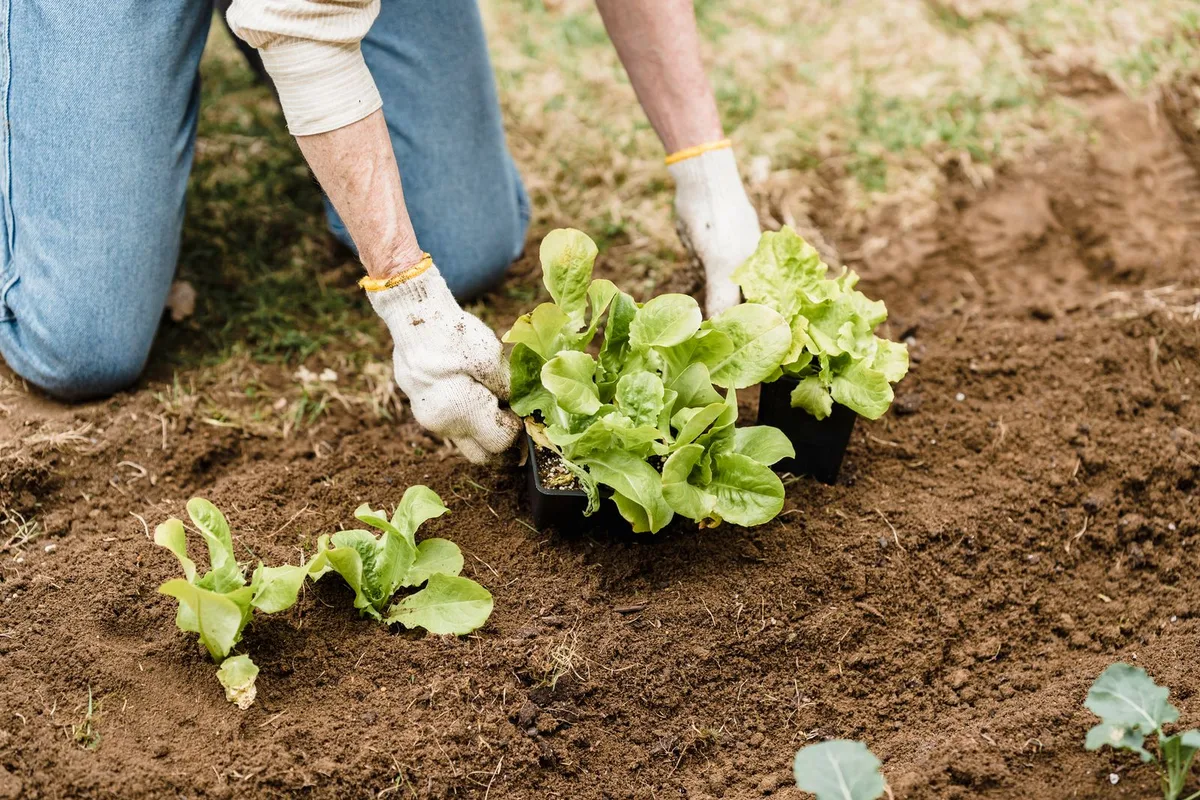
These ten steps show how to start a vegetable garden from scratch on lawn or bare ground.
- Choose a level spot with 6 to 8 hours of direct sun within reach of a hose.
- Call 811 several business days before digging.
- Test the soil through your Cooperative Extension office. Most vegetables grow best at a pH of 6.0 to 7.0, and the report lists the amendments to add.
- Clear the grass by stripping sod with a flat spade, or smother it with overlapping cardboard covered by 4 to 6 in (10 to 15 cm) of compost and soil.
- Build raised beds or mark in-ground beds 4 ft (1.2 m) wide, with 2 to 3 ft (60 to 90 cm) paths between them.
- Mix 2 to 3 in (5 to 7.5 cm) of compost into the top 8 to 12 in (20 to 30 cm) of soil.
- Pick 3 to 5 easy crops for the first season.
- Plant cool-season crops before your last frost date and warm-season crops after it.
- Install drip irrigation or soaker hoses, and water about 1 in (2.5 cm) per week, counting rainfall.
- Spread 2 to 3 in (5 to 7.5 cm) of straw or shredded leaf mulch around plants once seedlings reach 4 in (10 cm) tall.
Easy First Crops for Beginners
Beginners succeed most with lettuce, radishes, bush beans, zucchini, cherry tomatoes and basil, because these crops grow quickly, tolerate small mistakes and produce a harvest in one season. Start with 3 to 5 of these crops instead of a dozen. Add more varieties in year two.
This table compares easy first crops by season, sun needs and the best way to start them.
| Crop | Season | Sun (Hours) | Start From |
|---|---|---|---|
| Lettuce | Cool | 3-6 | Seed or transplant |
| Radishes | Cool | 4-6 | Seed |
| Bush beans | Warm | 6-8 | Seed |
| Zucchini | Warm | 6-8 | Seed or transplant |
| Cherry tomatoes | Warm | 6-8 | Transplant |
| Basil | Warm | 6-8 | Transplant |
Pick up tomato and basil transplants at a local garden center, Home Depot or Lowe’s. It’s a shortcut. Transplants save you 6 to 8 weeks of indoor seed starting.
How Much Sun Does a Vegetable Garden Need?
A vegetable garden needs at least 6 hours of direct sun per day, and fruiting crops such as tomatoes, peppers, squash and cucumbers produce best with 8 hours. Shadier yards still have options. Leafy greens and root crops tolerate partial shade of 3 to 6 hours.
This table compares crop groups by the minimum direct sun each group needs.
| Crop Group | Direct Sun (Hours) | Examples |
|---|---|---|
| Fruiting crops | 6-8+ | Tomatoes, peppers, squash, cucumbers |
| Root crops | 4-6 | Carrots, beets, radishes |
| Leafy greens | 3-6 | Lettuce, spinach, kale, chard |
| Herbs | 4-8 by species | Parsley, mint, chives tolerate shade |
Zones 8 to 10 are different. Summer heat in those zones makes greens bolt and turn bitter, so a few hours of afternoon shade helps lettuce and spinach hold on longer.
Are Raised Beds Better Than In-Ground Gardens?
Yes, raised beds are better for most beginners, because raised beds warm faster in spring, drain well, avoid poor native soil and keep paths separate from growing space. In-ground gardens cost less and hold moisture longer. That makes them a smart fit for large plots with good existing soil, and for hot, dry climates.
This table compares raised beds and in-ground gardens on key factors.
| Factor | Raised Beds | In-Ground Beds |
|---|---|---|
| Startup cost | Higher, needs frame and soil | Lower, uses existing soil |
| Soil control | Full control of mix | Depends on native soil |
| Drainage | Excellent | Varies with clay or sand |
| Spring warming | Faster | Slower |
| Watering needs | More frequent | Less frequent |
| Accessibility | Easier on back and knees | Requires bending |
For most vegetables, a raised bed should be 12 in (30 cm) deep. Roots want more. Carrots and parsnips do best at 18 in (45 cm), unless the bed sits on loosened native soil.
When Should I Start a Garden in the US?
Start a US garden based on your local last spring frost date: plant cool-season crops 2 to 4 weeks before that date and warm-season crops after it, once soil reaches about 60°F (16°C). Gardeners in zones 8 to 10 get a bonus. They also plant a second cool-season garden in fall.
This table compares planting timing across three USDA zone groups.
| Zone Group | Growing Season | Planting Approach |
|---|---|---|
| Zones 3-5 | Short | Start tomatoes indoors, use row covers |
| Zones 6-7 | Moderate | Spring and fall cool-season crops |
| Zones 8-10 | Long | Fall and winter greens, avoid midsummer planting |
Up north in zones 3 to 5, choose short-season varieties with fewer days to maturity listed on the seed packet. Zones 9 and 10 flip the problem. There, gardeners often plant tomatoes in late winter so fruit sets before extreme summer heat.
How Can I Make a Small Backyard Look Nice?
Make a small backyard look nice by defining one focal point, using vertical space, repeating a short palette of plants and materials, and adding layered lighting. Clear zones help too. Separate areas for sitting and growing make a small space feel planned instead of crowded.
Learning how to make a small garden work starts with editing. Cut ruthlessly. Choose two functions, such as dining and growing herbs, rather than squeezing five uses into a yard that can only hold a couple well.
How to Decorate a Small Backyard
- Pick one focal point, such as a water bowl, specimen tree or bright bench.
- Hang string lights overhead to define a room without walls.
- Mount planters on fences to free up floor space.
- Choose folding or bistro-size furniture scaled to the patio.
- Lay one paving material throughout to make the space read as larger.
- Add an outdoor rug to mark the seating zone.
These small backyard ideas cost little. Better still, renters can take most of them along when they move to a new place.
Plants That Make a Small Yard Feel Bigger
Fine-textured plants blur edges and push boundaries visually farther away; try ornamental grasses and ferns, or threadleaf coreopsis. Color helps. Cool shades like blue and purple seem to recede, and silver foliage does the same.
Choose dwarf or columnar shrubs and small trees, such as dwarf conifers or columnar apples, that stay within their space. Repetition calms things down. Plant the same 3 to 5 plants in drifts so the eye moves smoothly across the yard.
What Is the Cheapest Way to Improve a Backyard?
The cheapest way to improve a backyard is to edge existing beds, spread fresh mulch, divide overgrown perennials and add a gravel seating area. Labor is the main cost. Materials run free or cheap, and these projects can change the look of a yard within one weekend.
This table compares low-cost backyard projects by cost level and effort.
| Project | Relative Cost | Effort | Main Benefit |
|---|---|---|---|
| Edge existing beds | Low | Low | Crisp, finished look |
| Fresh mulch | Low | Low | Fewer weeds, less watering |
| Divide perennials | Free | Medium | More plants at no cost |
| Grow from seed | Low | Medium | Large plantings on a budget |
| Gravel seating area | Low to medium | Medium | New outdoor room |
| String lights | Low | Low | Evening ambiance |
Many cities and counties offer free wood chip mulch or compost to residents. Ask first. Your local public works or solid waste department can tell you what’s available and where to pick it up.
Cheap landscaping ideas go further. Join a local plant swap, or buy perennials in small pots, which grow to full size within two to three seasons.
How Do I Make a Low-Maintenance Garden?
Make a low-maintenance garden by choosing native perennials and shrubs, replacing some lawn with ground cover, mulching all bare soil and installing drip irrigation on a timer. Once plants establish, these choices cut mowing and weeding, plus hand watering, to a few hours per month.
Follow these steps to build a low maintenance backyard.
- Replace hard-to-mow lawn areas with ground covers such as creeping thyme, white clover or native sedges.
- Choose native plants suited to your soil and sun, which need less water and fertilizer once established.
- Spread 2 to 3 in (5 to 7.5 cm) of mulch over all bare soil.
- Install drip irrigation with a WaterSense-labeled timer.
- Group plants by water needs.
- Skip fussy annuals and plant long-lived perennials and shrubs.
One caution. Keep mulch 2 in (5 cm) away from stems and trunks, since mulch piled against bark traps moisture and invites rot.
Frequently Asked Questions
Do I Need HOA Approval for Backyard Changes?
Yes, for many projects. HOAs commonly require architectural review for fences, sheds, pergolas and visible vegetable beds. Read your covenants first, then submit plans before building so you don’t face fines or forced removal.
Should I Hire a Garden Designer?
No, most beginners can plan a simple layout alone. Call in a designer for grading problems, drainage issues, retaining walls or large hardscape projects. In those cases, expert planning prevents expensive structural mistakes.
How Do I Find My Last Frost Date?
Contact your county Cooperative Extension office or check its website for local frost date charts. Those offices publish average spring and fall frost dates based on regional weather records.
Which DIY Projects Add the Most Value?
No verified figure available ranks DIY projects by resale value. Still, well-kept lawns, healthy trees, defined beds and functional patios generally do the most for curb appeal and buyer impressions.
How Deep Should a Raised Bed Be?
A raised bed should be 12 in (30 cm) deep for most vegetables. Deeper-rooted crops like carrots and parsnips, along with potatoes, grow better with 18 in (45 cm) of loose soil.
Conclusion
Backyard garden ideas deliver results when the plan comes before the purchase. Start this week. Map your sun, confirm your zone and frost dates, then call 811 before you dig.
For this season, one raised bed or a set of containers is plenty. Next year, as your skills grow, add a pollinator border, a trellis or a gravel patio.
Every season teaches you more about how light and water behave in your yard, and what your soil can handle. Those lessons add up. They turn small backyard ideas and landscaping ideas into a garden that feeds and shelters you, and welcomes you back, for years.