I ignored sweet peas for three years because they seemed complicated. Then I smelled one at a farmer’s market. Game over.
That fragrance hit different. Like walking into a perfume shop but natural. Now I grow 40+ plants every spring and my entire yard smells incredible from March through June.
Here’s everything I learned about growing sweet peas without the confusing nonsense that kept me from starting.
Why Sweet Peas Are Worth The Effort
Most flowers either look good or smell good. Sweet peas do both.
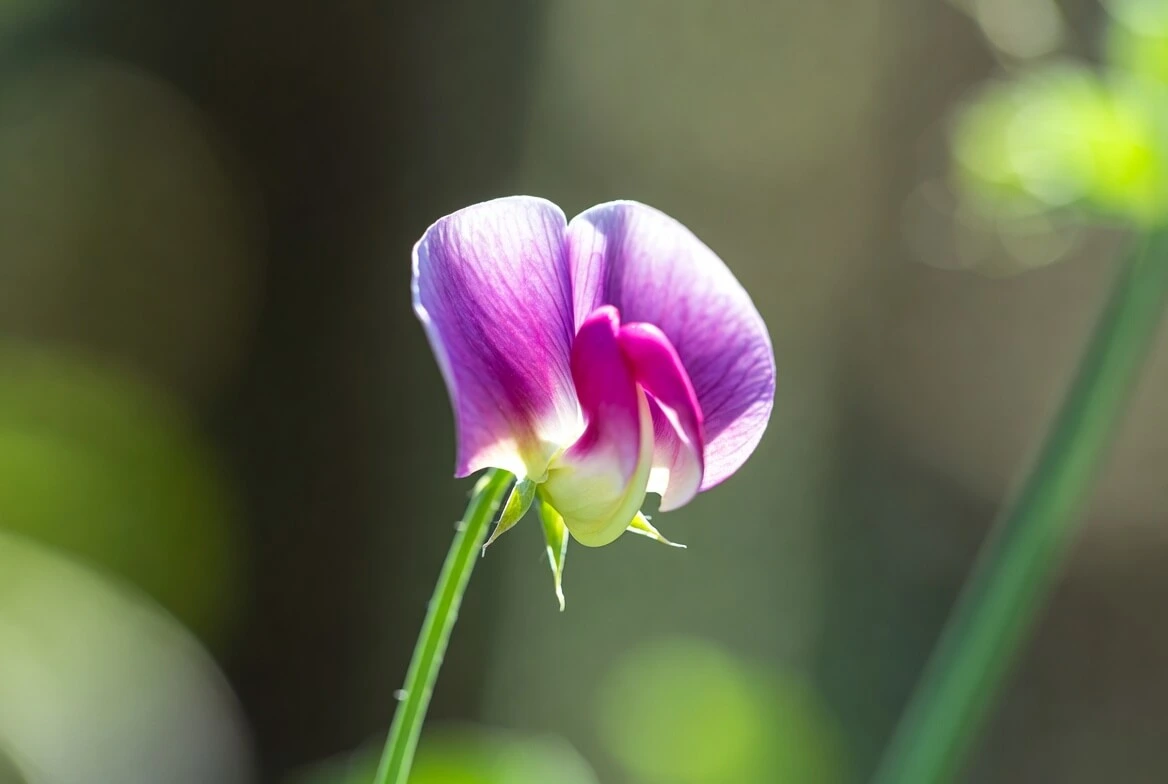
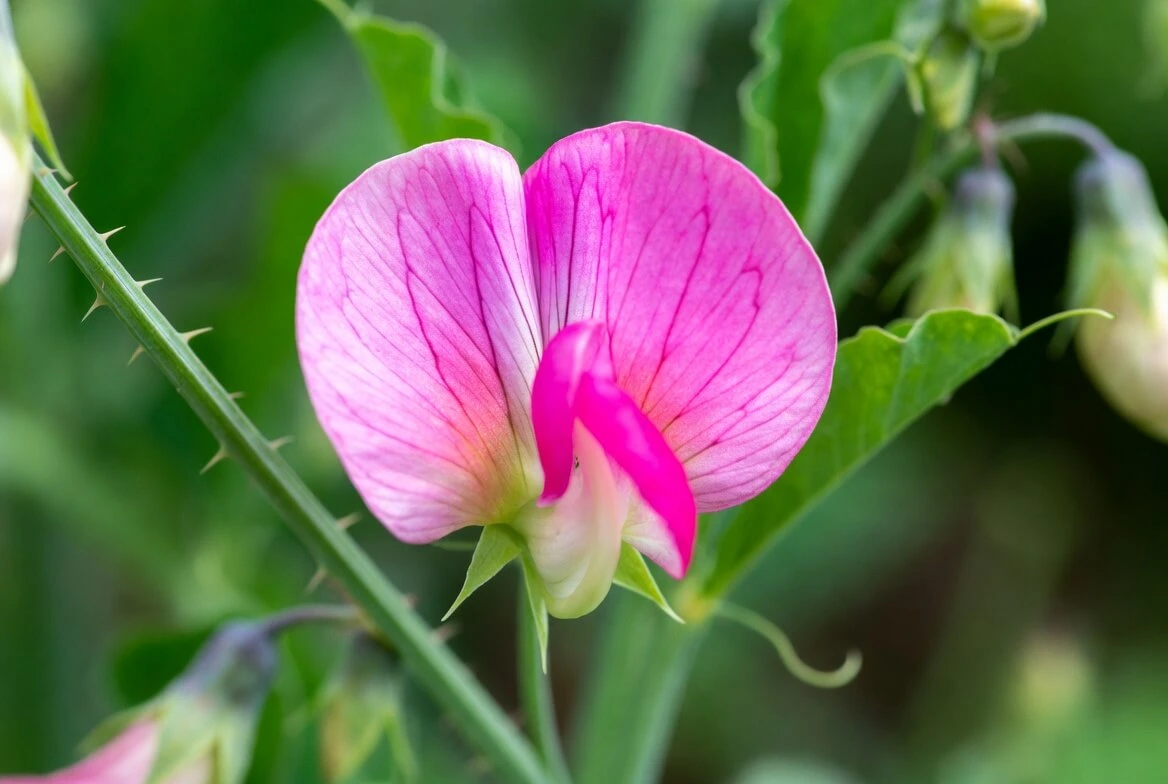
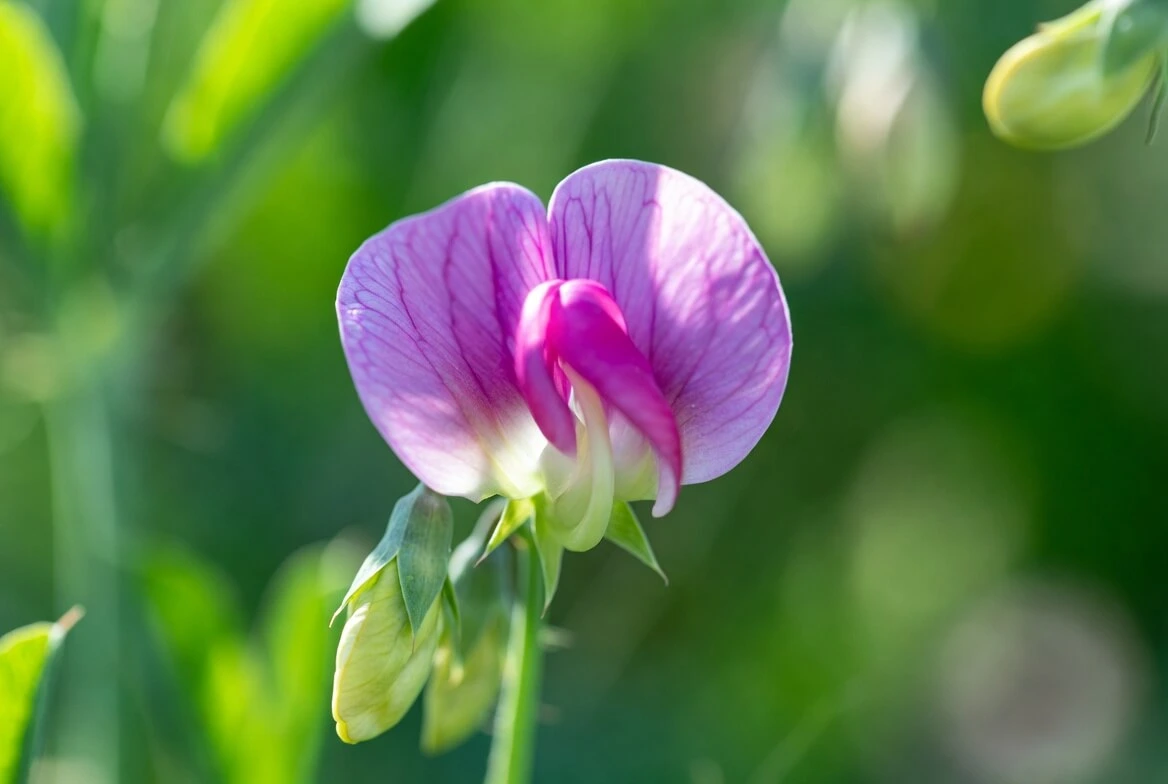
The sweet pea flower comes in every color except blue. Pastels, deep purples, striped varieties, pure whites with ruffles. All on long stems perfect for cutting. But the fragrance is what makes them special.
That cotton-candy, old-fashioned perfume smell? It’s real. Not all varieties have it, but the good ones will make your cutting garden smell like a dream.
The sweet pea advantage:
- Blooms for 2-3 months straight
- Handles cool weather perfectly
- More you cut, more they bloom
- Costs under $5 for 20+ seeds
- Climbing plants save garden space
I spend $15 on sweet pea seeds each spring. Get hundreds of stems for bouquets. A single stem costs $3-5 at the florist. At Zoned Garden, we prioritize flowers that deliver maximum results, and sweet peas consistently outperform expectations when you give them what they need.
Sweet Pea Flower Meaning (Why People Love Them)
The sweet pea flower makes them perfect for more than just cutting gardens. They symbolize blissful pleasure and goodbye. Sounds weird but it works. People use them for spring weddings, farewell bouquets, and “thank you” arrangements.
April birthday flowers too. So if you know someone born in April, a sweet peas flower bouquet hits differently than roses.
I started getting requests from neighbors once mine were blooming. “Can I buy some for my daughter’s wedding?” “Do you have white ones for a sympathy arrangement?” That’s when I realized sweet peas aren’t just pretty. They mean something to people.
The Victorian flower language assigned them “departure” and “lasting pleasure.” Which explains why they show up in so many sentimental bouquets.
Sweet Pea Flower Drawing and Design Ideas
A sweet pea flower drawing captures those delicate ruffled petals and climbing vines perfectly. Artists love them because they’re complex enough to be interesting but simple enough to not overwhelm a design. The butterfly-shaped blooms and curling tendrils make for great botanical illustrations.
If you’re planning a sweet pea flower tattoo, you’ve got good taste. They’re trending hard right now. People get them for the April birth flower connection or the symbolism. Small delicate designs on wrists and ankles. Larger pieces with vines wrapping around arms or shoulders.
The pastel colors translate beautifully to tattoos. Soft pinks, purples, and whites with green vines look incredible when done right.
Just make sure your tattoo artist has experience with botanical work. Sweet peas have specific petal shapes that generic “flower tattoos” often miss.
When to Plant Sweet Pea Seeds: Timing depends on your climate.
- Cool climate areas: Plant in early spring as soon as soil is workable.
- Mild winter areas: Plant in fall (September-November) for spring blooms.
- I’m in a mild zone. I plant mine in October. They grow slowly through winter, then explode with blooms in March.
- My neighbor plants hers in February. She gets flowers in May. Same effort, different timing.
The key is cool weather. Sweet peas hate heat. They want to grow and bloom before summer temperatures hit. Plant too late? They’ll bloom for two weeks then quit when it gets hot.
How to Start Sweet Pea Seeds
People overcomplicate this. You have two options: pots or direct sowing.
My preferred method (deep pots):
- I use deep pots (4-5 inches) filled with regular potting mix plus some compost.
- Plant 2-3 seeds per pot, 1/2 inch deep. Water. Wait 7-10 days for germination.
Why deep pots matter: Sweet peas grow long tap roots immediately. Shallow pots stunt them from day one.
- I tried seed trays my first year. The plants never recovered from the root crowding. Weak stems. Half the blooms.
- Deep pots let roots stretch. Stronger plants. Better results.
Direct sowing option:
- Wait until soil is workable. Plant seeds 1/2 inch deep, 6 inches apart, right where you want them to grow.
- Make sure your trellis is already in place. Sweet peas start climbing within 3 weeks.
Soaking seeds (optional):
Some people soak seeds 24 hours before planting to speed germination. I’ve done it both ways. Makes maybe 2 days difference.
Skip it if you want. Your choice.
The Pinching Trick That Doubles Your Blooms
This felt wrong the first time I did it. Cut the top off your seedlings when they’re 6 inches tall. Just snip the growing tip right above a leaf. Looks like you’re killing it. You’re not. You’re forcing it to branch. One stem becomes 3-4 stems. More stems = way more flowers.
I didn’t pinch my first year. Got tall single-stem plants with okay blooms. Pinched the second year. Got bushy multi-stem plants with triple the flowers. Takes 30 seconds per plant. Makes a massive difference.
For more techniques on maximizing flower production in your cutting garden, check out our complete guide to at Zoned Garden.
Sweet Pea Soil and Feeding
These plants eat like crazy. I dig a trench 12 inches deep where I’m planting. Fill it halfway with compost or aged manure. Then add soil back on top. The roots grow down deep. When they hit that compost layer, the plants explode with growth.
My feeding schedule:
- Compost trench at planting
- Liquid fertilizer every 2-3 weeks once flowering starts
- Extra compost as mulch around base
I use diluted fish emulsion or seaweed fertilizer. Works great. Skipped feeding my first year. Plants were okay but not amazing. Fed them properly the next year. Night and day difference.
Support Structures for Sweet Pea Plants
You need something tall and sturdy. These vines grow 6-8 feet easily. Those cute little trellises from the garden center? Not even close to enough.
My setup:
- 8-foot metal fence panels between posts
- Or netting attached to tall bamboo poles
- Planted in two rows (one each side of trellis)
- Space plants 8 inches apart
The mesh needs to be fine enough for tendrils to grab. Chicken wire works. So does plastic netting. I tried thick wooden lattice once. The tendrils couldn’t grip it. Plants flopped everywhere.
Get the support right from day one. Trust me.
Watering Sweet Pea Flowers
Sweet peas are thirsty plants: They’ll tell you when they’re dry by wilting. I water deeply 2-3 times per week. More during hot spells. Drip irrigation or soaker hoses work best. Keeps water off the leaves (prevents mildew).
Mulch helps: I put 2-3 inches of mulch around the base once plants are established. Keeps soil moist longer. The “cool feet, warm heads” rule applies here. Keep the roots shaded and moist. Let the tops climb into full sun. Plant some low annuals at the base if you want. Marigolds or calendula work great.
Harvesting Sweet Peas for Maximum Blooms
The more you cut, the more they bloom. This is not optional if you want a long season.
- Pick flowers every 3-4 days minimum. Even if you don’t need them.
- Cut stems when you see 2-3 unopened buds at the tip. They’ll open in the vase.
I cut deep into the plant – 12+ inches down. This triggers more branching lower down. More branches = more future flowers. Also remove all spent blooms. If you let seed pods form, the plant thinks it’s done and stops flowering.
Vase life is short: 4-5 days typically. Add flower food to the water. Helps them last an extra day or two. I make bunches with rubber bands right in the garden. Saves time arranging later.
At Zoned Garden, we emphasize that consistent harvesting is the single biggest factor in extending your sweet pea season from weeks to months.
Best Sweet Pea Varieties for Fragrance
Not all sweet peas smell good. Some modern varieties sacrificed scent for bigger flowers.
Always check the seed packet. It should say “highly fragrant” or “perfumed variety.”
Top fragrant varieties:
- ‘Matucana’ – strongest scent, purple/maroon, old heirloom
- ‘Cupani’ – original variety, incredible fragrance
- ‘Blue Velvet’ – long flowering, good scent
- ‘Erewhon’ – mauve purple, sturdy stems
I grow Matucana every year. The scent is unreal. Stems aren’t as long but I don’t care. That fragrance wins. Modern Spencer types have big showy flowers but less scent. I skip them.
Common Sweet Pea Problems I’ve Fixed
- Powdery mildew on leaves: White powder coating everything. Happens in humid weather or when leaves stay wet.
- Fix: Water at soil level only. Space plants for airflow. Accept that leaves get ugly but flowers stay perfect.
- Aphids: Little green bugs clustering on new growth.
- Fix: Spray them off with water. Or use insecticidal soap. Check weekly.
- Plants won’t bloom: Usually means too much shade or planted too late for your climate.
- Fix: Full sun minimum 6 hours. Plant at the right time for your zone.
- Weak leggy stems: Not enough sun or roots got crowded in small pots early on.
- Fix: More sun. Use deeper pots next time.
For comprehensive solutions to common garden pests and diseases, visit our at Zoned Garden.
Sweet Pea Growing Timeline
- Week 1-2: Seeds germinate in 7-10 days.
- Week 3-4: Seedlings reach 4-6 inches. Time to pinch.
- Week 6-8: Plants growing rapidly, starting to climb.
- Week 10-12: First flowers appear (timing varies by planting date).
- Month 3-5: Peak blooming period with proper harvesting.
My fall-planted sweet peas bloom March through May. That’s 12+ weeks of flowers.
Why I Grow Sweet Peas Every Year
The fragrance alone is worth it. But the actual growth is easy once you get the basics right. Deep pots, rich soil, tall support, consistent watering, regular cutting.
Do those five things and you’ll have success.
I’ve tried dozens of annual flowers. Sweet peas give me the best return for effort in the cool season. Plus that smell. Walking past my sweet pea patch in full bloom? Best part of spring.
Sweet Pea FAQs
Are sweet peas easy to grow?
Yes, if you give them cool weather, rich soil, tall support, and consistent water. They’re trickier to perfect than zinnias but still beginner-friendly.
Do all sweet peas smell good?
No. Modern varieties often sacrifice fragrance for larger flowers. Look for “highly fragrant” or “perfumed variety” on seed packets for the best scent.
How long do sweet pea flowers last?
Sweet pea flowers bloom for 2-3 months with regular harvesting. Individual cut stems last 4-5 days in a vase with flower food.
When should I plant sweet peas?
Depends on climate. Cool areas: early spring. Mild winter areas: fall. The goal is blooms before summer heat arrives.
Do sweet peas come back every year?
No, they’re true annuals. However, they self-seed readily, so you may get volunteers the following year.
How tall do sweet peas grow?
6-8 feet typically with proper support and feeding. Some varieties stay shorter (4-5 feet) while others can reach 10 feet.
What do sweet pea flowers look like?
They have delicate, ruffled petals with a butterfly-like shape, growing in soft pastel or vibrant colors on slender, climbing stems.
The Real Secret to Sweet Pea Success
Start with fragrant varieties. That’s non-negotiable. Then give them deep pots, rich soil, tall support, and consistent water. Pinch them once. Cut them often. Feed them regularly.
That’s 90% of success. I wasted my first year overcomplicating it. Worried about seed scarification, perfect soil pH, exact germination temperatures. None of that mattered as much as the basics.
Sweet peas don’t need perfection. They need cool weather, good support, and regular attention.