Wedding Flowers That Hold Up, Look Right, and Fit Your Budget

Wedding flowers fail for 3 reasons: wrong season for the bloom, flowers chosen for looks rather than durability, and no plan for heat or cold. This guide covers which flowers peak in each season, which hold up best from ceremony through reception, and how to choose by color palette and style — so your flowers look as good at 9 PM as they did walking down the aisle.

Expert guides
0 +
Shrub varieties
0 +
USDA zones
0 +

Wedding Flower Styles — From Romantic to Modern Minimal

Wedding flower style matters as much as flower choice. The same bloom — a white garden rose — works in a tight formal centerpiece, a loose romantic arrangement, and a single-stem minimal place setting. Match the flower style to the venue, the dress, and the overall aesthetic before choosing individual blooms.

Romantic — Lush and Layered

Full arrangements with layered petals, fragrance, and soft color. High-petal-count flowers dominate — no single-petal blooms.Best flowers: Garden roses, peonies, ranunculus, sweet peas, lisianthus, jasmine vine

Wildflower — Natural and Loose

Unstructured arrangements that look gathered from a field. Irregular stem lengths, mixed textures, and plenty of foliage between blooms.Best flowers: Cosmos, zinnias, yarrow, Queen Anne's lace, scabiosa, herbs, grasses

Modern Minimal — Clean Lines, One Focal Bloom

Single-variety bouquets, architectural blooms, and sculptural greenery. Negative space is part of the design. No filler flowers.Best flowers: Protea, anemone, tulip, anthurium, tropical leaves, calla lily

Bohemian — Textured and Earthy

Dried elements mixed with fresh flowers. Warm earthy tones — rust, terracotta, mauve, and cream. Dried pampas grass, seed pods, and berries add texture.Best flowers: Dahlias, dried pampas, chrysanthemums, celosia, strawflower, dried lunaria

Classic and Formal — Structured Arrangements

Symmetrical centerpieces, tight round bouquets, and formal urn arrangements. Flowers in 2–3 complementary colors only. No wildflower looseness.Best flowers: Roses, hydrangea, stephanotis, lily of the valley, white orchids, gardenias

Garden Party — Colorful and Joyful

Multiple color families used together. Bright and saturated rather than soft and muted. More is more — full, generous arrangements that make guests smile.Best flowers: Dahlias, zinnias, sunflowers, sweet William, stock, alstroemeria, marigolds

Wedding Flowers by Season — Availability and Durability Chart

Every flower listed with its peak season, how long it holds as a cut flower, heat tolerance, and average cost per stem so you can plan your wedding flower budget accurately.

FlowerPeak SeasonVase LifeHeat ToleranceCost per StemBest Use
Garden RoseMay–Oct5–7 daysMedium$3–$8Bouquet focal flower
PeonyMay–Jun5–7 daysLow — wilts fast$4–$10Spring bouquets
RanunculusMar–Jun7–10 daysLow$2–$4Bouquets, boutonnieres
TulipMar–May5–7 daysLow$1–$2Single-variety bouquets
HydrangeaJun–Sep5–7 daysLow — needs water$3–$6Volume filler, centerpieces
DahliaJul–Oct4–6 daysMedium$3–$7Fall bouquets, centerpieces
ChrysanthemumSep–Nov14–21 daysHigh$1–$3Fall centerpieces, filler
ZinniaJun–Oct7–10 daysHigh$0.75–$2Summer/fall budget bouquets
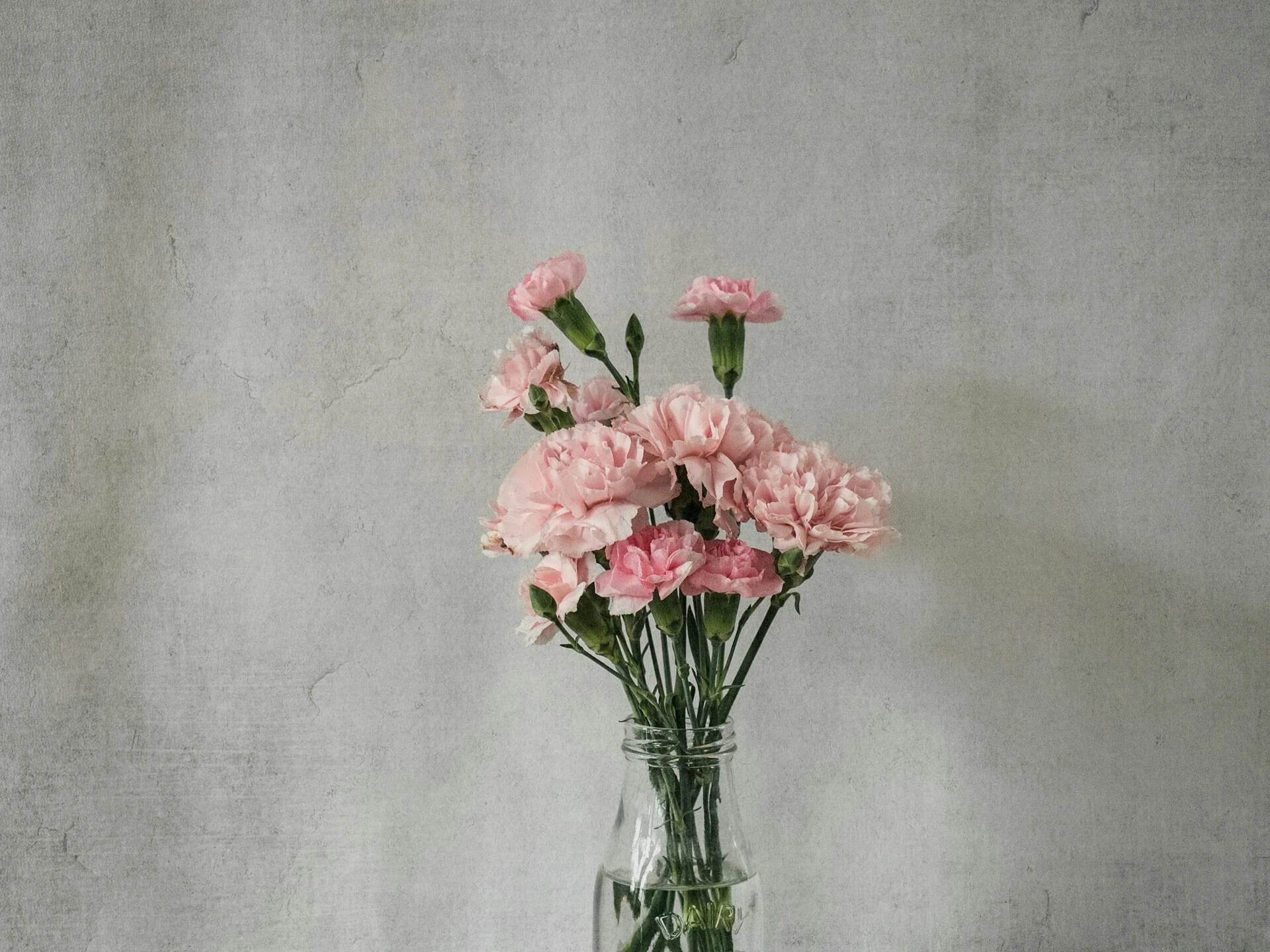
CarnationYear-round14–21 daysHigh$0.50–$1Budget filler, lapel flowers
AnemoneOct–Apr5–7 daysLow$2–$4Winter/spring bouquets
LisianthusJun–Sep10–14 daysMedium$1–$2Budget rose alternative
Sweet PeaApr–Jun3–5 daysVery low$1–$2Fragrant spring filler
CosmosJul–Oct5–7 daysMedium$0.50–$1.50Wildflower bouquets
ProteaYear-round14–21 daysHigh$5–$12Modern minimal statement
AmaryllisNov–Feb10–14 daysMedium$4–$8Winter wedding focal flower

3 Things That Keep Wedding Flowers Fresh From Ceremony to Last Dance

Wedding flowers spend 10–14 hours out of water on the wedding day. The right prep the night before and the right handling on the day makes the difference between flowers that look perfect at 10 PM and ones that wilt by dinner service.

Recut stems and deep hydrate overnight — 8 hours minimum

Cut 1 in (2.5 cm) off every stem at a sharp 45-degree angle the evening before the wedding. Place all flowers immediately into clean buckets with fresh water and floral preservative — the preservative extends vase life by 2–3 days compared to plain water. Stand bouquets upright in water deep enough to cover the bottom third of the stems. Keep the room temperature between 40°F–50°F (4°C–10°C) overnight — a garage or basement is ideal. Do not refrigerate flowers near fruits or vegetables: ethylene gas from ripening produce accelerates wilting in cut flowers by 50% or more. Eight hours of overnight hydration buys 4–6 extra hours of freshness the following day.

Transport in cooled vehicles — not car trunks

A car trunk in summer reaches 130°F–150°F (54°C–65°C) within minutes of parking. Flowers placed in a trunk for a 30-minute drive in July arrive wilted and do not recover. Transport all wedding flowers in the air-conditioned passenger area, standing upright in buckets with 2 in (5 cm) of water. Do not lay bouquets flat — stems compress and water uptake stops. At the venue, keep flowers in a cool room or walk-in cooler until 30–45 minutes before use. Bouquets in the ceremony area should come out of water no more than 45 minutes before the ceremony starts. Centerpieces can go to tables up to 2 hours before guests arrive — the vessel holds water.

Mist bouquets between ceremony and photos — do not soak

A fine mist of plain water on bouquet petals between the ceremony and the photo session refreshes the appearance without soaking the ribbon wrap or causing stems to slip in the holder. Carry a small spray bottle in the bridal party kit. Mist lightly — petals, not stems. For outdoor summer photos in direct sun, keep bouquets out of direct sunlight between shots — 5 minutes in direct midday sun wilts open peonies noticeably. Assign one member of the bridal party the specific job of holding bouquets in shade between photo poses. This single step keeps bouquets looking fresh through a 2-hour photo session in summer heat.