Plant categories are the navigation system of a well-planned garden. Knowing how to group plants by growth type, bloom season, hardiness zone, and garden use lets you design a garden that has something happening in every season — and ensures that every plant you choose will actually survive and thrive in your specific conditions.
Zoned Garden organizes plants across 5 intersecting category systems. Browse one system to narrow your search, or combine multiple criteria to find exactly what you need.
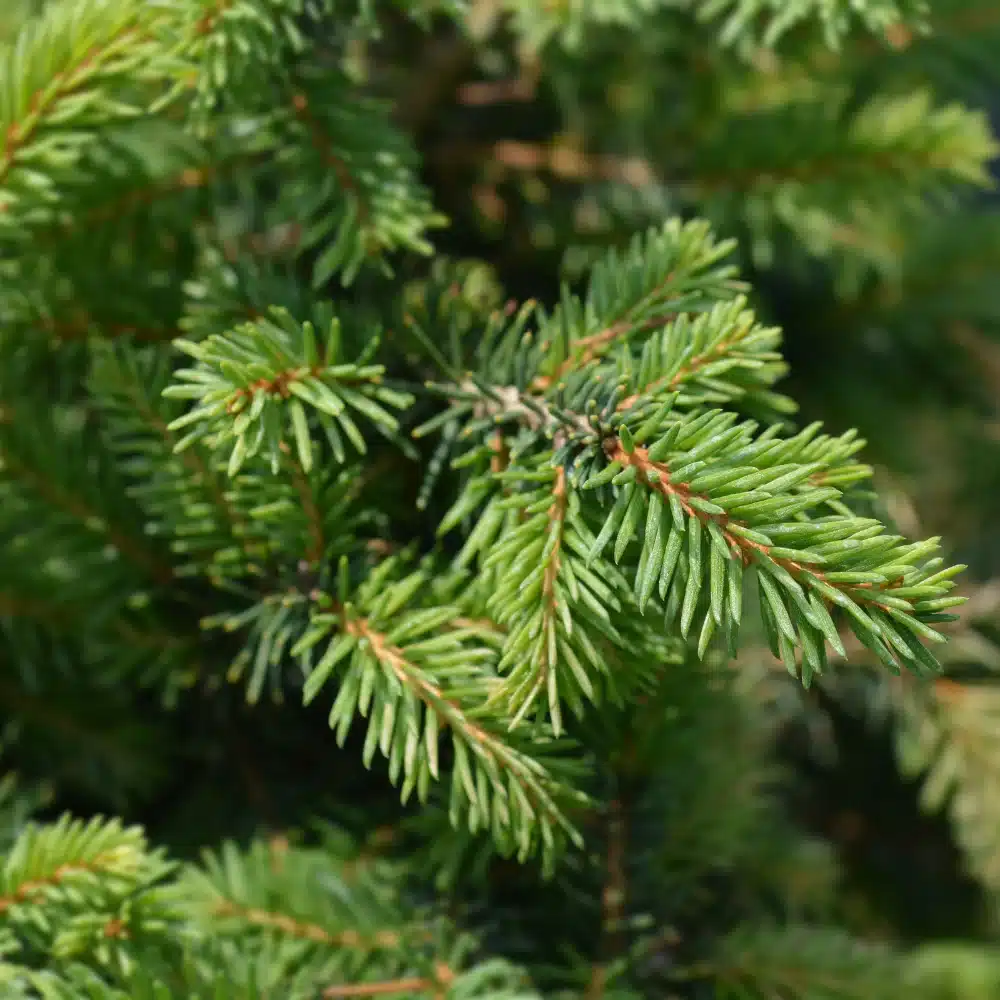
Woody plants with a dominant trunk reaching 13+ feet at maturity. Provide shade, structure, habitat, and multi-season interest. Zoned Garden covers both deciduous and evergreen trees, flowering trees, and small ornamental varieties suitable for residential gardens.
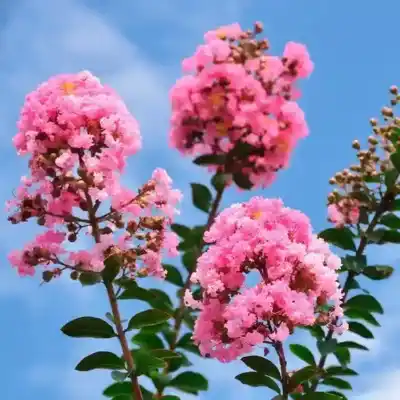
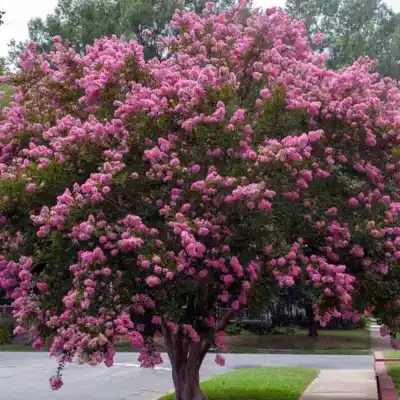
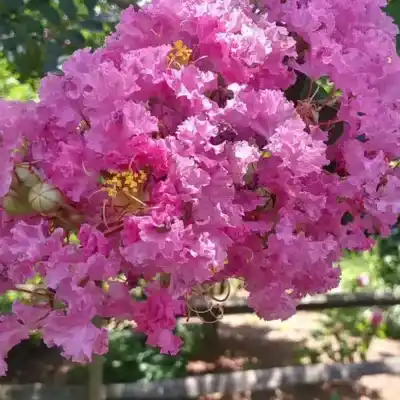
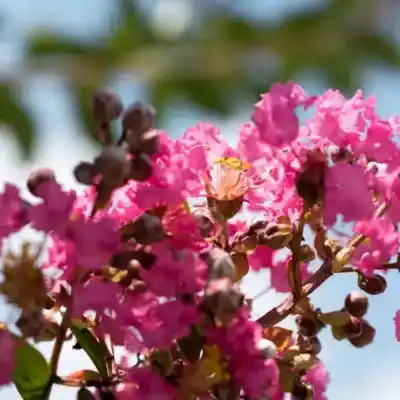
Featured: Crape myrtle (Lagerstroemia) — one of the most versatile summer-flowering trees available in zones 6–10. Available in sizes from 3 feet to 30 feet in dozens of flower colors.
Multi-stemmed woody plants under 13 feet. The structural backbone of any garden design. Zoned Garden covers flowering shrubs, evergreen shrubs, hedging plants, and dwarf compact forms suited to small gardens and containers.
Featured: Dwarf crape myrtle — all the flower power of standard varieties in plants that stay 2–8 feet, perfect for modern residential landscapes.
Non-woody plants that return from their roots each spring. The sustainable long-term investment in any garden. Includes sun perennials, shade perennials, drought-tolerant options, and plants selected specifically for wildlife value.
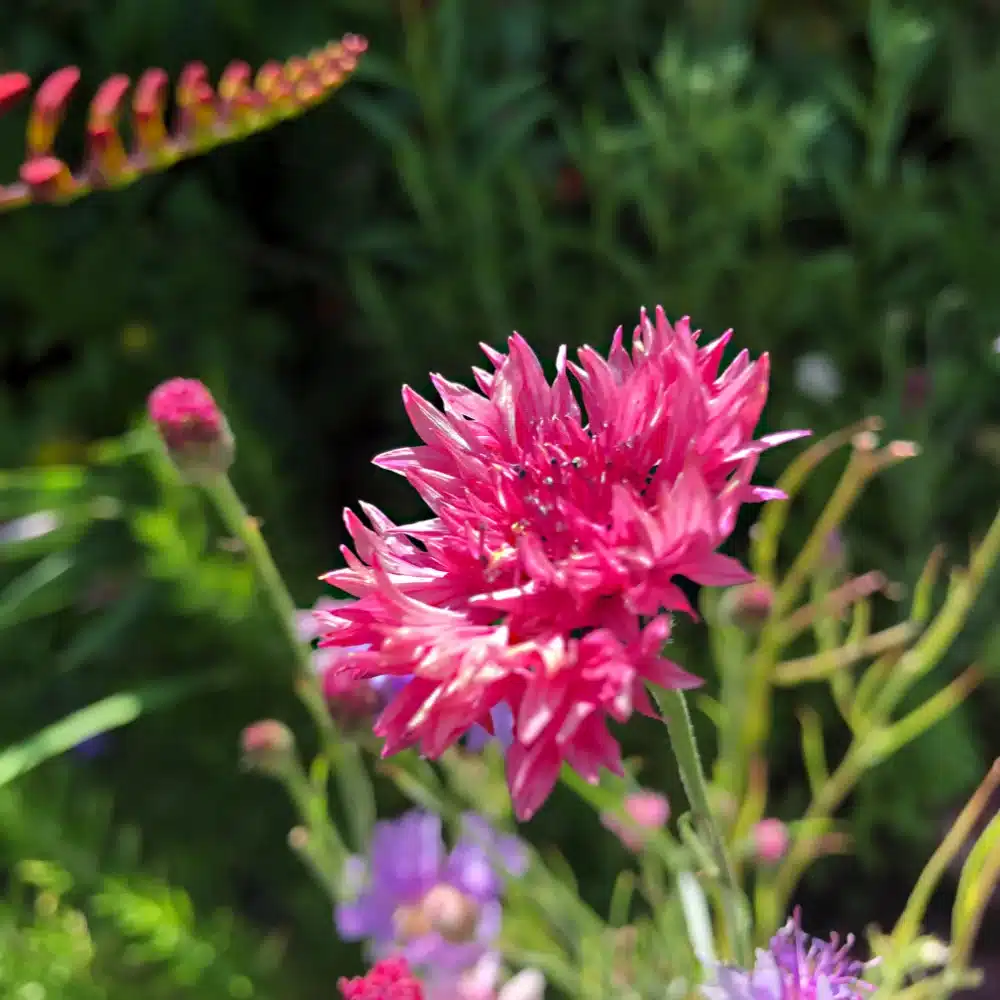
Single-season color plants. The most prolific bloomers in any garden category. Includes hardy annuals that tolerate cool weather, half-hardy types, and tender warm-season annuals for summer displays.
Spring-blooming bulbs (plant in fall) and summer-blooming bulbs (plant in spring). Includes true bulbs, corms, tubers, and rhizomes. One of the highest-return-for-effort plant categories in gardening.
Vertical growers for fences, trellises, arbors, and walls. Includes annual and perennial vines, flowering and foliage types.
Water-storing plants for dry gardens, containers, and rock gardens. Includes both cold-hardy and tender varieties.
Texture plants for borders, slopes, and mixed beds. Includes grasses, sedges, and low-growing groundcovers for shade and sun.
Season | Featured Plants | What to Expect |
|---|---|---|
Early Spring (Feb–Mar) | Snowdrops, crocus, witch hazel, hellebore, early daffodils | First color of the year; often while frost still threatens |
Mid-Spring (Apr–May) | Tulips, daffodils, azaleas, lilac, bleeding heart, peonies | Peak spring display; most vivid season for bulbs and shrubs |
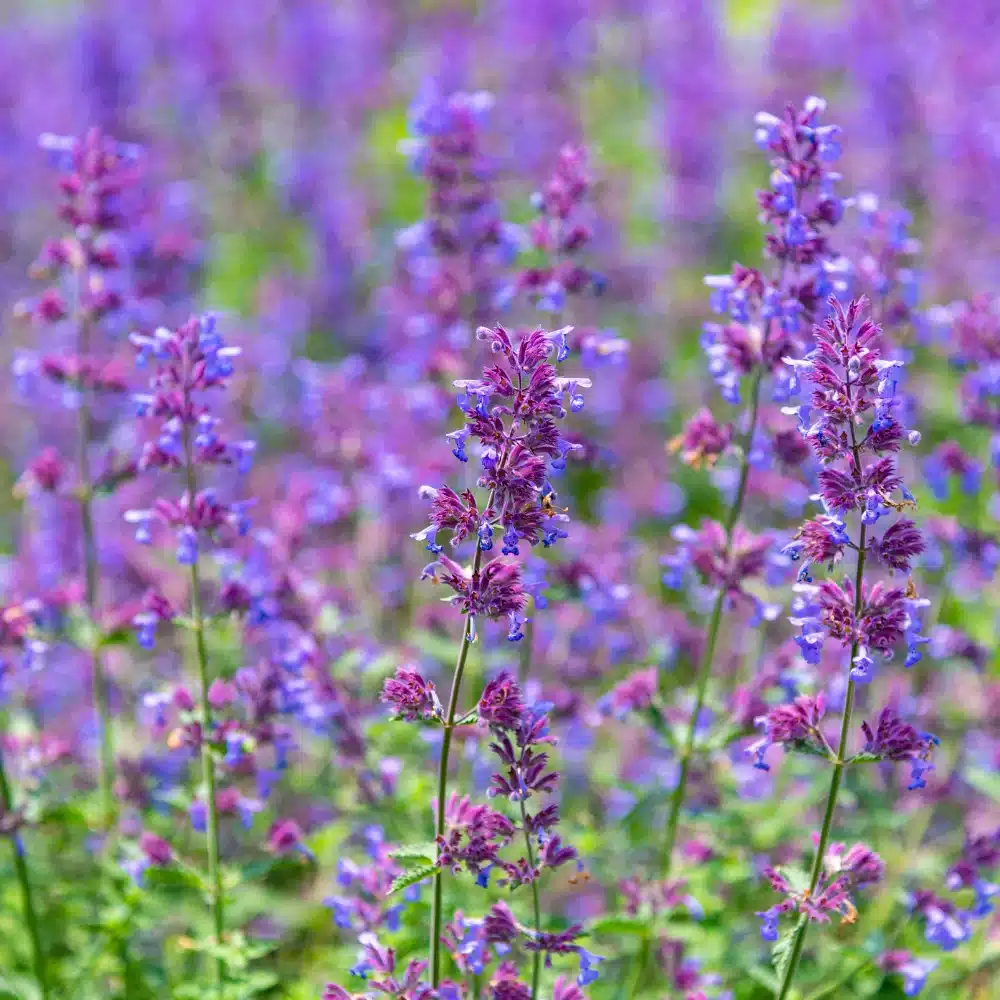
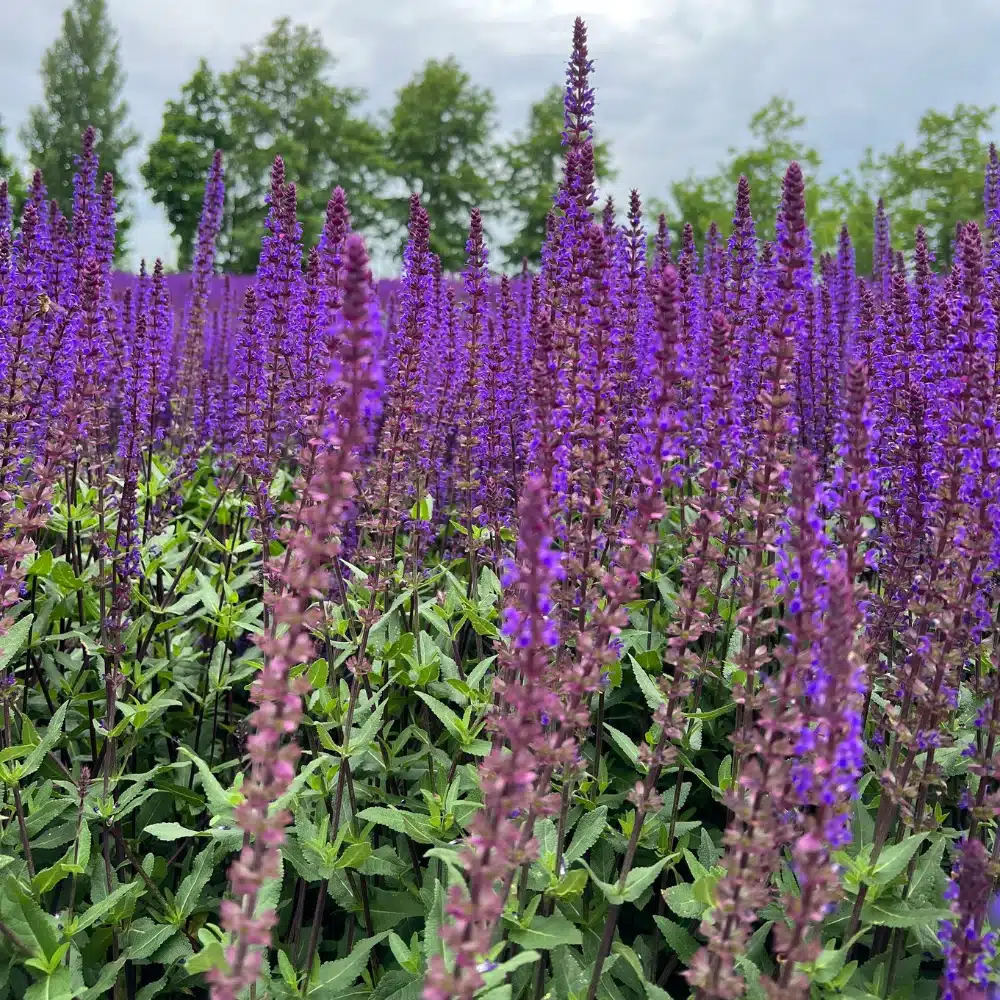
Late Spring–Early Summer (May–Jun) | Roses, alliums, iris, catmint, salvia, crape myrtle begins | Transition to summer; overlapping spring and summer bloomers |
Summer (Jun–Aug) | Crape myrtle, black-eyed Susan, coneflower, daylily, lavender, gladiolus | Longest season; heat-tolerant plants dominate |
Late Summer–Fall (Aug–Oct) | Asters, chrysanthemums, marigolds, sedums, ornamental grasses in seed | Often the most underplanted season; great opportunity |
Winter (Nov–Feb) | Holly berries, paperwhite narcissus, snowdrops, witch hazel, ornamental kale | Structure and texture replace bloom; evergreens essential |
A 4-season garden is not complicated — it requires planning across all 6 bloom windows above. The most common mistake is planting heavily for spring and summer, then having nothing interesting from September through February. 3 plants solve this:
The USDA Plant Hardiness Zone Map divides North America into 13 zones based on the average annual extreme minimum winter temperature. Matching a plant’s zone rating to your zone is the most fundamental decision in garden planning — a plant rated for zones 7–9 will die in a zone 5 winter.
Zone | Min. Temp (°F) | Min. Temp (°C) | Typical Locations | Key Plants |
|---|---|---|---|---|
Zone 3 | -40 to -30°F | -40 to -34°C | Minnesota, ND, parts of Canada | Siberian iris, daylily, hosta, black-eyed Susan, lilac |
Zone 4 | -30 to -20°F | -34 to -29°C | Chicago, Denver, Maine | Peony, coneflower, ornamental grasses, most roses |
Zone 5 | -20 to -10°F | -29 to -23°C | Kansas City, St. Louis, Boston | Hydrangea, crape myrtle (cold-hardy), lavender |
Zone 6 | -10 to 0°F | -23 to -18°C | Philadelphia, DC, Louisville | Standard crape myrtle (some), most roses, butterfly bush |
Zone 7 | 0 to 10°F | -18 to -12°C | Atlanta, Dallas, Seattle | Full crape myrtle range, camellia, gardenia, azalea |
Zone 8 | 10 to 20°F | -12 to -7°C | Houston, Charlotte, Portland OR | Crape myrtle thrives, bougainvillea in sheltered spots |
Zone 9 | 20 to 30°F | -7 to -1°C | Phoenix, Los Angeles, San Antonio | Tropical shrubs, citrus, bird of paradise |
Zone 10 | 30 to 40°F | -1 to 4°C | Miami, Los Angeles Coast, Hawaii | Tropical and subtropical plants, year-round blooming |
Best plants: Natchez crape myrtle (white, 30 ft), Muskogee crape myrtle (lavender, 25 ft), arborvitae (Thuja), Leyland cypress, cherry laurel, evergreen viburnum, bamboo (clumping varieties only). For flowering screening: crape myrtle varieties bloom all summer while providing 15–25 feet of screening.
Best plants: purple coneflower (Echinacea), black-eyed Susan (Rudbeckia), bee balm (Monarda), milkweed (Asclepias — essential for monarch butterflies), butterfly bush (Buddleja), salvia, agastache, lavender, native asters. Design principle: aim for continuous bloom from April through October to support pollinators through their entire active season.
Best plants: dwarf crape myrtle (Chickasaw, Pocomoke, Berry Dazzle), geraniums (Pelargonium), petunias, calibrachoa, annual salvia, sweet potato vine, succulents, ornamental pepper, dwarf dahlias, miniature roses. Container success depends on 3 factors: adequate container size (minimum 12 inches for most flowering annuals), drainage holes, and more frequent watering and feeding than ground-planted specimens.
Best plants: hosta (the definitive shade perennial — 3,000+ cultivars), astilbe (feathery summer flowers), ferns (many types for all shade levels), coral bells (Heuchera — colorful foliage), impatiens (best annual for deep shade), bleeding heart (Dicentra), hellebore (winter and spring flowering), lily of the valley. Key principle: few flowering plants tolerate deep shade — most ‘shade plants’ actually prefer dappled or bright indirect light.
Best plants: lavender, coneflower, black-eyed Susan, sedum, ornamental grasses, agave, yucca, Russian sage (Perovskia), catmint (Nepeta), crape myrtle (all sizes), marigolds, portulaca, delosperma (ice plant). Drought tolerance develops over the first 1–2 years after planting — consistent watering during establishment is essential even for drought-tolerant plants.
Best plants: lavender, salvia, Russian sage, ornamental grasses, foxglove, daffodils (all Narcissus species), alliums, hellebore, coneflower, yarrow (Achillea), agastache, catmint, most succulents. Note: no plant is truly deer-proof when deer populations are high and food is scarce. Deer resistance ratings assume moderate deer pressure.
Trait | Why It Matters | Featured Plants |
|---|---|---|
Native plants | Evolved for local conditions; low maintenance; maximum wildlife value | Purple coneflower, black-eyed Susan, wild columbine, butterfly weed |
Fragrant plants | Sensory experience; attract pollinators; cut flower value | Lavender, roses, lilac, honeysuckle, gardenia, peony, sweet peas |
Colorful foliage | Extends visual interest beyond bloom season | Coral bells (Heuchera), coleus, ornamental grasses, Japanese maple |
Winter interest | Provides structure and beauty when most plants are dormant | Holly, ornamental grasses (seed heads), witch hazel, evergreens |
Long bloom season | Maximum return for planting investment | Crape myrtle (90–120 days), coneflower, black-eyed Susan, coreopsis |
Attracts hummingbirds | Wildlife value; motion and color in the garden | Salvia, trumpet vine, coral bells, bee balm, agastache |
Cut flowers | Harvest for indoor arrangements | Zinnia, dahlia, sunflower, larkspur, sweet pea, gladiolus |