Michigan Native Plants That Thrive Without the Extra Work

Michigan native plants survived thousands of years in zones 5–6 without irrigation, fertilizer, or winter protection. Plant them in the right conditions and they establish fast, support local pollinators, and outlast any introduced ornamental in your yard. This guide covers the best Michigan natives by plant type, growing condition, and season of interest.

Expert guides
0 +
More Pollinators
0 +
USDA zones
0 +

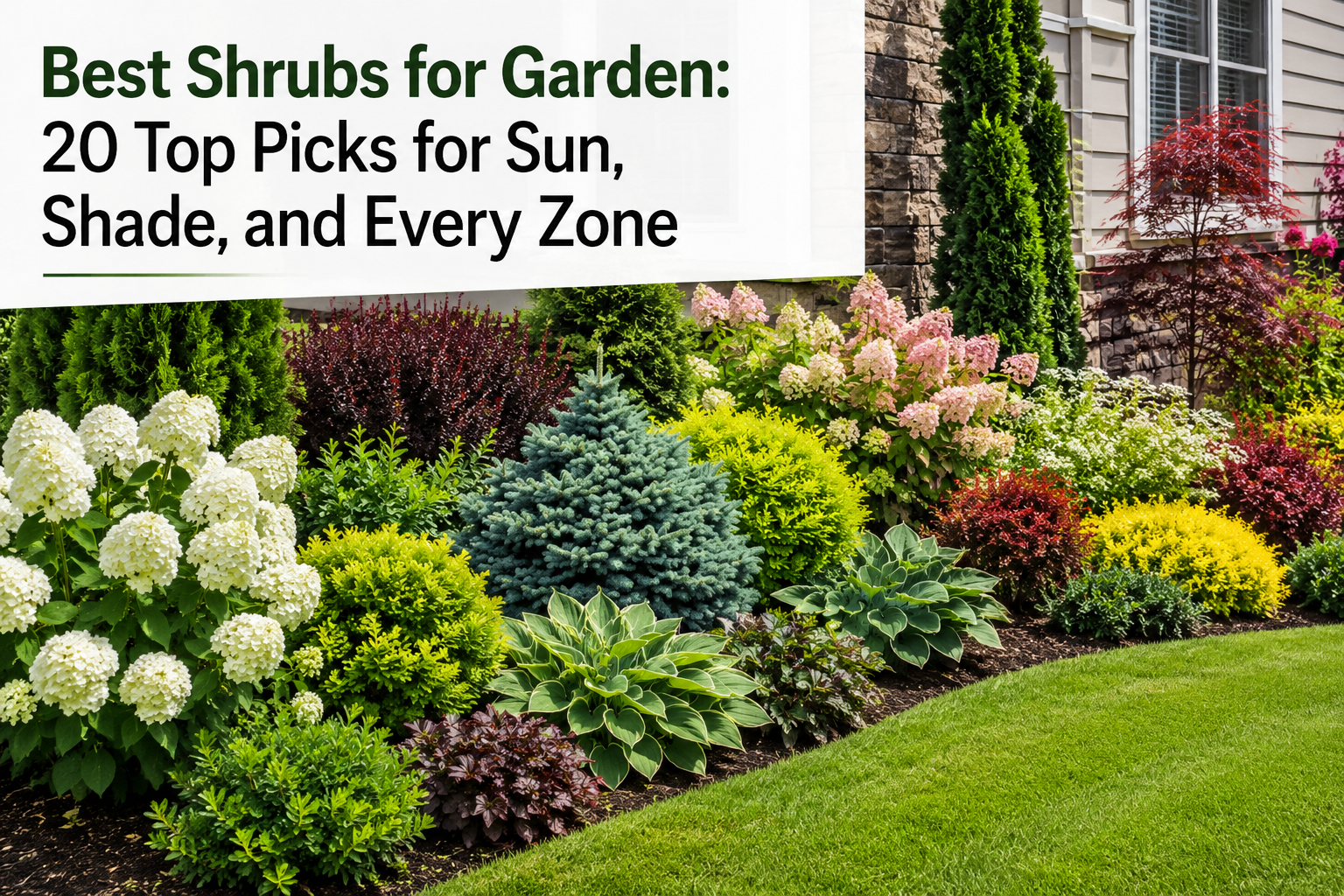
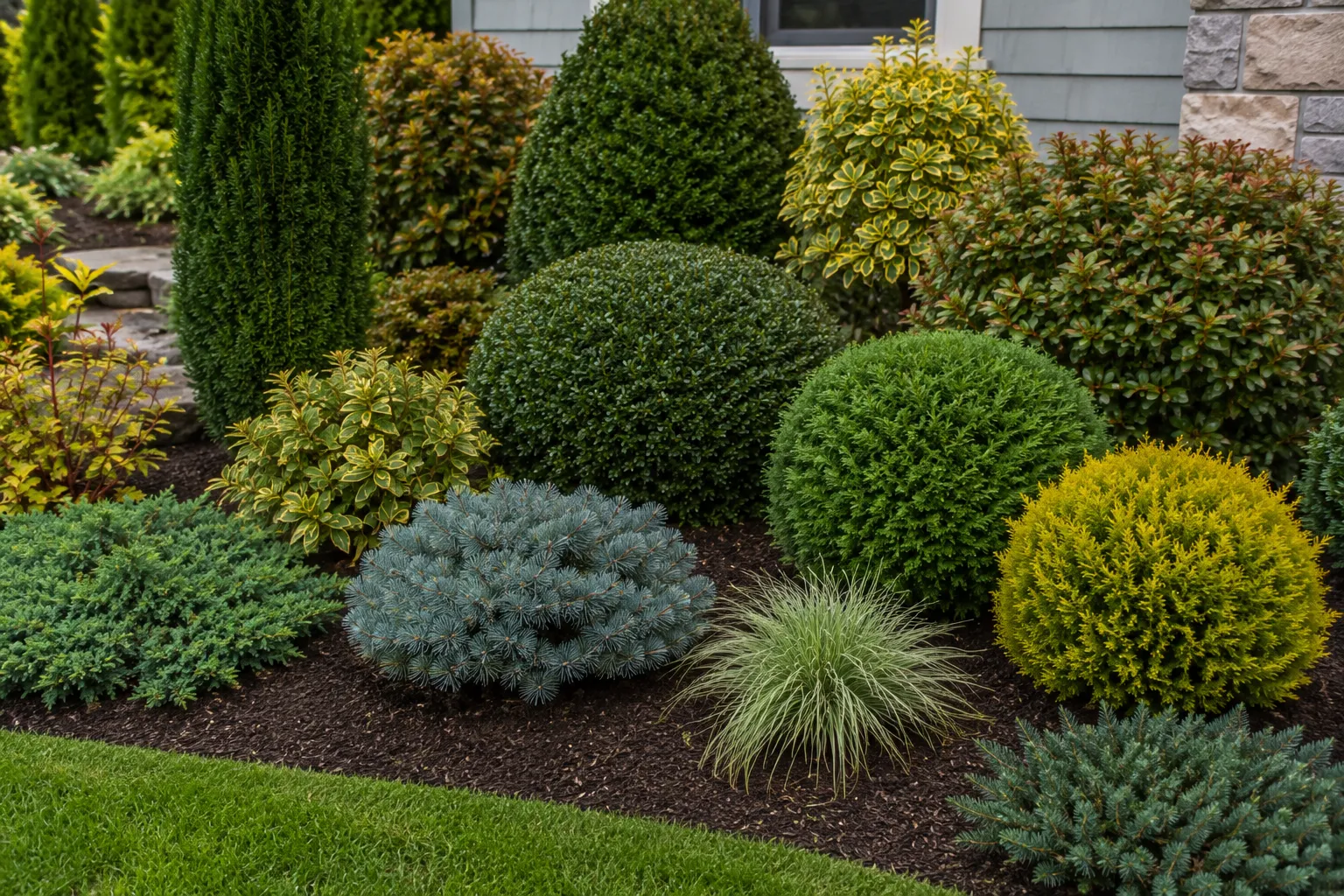
13 Best Shrubs for Front Yard: Curb Appeal by Height, Zone & Season

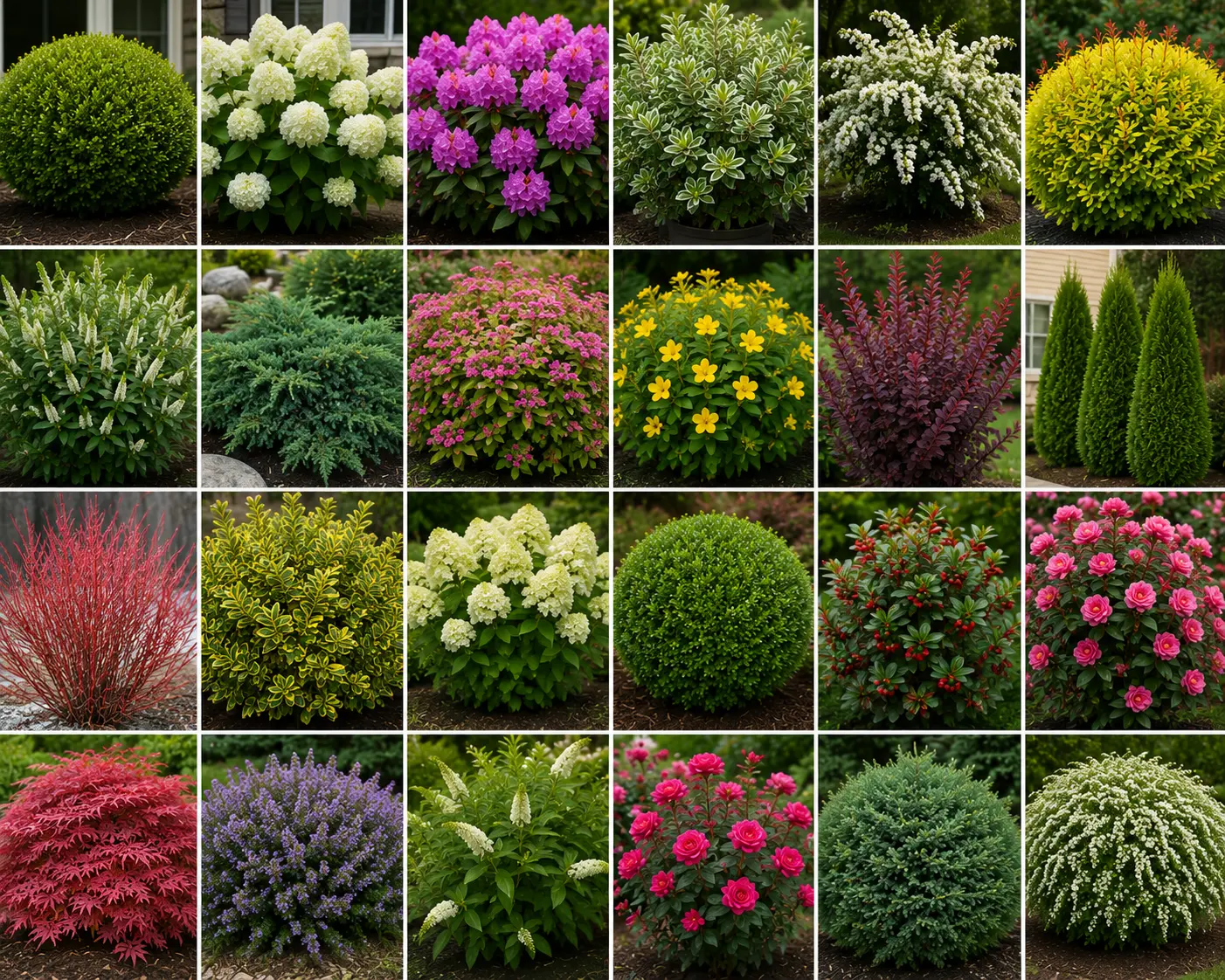
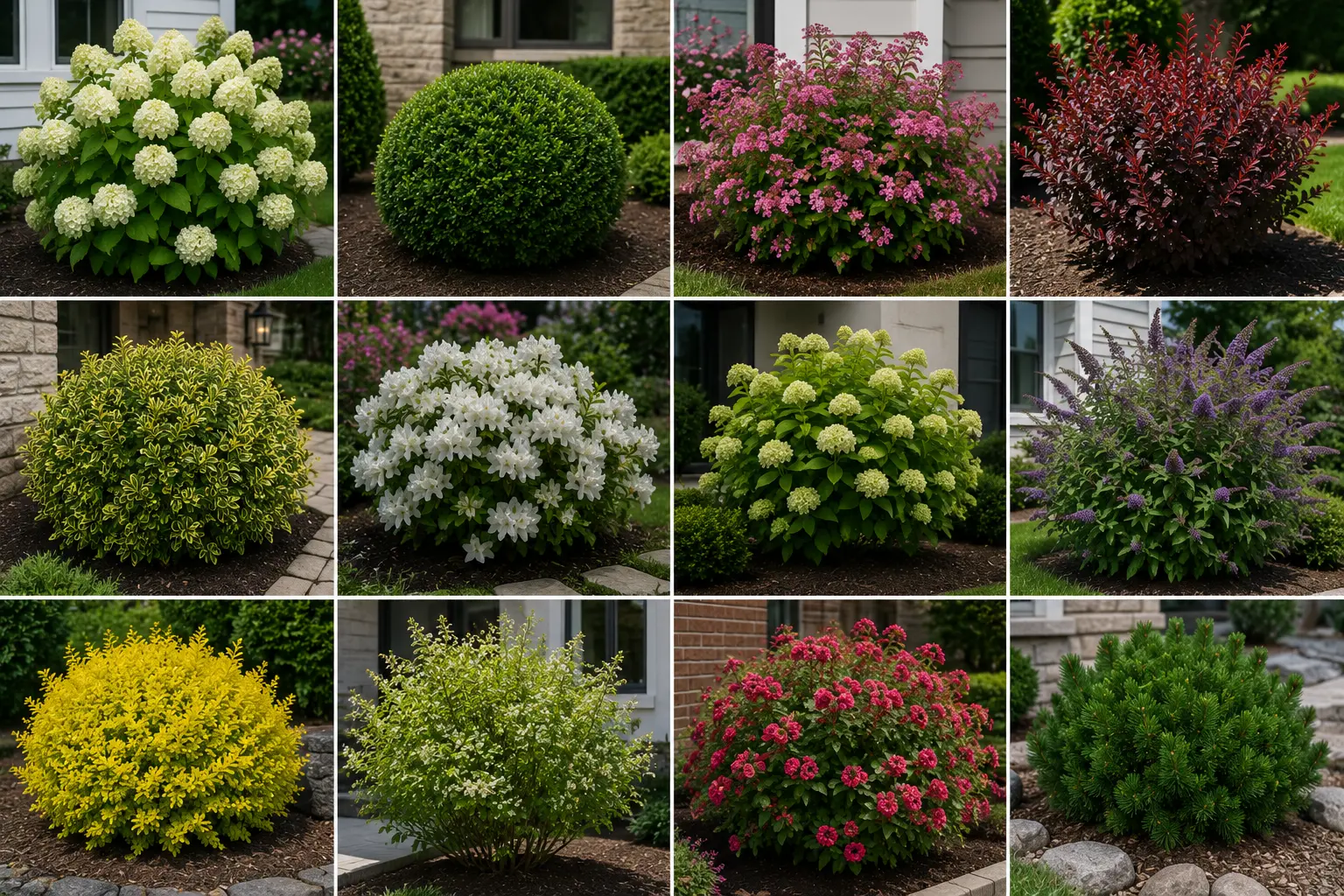
The 13 best shrubs for a front yard are Hydrangea, Boxwood, Azalea, Spirea, Knockout Rose, Dwarf Arborvitae, Rhododendron, Nandina, Weigela, Mugo Pine, Abelia, Dwarf Fothergilla, and Japanese Pieris. Each one delivers reliable curb appeal, tolerates typical front-yard conditions, and stays manageable without constant pruning. Front yards create the first impression of a home. The right shrubs do 3 things at once: add structure that holds the bed together year-round, deliver seasonal flowers or color that makes the property stand out, and stay proportional to the house so windows don’t get blocked and the facade doesn’t get swallowed. This guide gives

Read Full Guild »

All shrub guides

Michigan Natives for Every Growing Condition

Michigan’s growing conditions range from dry sandy soils in the west and north to heavy clay in southeast Michigan, wet lakeside areas near the Great Lakes, and deep shade under mature forest canopies. Match the plant to the actual conditions in your yard — not the conditions you wish you had.

Full Sun, Dry Soil

Sandy soils, south-facing slopes, and open meadow areas with 6+ hours of direct sun. These plants evolved on Michigan's dry prairies and oak savannas — they thrive with no supplemental water after establishment.

Full Sun, Moist Soil

Low areas, rain garden edges, and spots that stay consistently moist from spring runoff. Michigan's wet prairies and lake-edge habitats support some of the most dramatic native wildflowers. Best plants: Blue flag iris, swamp milkweed, Joe Pye weed, queen of the prairie, cardinal flower

Part Shade, Average Soil

The most common condition in Michigan residential yards — 3–6 hours of sun under the canopy of mature trees or on the north side of structures. Wide plant selection works here. Best plants: Wild columbine, wild ginger, Jacob's ladder, Solomon's seal, bloodroot

Deep Shade, Woodland Floor

Under dense canopy of oaks, maples, and beeches in established Michigan neighborhoods. Only woodland-adapted plants survive here — but several produce beautiful spring wildflower displays before the canopy leafs out. Best plants: Wild ginger, trillium, trout lily, mayapple, native ferns

Pollinator Gardens

Michigan hosts 465 native bee species — more than most US states. Native plants support 4× more pollinators than introduced ornamentals. A 100 sq ft (9.3 m²) native pollinator patch supports dozens of bee and butterfly species. Best plants: Purple coneflower, wild bergamot, goldenrod, asters, native milkweeds

Michigan Clay Soil

Southeast Michigan's heavy clay soil drains slowly and compacts easily. Most introduced ornamentals struggle — Michigan natives adapted to clay outperform them every time once established. Best plants: Black-eyed Susan, purple coneflower, switchgrass, blue wild indigo, swamp rose

25 Best Michigan Native Plants — Complete Reference Table

Sorted by bloom time so you can plan a garden that carries color from April through October with all native species.

Plant Type Bloom Time Height Condition Wildlife Value
Bloodroot Perennial March–April 6–10 in (15–25 cm) Shade, moist Early bee pollen
Wild Columbine Perennial April–June 1–3 ft (0.3–0.9 m) Part shade Hummingbirds, bees
Wild Blue Phlox Perennial April–May 10–18 in (25–45 cm) Part shade, moist Butterflies, moths
Golden Alexanders Perennial May–June 2–3 ft (0.6–0.9 m) Sun to part shade Black swallowtail host
Wild Bergamot Perennial July–August 2–4 ft (0.6–1.2 m) Full sun, dry–average 26 native bee species
Butterfly Weed Perennial June–August 1–2 ft (0.3–0.6 m) Full sun, dry Monarch host plant
Purple Coneflower Perennial June–August 2–4 ft (0.6–1.2 m) Full sun, average Bees, goldfinches
Black-Eyed Susan Perennial July–September 1–3 ft (0.3–0.9 m) Full sun, dry–average Bees, seed-eating birds
Joe Pye Weed Perennial Aug–September 4–7 ft (1.2–2.1 m) Full sun, moist Monarchs, swallowtails
New England Aster Perennial August–October 3–6 ft (0.9–1.8 m) Full sun, average Last monarch nectar source
Goldenrod Perennial Aug–October 2–5 ft (0.6–1.5 m) Full sun, dry–average 115+ bee species
Buttonbush Shrub July–August 5–12 ft (1.5–3.7 m) Full sun, wet Bees, ducks, shorebirds
Ninebark Shrub May–June 5–10 ft (1.5–3 m) Full sun–part shade Nesting birds, bees
Serviceberry Small tree April–May 15–25 ft (4.6–7.6 m) Sun to part shade 40+ bird species (fruit)
Redbud Small tree April–May 20–30 ft (6–9 m) Full sun–part shade Early bee forage

3 Things Michigan Native Plants Actually Need From You

Native plants need the least care of anything you can plant in a Michigan garden — but year one establishment still requires specific attention. Get these 3 things right and the plants handle everything after that.

Water through the first summer — then stop

Michigan native plants are drought-tolerant once established — but "established" takes a full growing season. Water new native plantings deeply once a week through the first summer, from planting until the ground freezes. This pushes roots deep enough to survive Michigan's dry July and August spells without supplemental water. From year two, rainfall handles everything. Natives planted and forgotten in their first summer suffer the same stress as any other plant. One season of consistent watering buys decades of zero-maintenance performance.

Match soil to the plant — do not amend for natives

Michigan native plants evolved in specific soil types — dry sandy soil, heavy clay, wet muck, or loamy woodland duff. Amending soil to make it "better" often makes it wrong for the native you are planting. Butterfly weed planted in rich amended soil grows floppy and blooms poorly. Prairie natives planted in fertile soil put all their energy into leaves and produce fewer flowers. Match the plant to your existing soil rather than the other way around. The table on this page shows the right soil condition for every listed plant — trust those specifications over the general impulse to add compost.

Fall cleanup kills the wildlife that depends on these plants

218 Michigan butterfly and moth species overwinter in leaf litter, hollow stems, and dead plant material. Raking every leaf and cutting every stem to the ground in October removes the overwintering habitat for the same pollinators your native plants support all summer. Leave seed heads standing through winter — they feed birds. Leave leaves under shrubs and in borders — they shelter overwintering insects. Cut stems to 12–18 in (30–45 cm) in late March rather than fall. This single change converts a tidy but ecologically empty garden into a year-round wildlife habitat without adding a single plant.