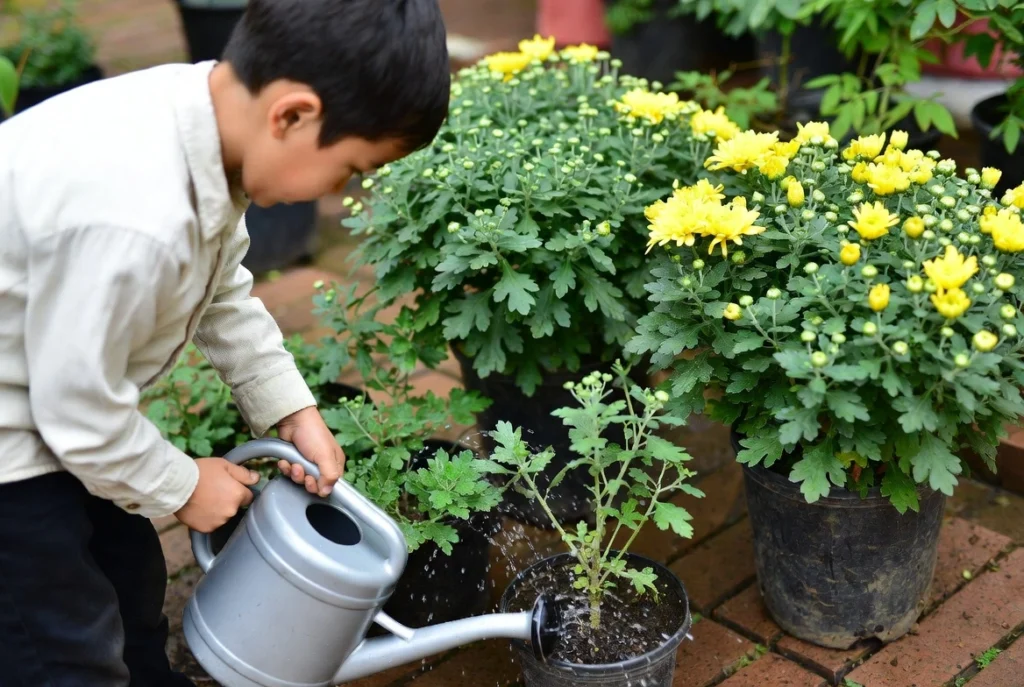
Water Every Plant Right — First Time, Every Time

Overwatering kills more plants than drought. The right watering schedule — based on plant type, season, pot material, and USDA zone — is the single highest-impact care decision you make. This collection covers exact schedules for every plant category: lawn, succulents, cactus, indoor plants, and more.

Expert guides
0 +
Plant Types
0 +
Seasons Mapped
0

Grass Seed Watering Schedule: Week-by-Week Guide to a Perfect Lawn

Quick Answer: Water new grass seed 2–3 times daily for 5–10 minutes during germination (weeks 1–2). Cut to once daily in weeks 3–4. Shift to deep watering every other day in weeks 5–6. After week 8, water 1–2 times per week with 1 inch (25 mm) of water total. Never let the seedbed dry out during germination. Watering is where most new lawn projects succeed or fail. Get the seedbed dry once during germination and the seeds die — no second chance. Water too heavily and seeds wash away or rot before sprouting. The margin for error is narrow in

Read Full Guild »
All Watering Schedule Guides
 

6 Plant Categories — 6 Watering Approaches

Every watering mistake traces back to treating all plants the same. A succulent’s ideal watering schedule kills a fern. A lawn’s deep-soak routine rots a cactus. These 6 categories cover the full range of plant watering needs.

Lawn Grasses

Deep and infrequent — 1–1.5 inches (25–38 mm) per week in 2–3 sessions. Water between 6–10 a.m. Never water at night. Cool-season grasses need more water in spring and fall. Warm-season grasses peak in June–August.
Key rule: One inch per session, soil must dry 2–3 inches between sessions

New Grass Seed

Twice daily for the first 2 weeks — 5–10 minutes per session. Reduce to once daily weeks 3–4. Shift to every-other-day deep watering weeks 5–6. The seedbed must never dry out during germination or seeds die permanently.
Key rules: Frequency decreases, depth increases each week

Succulents & Cacti

Soak and dry method — water thoroughly until it drains from the pot, then allow complete drying before the next watering. Spring and summer: every 7–14 days. Fall and winter: every 4–6 weeks. Pot type matters — terracotta dries faster than ceramic.
Key rule:Confirm soil is bone dry before every watering

Indoor Houseplants

Varies by light level, pot size, soil mix, and season. Most tropical houseplants need water every 7–10 days in spring and summer and every 14–21 days in winter. Low-light plants dry slower — adjust accordingly. Check 2 inches (5 cm) deep in soil before every watering.
Key rule: Check soil depth, not the calendar

Garden Shrubs

Newly planted shrubs need deep watering twice per week for the first growing season. Established shrubs — typically after year 1 — are drought tolerant and only need supplemental water during 3+ week dry periods. Shallow daily watering creates surface roots that damage easily.
Key rule:Deep and infrequent once established

Vegetable Gardens

Consistent moisture — 1–2 inches (25–50 mm) per week — prevents blossom end rot, fruit cracking, and bitter flavor. Morning watering reduces fungal disease. Mulch vegetable beds with 2 inches (5 cm) of straw to reduce watering frequency by 30–50% in summer.
Key rule: Even moisture matters more than total volume

How Often to Water — Plant by Plant

This reference table maps every major plant type to its correct watering frequency by season. Adjust for your USDA zone — plants in zones 9–11 may need 30–50% more water in summer than the same plant in zone 5.

Plant Type Spring Summer Fall Winter Key Signal
Established lawn 2× per week 3× per week 2× per week 0–1× per week Grass blades fold inward when thirsty
New grass seed 2–3× per day (wk 1–2) 2–3× per day (wk 1–2) 2–3× per day (wk 1–2) Not recommended Surface must never dry during germination
Cactus (outdoor) Every 10–14 days Every 10–14 days Every 3–4 weeks Every 4–6 weeks Soil completely dry 2 inches (5 cm) deep
Cactus (indoor) Every 14–21 days Every 10–14 days Every 3–6 weeks Every 6–8 weeks Pot feels light when dry
Succulent (outdoor) Every 7–10 days Every 7–14 days Every 14–21 days Every 4–6 weeks Leaves wrinkle slightly when underwatered
Succulent (indoor) Every 10–14 days Every 7–14 days Every 21–28 days Every 4–6 weeks Confirm top 2 inches (5 cm) of soil are dry
Snake plant Every 14–21 days Every 10–14 days Every 21–28 days Every 35–45 days Dry 2–3 inches (5–7.5 cm) deep before watering
Newly planted shrubs 2× per week 2× per week 1–2× per week 0× (dormant) Wilting despite moist soil = overwatering
Established shrubs 0× (rain sufficient) 1× per week if no rain 0× (rain sufficient) Only water if no rain for 3+ consecutive weeks
Vegetable garden 1 inch/week (2 sessions) 1.5 inches/week (3 sessions) 1 inch/week (2 sessions) 0× (most zones) Consistent moisture prevents fruit cracking

How Watering Changes — Season by Season

Every plant shifts its water needs as temperature, daylight, and growth rate change. Watering on a fixed schedule year-round causes overwatering in winter and underwatering in summer. Adjust frequency — not depth — as each season arrives.

Spring

Increase frequency as temperatures rise above 50°F (10°C) and growth resumes. New plantings need deep watering twice per week for the first 8 weeks. Lawns transitioning from dormancy need 1 inch per week. Succulents and cacti wake from winter dormancy — resume every 10–14 day schedule once nighttime temps stay above 50°F.

Summer

Peak demand season. Water lawns 3 times per week in zones 7–10 during heat above 90°F (32°C). Water early morning between 6–10 a.m. — afternoon watering loses 30–50% to evaporation. Succulents and cacti reach their most active growth period — water every 7–10 days. Vegetable gardens need 1.5 inches (38 mm) per week during fruiting.

Fall

Reduce frequency as temperatures drop below 65°F (18°C). Cool-season lawns and grasses regain strength — reduce supplemental water and let fall rainfall handle irrigation in most zones. Cacti and succulents begin dormancy preparation — cut watering frequency in half from late September. Newly seeded fall lawns still need the full week-by-week germination schedule.

Winter

Most outdoor plants enter dormancy — suspend regular watering in zones 3–7. In zones 8–11, continue reduced watering for warm-season grasses and outdoor tropicals. Indoor plants need 30–50% less water than summer. Cacti and succulents reach maximum drought tolerance — some go 6–8 weeks between waterings with no stress.

6 Watering Rules That Apply to Every Plant

The most common reason plants fail is not pest damage or poor soil — it is incorrect watering. These 6 principles apply across every plant type, pot material, and USDA zone.

Water in the morning — always

Morning watering between 6–10 a.m. gives foliage time to dry before nightfall. Wet leaves overnight create the perfect conditions for fungal disease, powdery mildew, and root rot. Morning watering also loses 30–50% less water to evaporation than afternoon watering in summer. A single habit change — shifting from evening to morning watering — reduces fungal disease incidence by up to 60%.

Deep and infrequent beats shallow and daily

Every plant — lawn, shrub, vegetable, or tree — develops roots that follow water. Shallow daily watering keeps roots in the top 2 inches (5 cm) of soil where they burn out in summer heat, freeze in winter, and compete with weed roots. Deep, infrequent watering drives roots 6–12 inches (15–30 cm) deep into stable, cool, consistently moist soil. Apply enough water per session to reach root depth, then allow partial drying before the next session.

Test soil moisture before every watering

A watering schedule is a starting point — not a fixed rule. Soil dries faster in heat, wind, low humidity, and terracotta pots. Soil dries slower in cool temperatures, ceramic pots, and shaded locations. Check 2 inches (5 cm) deep in soil before every watering. For cacti and succulents, confirm the full pot depth is dry before adding water. A moisture meter (available for $8–$15 / £6–£12) eliminates guessing entirely.

Wilting despite moist soil = overwatering

Wilting is not always drought — it is often the first sign of root rot from overwatering. Overwatered roots suffocate, die, and cannot deliver water to leaves even when the soil is saturated. 3 overwatering signs: yellowing lower leaves, soil that stays wet 5+ days after watering, and a sour or musty smell from the pot or soil. Stop watering immediately if all 3 are present and allow soil to dry fully before resuming a reduced schedule.

Drainage determines how often to water

The same plant in 3 different pots needs 3 different watering schedules. Terracotta pots dry 2–3× faster than glazed ceramic or plastic. Pots without drainage holes hold water at the bottom — roots sit in water and rot within days. Always use pots with drainage holes for succulents and cacti. For indoor plants without drainage, a 1-inch (2.5 cm) gravel layer at the pot base separates roots from standing water and reduces root rot risk.

Reduce frequency in fall — not depth

As temperatures drop and days shorten in fall, every plant slows its water consumption. Keeping summer watering frequency through October and November is one of the most common overwatering mistakes. Reduce the number of watering sessions by 30–50% from September onward, but maintain the same depth per session. This builds root hardiness before dormancy and prevents crown rot in shrubs and perennials heading into winter.

Everything You Need to Know About Watering

Whether you are watering your first houseplant or managing irrigation for an entire landscape, understanding how water moves through soil and roots makes every watering decision more effective and confident.

Why Overwatering Kills More Plants Than Drought

Roots need both water and oxygen to survive. Waterlogged soil fills all air pockets — roots suffocate within 24–48 hours in saturated, oxygen-depleted conditions. Root rot fungi thrive in wet soil, spreading through the root system within days. By the time symptoms appear above ground — yellowing, wilting, browning — root damage is typically 70–80% complete and often irreversible.

How Soil Type Changes Your Watering Schedule

Sandy soil drains within 1–2 hours and requires more frequent watering — increase frequency by 30–50% above the standard schedule. Clay soil holds water for 3–5 days and requires less frequent watering — reduce frequency by 30% and check soil depth before every session. Loamy soil — the ideal mix of sand, silt, and clay — retains moisture for 1–2 days and suits the standard schedule for most plant types. To identify your soil type: take a handful of moist soil and squeeze.

Choosing Between Hand Watering, Sprinklers, and Drip Irrigation

Hand watering delivers the most control — water goes exactly where roots are, foliage stays dry. Best for container plants, houseplants, and small garden beds. Sprinkler systems suit lawns and large ground-cover areas but wet foliage, increasing disease risk — mitigate by watering only in the morning. Drip irrigation is the most water-efficient system, delivering water directly to root zones at 1–4 gallons per hour (3.8–15.1 liters per hour) with 30–50% less water loss than sprinklers.

How USDA Zone Affects Your Watering Schedule

USDA zones define minimum winter temperature — but summer heat, humidity, and rainfall distribution are what drive watering needs. Zone 7 in the humid Southeast averages 48 inches (1,220 mm) of annual rainfall with frequent summer thunderstorms — supplemental irrigation is minimal. Zone 7 in the dry Pacific Northwest averages only 8–12 inches (200–300 mm) of summer rainfall — supplemental irrigation is essential from June through September.