Water damage is a problem which is very frequently encountered by homeowners and it can occur at the most unexpected times. A minor leak or a blocked drain might not appear to be very important at first, but it can rapidly develop into a much more serious repair if it is neglected. If you know the reasons which cause water damage you will be able to detect problems at an early stage and thus protect your home.
The good news is that a large number of instances of water damage can be prevented through regular maintenance and prompt action; if you know what signs to look out for, you’ll be able to avoid having to carry out costly repairs and will keep your home both safe and comfortable. In this guide we will look at the most common causes of water damage, the warning signs to watch for, and some simple preventive measures.
Why Water Damage Is a Serious Problem
Water is capable of damaging nearly every portion of your house, such as the walls, ceilings, floors, and even the foundation. It also provides an ideal conditions for mold to grow, thus affecting the quality of the air inside your home and causing health issues. The longer moisture remains trapped, the more difficult and costly the repairs will be.
Hidden water damage is particularly hazardous since it usually goes unnoticed for weeks or even months; by the time you notice stains or paint that is peeling, the damage might already be spreading behind the walls, which is why it’s important to attend to leaks as soon as they are discovered.
Common Causes of Water Damage in Your Home
Water damage can have a variety of origins, with some being easier to identify than others. Although severe storms are capable of causing flooding, everyday problems around the home are in fact the reason for a large number of water damage claims. By understanding these common causes you can take action before a minor issue turns into an expensive repair.
Carrying out regular checks in your house can make a great difference. If you look at your plumbing, roof, appliances, and drainage systems every few months, you’ll be able to pick up any problems at an early stage. Doing a bit of maintenance at the present time will save you a great deal of time and money in the future.
Leaking or Burst Pipes
One of the main reasons for water damage in houses is leaking or burst pipes. Pipes may crack due to their age, corrosion, freezing temperatures, or high water pressure. Indeed, even a slow drip can soak surrounding materials and result in damage after a length of time.
Roof Leaks
The roof of your house shields it from rain, but if the shingles are damaged, the flashing is cracked or the gutters are clogged then water may get into the building. After water has passed through the roof it can cause staining of the ceilings, damage the insulation and reduce the strength of the wooden structures. Having your roof inspected regularly will enable you to detect small problems before they turn into serious leaks.
Faulty Household Appliances
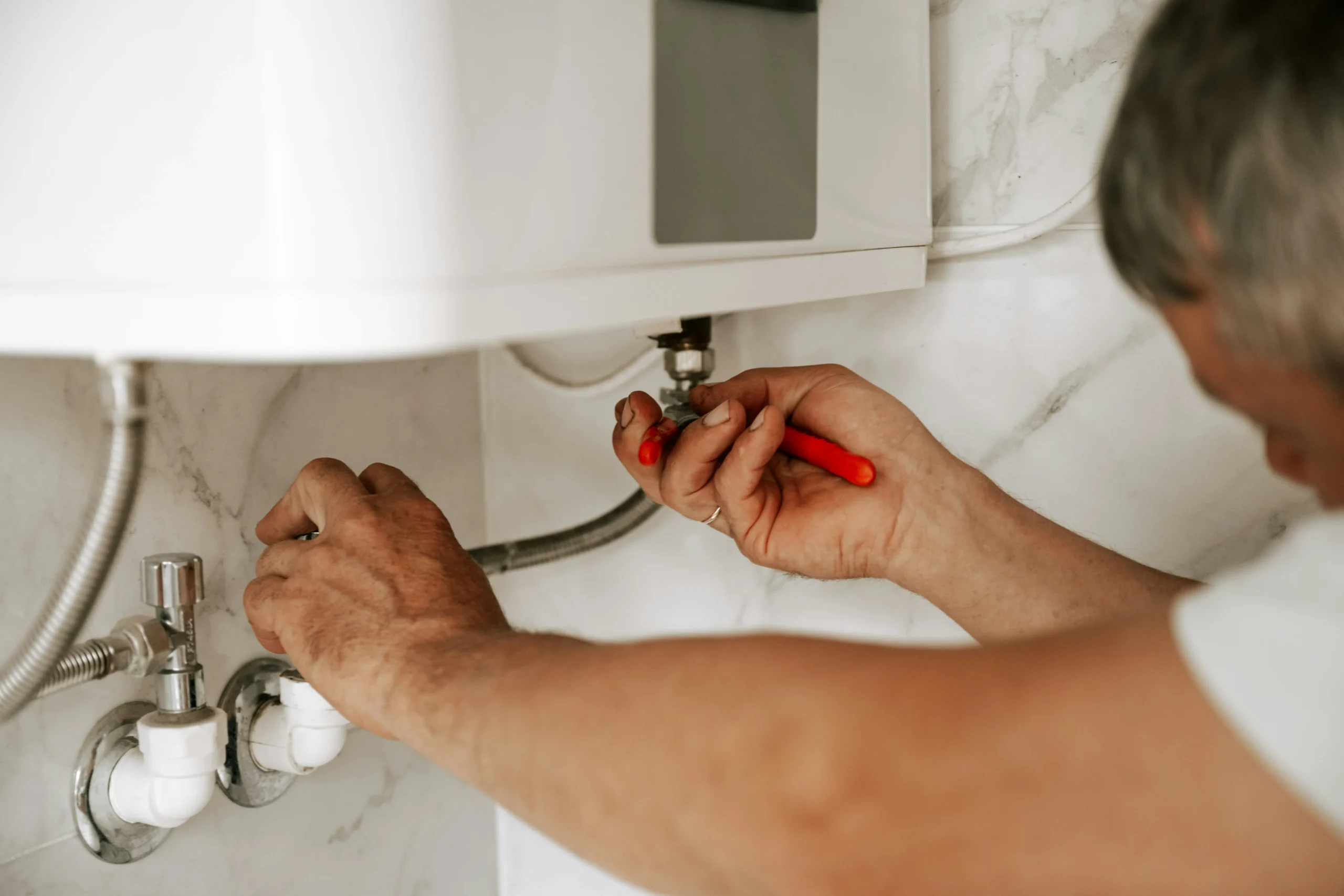
Machines such as washing machines, dishwashers, refrigerators, and water heaters all use water on a daily basis. It is possible for worn hoses, loose connections, or old components to leak with little or no warning. Regularly checking these appliances can help avoid sudden water damage.
Clogged Gutters and Downspouts
Gutters are intended to keep rainwater away from your house, but leaves and debris can obstruct the flow. If the gutters overflow, water might flow down the external walls or gather around the foundation. Having your gutters cleaned a few times a year will help lower this risk.
Foundation Cracks
Small cracks in your home’s foundation may seem harmless, but they can allow water to enter during heavy rain. Over time, moisture can build up in the basement or crawl space and create larger structural problems. Repairing foundation cracks early can help keep water out.
Poor Drainage Around the Home
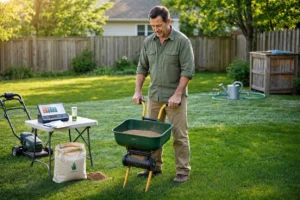
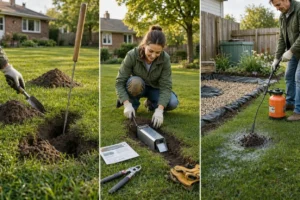
If the land in your yard slopes towards your house rather than away from it, then rainwater may pool close to the foundation. The presence of standing water raises the possibility of leaks and flooding in the basement, particularly following heavy storms. Correct grading and drainage are useful in keeping water safely directed away from your property.
Overflowing Toilets, Sinks, and Bathtubs
Fixtures that are overflowing can let out a surprising quantity of water within just a few minutes; clogged drains, plumbing faults, or simple accidents are typical reasons for such overflows and cleaning up the water as quickly as possible helps to minimise the damage and decreases the likelihood of mold growing.
Sewer Backups
A sewer backup is one of the most serious types of water damage since the water can contain dangerous bacteria. It can be caused by heavy rain, clogged sewer lines, and tree roots. The most safe approach to dealing with water that is contaminated is to have professional cleanup.
HVAC System Problems
Because they are in operation, heating and cooling systems cause condensation to form. Overflowing of the water may occur if the drain for the condensate becomes blocked or if the system is not kept in good condition. Regular maintenance of the HVAC system helps to ensure that everything functions properly.
Natural Disasters and Severe Weather
Severe rain, hurricanes, flash floods, and melting snow are all capable of causing serious water damage. A house which has never before experienced a flood can still be impacted by severe weather events. Taking steps to prepare your home before the storm season can reduce the likelihood of suffering costly damage.
Early Signs of Water Damage
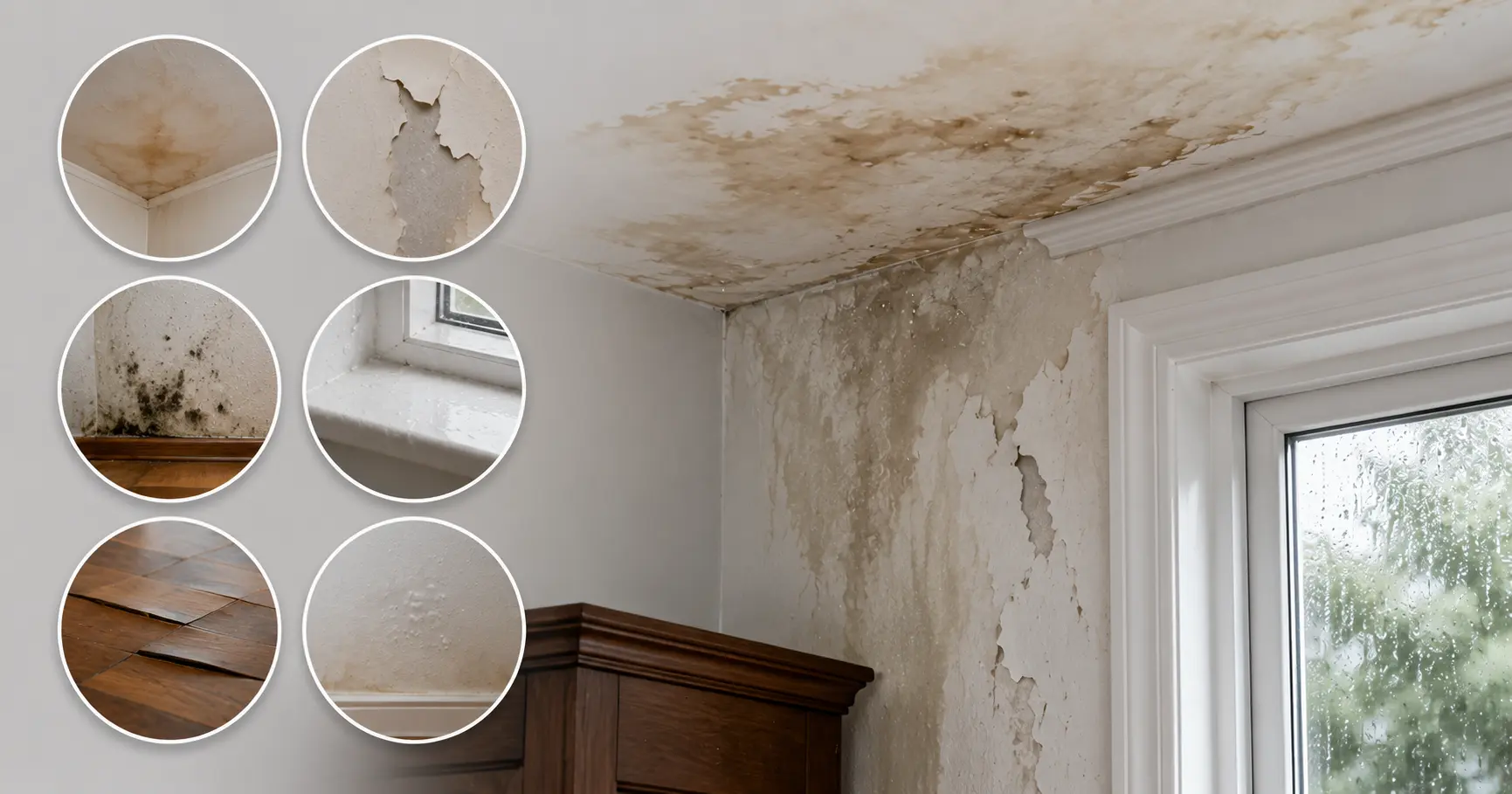
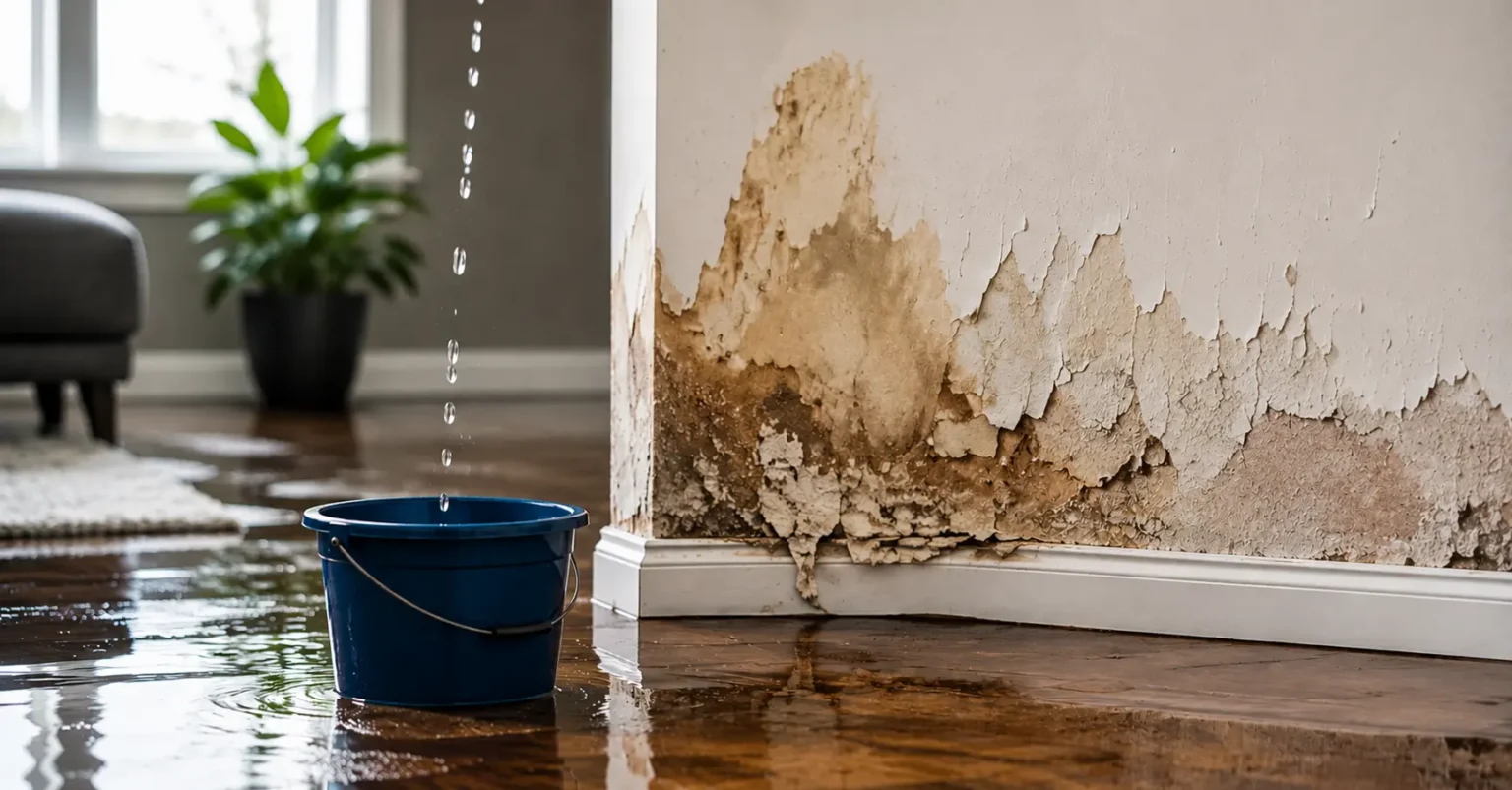
Water damage usually begins with small warning signs which are easy to ignore. You could see water stains on the ceiling, paint that is peeling, flooring that has warped, or a musty odour that persists. If you take note of these changes you’ll be able to detect any hidden leaks before they turn into bigger problems.
A sudden increase in your water bill may also point to a hidden plumbing leak somewhere in your home. Mold growth, bubbling drywall, or sagging ceilings are also signs that moisture has been present for some time. If you notice any of these issues, it’s best to investigate them as soon as possible.
How to Prevent Water Damage
Preventing water damage starts with regular home maintenance and a few simple habits. Inspect your plumbing, replace worn appliance hoses, clean your gutters, and check your roof for damaged shingles throughout the year. Installing water leak detectors can also give you an early warning before major damage occurs.
It would also be a good idea to know where the main water shutoff valve for your house is. In the event that a pipe bursts, turning off the water quickly can help reduce the damage that occurs inside your home. If the situation gets out of control despite your efforts, seeking emergency water damage restoration can help limit further damage and begin the recovery process right away.
Conclusion
Water damage may occur for a variety of reasons, but in most cases the troubles begin with minor problems that are easy to overlook. If left unattended, problems such as leaking pipes, damage to the roof, clogged gutters, defective appliances, and bad drainage can result in expensive repairs. Regular home maintenance and keeping an eye out for any warning signs can make a big difference in protecting your property.
Should you find that there is water damage in your house, do not allow the situation to get worse. Acting quickly will help lower the cost of repairs, stop mold from developing, and safeguard the structure of your home. If the damage goes beyond what can be dealt with by a simple cleaning, it is a good idea to get in touch with a reliable water damage restoration specialist so that your home can be restored safely and efficiently.