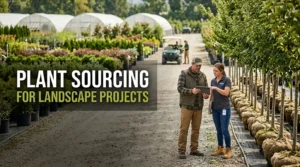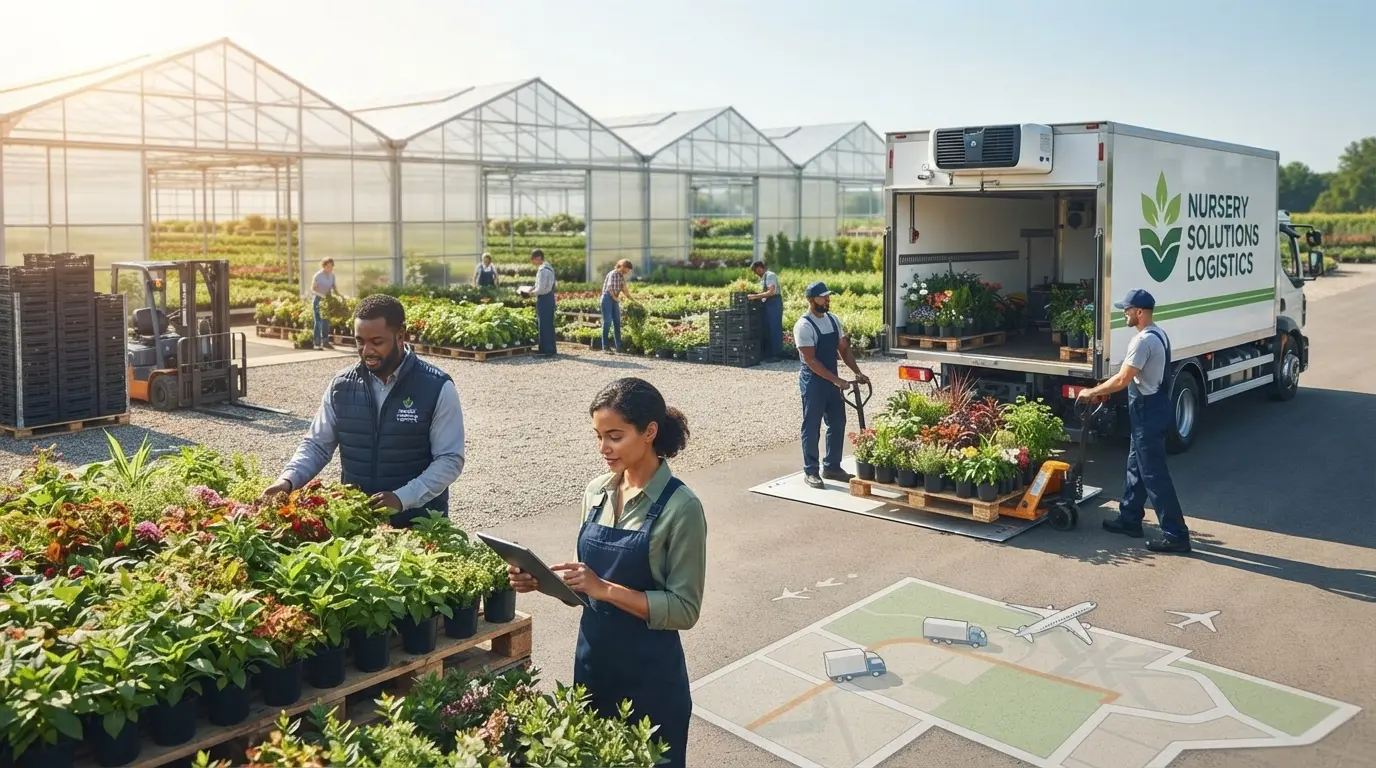
Sourcing plant material at scale is harder than most people outside the industry realize. Availability shifts by season. Growers are scattered across regions. And a single missed delivery can stall an entire project timeline for weeks. That’s the problem specialized plant brokers and logistics partners exist to solve. Tree Source has built its reputation doing exactly this: connecting landscapers, contractors, and commercial projects to an extensive network of professional growers, then handling the shipping, logistics coordination, and project support needed to get the right plants to the right site on time.
Why Plant Sourcing Is Harder Than It Looks
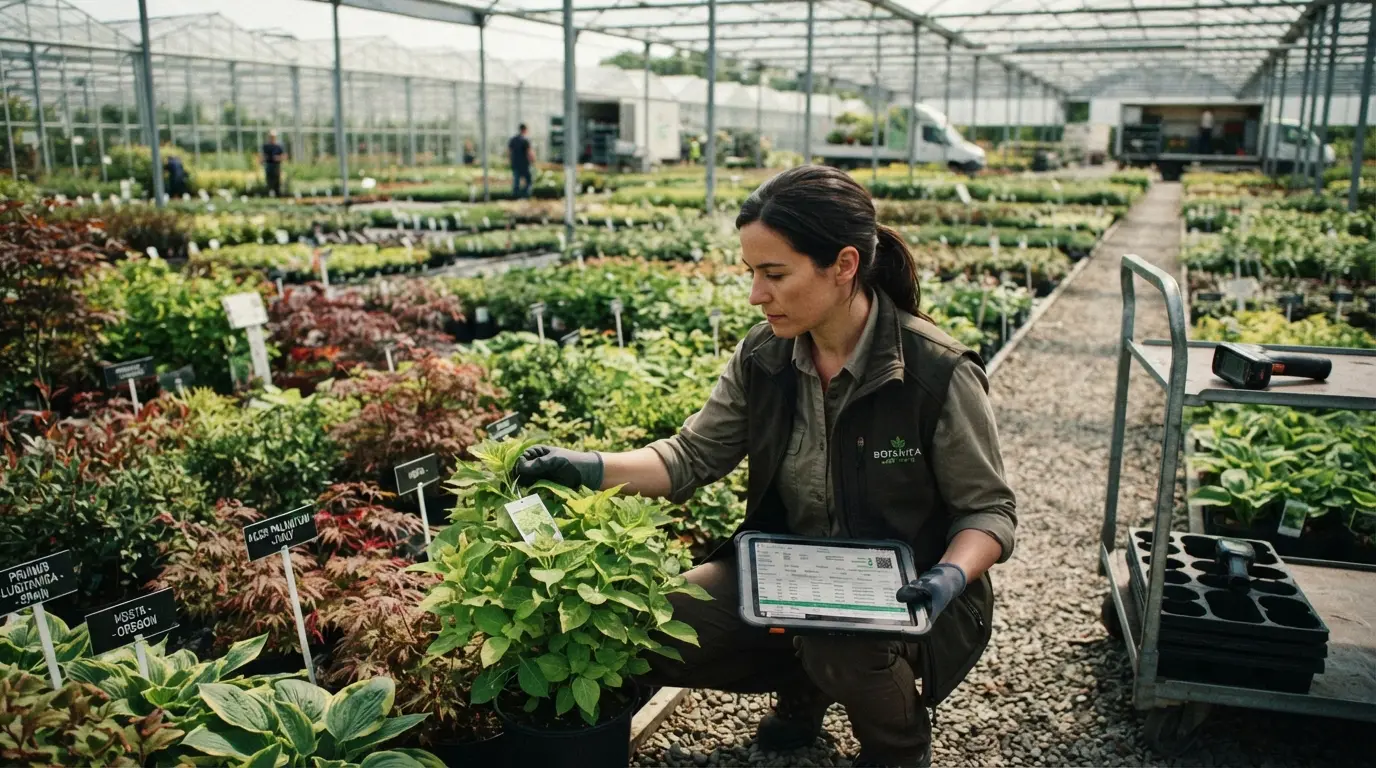
Plant material isn’t like ordering lumber or concrete. It’s living, seasonal, and regionally inconsistent. A tree species that’s abundant in one growing region might be scarce or entirely out of season somewhere else. Quality, caliper size, root condition, even the timing of when a plant was dug and shipped, all affect whether it survives installation. For a landscaper juggling several job sites, or a contractor racing a construction schedule, tracking down consistent, high-quality material from one local nursery often just isn’t realistic.
That’s why so many green industry professionals lean on wholesale nursery brokers instead of relying solely on direct grower relationships. A broker with an established network can shop across dozens of growers at once, compare availability and pricing, and find material that would be nearly impossible to source through a single supplier. Working with an established tree nursery network, rather than a single local grower, is often what makes or breaks a tight project timeline.
The Role of an Extensive Grower Network
The real value of a sourcing partner comes down to one thing: how deep and wide its grower relationships actually go. A broker tied to a single farm’s inventory can only offer what that farm has on hand. One with connections across different climates and regions can pull from wherever the plant material actually exists, which matters a lot when a project needs species that aren’t grown locally or when a go-to supplier is temporarily tapped out.
That kind of network pays off most during peak demand. Spring and fall installation seasons put real pressure on nursery inventory across the country, and contractors who wait until the last minute often end up scrambling. A partner with broad grower access can usually find a substitute or an alternate source fast, which keeps a project moving instead of sitting idle while one nursery restocks.
Logistics: The Part That Actually Determines Success
Finding the right tree is only half the job. Getting it from the grower’s field to the site alive, intact, and on schedule is where things tend to go wrong. Plant material is fragile in transit. Rough handling, long transport times, or sloppy loading can crack root balls, snap branches, or stress a plant badly enough that it never fully recovers after installation.
This is why direct shipping and coordinated logistics matter so much, arguably more than people give them credit for. A partner that manages its own freight relationships and shipping schedules can plan smarter routes, consolidate loads from multiple growers, and cut down on how many times material gets handled before it reaches the site. Fewer touches means fresher, healthier plants and fewer bad surprises on delivery day, which matters a great deal when you’re working against a tight installation window or a municipal deadline that isn’t moving.
Rewholesale Service Centers: Flexibility for Changing Project Needs
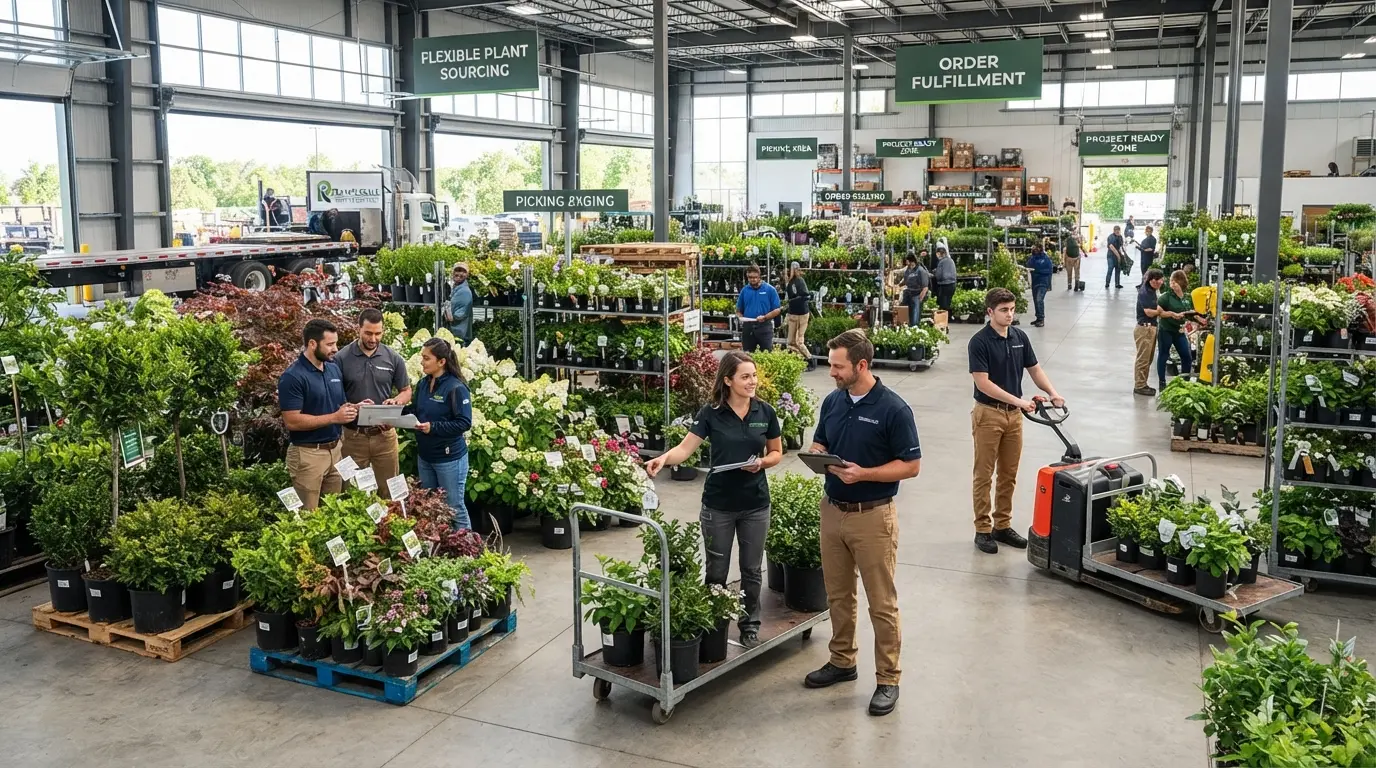
Construction and landscaping timelines rarely go exactly as planned. Weather delays. Phased installations. Design changes mid-project. It’s the norm, not the exception. Rewholesale service centers exist for this reality, giving contractors a place to stage, hold, or redistribute plant material as project needs shift, instead of forcing everything into one rigid delivery.
That flexibility is something a straight grower-to-site shipment just can’t offer. It lets landscapers lock in inventory ahead of a price increase or a looming shortage, hold it until the installation phase actually starts, and pull material as needed without taking on all the sourcing risk upfront.
Project Support: More Than Just a Transaction
Larger commercial landscaping projects, corporate campuses, municipal streetscapes, multi-phase residential builds, need more than a plant list and a delivery date. They need a partner who actually understands planning: estimating quantities accurately, advising on substitutions when availability shifts, and coordinating delivery timing around construction phases that are constantly moving.
This is where real project support sets a sourcing partner apart from a company that just fills orders. Tree Source works directly with contractors during the planning stage, not just when the order gets placed, which helps catch shortages or timeline conflicts before they turn into expensive problems halfway through a job.
What to Look for in a Wholesale Nursery Sourcing Partner
A few things consistently separate reliable operators from the rest:
- Breadth of grower network. Access to multiple regions and species, not just one supplier’s inventory.
- Shipping and logistics capability. Direct coordination, not third-party freight with no accountability when something goes wrong.
- Service center flexibility. The ability to stage or hold material as timelines shift.
- Project-level support. Planning help before the order goes in, not just fulfillment after.
The Bottom Line
Plant sourcing sits at the intersection of horticulture, logistics, and project management, three disciplines that rarely live under one roof unless a company is built specifically to bridge them. For landscapers and contractors managing tight deadlines and demanding clients, working with a partner like Tree Source, which combines a wide grower network with direct shipping, logistics coordination, rewholesale service centers, and hands-on project support, can be the difference between a project that stays on schedule and one that stalls out waiting on material that never shows up.