Birthday Flowers That Carry Real Meaning

Every birth month has a flower tied to it — with centuries of symbolism, personal meaning, and growing history. This collection covers all 12 birthday flowers: what they mean, how to grow them, and how to give them as gifts that people actually remember.

Expert guides
0 +
Birth Flowers
0
USDA zones
0 +

Top 10 Desert Plants

The top 10 desert plants are: Saguaro Cactus, Agave, Joshua Tree, Prickly Pear Cactus, Barrel Cactus, Desert Rose (Adenium), Creosote Bush, Ocotillo, Echeveria, and Aloe Vera. These plants survive in some of earth’s harshest environments — temperatures above 120°F (49°C), rainfall below 10 inches (25 cm) per year, and soils with almost zero organic matter. They do it through extraordinary biological adaptations: water storage, reduced surface area, deep root systems, and modified photosynthesis. Whether you’re building a drought-tolerant xeriscape garden, growing desert plants indoors, or simply curious about how these plants survive, this guide covers everything — from biology and

Read Full Guild »
ALL BIRTHDAY FLOWER GUIDES
 

Birthday Flower Categories — How They Grow

Birthday flowers fall into 6 growth types. Knowing the type determines how you plant it, when it blooms, and whether it suits your zone.

Bulb Flowers

Plant in fall for spring bloom. Store energy underground through winter. Minimal care once established.
Best examples:Daffodil (Mar), Narcissus (Dec), Gladiolus (Aug)

Perennial Flowers

Return every year from the same root system. Best long-term investment for a birthday flower garden.
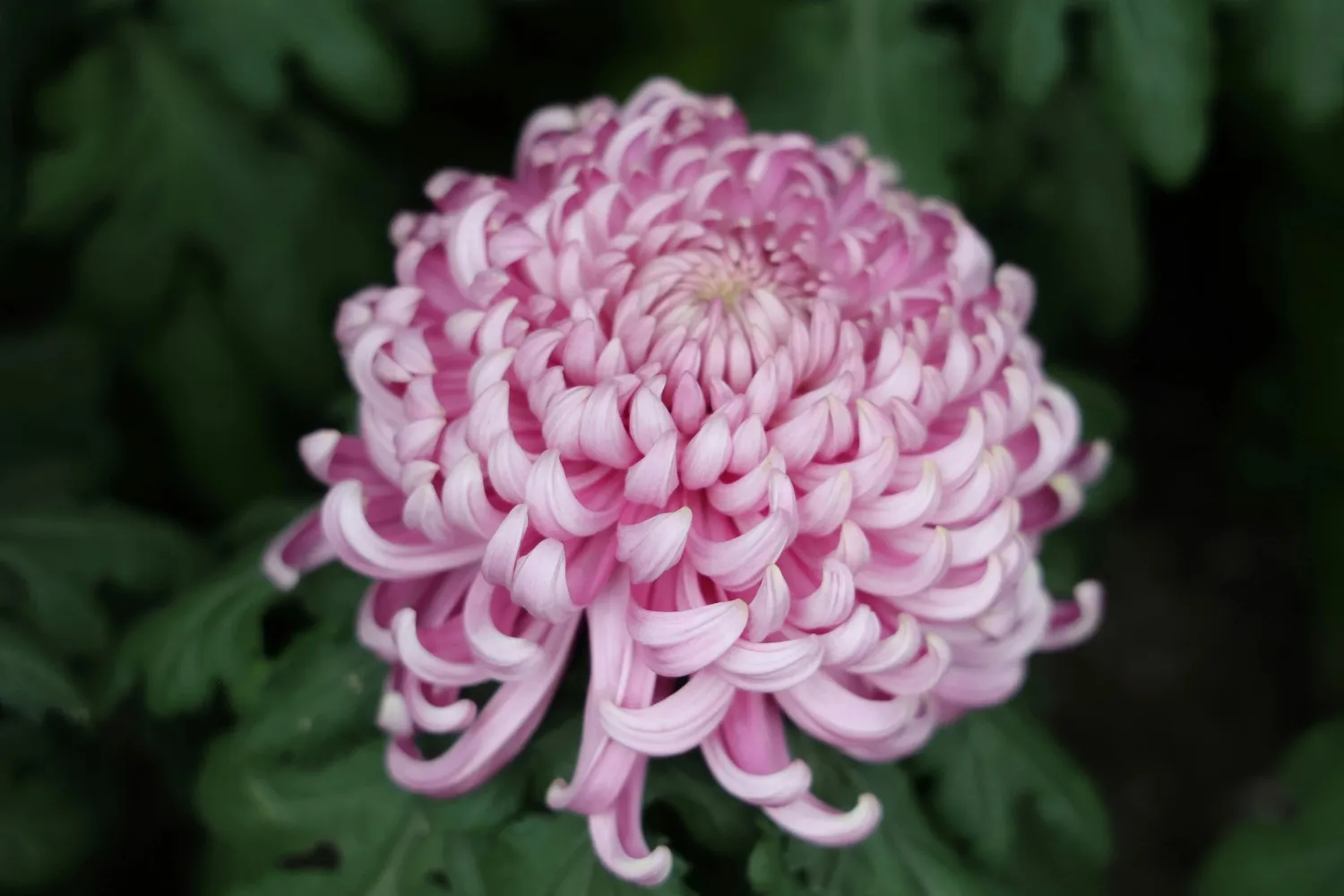
Best examples:Violet (Feb), Aster (Sep), Chrysanthemum (Nov)

Annual Flowers

Complete their full life cycle in one growing season. Replant each year for maximum color.
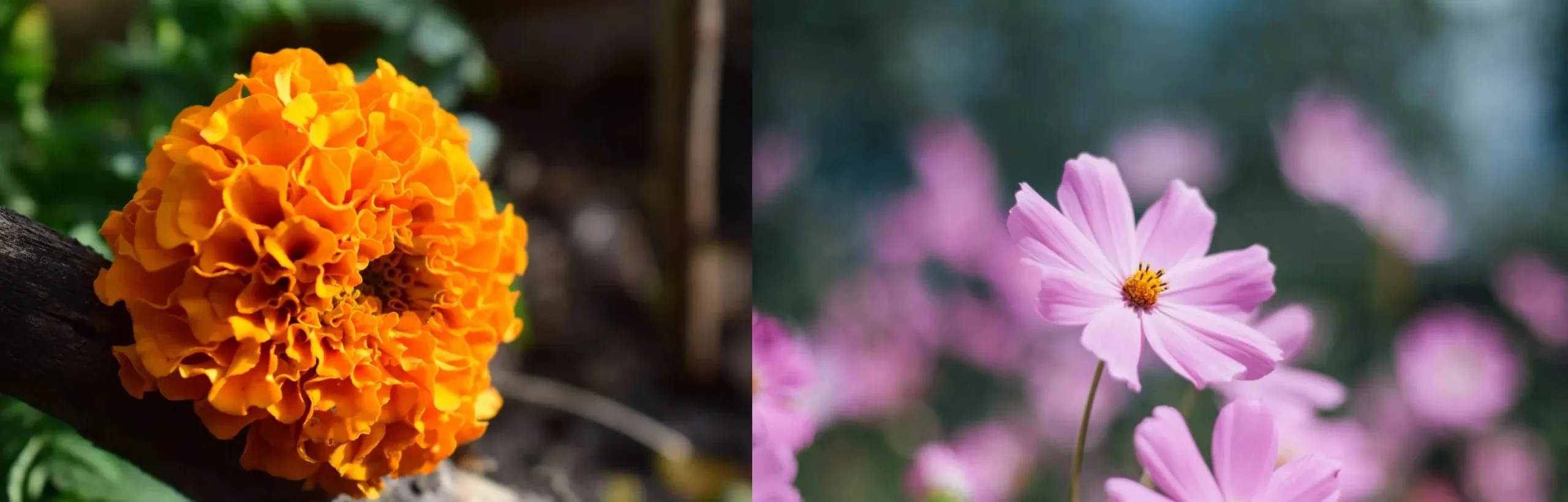
Best examples:Larkspur (Jul), Marigold (Oct), Sweet Pea (Apr)

Woody Perennials

Shrub-like structure that lives for decades. Prune annually for consistent bloom performance.
Best examples: Rose (Jun), Carnation (Jan — perennial form)

Ground Cover Types

Spread naturally once established. Ideal for borders, shaded spots, and low-maintenance areas.
Best examples:Lily of the Valley (May), Violet (Feb)

Cut Flower Varieties

Bred for long vase life and commercial availability year-round. Best for gifting purposes.
Best examples:Carnation (Jan), Gladiolus (Aug), Rose (Jun)

All 12 Birthday Flowers — Complete Reference

Every birth month has a primary and secondary flower, each with centuries of symbolism behind it. Use this table to identify the right flower for any birthday.

Month Primary Flower Secondary Flower Symbolism Color Range
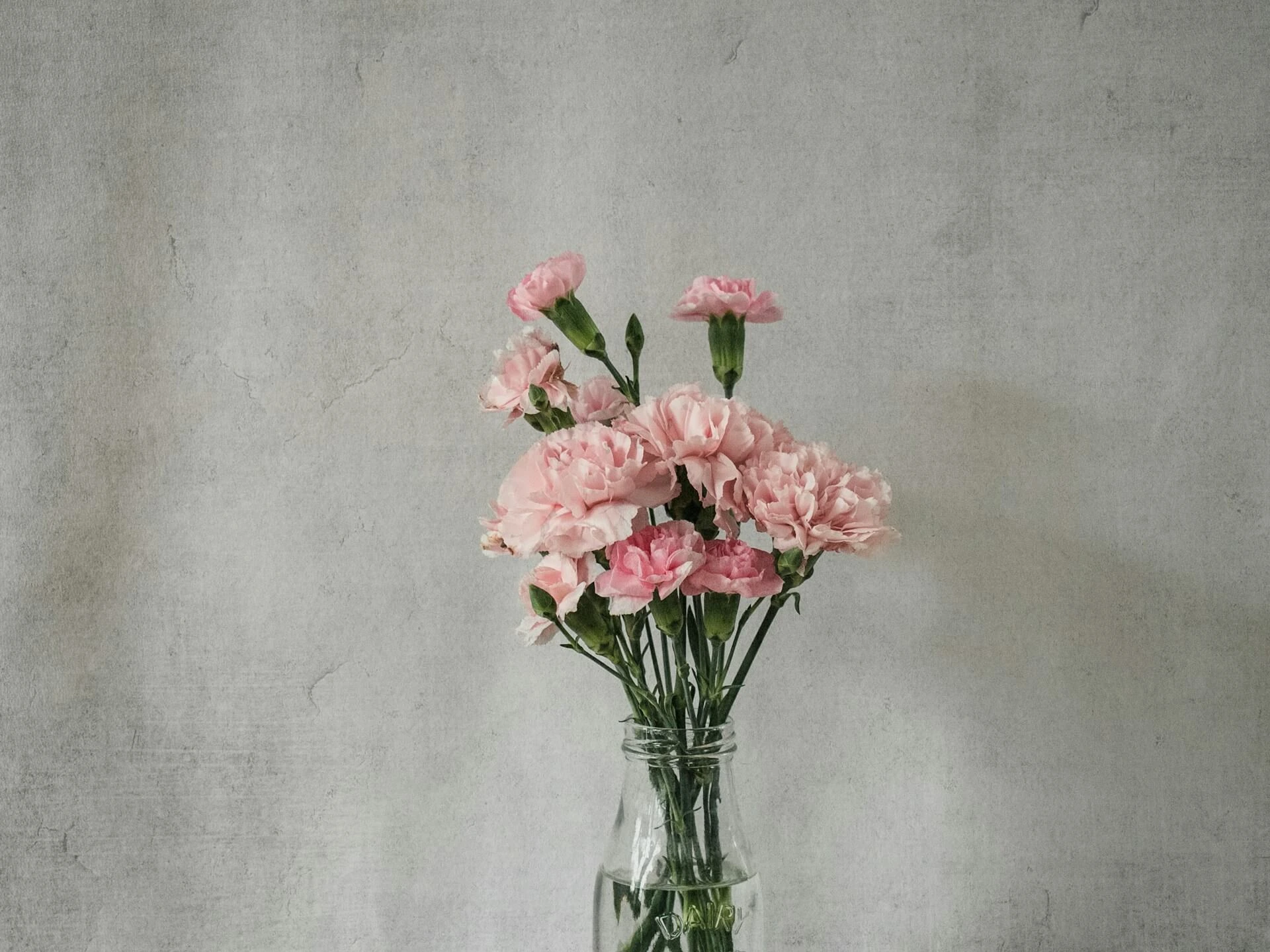
January Carnation Snowdrop Admiration, love, distinction Red, pink, white, yellow, purple
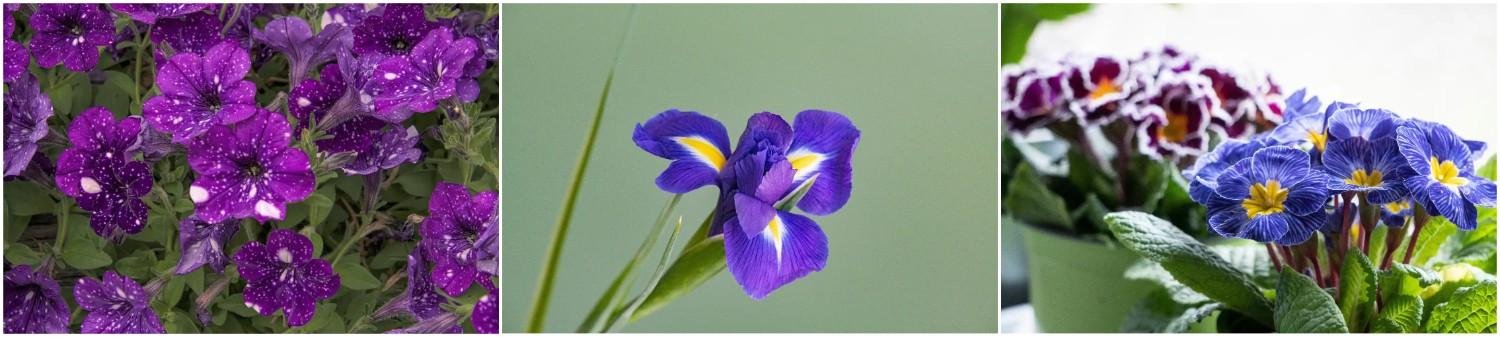
February Violet Primrose Faithfulness, spiritual wisdom Purple, white, yellow, pink, blue
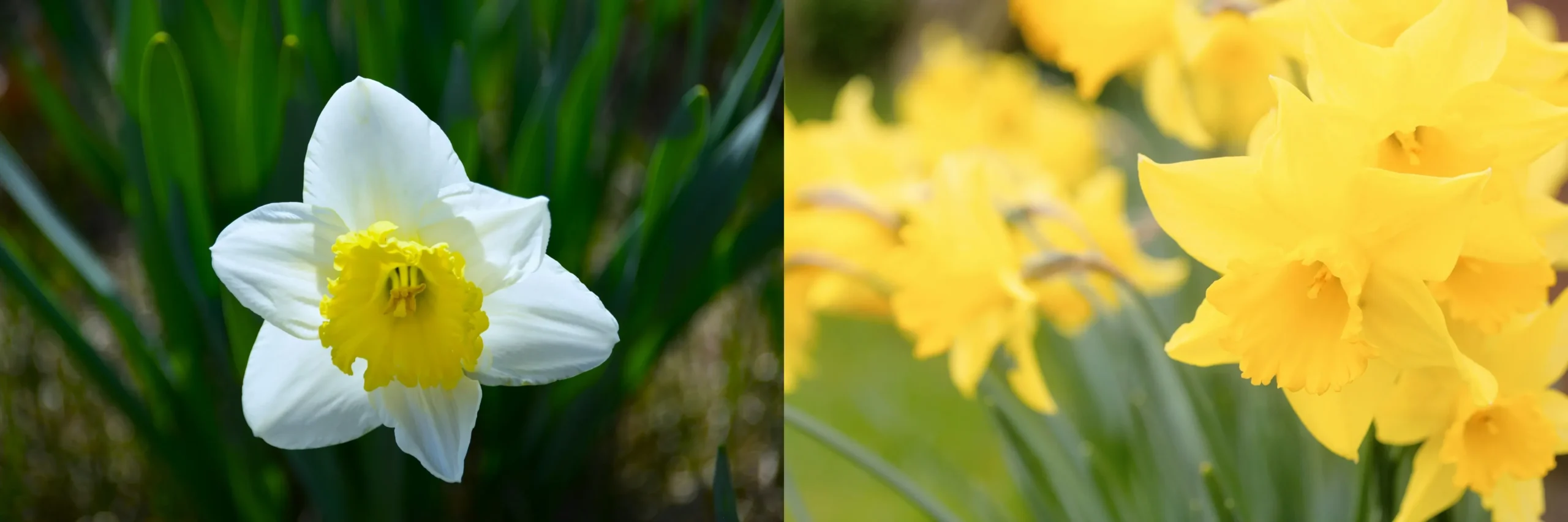
March Daffodil Jonquil Rebirth, optimism, unparalleled love Yellow, white, bicolor
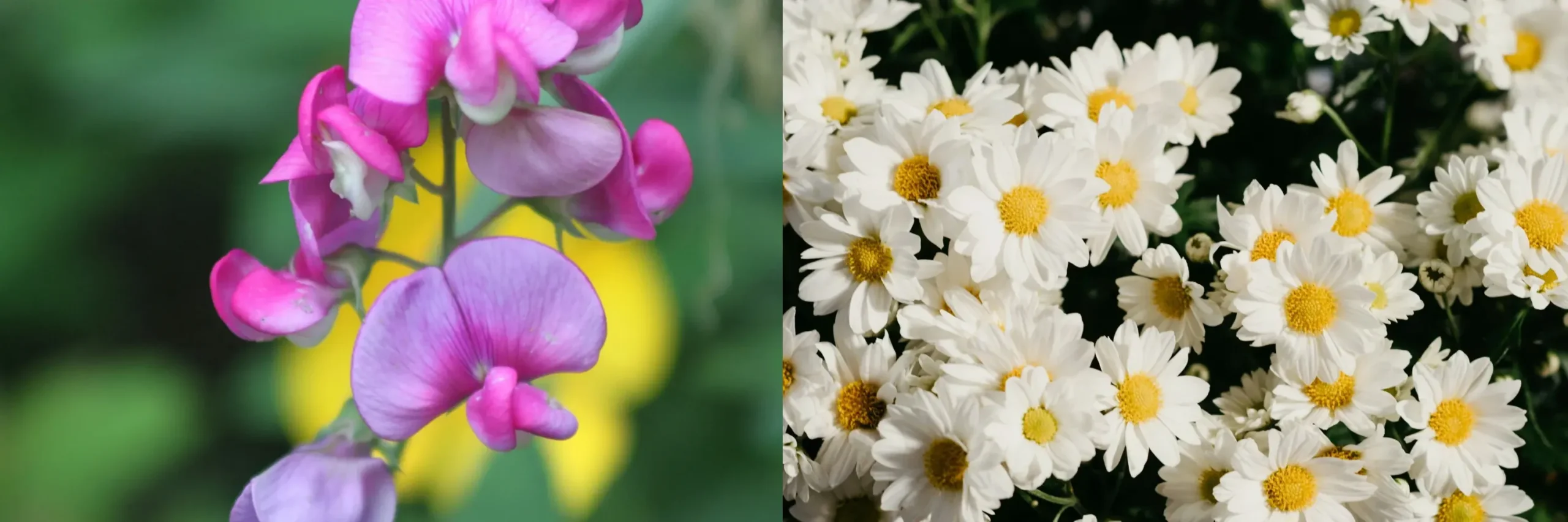
April Daisy Sweet Pea Innocence, loyal love, purity White/yellow; pink to purple
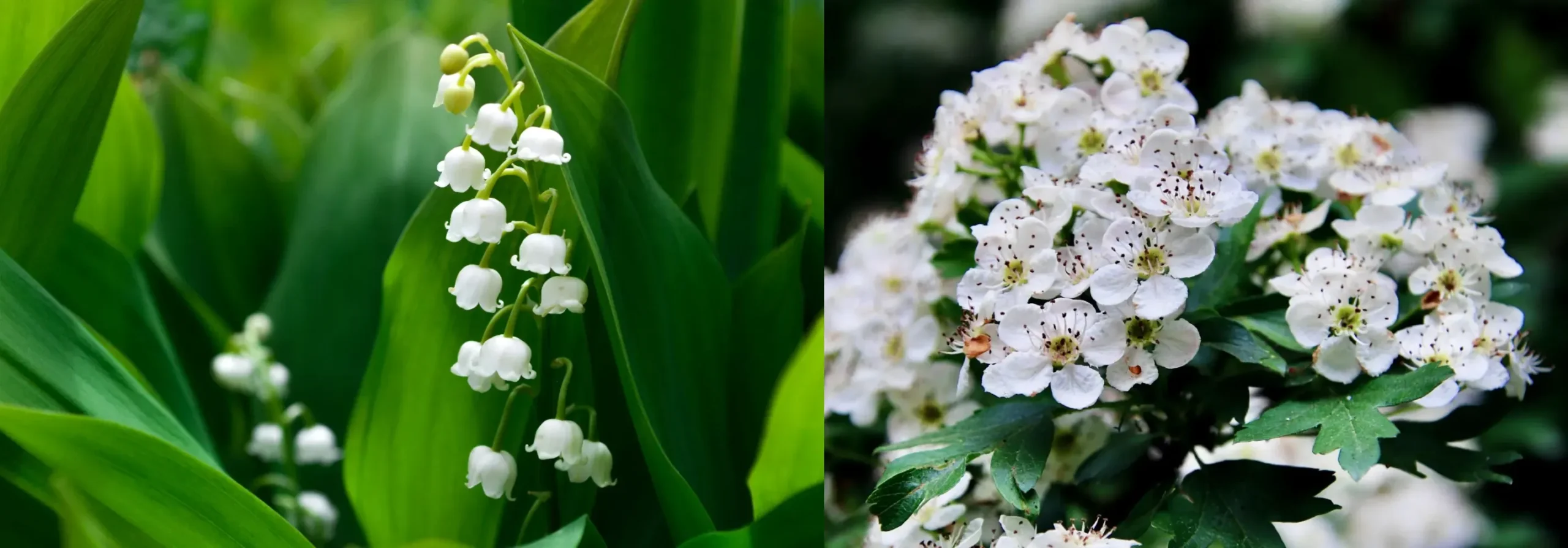
May Lily of the Valley Hawthorn Sweetness, humility, happiness White, pale pink
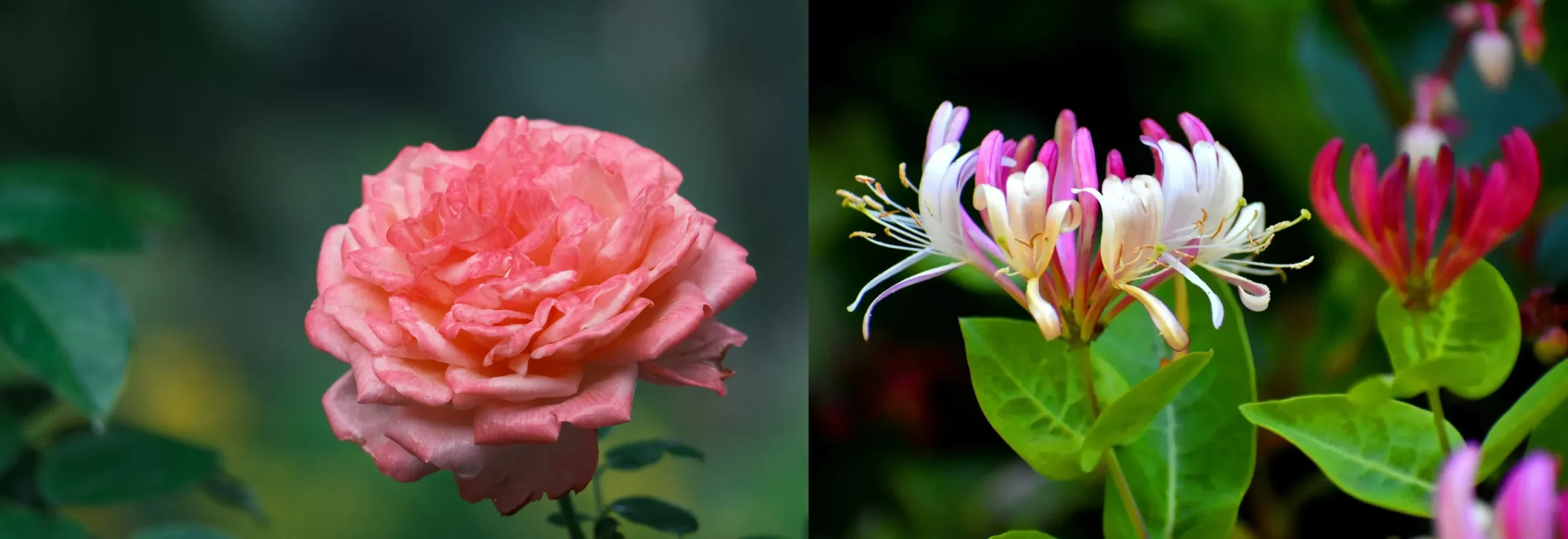
June Rose Honeysuckle Love, passion, beauty, secrecy Every color except true blue/black
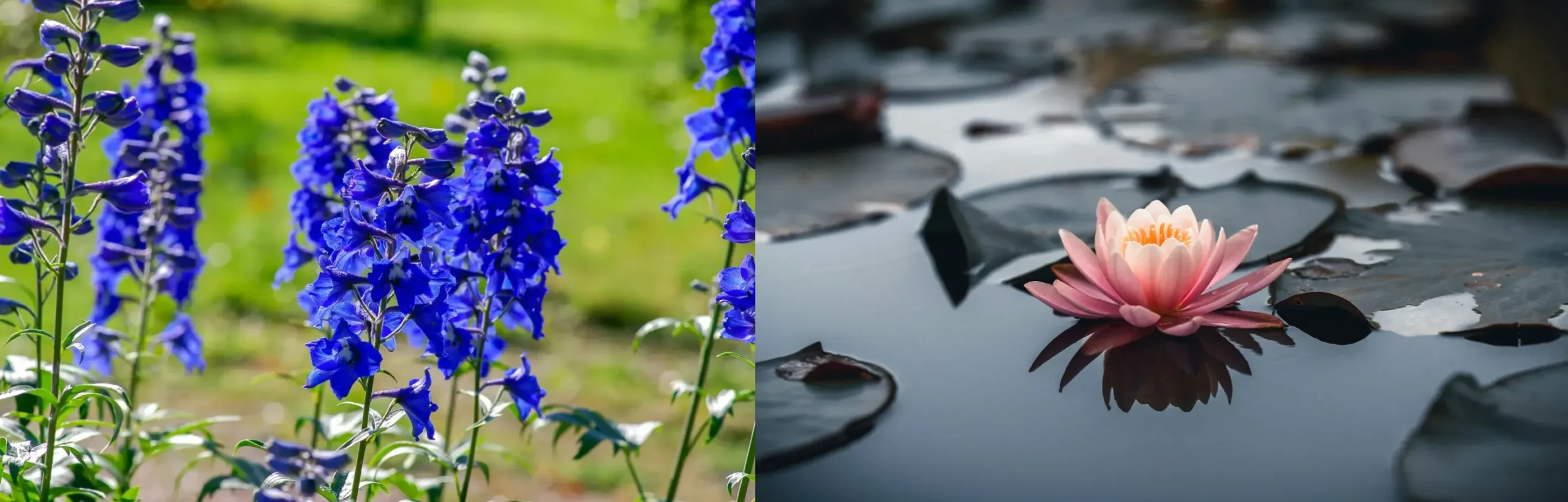
July Larkspur Water Lily Levity, strong bonds, beautiful spirit Blue, purple, pink, white
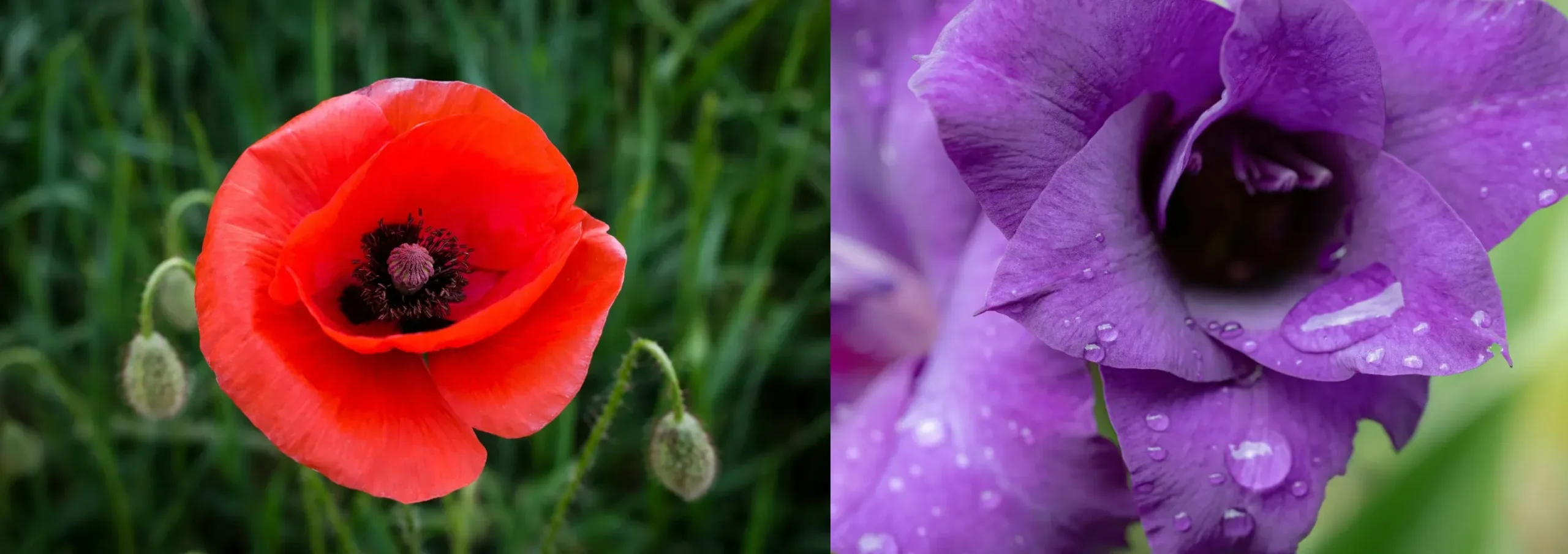
August Gladiolus Poppy Strength, integrity, sincerity Every color; poppy: red, orange, yellow
September Aster Morning Glory Patience, elegance, daintiness Purple, pink, white, blue
October Marigold Cosmos Passion, creativity, warmth Orange, yellow, gold
November Chrysanthemum Truth, friendship, joy, longevity Every color and form
December Narcissus Holly Vitality, faithfulness, inspiration White/yellow; green/red (holly)

Growing Birthday Flowers — 3 Principles That Apply to Every Variety

Most birthday flower failures trace to 3 preventable mistakes: wrong planting time, poor drainage, and skipping the hardiness zone check. Fix these first.

Plant by zone, not by calendar

Bulbs like daffodil and narcissus go in fall — 6 weeks before the first hard frost. Annuals like marigold and larkspur go after the last frost date. Roses and perennials establish best in spring when soil temperature exceeds 50°F (10°C).

Drainage matters more than soil fertility

Bulbs rot in waterlogged soil within days. Test drainage before planting: dig a 12-inch hole, fill with water, and confirm it drains within an hour. If drainage is poor, build a raised bed or add 4 inches (10 cm) of coarse grit to the planting area.

Confirm the USDA zone before buying

Lily of the Valley (May) grows in zones 2–9. Gladiolus (August) survives winters only in zones 7–10 — lift corms annually in colder zones. Chrysanthemum (November) handles zones 5–9. Always verify before planting a birthday flower outside its range.