
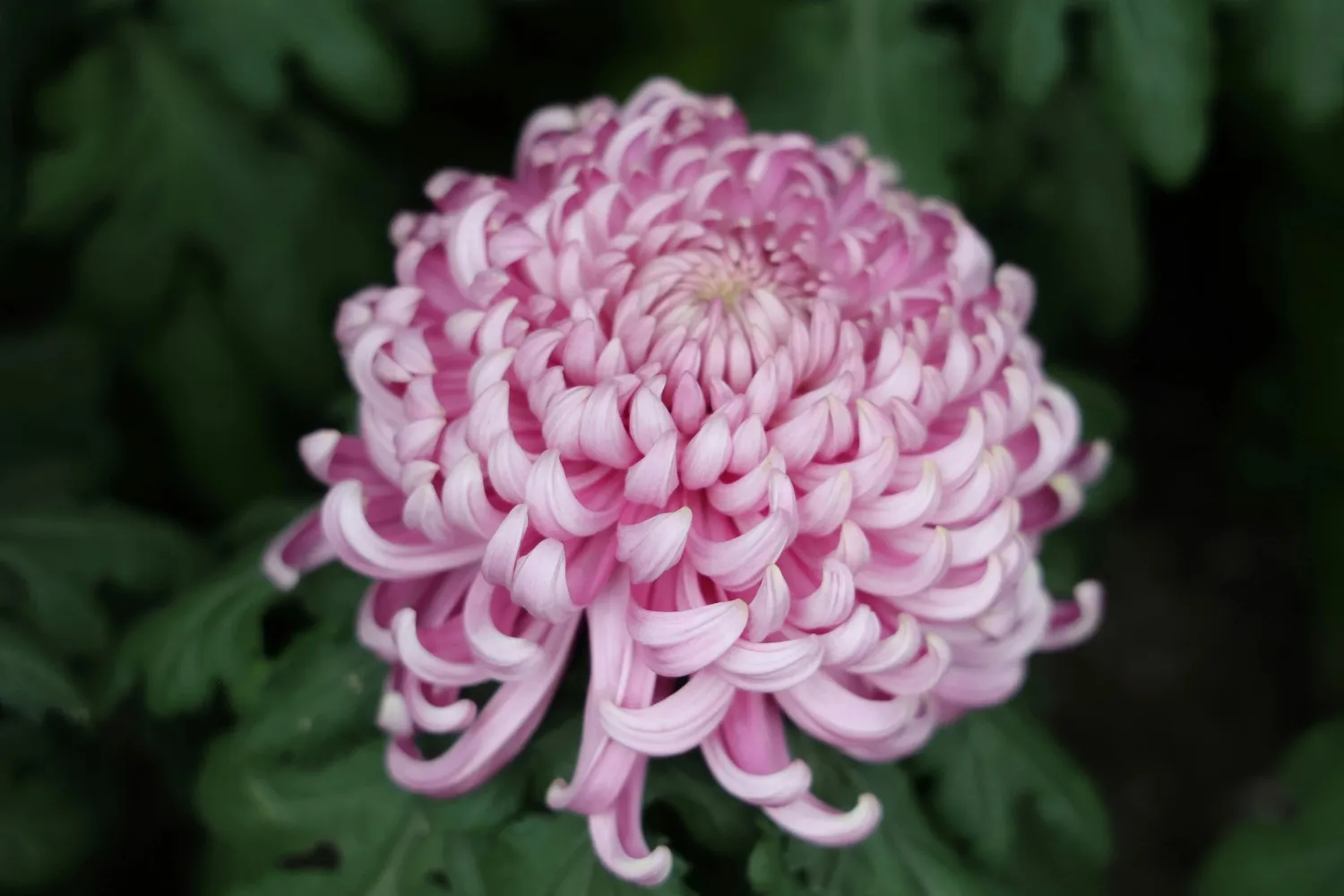
Last November, I watched chrysanthemums bloom defiantly in my garden while frost touched everything else—their vibrant pompom heads proving why they’re autumn’s most resilient flower. November celebrates the chrysanthemum as its official birth flower, symbolizing joy, longevity, and cheerful optimism during the year’s darkest stretch. While some outdated sources mention peony, chrysanthemum remains the universally accepted November birth flower across traditions.
These hardy blooms perfectly represent intense Scorpio (October 23-November 21) and adventurous Sagittarius (November 22-December 21) birthdays. This guide covers chrysanthemum meanings, cultivation techniques, and November birth flower tattoo designs for permanent autumn celebration.
Why Chrysanthemum is November’s Birth Flower
Ancient traditions assigned the birth month flowers November based on peak blooming periods and symbolic resonance. Chrysanthemums reach spectacular maturity during autumn’s final weeks, providing vibrant color when most gardens fade into winter dormancy. Their ability to bloom despite dropping temperatures makes them perfect November representatives.
The flower of November embodies resilience and joy—qualities essential for those born during increasingly dark, cold days. Chrysanthemums symbolize the determination to find beauty and celebration even as nature prepares for winter’s harshness. This reflects both Scorpio’s transformative intensity and Sagittarius’s optimistic spirit perfectly.
Some confusion exists around the November birth flower peony appearing in certain lists. However, peonies bloom in spring (typically May), not November. This discrepancy stems from outdated or regional variations. Chrysanthemum remains the official, universally recognized November flower of the month across American, British, and international conventions established during Victorian times and maintained today.
Key reasons chrysanthemum represents November:
- Peak autumn blooming when few flowers survive frost
- Symbolizes joy and optimism during year’s darkest period
- Cultural significance spans Asian and Western traditions
- Hardy resilience mirrors Scorpio/Sagittarius determination
- Rich color palette matches November’s harvest season
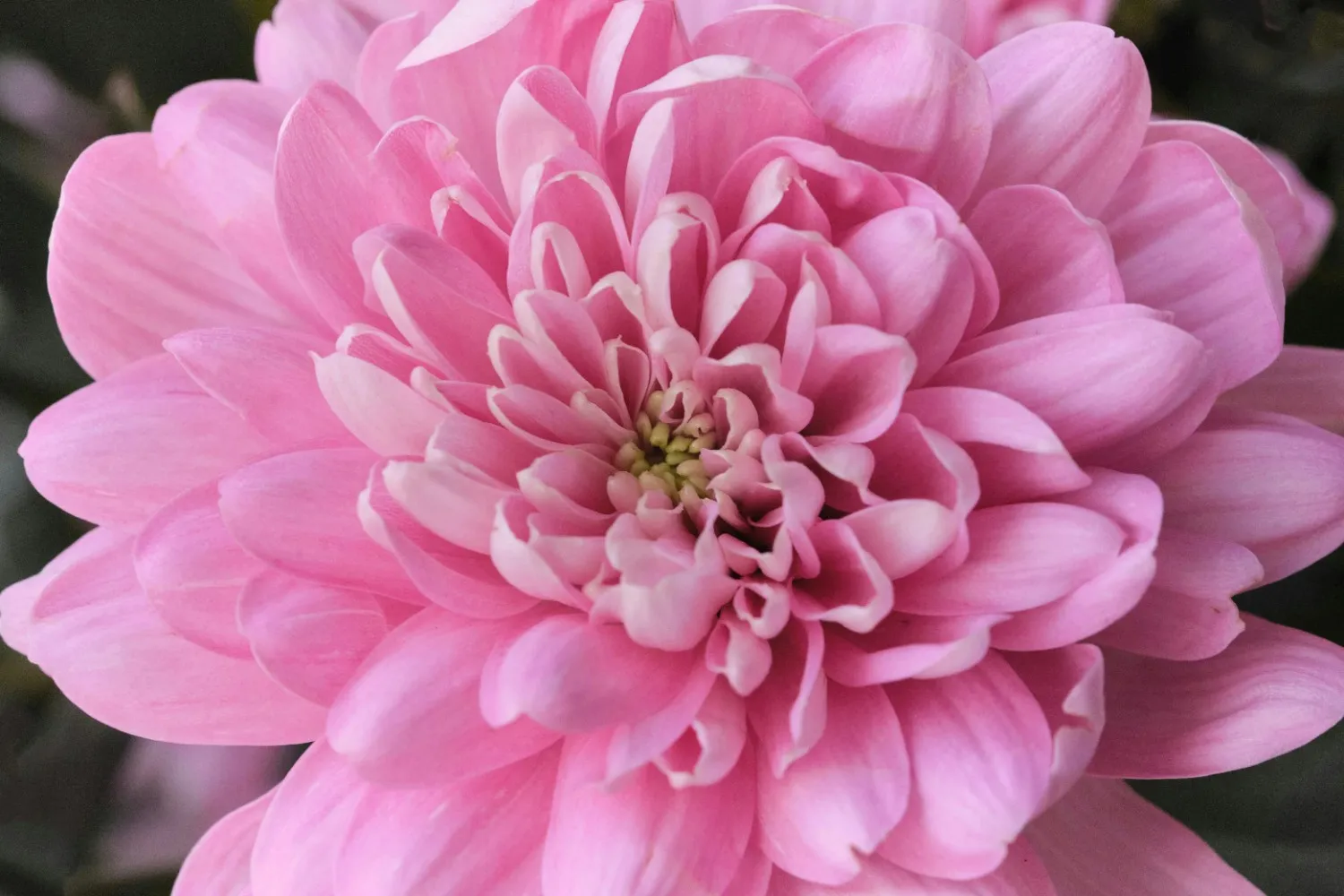
Chrysanthemum: November’s Joyful Birth Flower
Chrysanthemum Origins and History
The name “chrysanthemum” derives from Greek “chrysos” (gold) and “anthemon” (flower)—literally “gold flower”—referencing the original yellow varieties cultivated in ancient China. Chinese gardeners developed chrysanthemums from wild species over 3,500 years ago, around the 15th century BCE. These flowers held such reverence that only nobility could grow them initially.
Japanese culture adopted chrysanthemums during the 8th century CE, elevating them to national symbol status. The Imperial Seal of Japan features a 16-petaled chrysanthemum, and the Supreme Order of the Chrysanthemum represents Japan’s highest honor. The annual Festival of Happiness (Chrysanthemum Day) celebrates these blooms every September 9th, though peak blooming occurs later in autumn.
Buddhist monks brought chrysanthemums to Japan, where selective breeding created hundreds of varieties—from tiny button types to massive spider mums with thread-like petals. Dutch traders introduced chrysanthemums to European gardens during the 17th century. American gardens embraced mums during the 19th century, eventually establishing them as the birth flower november chrysanthemum designation we recognize today.
Chrysanthemum Symbolism and Core Meanings
Two years ago, a client requested chrysanthemums for her mother’s memorial service despite family objections calling them “funeral flowers.” She insisted: “Mom grew these in her garden every fall. They represented her joy, not sadness.” That moment taught me chrysanthemum symbolism varies dramatically by culture—what one tradition views as mourning, another celebrates as longevity.
The chrysanthemum birth flower primarily symbolizes joy, optimism, and longevity. Asian cultures particularly emphasize life-extending properties—drinking chrysanthemum tea supposedly promotes long life. The flowers represent devoted love, loyalty, and deep friendship. Their late-season blooming symbolizes fidelity and determination—continuing to bloom when easier paths would involve dormancy.
November birth flower meaning connects to cheerfulness during darkness. As daylight shrinks and temperatures drop, chrysanthemums provide bursts of color suggesting optimism despite challenging conditions. This makes them particularly meaningful for November births—celebrating life during the year’s transition toward winter’s austerity.
European traditions, particularly in Belgium, France, and Austria, associate chrysanthemums with death and mourning. People place them on graves during All Saints’ Day (November 1st), creating associations Americans rarely share. This cultural divide means gift-giving requires awareness—chrysanthemums delight American recipients but might offend European friends unaware of differing symbolism.
Chrysanthemum Color Meanings
Different chrysanthemum birth month colors convey distinct messages, allowing precise sentiment expression:
| Color | Symbolism | Best Occasions |
| Red | Deep love, passionate devotion | Romantic gestures, anniversaries, Valentine’s Day |
| Yellow | Friendship, joy, optimism, cheerfulness | Cheerful gifts, friendship celebrations, get-well wishes |
| White | Truth, purity, honest love (Asia) / grief, mourning (Europe) | Memorial services (Europe), weddings (Asia), new beginnings |
| Pink | Tender romantic love, femininity, grace | Romantic occasions, Mother’s Day, gentle affection |
| Purple | Royalty, nobility, admiration | Formal occasions, achievement celebrations, respect |
| Bronze/Orange | Autumn warmth, excitement, enthusiasm | Thanksgiving, fall festivals, seasonal celebrations |
| Green | Health, vitality, renewal, good fortune | Get-well wishes, new ventures, fresh starts |
Growing Chrysanthemums Successfully
Chrysanthemums come in two main categories: hardy garden mums (perennials surviving winters in zones 5-9) and tender florist mums (grown as annuals, discarded after blooming). Understanding this distinction prevents disappointment when gift shop mums don’t return next spring.
- Sunlight: Full sun essential (6-8 hours minimum) for compact growth and maximum blooms. Shade produces leggy, weak plants with fewer flowers
- Soil: Well-draining, moderately fertile with pH 6.0-6.5. Mums tolerate average soil but struggle in heavy clay or waterlogged conditions
- Planting time: Spring planting (April-May) allows root establishment before fall blooming. Fall-purchased mums rarely survive winter when planted late
- Pinching technique: Pinch growing tips when plants reach 6 inches tall, then every 2-3 weeks until mid-July. This creates bushier plants with more flower buds
- Varieties: Cushion mums (low mounds), pompom (small round flowers), decorative (large flat flowers), spider mums (thread-like petals), football mums (large oval blooms)
- Overwintering: Mulch heavily after the first hard frost. Leave stems intact through winter for protection. Cut back in spring when new growth emerges
- Watering: Consistent moisture during the growing season. Water at soil level, avoiding wet foliage preventing mildew
- Fertilizing: Monthly feeding with balanced fertilizer from spring through mid-summer. Stop feeding in August to allow bud formation
- Common issues: Aphids, spider mites, powdery mildew. Good air circulation and proper spacing prevent most problems
Pro tip from decades of mum growing: The secret to spectacular fall blooms lies in aggressive early pinching. I pinch every two weeks from May through July 15th—no later. This delayed deadline ensures buds form in time for November blooming. Late pinching delays flowers until after frost kills them. Mark your calendar. Set phone reminders. Pinching discipline transforms scraggly single-stem plants into magnificent mounded specimens covered in hundreds of blooms.
Critical variety distinction: Florist mums sold at grocery stores and garden centers in fall are bred for greenhouse production, not winter survival. Their roots haven’t developed sufficiently for overwintering. If you want perennial mums, purchase them in spring from nurseries selling “hardy garden mums” specifically. Plant immediately, pinch religiously, and they’ll return for years.
November Birth Flower Peony Clarification
Why Some Lists Include Peony
Occasionally, you’ll encounter sources listing peony as a November birth flower peony option. This creates understandable confusion. Peonies bloom exclusively in spring—typically late April through June depending on variety and climate—making them impossible November flowers.
This discrepancy stems from historical variations in birth flower assignments before standardization during the Victorian era. Some regional traditions or outdated sources maintained peony associations, but modern consensus universally recognizes chrysanthemum as November’s official designation. Peonies actually represent May births in standard conventions.
If you encounter November birth flower peony references, recognize this as outdated information. For authentic November celebration, chrysanthemum remains the correct choice. However, for those who adore peonies, nothing prevents incorporating them into November birthday celebrations despite the technical mismatch—personal meaning ultimately matters more than rigid tradition.
Peony symbolism includes honor, romance, prosperity, bashfulness, and compassion—beautiful meanings, but associated with spring births rather than November’s autumn energy.
November Birth Flower Tattoo Designs
A November birth flower tattoo permanently celebrates autumn birthdays with deeply meaningful chrysanthemum symbolism. With 12,100 monthly searches, these designs attract Scorpio and Sagittarius personalities seeking body art reflecting their determination, loyalty, and joyful optimism despite life’s challenges.
Chrysanthemum Flower Tattoo Styles
Realistic Chrysanthemum November Birth Flower
Detailed chrysanthemum tattoos capture intricate petal layers, dimensional depth, and natural texture through expert shading. These realistic pieces work beautifully as medium to large designs on the forearm, shoulder, thigh, or back. Color options range from traditional yellows and bronzes to vibrant reds, purples, and pinks. Black and grey versions create sophisticated, timeless aesthetics aging gracefully over decades.
Japanese-Style Chrysanthemum
Traditional Japanese tattoo aesthetic—bold black outlines, limited color palette, incorporation of wind bars, water, or clouds—honors chrysanthemum’s cultural significance in Japan. These designs often feature the 16-petaled Imperial chrysanthemum or flowing compositions suggesting movement. Popular placements include upper arm, back, or full sleeve integrations. This style appeals to those appreciating Japanese art traditions and martial spirit symbolism.
Chrysanthemum Birth Month Tattoo – Minimalist
Simple black line work capturing chrysanthemum’s essential petal structure without excessive detail creates understated elegance. These minimalist designs work perfectly for wrist, ankle, behind ear, or finger placements where subtlety matters. Perfect for first-time tattoo recipients or professionals requiring discreet body art. The clean lines age well and maintain clarity as skin changes over time.
Watercolor Chrysanthemum
Vibrant watercolor washes in reds, yellows, oranges, and purples behind chrysanthemum line work create artistic, painterly effects. Color bleeds beyond defined edges, producing dreamy autumn aesthetics. Shoulder blade and upper arm placements showcase watercolor bleeding beautifully across curved anatomy. This style appeals to creative individuals wanting softer, less traditional tattoo aesthetics.
Chrysanthemum with Butterfly or Dragonfly
Adding nature companions emphasizes transformation and fleeting beauty. Butterflies landing on chrysanthemum blooms suggest metamorphosis—appropriate for Scorpio’s transformative nature. Dragonflies add graceful movement and symbolize change, adaptability, and self-realization. These elements create dynamic compositions transcending static floral representation.
November Birth Flower Tattoo Small
Micro chrysanthemum designs suit those wanting subtle, easily concealed tattoos. Tiny chrysanthemums work beautifully on fingers, behind ears, inner wrists, or ankles. These delicate pieces require skilled artists capable of maintaining detail at small scale. Despite size, they carry full chrysanthemum symbolism—joy, loyalty, optimism—in discreet packages.
Chrysanthemum Sleeve or Large Composition
Full commitment pieces featuring multiple chrysanthemum blooms in various stages—tight buds, partially opened flowers, full blooms—create comprehensive garden scenes. These large-scale designs suit sleeve, back, or thigh placements requiring substantial canvas. Incorporating traditional Japanese elements (koi, waves, clouds) or autumn foliage (maple leaves, oak branches) adds contextual depth suggesting complete seasonal narratives.
Personal insight on color selection: Clients often struggle choosing chrysanthemum colors for tattoos. I suggest considering personality over literal accuracy. Bold, passionate individuals gravitate toward reds. Optimistic, cheerful people choose yellows. Those valuing loyalty and friendship select purple. Your tattoo should reflect who you are, not just what November chrysanthemums look like in gardens.
November Birth Flower Tattoo Female Designs
Women frequently request softer chrysanthemum interpretations emphasizing delicate petal details and feminine color palettes—pinks, soft purples, watercolor effects. However, bold Japanese-style chrysanthemums appeal across gender boundaries, particularly among those appreciating traditional tattoo artistry or martial arts culture.
Recent trends show increasing requests for larger chrysanthemum pieces among women—full thigh compositions, back pieces featuring multiple blooms, sleeve integrations—suggesting evolving comfort with substantial, visible body art. The chrysanthemum’s intricate petal structure provides endless artistic possibilities regardless of size or style preference.
Multi-Month Tattoo Combinations
Combining birth flowers across months creates relationship tributes or celebrates multiple significant dates throughout the year.
Popular November Pairings
October and November Birth Flower Tattoo (170 searches)
Marigolds or cosmos paired with chrysanthemums creates a complete autumn celebration. Both flowers bloom simultaneously during October-November, creating natural seasonal cohesion. Design approaches include gradient transitions from marigold’s golden-orange into chrysanthemum’s deeper autumn tones, or side-by-side arrangements celebrating consecutive birth months among siblings or couples.
September and November Birth Flower Tattoo (170 searches)
Asters combined with chrysanthemums represent early-to-late fall progression. Both flowers feature similar petal structures—asters with daisy-like simplicity, chrysanthemums with elaborate layering—creating visual harmony despite different forms. This pairing frequently honors family members with autumn birthdays spanning September through November.
August and November Birth Flower Tattoo
Gladiolus paired with chrysanthemums creates interesting contrast—gladiolus’s tall vertical spikes meeting chrysanthemum’s rounded mounded blooms. Color coordination works naturally through warm summer-to-autumn palettes. This combination suits parent-child or partner relationships with late summer/autumn birthdays.
May and November Birth Flower Tattoo
Lily-of-the-valley combined with chrysanthemums creates a spring-to-autumn journey across six months. The extreme seasonal contrast symbolizes life’s full cycle—spring’s delicate beginnings maturing into autumn’s bold resilience. Popular for mother-daughter pairs or couples with opposite-season birthdays.
July and November Birth Flower Tattoo
Larkspur paired with chrysanthemums offers summer-to-fall celebration. Larkspur’s dramatic vertical spikes complement chrysanthemum’s round, full blooms, creating balanced compositional variety within cohesive designs.
Chrysanthemum Tattoo Placement Guide
| Placement | Size Capacity | Pain Level | Visibility | Best Style | Aging Considerations |
| Forearm | Medium-Large | Low-Medium | High | Realistic, Japanese | Ages well, minimal distortion |
| Shoulder | Medium-Large | Low | Low-Medium | Any style | Excellent aging, muscle stability |
| Thigh | Large | Low-Medium | Low | Realistic, watercolor | Private, excellent canvas |
| Back | Large | Medium | Low | Japanese, large scenes | Dramatic placement, minimal distortion |
| Wrist | Small | Medium | High | Minimalist | Visible professionally, possible fading |
| Ankle | Small-Medium | Medium-High | Medium | Minimalist, small realistic | Watch bone proximity |
| Behind ear | Micro | Medium | Low-Medium | Minimalist only | Delicate work, hidden by hair |
| Upper arm | Medium | Low | Medium | Any style | Easy to conceal with sleeves |
| Ribcage | Medium-Large | Very High | Low | Watercolor, realistic | Private, beautiful curve use |
| Collarbone | Small-Medium | Medium-High | High | Minimalist, delicate | Visible, elegant placement |
November Flower Gifting and Arrangements
Fresh Chrysanthemum Arrangements
The chrysanthemum birth flower provides exceptional cut flower options throughout November. Their sturdy stems and resilient blooms last 7-14 days in arrangements with proper care—among the longest vase lives of any flower. This longevity makes them practical November birthday gifts maintaining beauty well beyond the celebration date.
Birth month flowers peak during this period, with garden centers, florists, and farmers’ markets offering abundant varieties. From compact button mums to massive football varieties, the selection during November surpasses any other month. November’s birth flower literally defines autumn floral design.
Vase life tips: Cut stems at 45-degree angle under water. Remove all foliage below the water line. Change water every 2-3 days. Add floral preservatives or drops of bleach preventing bacterial growth. Keep arrangements away from direct sunlight, heat sources, and ripening fruit producing ethylene gas shortening flower life.
Bouquet Styles
Traditional fall harvest: Bronze, burgundy, and golden chrysanthemums mixed with wheat stalks, oak leaves, berries, and seasonal grasses creates classic Thanksgiving centerpieces celebrating November’s agricultural abundance.
Asian-inspired minimalist: Single-variety chrysanthemums in simple vases honor Japanese ikebana principles emphasizing form, line, and space over abundance. White or yellow mums in black or celadon containers create serene, sophisticated displays.
Mixed autumn blooms: Chrysanthemums combined with marigolds, asters, dahlias, and autumn-colored roses creates vibrant November celebration bouquets perfect for birthday gifts or seasonal home decoration.
Alternative Gift Options
- November birth flower necklace: Delicate pendant jewelry featuring chrysanthemum designs in gold, silver, or rose gold creates wearable daily reminders of November births
- Chrysanthemum tea sets: Premium chrysanthemum tea (popular in Asian cultures for health benefits) paired with beautiful teaware honors both cultural significance and practical use
- Pressed flower art: Professional pressing preserves actual chrysanthemum blooms in archival frames creating lasting botanical artwork surviving years
- Potted hardy mums: Spring-purchased garden mums planted in decorative containers allow recipients to enjoy fall blooms, then plant outdoors for perennial returns
- Chrysanthemum-themed jewelry: Earrings, bracelets, or brooches featuring chrysanthemum motifs celebrate November births with wearable art
- Commissioned artwork: Custom watercolor paintings, digital illustrations, or photography featuring chrysanthemums in recipient’s preferred colors and style
Personal recommendation: Combine fresh chrysanthemum bouquet with premium chrysanthemum tea. This pairing honors both visual beauty and cultural traditions surrounding chrysanthemums as longevity symbols. The flowers provide immediate enjoyment while tea offers ongoing benefits—a thoughtful layering of gifts extending beyond single-use cut flowers.
Cultural Significance and Symbolism
Global Chrysanthemum Traditions
Asian cultures, particularly China and Japan, revere chrysanthemums as symbols of longevity, nobility, and perfection. The Chinese celebrate the Double Ninth Festival (Chongyang Festival) on the ninth day of the ninth lunar month by drinking chrysanthemum wine and climbing mountains—traditions dating back over 2,000 years promoting health and warding off misfortune.
Japanese culture elevates chrysanthemums to national symbol status. The Imperial Seal features a 16-petaled chrysanthemum, and the Chrysanthemum Throne represents the Emperor’s seat. The Festival of Happiness celebrates these blooms annually. Traditional Japanese gardens feature elaborate chrysanthemum displays during autumn, with competitive exhibitions showcasing extraordinary cultivated specimens.
European traditions, particularly in Belgium, Austria, Poland, Italy, Spain, and France, associate chrysanthemums primarily with death, mourning, and remembrance. People place chrysanthemums on graves during All Saints’ Day and All Souls’ Day (November 1-2), making them inappropriate gifts for living recipients in these cultures. This stark contrast with Asian celebrations creates potential cross-cultural misunderstandings.
American traditions embrace chrysanthemums enthusiastically without European death associations. Football season chrysanthemums (mums) decorate homecoming celebrations. Thanksgiving centerpieces feature chrysanthemums prominently. The birth month November flower represents joy, friendship, and autumn celebration without mourning connotations.
Birth month November flower personality traits supposedly include loyalty, honesty, cheerfulness, and optimism—reflecting chrysanthemum symbolism. Those born in November allegedly possess determination to find joy despite challenges, mirroring chrysanthemums blooming despite frost threats.
Chrysanthemum in Art and Literature
Chrysanthemums feature prominently in Asian art—Chinese scroll paintings, Japanese woodblock prints, Korean ceramics—representing autumn, scholarly pursuits, and longevity. Poets throughout Asian literary traditions celebrated chrysanthemums as autumn’s quintessential bloom, praising their resilience and refined beauty.
Western art adopted chrysanthemum motifs during the Art Nouveau movement, appreciating their intricate forms and decorative possibilities. Impressionist painters frequently included chrysanthemums in still-life compositions, capturing their varied colors and textures.
Conclusion
The November birth flower chrysanthemum beautifully captures autumn’s essence through joyful resilience and determined optimism. Whether growing hardy garden mums for perennial fall color, creating stunning fresh arrangements for Thanksgiving celebrations, selecting a November birth flower tattoo honoring Scorpio or Sagittarius traits, or gifting symbolic chrysanthemums (while respecting cultural contexts), these remarkable blooms represent life’s ability to find beauty and celebration even during nature’s darkest season. Learn more about flower meanings, care tips, and seasonal gardening at Zoned Garden.
Frequently Asked Questions
What is the November birth flower?
The November birth flower is chrysanthemum, representing joy, longevity, optimism, and loyal friendship. Chrysanthemums bloom during November’s peak autumn period, providing vibrant color when most flowers succumb to frost. Some outdated sources mention peony, but this is incorrect—peonies bloom in spring (May), not November. Chrysanthemum remains the official, universally recognized November flower across American, British, and international birth flower conventions. The flower perfectly represents Scorpio’s intensity and Sagittarius’s adventurous optimism.
Why is chrysanthemum the November birth flower?
Chrysanthemum became the November birth flower because it peaks during late autumn when few flowers survive increasingly cold temperatures. Its resilient blooming despite frost symbolizes joy and optimism during the year’s darkest period—qualities essential for November births. The name derives from Greek “chrysos” (gold) and “anthemon” (flower). Chinese cultivation dating back 3,500 years and Japanese cultural reverence established chrysanthemums as symbols of longevity and nobility, making them meaningful November representatives celebrating life during nature’s transition toward winter dormancy.
What does chrysanthemum symbolize?
Chrysanthemum symbolizes joy, optimism, longevity, devoted love, loyalty, and friendship. November birth flower meaning specifically represents cheerfulness during darkness—blooming vibrantly when easier paths involve dormancy. Asian cultures emphasize longevity and nobility; Chinese traditions associate chrysanthemums with long life, while Japanese culture designates them as national flowers representing the Imperial family. European traditions (Belgium, France, Austria) associate chrysanthemums with death and mourning, particularly during All Saints’ Day. American symbolism focuses on joy, friendship, and autumn celebration without European death associations.
Is peony a November birth flower?
No, peony is not a November birth flower. This confusion stems from outdated or regional sources predating Victorian-era standardization. Peonies bloom exclusively in spring (late April through June), making them impossible November flowers. Chrysanthemum is the universally recognized official November birth flower across all modern conventions. The November birth flower peony reference appears occasionally in unreliable sources but contradicts botanical reality—peonies require spring temperatures and long daylight for blooming. For an authentic November celebration, always choose chrysanthemum, which actually blooms during November.
What are popular November birth flower tattoo designs?
Popular November birth flower tattoo styles include realistic chrysanthemums with detailed petal layers (forearm, shoulder, thigh placements), traditional Japanese-style chrysanthemums with bold outlines honoring cultural significance, minimalist line work chrysanthemums (wrist, ankle, behind ear), watercolor chrysanthemums with vibrant autumn color splashes, chrysanthemums with butterflies suggesting transformation, and November birth flower tattoo small micro designs for discreet placements. With 12,100 monthly searches, these designs appeal to Scorpio and Sagittarius personalities. Color choices reflect personality—reds for passion, yellows for optimism, purples for loyalty.
How do you grow chrysanthemums for fall blooms?
Plant hardy garden mums in spring (April-May) in full sun with well-draining soil. The critical technique: aggressive pinching from May through mid-July. Pinch growing tips every 2-3 weeks until July 15th—no later—creating bushy plants with hundreds of buds. Stop pinching after July 15th allowing bud formation for November blooming. Water consistently at soil level, fertilize monthly through mid-summer, then stop feeding in August. Mulch heavily after the first frost for overwintering in zones 5-9. Don’t confuse hardy garden mums with florist mums—grocery store mums rarely survive winter.
What colors do chrysanthemums come in and what do they mean?
Chrysanthemums come in red (deep love, passion), yellow (friendship, joy, optimism), white (truth, purity—or mourning in Europe), pink (tender love, femininity), purple (royalty, nobility, admiration), bronze/orange (autumn warmth, enthusiasm), and green (health, vitality, renewal). Color selection for gifts should consider cultural context—white chrysanthemums appropriate for Asian weddings but European funerals. The chrysanthemum birth month offers extraordinary color variety allowing precise sentiment expression through thoughtful color choice matching occasion and recipient preferences.