

I’ll be straight with you – when I first heard about crepe myrtle india, I thought it was just another flowering tree. Boy, was I wrong.
This tree has completely changed how I think about adding color to landscapes. And here’s the thing most people don’t know: the crepe myrtle scientific name is Lagerstroemia indica, and that “indica” part? It literally tells you this beauty comes from India.
Let me walk you through everything I’ve learned about growing this stunner.
What Makes Crepe Myrtle India Special
The crape myrtle common name gets thrown around a lot – some call it Indian Crape Myrtle, others say Lilac of the South. But they’re all talking about the same deciduous tree that originates from the Philippines, Japan, and stretches from the central Himalayas down through southern China and Indochina.
Here’s what blew my mind: this tree was named after Magnus von Lagerstroem, a Swedish botanist who ran the Swedish East Indies Company. The “indica” part of its scientific name references its native home in India.
The bark alone is worth the price of admission. It exfoliates naturally, showing off these gorgeous mottled patterns in pinkish-gray, brown, and gray hues. It’s like the tree is putting on a show even when it’s not blooming.
Understanding Crepe Myrtle Zone Requirements
Let’s talk zones because this matters more than most people realize.
Crepe myrtle zone requirements are pretty flexible, but here’s the real deal:
- Best performance: Zones 7-9
- Can survive: Zones 6-10
- Watch out in zones 5-6: You’ll see winter injury, especially on top growth
I learned this the hard way when I tried planting one in a zone 6 location without proper protection. The top growth got hammered by winter winds, and I had to start over the next spring.
If you’re in those borderline zones, here’s what actually works:
Protection strategies for cold climates:
- Pick a sheltered spot away from winter winds
- Mulch heavily around the roots before winter hits
- Consider it more of a shrub that dies back rather than a tree
- Plant near a south-facing wall for extra warmth
You can check out more winter protection strategies on our site.
Growing Crepe Myrtle India: What Actually Works
Full sun. That’s non-negotiable. I’ve seen people try to grow these in partial shade, and the flowering just doesn’t compare. You need at least 6 hours of direct sunlight daily, but honestly, more is better.
Soil requirements that matter:
- Moist and well-drained is the sweet spot
- Once established, it handles occasional wet or dry periods
- pH isn’t super picky – average garden soil works fine
The growth rate surprised me. This tree is a rapid grower, shooting up anywhere from 6 to 30 feet depending on which variety you pick. That’s a massive range, which is why choosing the right cultivar matters so much.
The Flowering Display Nobody Warns You About
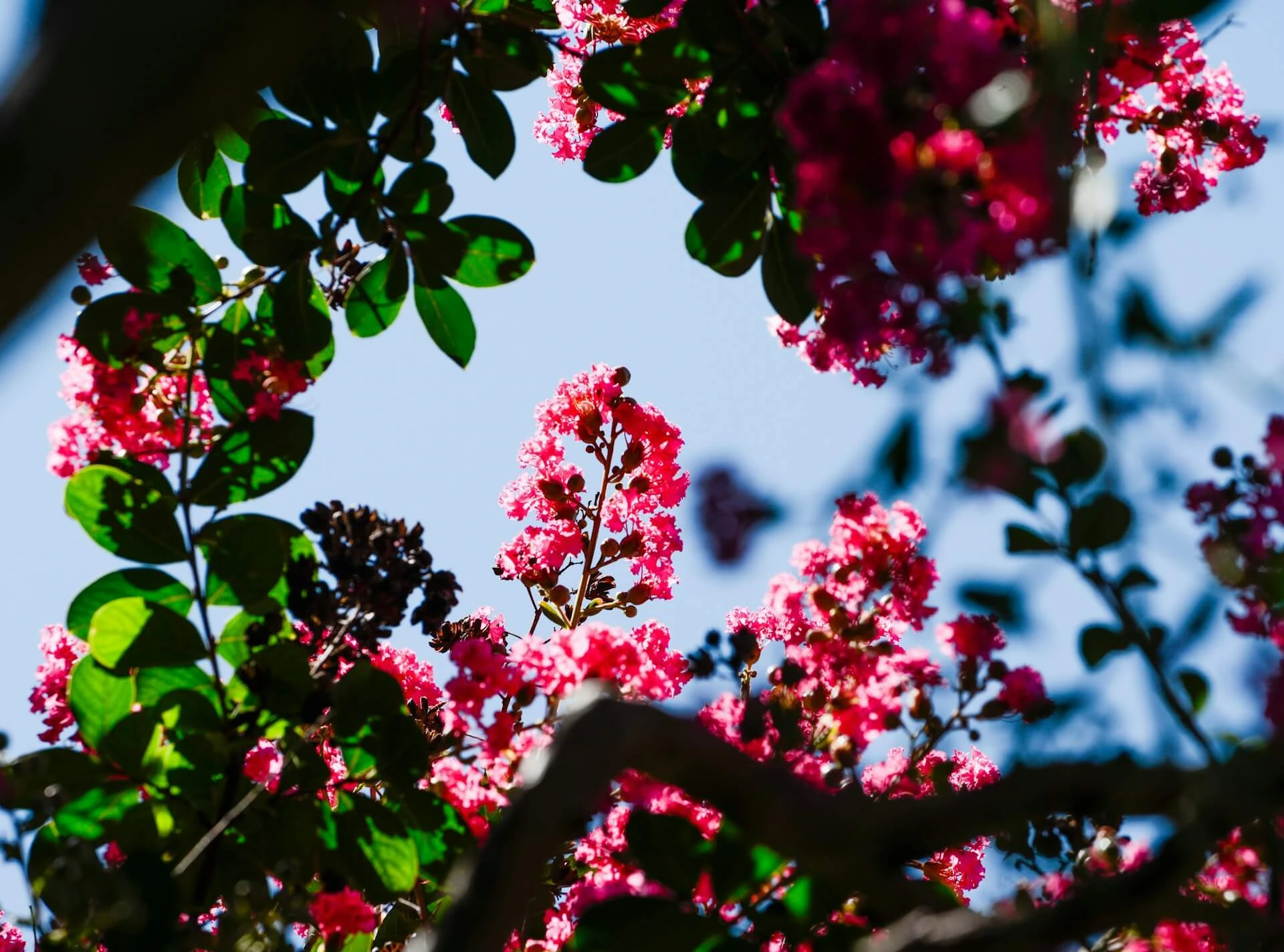
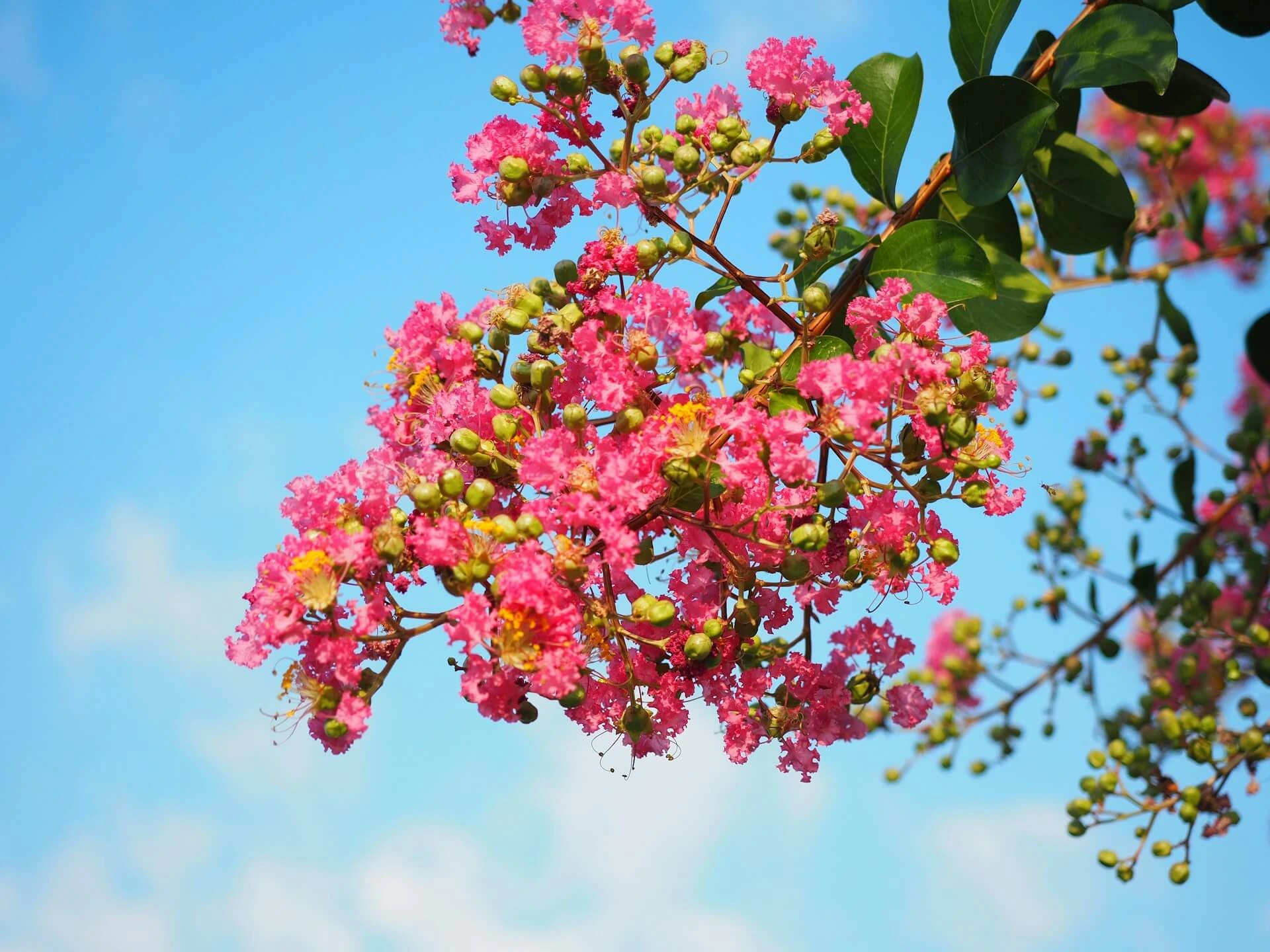
July through September – that’s your bloom window. And when I say showy, I mean jaw-dropping panicles of flowers that stop people in their tracks.
The wild-type species gives you rose to red flowers. But cultivars? You’re looking at white, pink, mauve, purple, or carmine options. Each flower is 6-parted with these ruffled, clawed petals that look like crinkled crepe paper (hence the name).
Here’s something nobody told me: those flowers can stain walkways and car paint. Seriously. Don’t plant this tree right next to your driveway or over your parking spot unless you want to explain some interesting paint damage to your insurance company. I made this mistake once. Never again.
Foliage Changes Throughout the Season
The leaves start out light green with red tinges in spring. By summer, they’ve turned dark green. Then fall hits, and you get this spectacular show of yellows, oranges, and reds before they drop.
The leaves themselves are pretty distinctive:
- Short petioles (leaf stems)
- Opposite, alternate, or in whorls of three
- Oval or circular shaped
- Smooth edges
For more tips on seasonal tree care, we’ve got detailed guides that cover every stage.
Pruning: Stop Making This Mistake
Everyone wants to know about pruning, and here’s where people mess up constantly.
Do NOT top your crepe myrtle. I can’t stress this enough. That severe pruning or “crepe murder” as some call it? Completely unnecessary and actually harmful.
If you picked the right size variety for your space, you shouldn’t need much pruning at all. If you absolutely must thin the tree:
Proper pruning approach:
- Wait until late winter or early spring
- Prune before new growth starts (this is where the flowers form)
- Remove crossing branches and dead wood
- Maintain the natural shape
Think of it like this – you’re working with the tree’s natural form, not fighting against it.
Dealing With Pests and Disease
Let’s get real about the problems you’ll face.
The pest lineup:
- Aphids (annoying but manageable)
- Scales (more serious, especially crape myrtle bark scale)
- Flea beetles (occasional issue)
That crape myrtle bark scale in western Tennessee? It’s become a legit problem. Pesticides work, but I’ve also had success with scrub brushes to physically remove the scales. It’s tedious, but effective for small infestations.
Disease issues to watch:
- Leaf spots (usually cosmetic)
- Powdery mildew (choose resistant varieties)
For detailed pest management, check out our comprehensive pest control guide.
Why Crepe Myrtle India Works in American Landscapes
Here’s what makes crepe myrtle india such a winner for US gardeners – it adapted beautifully to our climate zones despite its Asian origins. The tree’s natural drought resistance and pollution tolerance make it perfect for urban and suburban settings.
This tree is incredibly versatile. I’ve used it successfully as:
Single specimen uses:
- Focal point in lawns
- Centerpiece for butterfly gardens
- Feature tree in pollinator gardens
- Container plant (dwarf varieties only)
Group plantings:
- Privacy screens (plant 8-10 feet apart)
- Hedge rows along property lines
- Street tree plantings (check local regulations)
The dwarf varieties work great in containers on patios, which is perfect if you’re in a colder zone and want to move them to protection in winter.
Propagation and Traditional Uses
You can propagate crepe myrtle from seed or stem cuttings. Stem cuttings root pretty readily in late spring or early summer.
Here’s something interesting from traditional medicine: the bark, leaves, and flowers have been used as purgatives in India. The bark acts as a stimulant and febrifuge (fever reducer). Roots are astringent and used in gargle preparations.
I’m not recommending you try any of this – just sharing what’s documented in traditional Indian and Manipuri medicine. Always consult healthcare professionals before using any plant medicinally.
FAQs
What is the scientific name for crepe myrtle?
The crepe myrtle’s scientific name is Lagerstroemia indica. It belongs to the Lythraceae family (loosestrife family).
What zone does crepe myrtle grow best in?
Crepe myrtle zone requirements are zones 7-9 for best performance, though it can survive in zones 6-10 with proper care.
Why is it called Indian Crape Myrtle?
The species name “indica” references its native origin in India and the surrounding Himalayan regions, which is why it’s often called crepe myrtle india.
How tall does crepe myrtle grow?
It ranges from 6 to 30 feet depending on the variety, making proper cultivar selection crucial for your space.
When does crepe myrtle bloom?
Expect blooms from July through September with proper care and full sun exposure.
What is Lagerstroemia indica common name?
The Lagerstroemia indica common name is crepe myrtle.
Final Thoughts
Crepe myrtle india brings serious bang for your buck. You get summer flowers, fall foliage, winter bark interest, and a tree that’s tough enough to handle drought, deer, and pollution once established.
Just remember: pick the right size variety, give it full sun, protect it in colder zones, and resist the urge to butcher it with severe pruning. Do those things right, and you’ll have a showstopper that performs year after year.
The key is matching the tree to your specific conditions and being realistic about your crepe myrtle zone. Get that right, and everything else falls into place.