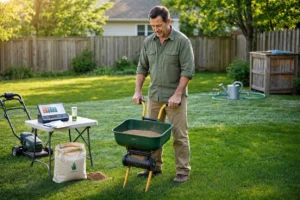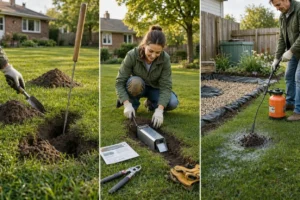
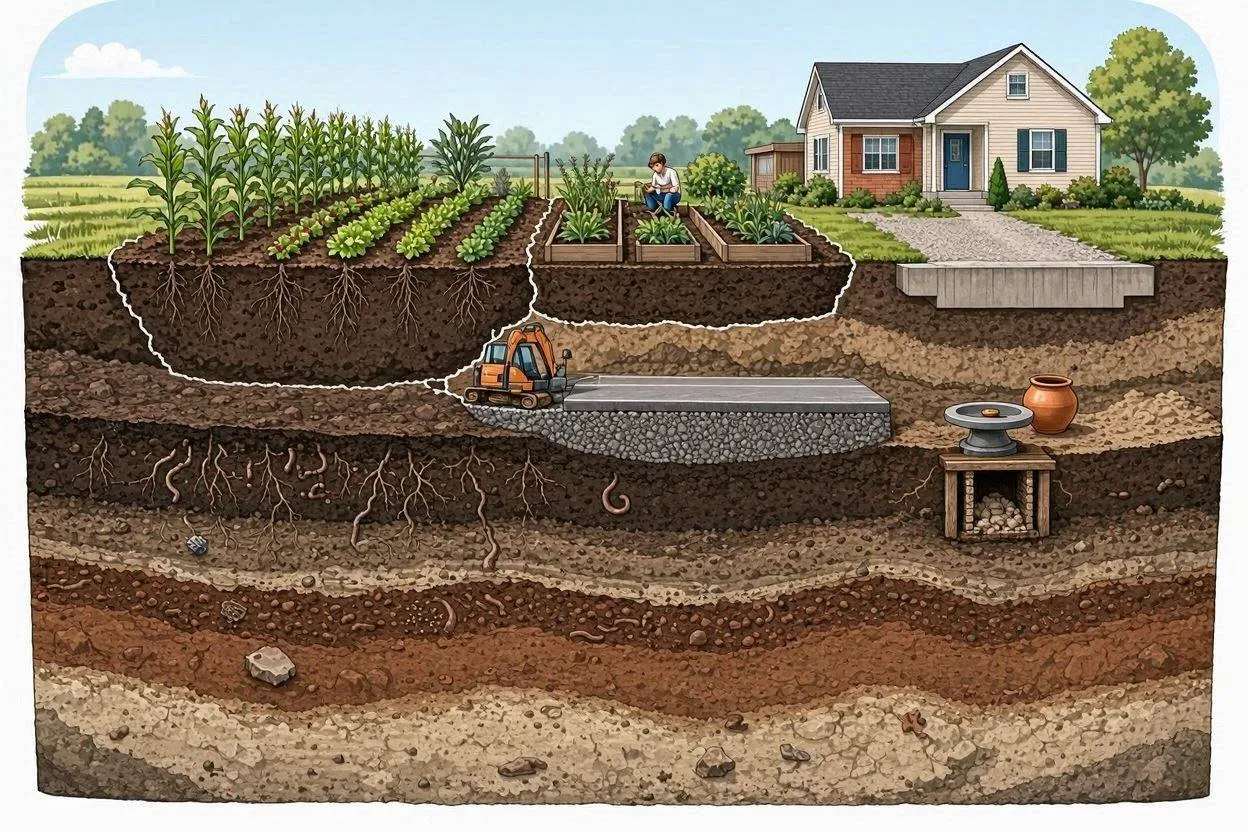
Soil supports plant growth, building construction, medicine production, and manufacturing of everyday goods such as bricks, cosmetics, and computer chips. Few natural resources touch as many parts of daily life. A single handful of healthy soil contains more living organisms than the total human population on Earth, and that same soil eventually becomes the food on your plate, the walls of your house, and even the antibiotics in your medicine cabinet.
This guide covers 15 essential uses of soil across agriculture, construction, industry, medicine, and the environment, along with the soil science behind each one.
What Is Soil Made Of?
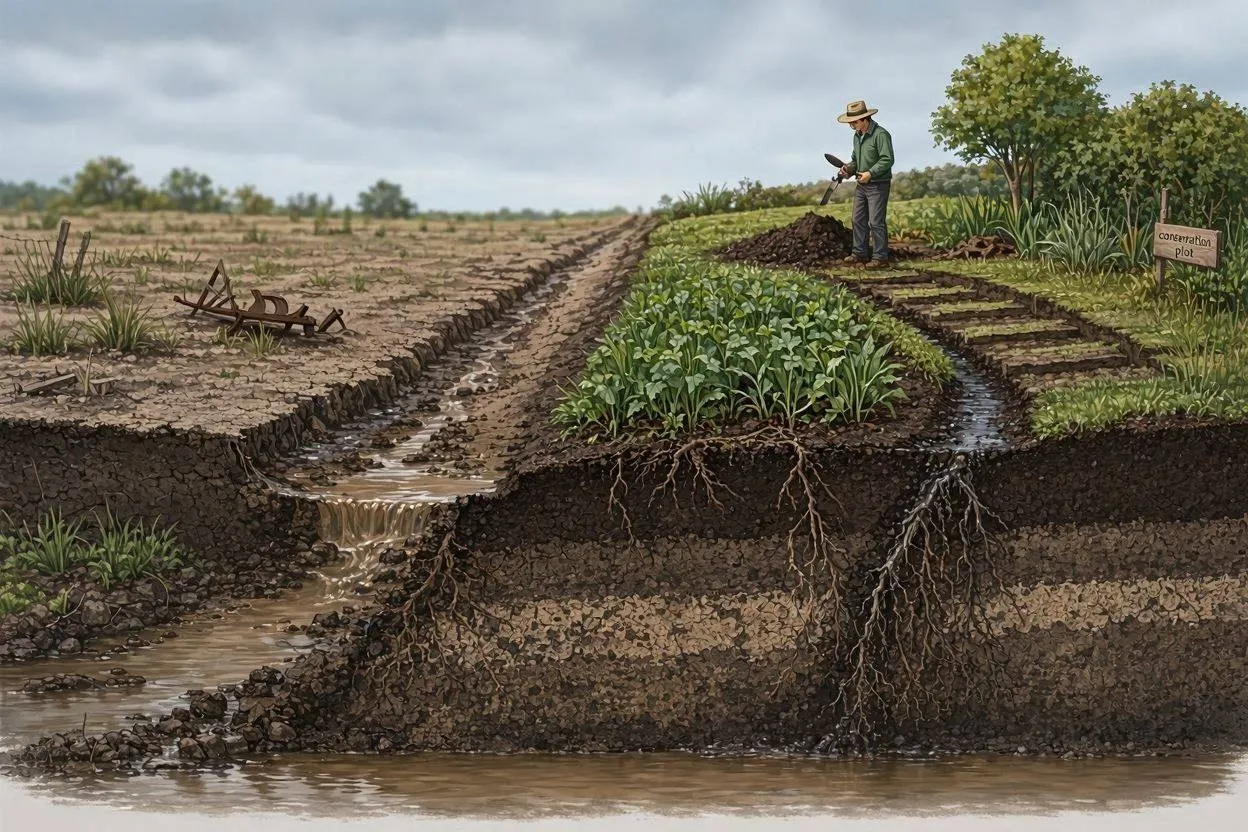
Soil consists of four main components: minerals, organic matter, air, and water. Mineral particles make up about 45% of soil volume, organic matter contributes roughly 5%, and air and water each fill about 25% of the remaining pore space.
These four components interact constantly. Water carries dissolved nutrients to plant roots, air pockets allow root respiration, and organic matter feeds the bacteria and fungi that break down dead plant material into usable nutrients. Soil texture — the ratio of sand, silt, and clay particles — determines how well a soil type holds water and drains excess moisture.
The 15 Essential Uses of Soil
1. Growing Food Crops
Soil anchors plant roots and supplies the physical structure crops need to grow upright while accessing water and nutrients below the surface. Nearly all staple food crops in the United States, including corn, wheat, and soybeans, depend on healthy topsoil for germination and yield.
2. Supplying Nutrients to Plants
Soil delivers three essential macronutrients to plants — nitrogen (N), phosphorus (P), and potassium (K) — along with micronutrients such as calcium, magnesium, and zinc. Nitrogen builds plant proteins and chlorophyll, phosphorus drives root and flower development, and potassium regulates water balance within plant cells.
Soil also hosts mycorrhizae, a type of fungus that partners with plant roots. These fungi extend a plant’s effective root reach by up to 100 times its natural range, pulling water and phosphorus from soil the roots alone could never access.
3. Supporting Different Crop Types by Soil Texture
Loamy soil works best for most farming because it balances drainage, nutrient retention, and root penetration. Sandy soil drains quickly and suits root vegetables like carrots, while clay soil retains water and nutrients well but requires drainage management for crops such as rice.
| Soil Type | Best Crops | Key Property |
| Loamy | Corn, wheat, vegetables | Balanced drainage and nutrients |
| Sandy | Carrots, potatoes, peanuts | Fast drainage, low nutrient retention |
| Clay | Rice, leafy greens | High water and nutrient retention |
| Silty | Fruit trees, soybeans | Fine texture, moderate drainage |
| Peaty | Blueberries, cranberries | High acidity, rich organic content |
Farmers across the United States test soil pH before planting, since most crops grow best in a pH range of 6.0 to 7.0 (measured on a 0–14 scale, with 7 being neutral). A pH below 6.0 limits nutrient absorption, even when nutrients are physically present in the soil.
4. Providing Stable Building Foundations
Soil determines the load-bearing capacity of a foundation, which is why engineers test bearing strength and shrink-swell potential before construction begins. Clay-heavy soils expand when wet and contract when dry, a cycle that can crack foundations if builders do not account for it during design.
Geotechnical engineers classify soil using the Unified Soil Classification System (USCS), which groups soil by grain size and plasticity. A site with sandy or gravelly soil typically supports heavier loads than one with soft clay, so builders often reinforce clay sites with deeper footings or compacted fill before laying a foundation.
5. Making Bricks, Tiles, and Ceramics
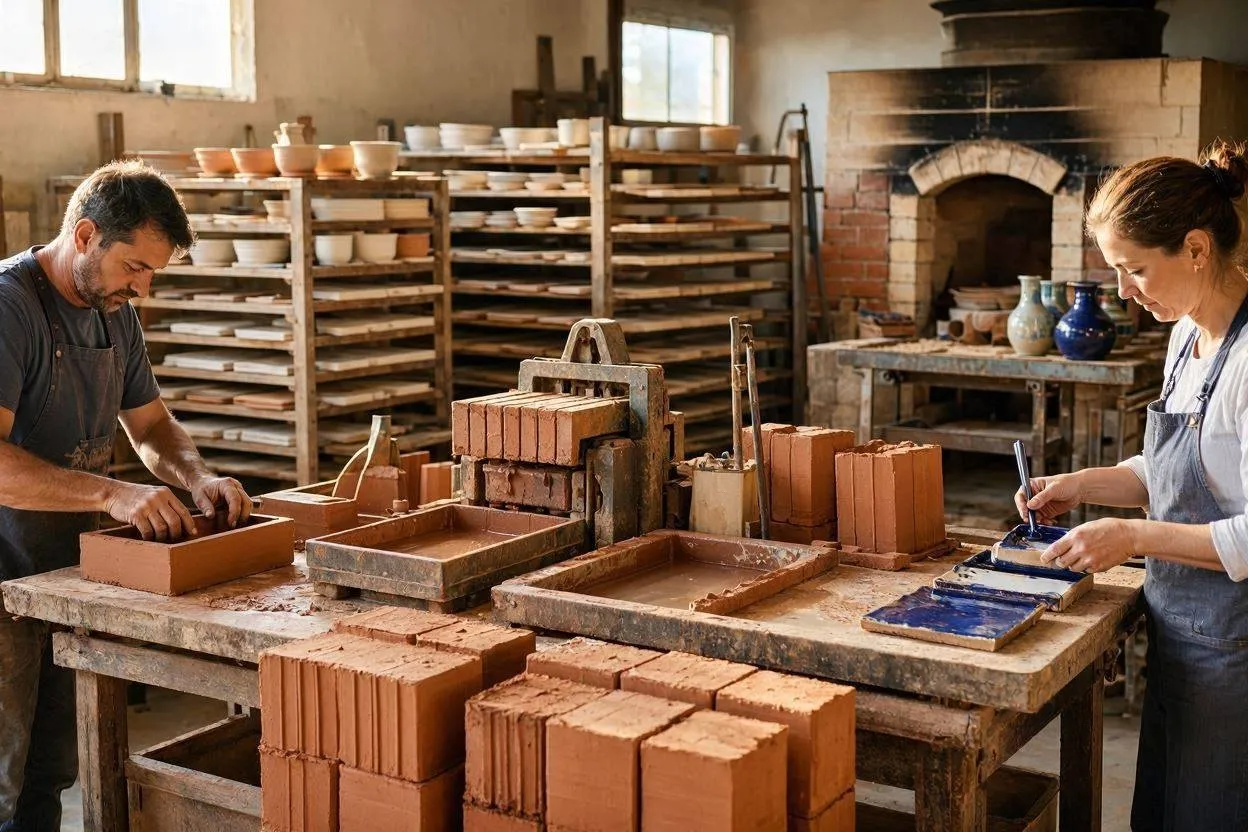
Clay soil, when fired at temperatures between 1,800°F and 2,200°F (982°C to 1,204°C), forms bricks, roof tiles, and ceramic products used throughout the construction industry. Kaolinite, a specific clay mineral, gives fired bricks their strength and heat resistance.
Beyond bricks, soil-derived materials appear in cement additives, pottery, and porcelain fixtures found in most American homes.
6. Producing Cotton Textiles
Cotton plants grow directly in cultivated soil, drawing nutrients that determine fiber length and strength. Soil quality in cotton-growing regions such as Texas and Georgia directly affects the grade and market value of the finished fabric.
7. Making Leather Goods
Livestock raised on soil-grown grass and feed crops produce the hides used in leather manufacturing. Soil health in grazing pastures affects animal nutrition, which in turn affects hide quality used for shoes, bags, and furniture.
8. Manufacturing Glass
Silica, a mineral found abundantly in soil and sand, forms the primary ingredient in glass production. Manufacturers melt silica at extremely high temperatures to produce everything from windows to glass bottles.
9. Producing Silicon for Computer Chips
Purified silicon, extracted from silica found in soil, powers every computer chip and smartphone processor manufactured today. Without soil-derived silicon, the modern electronics industry would not exist in its current form.
10. Making Cosmetics and Skincare Products
Kaolin clay and other soil-based minerals appear in foundation makeup, face masks, and mineral-based sunscreens. These minerals absorb excess oil and provide the smooth texture consumers expect from cosmetic products.
11. Making Pencils and Paper
Clay acts as the binding agent that holds graphite together inside a pencil, controlling how dark or light the pencil writes. Paper production also depends on soil indirectly, since wood pulp comes from trees grown in forest soil.
12. Shaping Wine Flavor Through Terroir
Soil composition beneath vineyards directly affects grape flavor, a concept winemakers call terroir. Mineral content, drainage, and soil temperature all influence sugar levels and acidity in the finished wine.
13. Producing Antibiotics and Medicine
Streptomycin, one of the first antibiotics effective against tuberculosis, comes from a soil bacterium called Streptomyces griseus. Researcher Selman Waksman discovered the compound in 1943 after screening thousands of soil samples for microorganisms capable of killing harmful bacteria.
Soil remains an active research target for new antibiotics today, since roughly two-thirds of naturally derived antibiotics originate from Streptomyces bacteria found in soil.
14. Storing Atmospheric Carbon
Soil stores more carbon than the atmosphere and all plant life combined, holding an estimated 2,500 gigatons of organic carbon worldwide. The atmosphere holds approximately 800 gigatons of carbon, and global vegetation holds around 560 gigatons, making soil the planet’s largest terrestrial carbon reservoir.
Healthy soil pulls carbon dioxide out of the atmosphere through plant photosynthesis, then stores that carbon in root systems and decomposed organic matter. Degraded soil releases stored carbon back into the atmosphere, which is why soil conservation directly affects climate policy in 2026.
15. Filtering Water and Supporting Biodiversity
Soil filters rainwater by trapping pollutants, sediment, and pathogens as water moves through soil layers before reaching groundwater aquifers. Sand and gravel layers remove larger particles first, while finer clay particles and microbial communities break down chemical contaminants and bacteria.
Soil also hosts approximately 25% of Earth’s total biodiversity, including bacteria, fungi, insects, earthworms, and nematodes. A single teaspoon of healthy soil can contain over 1 billion bacteria and several miles of fungal filaments, driving the nutrient cycling that keeps ecosystems functioning.
Emerging Uses of Soil in 2026
Beyond the 15 core uses above, soil continues to find new applications. Corn and soybean crops grown in soil now supply raw material for ethanol and biodiesel, renewable fuels blended into gasoline and diesel across the United States. Ground-source heat pumps use stable underground soil temperatures — typically between 50°F and 60°F (10°C to 15°C) year-round — to heat and cool buildings more efficiently than traditional systems.
Soil scientists also study lunar and Martian soil simulants to test whether crops could grow during future space missions, while archaeologists use soil composition analysis to date artifacts and reconstruct ancient climates.
What Is Soil Conservation and Why Does It Matter?
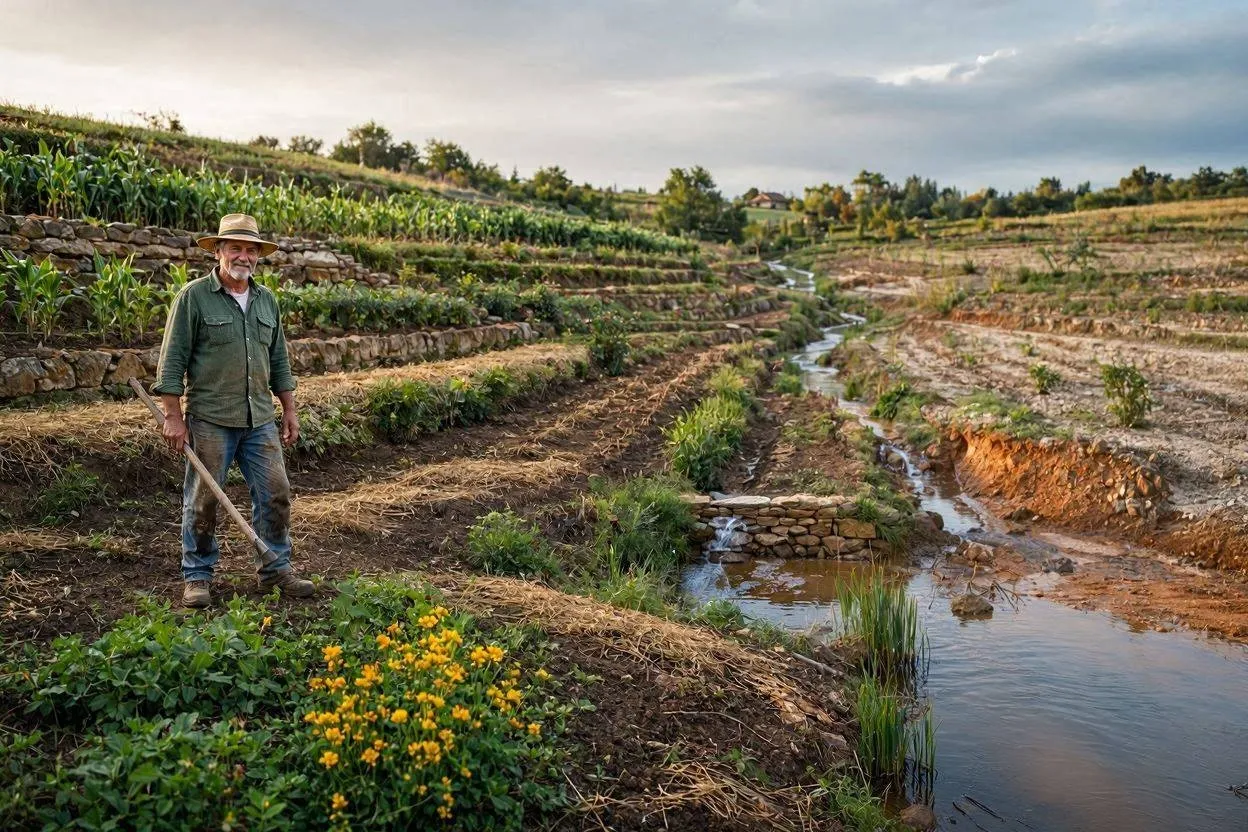
Soil conservation protects topsoil from erosion, nutrient depletion, and contamination through practices such as crop rotation, cover cropping, and reduced tillage. These practices matter because natural topsoil formation takes centuries, while poor land management can strip topsoil away within a single growing season.
Farmers who rotate crops between nitrogen-depleting plants like corn and nitrogen-fixing plants like soybeans reduce the need for synthetic fertilizer while maintaining soil fertility. Cover crops planted between growing seasons prevent wind and water erosion, keeping topsoil in place through winter months.
FAQs
Is soil a renewable resource?
No, soil is not a renewable resource on a human timescale. Natural processes take between 500 and 1,000 years to form 1 inch (2.5 cm) of topsoil, making soil loss largely permanent within a single lifetime.
What is the most fertile soil type?
Loamy soil is the most fertile soil type. It combines sand, silt, and clay in balanced proportions, giving it strong nutrient retention alongside reliable drainage.
Can soil be used to generate electricity?
Yes, soil can generate electricity through microbial fuel cells. These devices use bacteria in soil to convert organic matter into a small electric current, a technology currently applied in remote sensors and off-grid research stations.
How long does it take to form 1 inch of topsoil?
Topsoil takes 500 to 1,000 years to form 1 inch (2.5 cm) under natural weathering and biological processes. This slow formation rate is why soil conservation efforts focus on prevention rather than restoration.
What happens if soil loses all organic matter?
Soil without organic matter loses its ability to retain water, support plant roots, and sustain microbial life. This decline leads to reduced crop yields, weaker structure, and higher erosion risk.
Test Your Soil Before Your Next Growing Season
A basic soil test kit measures pH, nitrogen, phosphorus, and potassium levels within minutes. Homeowners, gardeners, and farmers who test soil before planting make better decisions about fertilizer, amendments, and crop selection, saving money and improving yield in the process.