Perfectly Zoned Garden Beautifully Grown

Discover the art of climate-smart gardening at Zoned Garden. We help you select and grow plants that thrive in your specific zone, ensuring beautiful, healthy gardens year-round.

Grow Zone Finder - Zoned Garden

Find Your
Grow Zone

Enter your zip code to find your
plant hardiness zone*

Information not available for all US zip codes

Please enter a valid 5-digit US Zip Code.

Your Growing Zone Is

10b

Zip Code: 90210

Avg. Extreme Minimum Temp:
35 to 40 °F

What is a Plant Hardiness Zone?

The USDA Plant Hardiness Zone Map is the standard by which gardeners and growers can determine which plants are most likely to thrive at a location. The map is based on the average annual minimum winter temperature, divided into 10-degree F zones.

Knowing your zone is the single most important step in choosing perennials, shrubs, and trees. If a plant is rated for Zone 5, but you live in Zone 3, it's highly unlikely to survive your winter without special protection.

Why Zone Matters

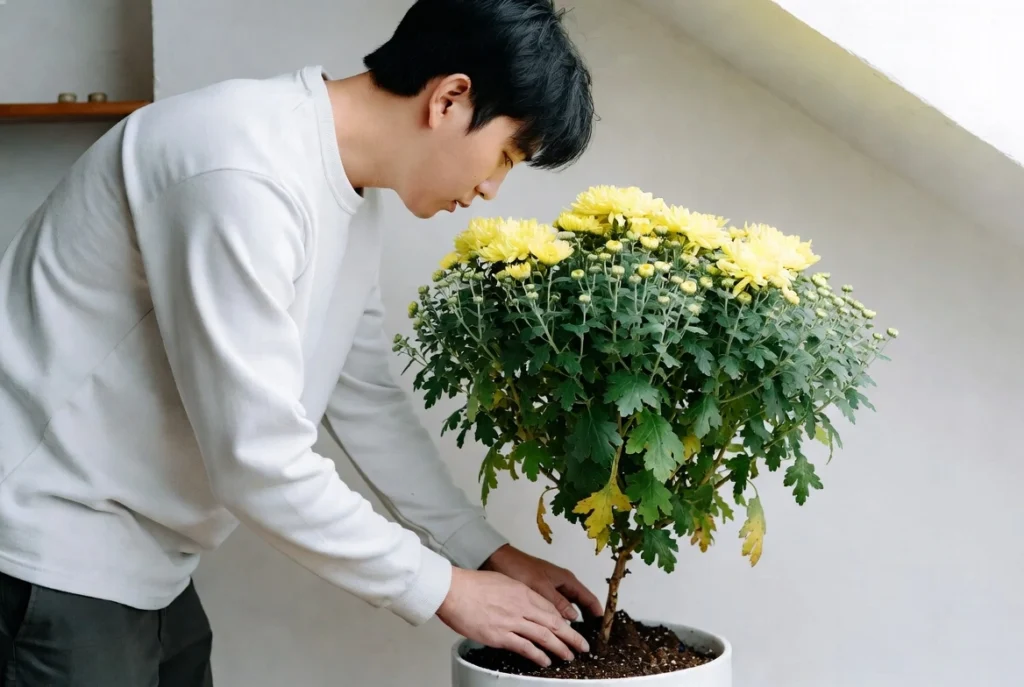
  • Plant Survival: Ensures your expensive perennials make it through the winter.
  • Seed Starting: Helps dictate your last and first frost dates for vegetable gardening.
  • Less Frustration: Fighting your climate is exhausting. Growing plants adapted to your zone leads to effortless, beautiful gardens.

THEY ARE AMAZING

WE ARE THE BEST

At Zoned Garden, we believe that successful gardening starts with understanding your unique climate zone. Whether you’re a first-time planter or a seasoned gardener, we provide the tools, plants, and knowledge you need to create thriving outdoor spaces.

Shop the

New Plant Varieties

Our Story

What started as a weekend hobby has blossomed into something far more meaningful. For over two decades, I’ve had my hands in the soil, learning the language of plants, understanding the rhythm of seasons, and discovering the profound joy that comes from nurturing life from seed to bloom.

Shop Now

Our Latest pRODUCTS

Explore the best Plants and Flowers from the Zoned Garden. 

Got any Questions

Talk to Us

Let's Dig In

Browse our curated selection of plants and flowers tailored to specific occasions—from birth month blooms that celebrate personal milestones to zodiac flowers that connect with your astrological identity. Planning a wedding? Discover seasonal arrangements that will flourish on your special day.

Satisfied Customers
0 +

It's faq time

Frequently Asked questions

What are the disadvantages of crepe myrtles?
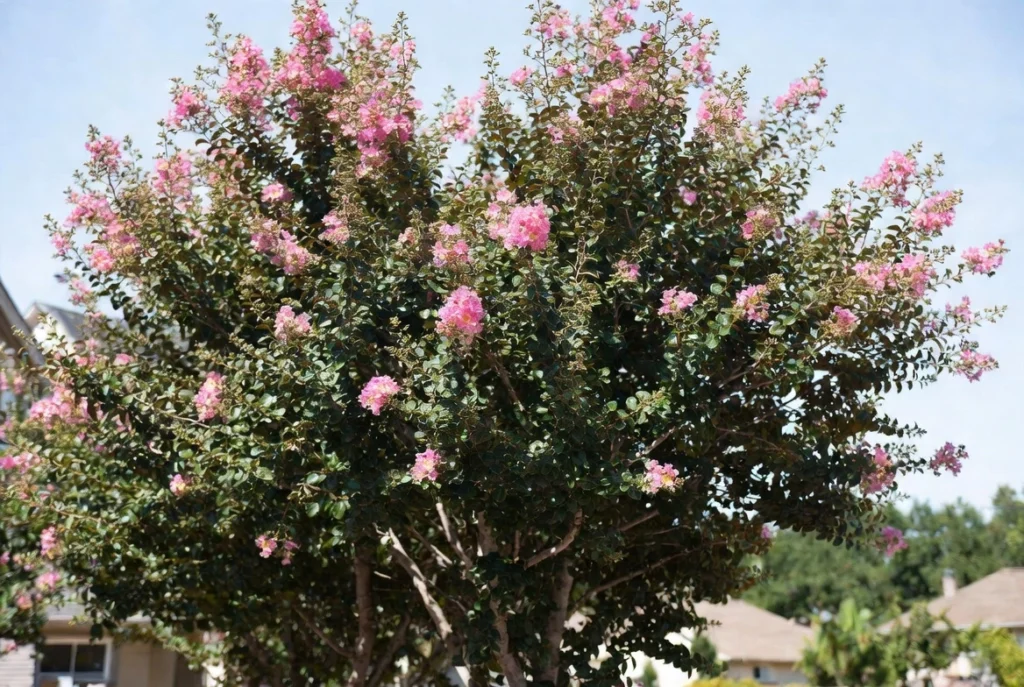
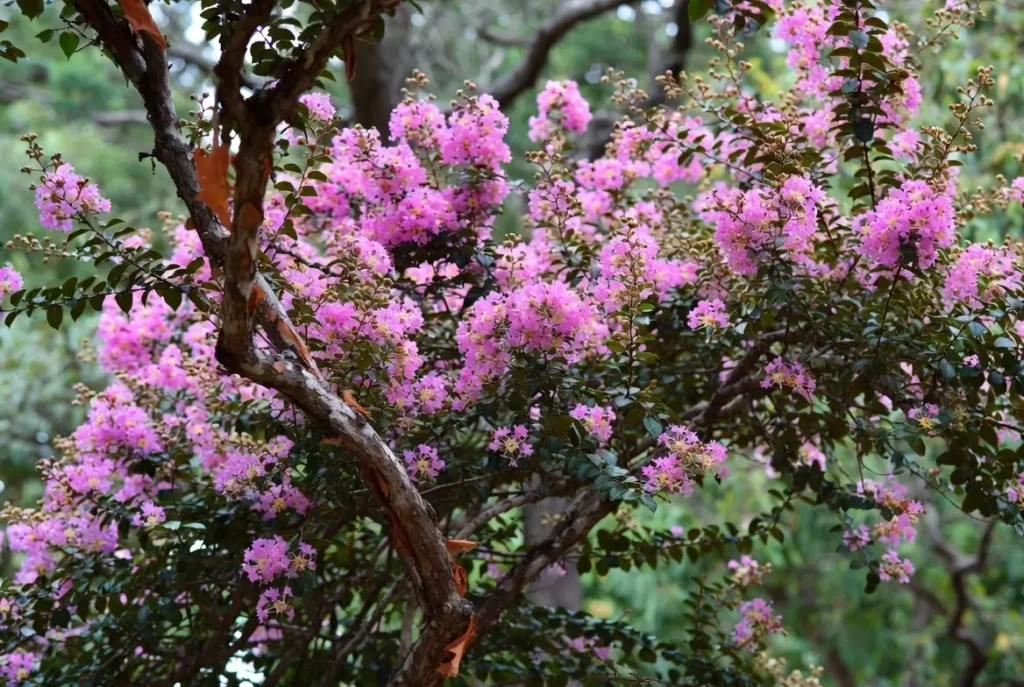
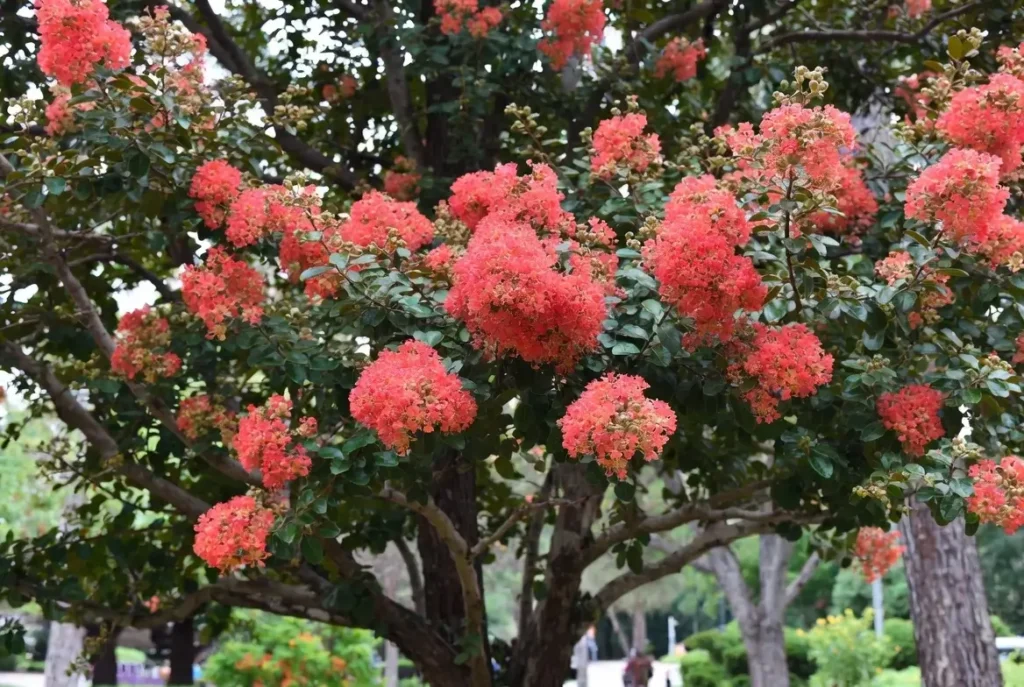
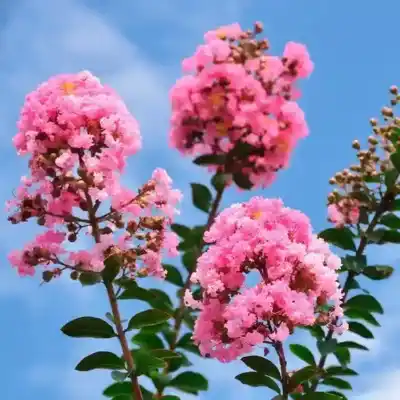
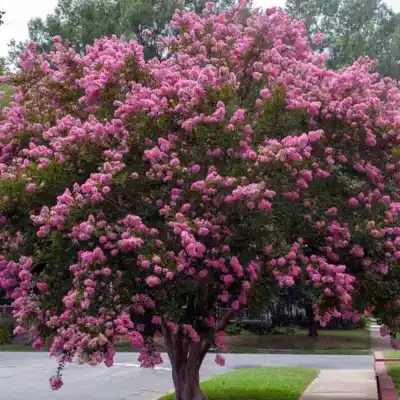
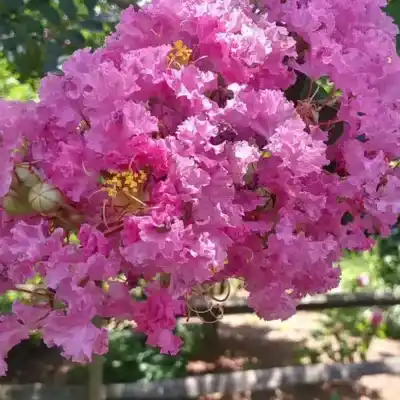
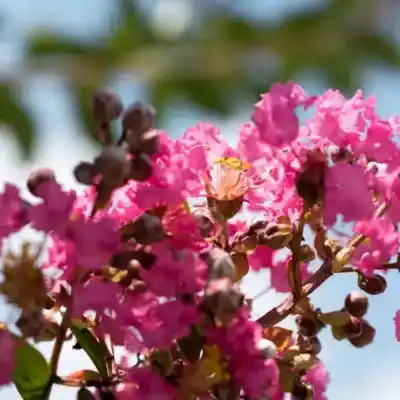
Crepe myrtles are susceptible to powdery mildew, aphids, and require regular pruning to maintain shape, plus they drop flowers and seed pods creating cleanup needs.
Dwarf crepe myrtles typically reach 3-5 feet tall and wide, making them perfect for containers, borders, and small garden spaces.
Miniature crepe myrtles grow 18 inches to 3 feet tall, making them ideal for containers, front borders, and compact garden spaces.
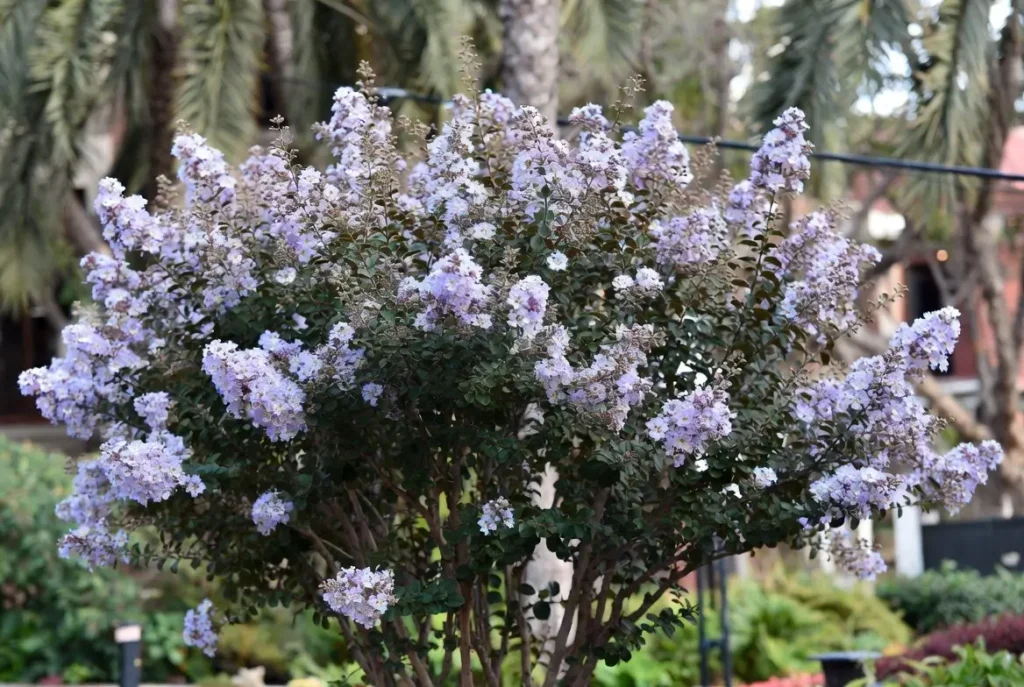
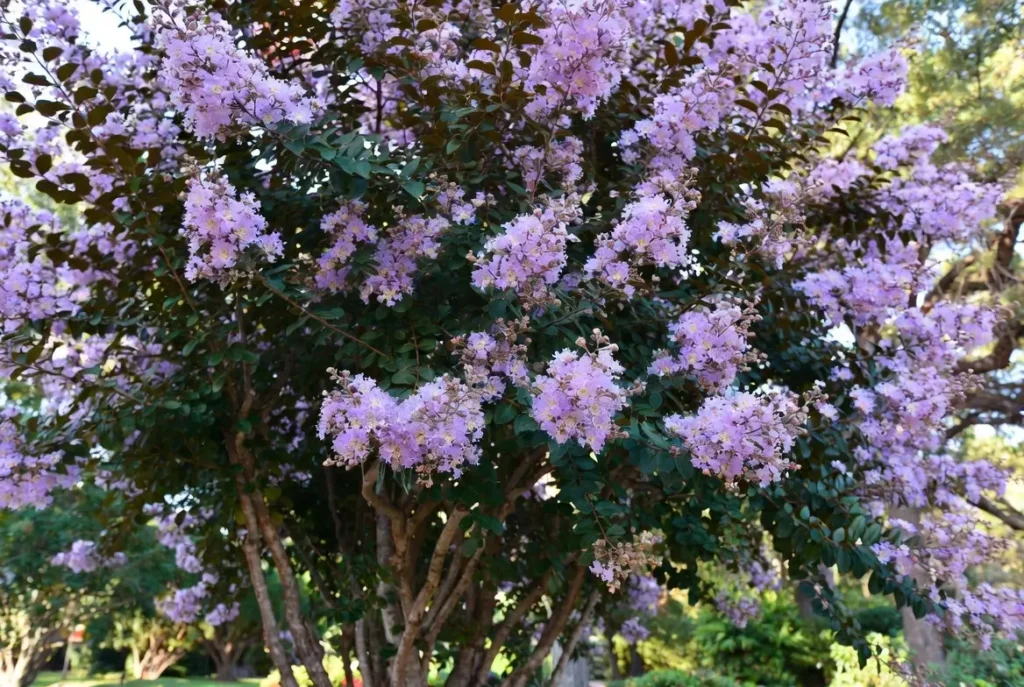
Lavender crepe myrtles typically grow 10-20 feet tall depending on the variety, with dwarf lavender types staying 3-5 feet and standard varieties reaching up to 25 feet.
Does cat's Pajamas plant spread?

Cat’s Pajamas (dwarf crepe myrtle) grows in a compact, mounded form and doesn’t spread aggressively, staying within its 3-4 foot height and width without suckering.

No, Cat’s Pajamas doesn’t attract cats—the name refers to the phrase “the cat’s pajamas” meaning something excellent, not any feline appeal.
Dwarf Norway spruce varieties typically reach 3-6 feet tall and 4-5 feet wide at maturity (10-15 years), though size varies by cultivar with some staying under 3 feet.
A mounding plant grows in a low, rounded, dome-shaped form that spreads outward rather than upward, creating a compact cushion of foliage ideal for borders, ground cover, and layered garden designs.

Read From Our Blogs

Be a plant Expert