
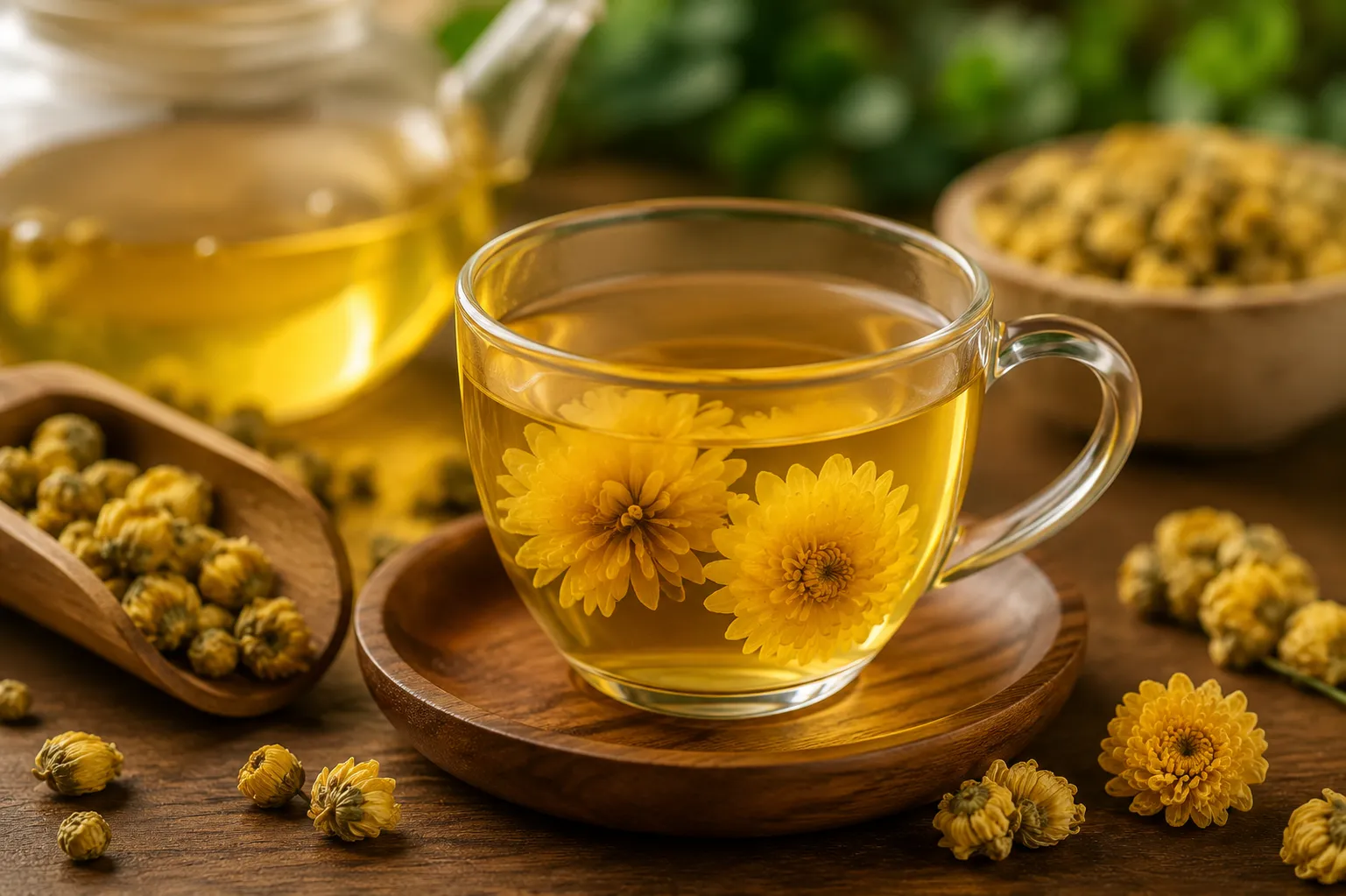
Chrysanthemum tea reduces blood pressure, fights inflammation, and protects eye health — all backed by traditional use and growing scientific research. Brewed from dried Chrysanthemum morifolium flowers, this caffeine-free herbal drink has been central to traditional Chinese medicine (TCM) for over 3,000 years.
Today, gardeners and wellness seekers grow their own chrysanthemums specifically for the tea. If you already grow mums at home, learning about chrysanthemum flowers and their complete growing guide will help you pick the right food-grade varieties.
What Is Chrysanthemum Tea?
Chrysanthemum tea is a floral infusion made by steeping dried Chrysanthemum morifolium or Chrysanthemum indicum flowers in hot water. The result is a light golden-yellow drink with a subtle floral sweetness and a mild, refreshing taste.
Unlike black or green tea, chrysanthemum tea is 100% caffeine-free. That makes it suitable any time of day, including before sleep. The tea originated during China’s Song Dynasty (960–1279 AD) and remains one of the most consumed herbal drinks across East and Southeast Asia.
Each cup (240 ml / 8 fl oz) delivers vitamins A, B, and C, along with minerals including calcium, magnesium, potassium, iron, and phosphorus. It also contains flavonoids, amino acids, and beta-carotene — the same antioxidant found in carrots.
10 Chrysanthemum Tea Benefits Backed by Research
1. Lowers Blood Pressure Naturally
Yes, chrysanthemum tea can help reduce high blood pressure. The high potassium content widens blood vessels and improves blood flow. In TCM, chrysanthemum is classified as an anti-hypertensive herb, and modern clinical studies confirm this effect.
One study found chrysanthemum was effective in reducing blood pressure as part of a dietary treatment program. Regular drinkers also report a calmer, more relaxed state — a direct result of better circulation and reduced stress hormones in the blood.
2. Protects and Improves Eye Health
Chrysanthemum tea is one of the best herbal remedies for eye strain and dry eyes. The flower is rich in carotenoids, beta-carotene, and vitamin A — nutrients that protect the retina, reduce eye fatigue, and improve vision in low light.
In TCM, chrysanthemum has a direct energetic affinity with the liver channel, which governs eye health. Drinking 1–2 cups daily is a traditional remedy for screen-related eye strain and early-stage conjunctivitis.
3. Fights Inflammation
Chrysanthemum tea reduces inflammation through its flavonoids and phenolic compounds. These phytochemicals suppress pro-inflammatory pathways in the body — the same pathways linked to chronic conditions like arthritis, cardiovascular disease, and metabolic syndrome.
The tea’s “cooling” property in TCM corresponds directly to this anti-inflammatory action. It reduces internal heat — a concept that maps closely to systemic oxidative stress in modern medicine.
4. Supports Liver Detox
Chrysanthemum tea helps the liver filter and eliminate toxins more efficiently. Flavonoids in the flower protect liver cells from free radical damage — the same oxidative damage associated with cirrhosis and hepatitis.
Research shows chrysanthemum extract may reduce liver inflammation and improve hepatic function. For a deeper dive into plants with detox properties you can grow at home, see our guide on growing herbs and edible flowers from seed.
5. Boosts Immune Function
Chrysanthemum tea contains vitamins A and C, plus zinc — 3 core nutrients for immune defense. Vitamin C stimulates white blood cell production. Vitamin A strengthens mucous membranes that block pathogens at entry points like the nose, throat, and gut.
In TCM, chrysanthemum clears heat and toxin — a framework that aligns with its antimicrobial and antiviral activity confirmed in laboratory studies.
6. Improves Skin Health
The beta-carotene and antioxidants in chrysanthemum tea slow visible skin aging. Beta-carotene converts to vitamin A in the body, which fights free radicals that cause collagen breakdown, wrinkles, and uneven tone.
The tea’s anti-inflammatory properties also reduce skin redness, acne, and irritation from the inside out. People with heat-related breakouts — triggered by spicy or fried food — find chrysanthemum tea particularly helpful for rebalancing the skin.
7. Relieves Stress and Promotes Calm
Chrysanthemum tea has mild sedative properties that reduce anxiety and promote relaxation. The potassium content improves blood flow, which helps the body clear excess stress hormones like cortisol from the bloodstream.
Unlike chamomile, chrysanthemum doesn’t cause drowsiness at normal doses. It creates a calm, focused state — which is why it’s the go-to afternoon drink for millions across China and Japan.
8. Supports Heart Health
Regular chrysanthemum tea consumption reduces 3 major cardiovascular risk factors: high blood pressure, high cholesterol, and arterial inflammation. Studies have linked the tea to expanded coronary arteries, improved blood flow, and reduced risk of arteriosclerosis.
Long-term drinkers show lower LDL cholesterol and higher calcium absorption — both protective factors for heart and bone health. This makes it particularly valuable for middle-aged and older adults.
9. Speeds Up Hangover Recovery
Chrysanthemum tea helps the body metabolize alcohol faster and protects the liver from alcohol-related damage. The quercetin in chrysanthemum — a well-researched flavonoid — reduces nausea, headache, and fatigue, the 3 main hangover symptoms.
One study showed chrysanthemum tea improved alcohol metabolism when consumed after drinking. It also reduces the liver inflammation caused by processing large amounts of alcohol.
10. Provides Antioxidant Protection Against Cellular Damage
Chrysanthemum tea contains 60% more amino acids than green tea and delivers a concentrated dose of flavonoids, phenolic acids, and carotenoids that neutralize free radicals.
Free radical damage is the root mechanism behind aging, cancer cell formation, and chronic disease. Drinking chrysanthemum tea regularly builds a cumulative antioxidant defense — one that compounds over months and years of consistent use.
Chrysanthemum Tea Nutritional Profile (Per 240 ml Cup)
One standard cup of chrysanthemum tea brewed from dried flowers provides:
- Vitamin A (beta-carotene): supports vision, immunity, and skin
- Vitamin B complex: choline, niacin, riboflavin, pyridoxine — energy and brain function
- Vitamin C: immune defense and collagen production
- Potassium: heart and kidney function
- Calcium: bone and teeth strength
- Magnesium: muscle and nerve function
- Iron: red blood cell production and oxygen transport
- Flavonoids: anti-inflammatory and antioxidant protection
- Amino acids: 60% more than green tea per serving
The tea is calorie-free and caffeine-free, making it one of the most nutrient-dense zero-calorie beverages available.
How to Make Chrysanthemum Tea
Brewing chrysanthemum tea takes under 5 minutes and requires just 2 ingredients.
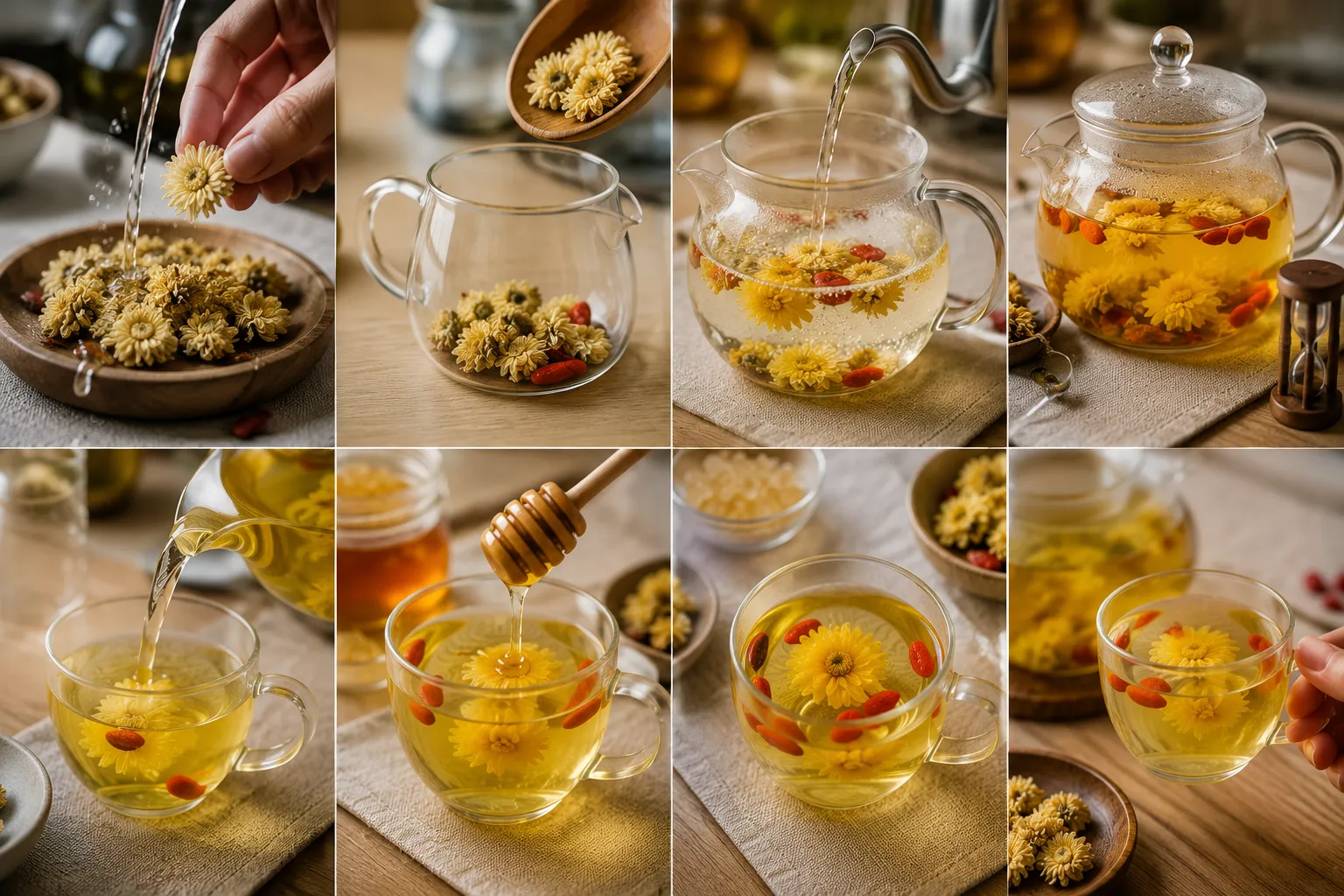
What You Need
- 8–10 dried food-grade chrysanthemum flowers (or 1 teaspoon of loose dried petals)
- 240–300 ml (8–10 fl oz) of hot water at 90–95°C (194–203°F) — not a rolling boil
- Optional: rock sugar or raw honey to taste
- Optional: 4–5 goji berries for extra eye-health benefits
Brewing Steps
- Rinse dried flowers briefly under cool water to remove dust
- Place flowers in a teapot, glass, or heatproof mug
- Pour hot water (90–95°C) over the flowers
- Steep for 3–5 minutes — longer steep produces a stronger, slightly bitter brew
- Strain or drink with the flowers left in (traditional method)
- Add rock sugar or honey if desired
- Refill with hot water 2–3 times — traditional servings reuse the same flowers
Important: Only use food-grade dried chrysanthemum flowers. Florist chrysanthemums are grown with pesticides and are not safe for consumption. Grow your own using the correct varieties, or buy certified organic dried flowers.
Chrysanthemum Tea Side Effects and Precautions
Chrysanthemum tea is safe for most adults in moderate amounts — 1 to 2 cups per day. There are 4 precautions worth knowing:

Allergic Reactions
People allergic to ragweed, daisies, or marigolds may react to chrysanthemum. All belong to the Asteraceae family. Symptoms include skin itching, hives, redness, or respiratory irritation. Stop use immediately if any reaction occurs.
Medication Interactions
Chrysanthemum may interact with certain statin medications (cholesterol-lowering drugs). A 2015 study recommended avoiding chrysanthemum tea while on these medications. Consult your doctor before use if you take prescription drugs.
Pregnancy and Breastfeeding
Moderate consumption is generally considered safe, but excessive intake is not recommended during pregnancy or breastfeeding. Consult your healthcare provider before adding it to your routine.
Cold Body Constitutions
In TCM, chrysanthemum is classified as a “cold” herb. People with chronically cold hands, poor circulation, or cold-sensitive digestion should limit intake to every other day rather than daily.
Growing Chrysanthemums for Tea at Home
The best chrysanthemum tea comes from flowers you grow yourself — you control the soil, avoid pesticides, and harvest at peak potency. Chrysanthemum morifolium grows in USDA Zones 5–9 and returns reliably each season when planted correctly.
3 practical steps for a tea-ready harvest:
- Choose food-grade varieties: Chrysanthemum morifolium or Chrysanthemum indicum — not ornamental florist mums
- Harvest at full bloom: Pick flowers when fully open, usually September through November
- Dry properly: Spread flowers on a mesh tray in a dry, well-ventilated space away from direct sun. Dry for 5–7 days until petals are crisp and crumble easily
If you’re planning a dedicated herbal tea garden, pairing chrysanthemums with other flowering perennials makes sense from both a growing and harvesting perspective. Understanding how to mulch and maintain perennial garden beds will keep your chrysanthemum plants healthy season after season.
Frequently Asked Questions
Can I drink chrysanthemum tea every day?
Yes — 1 to 2 cups daily is safe for most healthy adults. Drink on alternate days if you have a cold body constitution or are new to herbal teas. Long-term daily use builds cumulative antioxidant and cardiovascular benefits.
Does chrysanthemum tea help with weight loss?
It supports weight management but does not directly burn fat. The tea is calorie-free, has mild diuretic properties that reduce water retention, and may help regulate blood sugar, which reduces cravings. It works best as part of a balanced diet.
Is chrysanthemum tea safe for kids?
Yes, in small amounts — half a cup, diluted, once or twice a week. Avoid it for children under 2. The tea’s mild cooling and calming properties are beneficial for older children during fever or heat-related discomfort.
What does chrysanthemum tea taste like?
It tastes light, floral, and mildly sweet with a clean, refreshing finish. Yellow varieties are slightly more robust than white. Adding rock sugar or honey enhances the natural sweetness without masking the floral notes.
Can I mix chrysanthemum with other teas?
Yes — chrysanthemum blends well with goji berries, green tea, and pu-erh tea. The classic Chinese combination with goji berries boosts both eye health and liver support. Adding it to green tea creates a richer antioxidant profile without adding caffeine.
Final Thoughts
Chrysanthemum tea delivers 10 meaningful health benefits — from blood pressure and eye health to liver detox, skin improvement, and stress relief — all from a single caffeine-free cup.
The tea works best as a consistent daily habit rather than an occasional drink. Results from anti-inflammatory, cardiovascular, and antioxidant benefits build over weeks and months of regular consumption.
If you grow chrysanthemums already, the step from garden flower to daily health habit is a short one. Start with food-grade dried flowers, brew at 90–95°C, and enjoy 1 to 2 cups per day. For everything you need to know about growing the right varieties, visit the complete chrysanthemum growing guide on ZonedGarden.