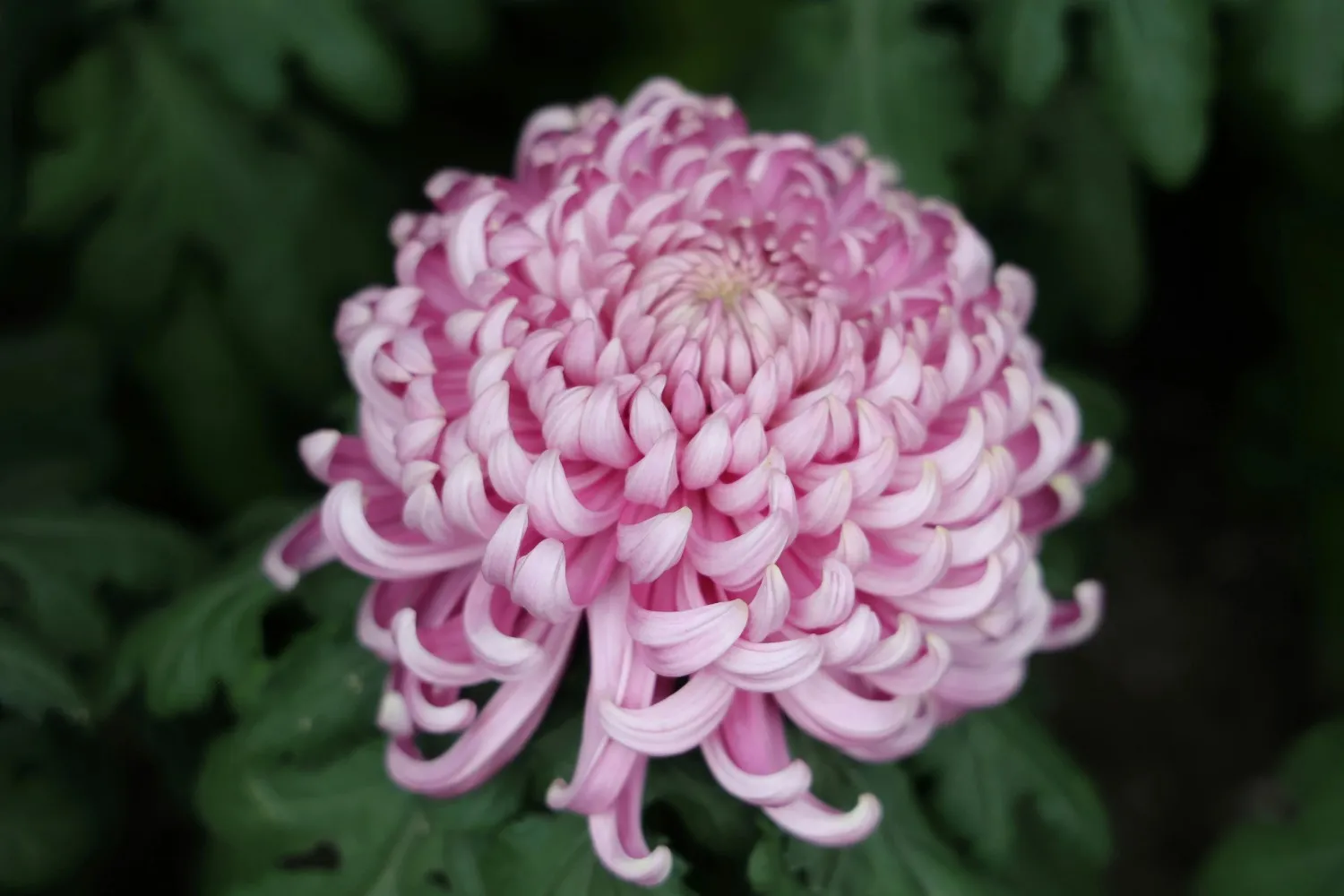
How to Plant Dahlia Tubers
- Wait until the soil reaches 60°F (15°C). A good rule of thumb is to plant a few days after you would plant tomatoes.
- Dig a hole 6 to 8 inches (15–20 cm) deep and mix in compost.
- Lay the tuber on its side with the eye (the growing point) facing up, then cover it with soil.
- Don’t water yet. Cold, wet soil rots tubers before they sprout. Start watering once shoots appear.
Spacing: large varieties 2 to 3 feet (60–90 cm) apart, medium varieties about 2 feet (60 cm), and bedding dahlias 9 to 12 inches (23–30 cm). Planted about 1 foot apart in a row, taller dahlias support each other like a flowering hedge.
Sun, Soil, Water and Feeding
- Light: 6 to 8 hours of direct sun, ideally including morning sun, with some shelter from wind.
- Soil: rich and well drained, pH 6.0 to 7.5. Loosen heavy clay to 12 inches (30 cm) deep and work in compost or aged manure.
- Water: once plants are growing, water deeply 2 to 3 times a week, more often in hot, dry weather.
- Fertilizer: a low-nitrogen formula such as 5-10-10 every 3 to 4 weeks from midsummer to early fall. Too much nitrogen gives lots of leaves and few flowers.
Disbudding for Bigger Blooms
Want fewer but larger flowers, for example on dinner plate varieties? Each stem usually carries a central bud with two smaller side buds. Pinch off the two side buds and the plant puts its energy into the central one. You can also root the tips you pinch off earlier in the season to grow extra plants.
Harvesting Dahlias for the Vase
Cut dahlias when the flowers are about three-quarters open, before the back petals turn papery, in the cool of early morning or evening. Use sharp, clean pruners, cut long stems back to a strong pair of leaves, and put them straight into cool water. Let them rest somewhere cool and dark for a few hours, add flower food, and keep them away from ripening fruit. Expect 5 to 7 days in the vase from ball, pompon and decorative types, and 1 to 3 days from dinner plates. For more ideas, see our guide to starting a cut flower garden.
Common Pests and Diseases
Pests: thrips (silvery streaks and deformed flowers), earwigs, slugs and snails, aphids, spider mites and Japanese beetles. Handpick larger pests, use slug bait for slugs, and spray neem oil or insecticidal soap for soft-bodied insects, with spinosad for heavy infestations.
Diseases: root rot from overwatering, powdery mildew, botrytis, crown gall (cauliflower-like growths; discard the plant) and viruses. Clean your pruners between plants, check new tubers before planting, and throw out any plant you suspect is diseased rather than risk spreading it.
Dividing Tubers in Spring
Each spring, before planting, you can split stored clumps into individual tubers to get more plants. Every piece needs at least one eye, a small pink bump where the tuber meets the old stem, or it won’t grow. In Zones 8 to 10 you can leave tubers in the ground under a thick layer of mulch instead of lifting them.
Growing Dahlias in Containers
Choose medium or dwarf varieties and a pot at least 12 inches (30 cm) wide and deep with drainage holes, filled with a soilless potting mix. Plant at the same depth as in the ground, mist rather than soak until shoots appear, then water and feed regularly through summer.
What Dahlias Symbolize
Dahlias are native to the mountains of Mexico and Central America and are Mexico’s national flower. They were named after the Swedish botanist Anders Dahl. Traditionally they stand for elegance and dignity, inner strength, commitment and lasting bonds, which is why they are popular in wedding bouquets. Colors add their own meanings: red for strength, white for purity, pink for kindness and grace, and purple for dignity. See how they compare with another late-season favorite in dahlia vs chrysanthemum, or browse more flower types.
Dahlia FAQs
When do dahlias bloom?
Usually about 8 to 12 weeks after planting, from midsummer until the first hard frost, with the biggest flush in August and September.
Are dahlias perennials or annuals?
They are tender perennials. In Zones 8 and warmer they can stay in the ground; in colder zones, lift and store the tubers over winter or grow them as annuals.
Can you grow dahlias from seed?
Yes, but seedlings won’t match the parent plant. Only tubers or cuttings give you an exact copy, so seed is mainly used to breed new varieties.
How long do dahlias last in a vase?
Ball, pompon and decorative types last 5 to 7 days; dinner plate types 1 to 3 days.
Are dahlias toxic to pets?
The ASPCA lists dahlias as mildly toxic to cats and dogs. Eating them usually causes only mild stomach upset or skin irritation, but it’s best to keep pets from chewing them.