A well-planned garden does more than improve curb appeal. The location of trees, shrubs, patios, fences, and planting beds can influence how much sun reaches a house, how air moves around the property, and even how hard heating and cooling equipment needs to work. For homeowners who enjoy creating functional outdoor spaces, considering the relationship between landscaping and indoor comfort can lead to a more balanced property.
Use Shade Where It Matters Most
Summer sunlight striking windows, siding, and roofing can add significant heat to a home. Strategic shade can help reduce that exposure while making outdoor areas more pleasant.
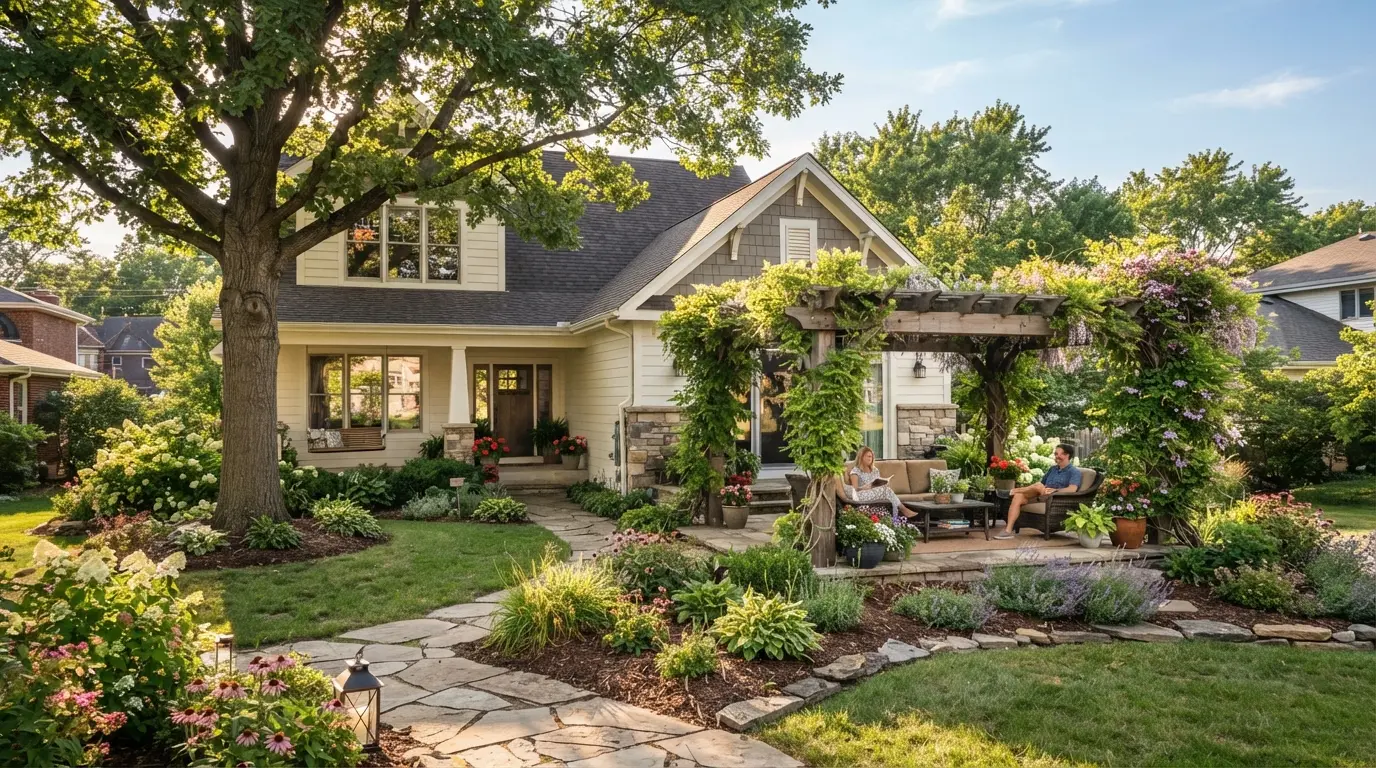
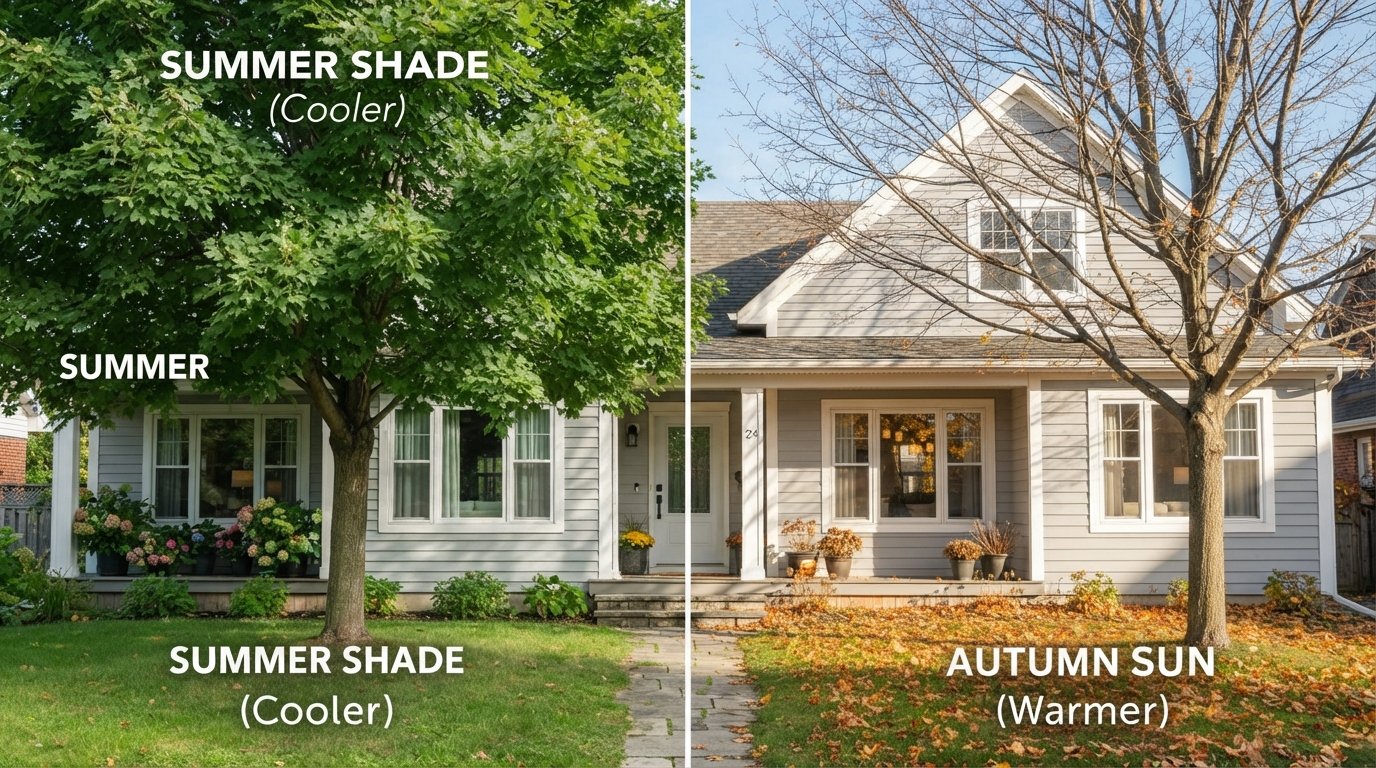
Deciduous trees are particularly useful because their seasonal growth naturally complements a home’s changing needs. A full canopy provides shade during warmer months, while fallen leaves allow more sunlight to reach the house in winter. Pergolas and carefully positioned shrubs can serve a similar purpose on smaller properties where large trees are impractical.
The goal isn’t to surround the house with dense vegetation. Instead, think about where afternoon sun is strongest and where shade can provide the greatest practical benefit.
Give Outdoor HVAC Equipment Room to Breathe
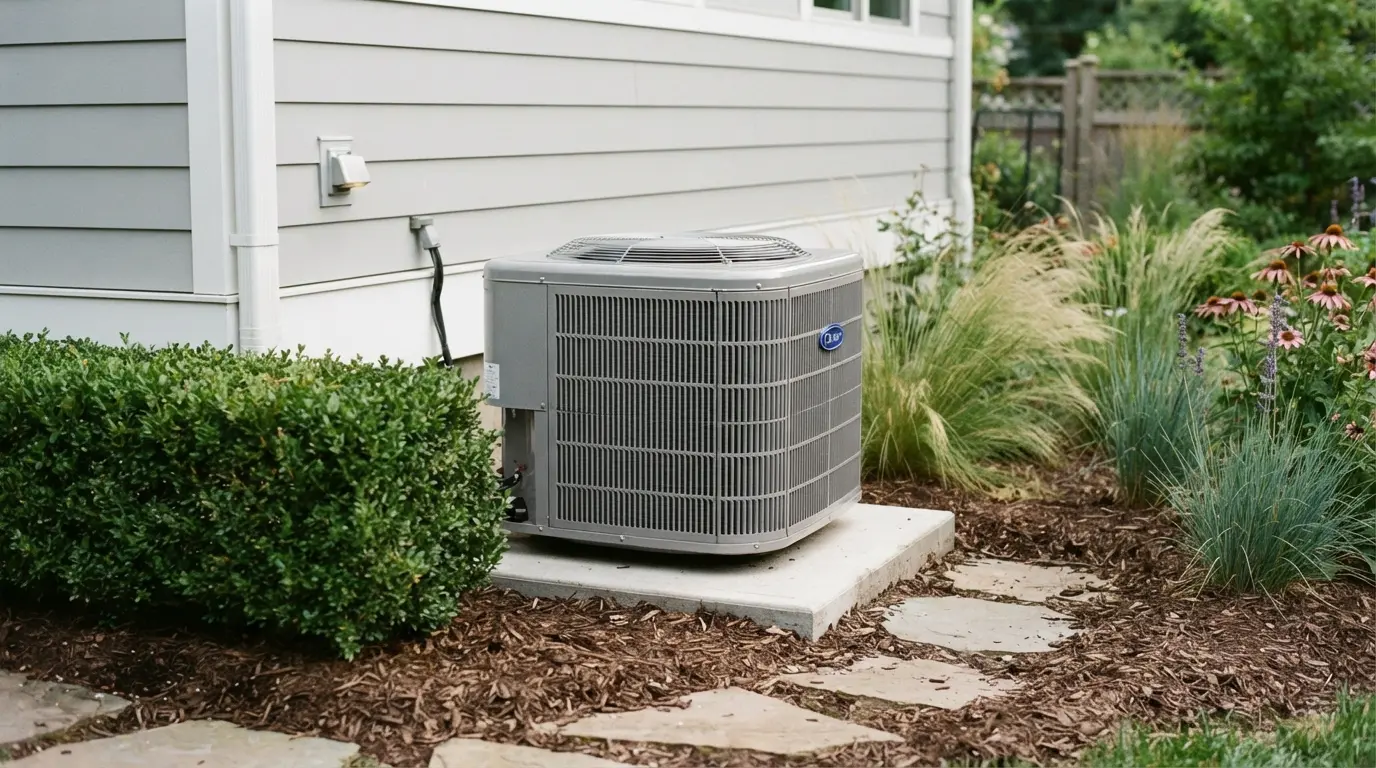
Landscaping around an air-conditioning system requires a different approach. Plants may hide mechanical equipment from view, but dense vegetation can interfere with airflow.
Keep shrubs, ornamental grasses, vines, leaves, and other debris from crowding the outdoor unit. When choosing plants for this area, consider their mature size rather than how small they look at the garden center. Leaving accessible space also makes routine inspection and service easier.
Landscape screens can provide visual separation, but they should be positioned with adequate clearance instead of enclosing the equipment tightly.
Think Beyond the Garden Bed
Outdoor planning works best when the landscape and the house are treated as parts of the same system. Before summer arrives, homeowners often prepare patios, irrigation, lawns, and garden beds. It is also a practical time to check the equipment responsible for indoor comfort.
Filters, thermostats, vents, air-conditioning equipment, and other components benefit from seasonal attention. Homeowners in Buffalo Grove who need professional evaluation of their heating or cooling system can find flyplumbing.com/hvac-services-buffalo-grove-il when planning broader seasonal home maintenance.
This approach keeps HVAC care in context: it is one part of preparing the entire property rather than an isolated household task.
Manage Water Near the Foundation
Good landscape design should also control where rainwater travels. Beds that slope toward the foundation, clogged drainage paths, or poorly positioned downspouts can allow water to collect near the house.
Observe your property during a heavy rain. Water should move away from the foundation rather than pool beside it. Mulch can help retain moisture for plants, but excessive buildup against siding or structural materials should be avoided.
Native and regionally appropriate plants can also make water management easier because established plants suited to local conditions often require less supplemental irrigation.
Create Outdoor Spaces With Natural Comfort in Mind
Shade and airflow matter just as much on a patio as they do around a house. Before choosing a location for seating, spend time observing the yard at different hours.
A patio that feels perfect at 9 a.m. may receive intense western sun by late afternoon. Trees, trellises, umbrellas, and pergolas can make these spaces more usable without completely blocking natural light.
Plant placement can also help define outdoor rooms. Rather than using vegetation simply as decoration, consider whether each planting provides shade, privacy, seasonal interest, wind protection, or habitat.
Plan for Every Season
The most successful landscapes evolve throughout the year. Spring may focus on drainage and new growth, summer on shade and watering, fall on leaf management, and winter on protecting vulnerable plants and outdoor systems.
A seasonal checklist can connect these jobs with other home-maintenance tasks:
- While cleaning garden beds, check that outdoor HVAC equipment remains unobstructed.
- While preparing irrigation for winter, inspect exterior faucets and drainage.
- When pruning shrubs, look for branches that have begun touching siding, roofing, or mechanical equipment.
These small observations can prevent landscape features from gradually creating maintenance problems.
A More Connected Approach to Home and Garden
Beautiful landscaping doesn’t have to exist separately from practical home maintenance. Thoughtful planting can provide shade, improve outdoor usability, direct water appropriately, and preserve access to essential equipment.
Instead of designing each part of the property independently, consider how the garden interacts with the structure throughout the seasons. The result can be an outdoor space that looks intentional while supporting a comfortable, functional home.