
You’re typing an email to your landscaper and you stop. Is it crepe myrtle or crape myrtle? You’ve seen both spellings everywhere. Garden centers use one. Your neighbor uses the other. And you’re sitting there wondering if one is wrong.
I’ve had this exact moment. Send texts with both spellings in the same conversation. It felt ridiculous. So I dug into this question because it was driving me nuts, and here’s what actually matters about crape myrtle pronunciation and the crepe myrtle or crape myrtle spelling.
The Truth About Both Spellings
Both are correct. Period.
Crepe myrtle or crape myrtle—either works. No one is wrong. Both spellings have legitimate origins and widespread use. Anyone telling you only one spelling is “proper” doesn’t know what they’re talking about.
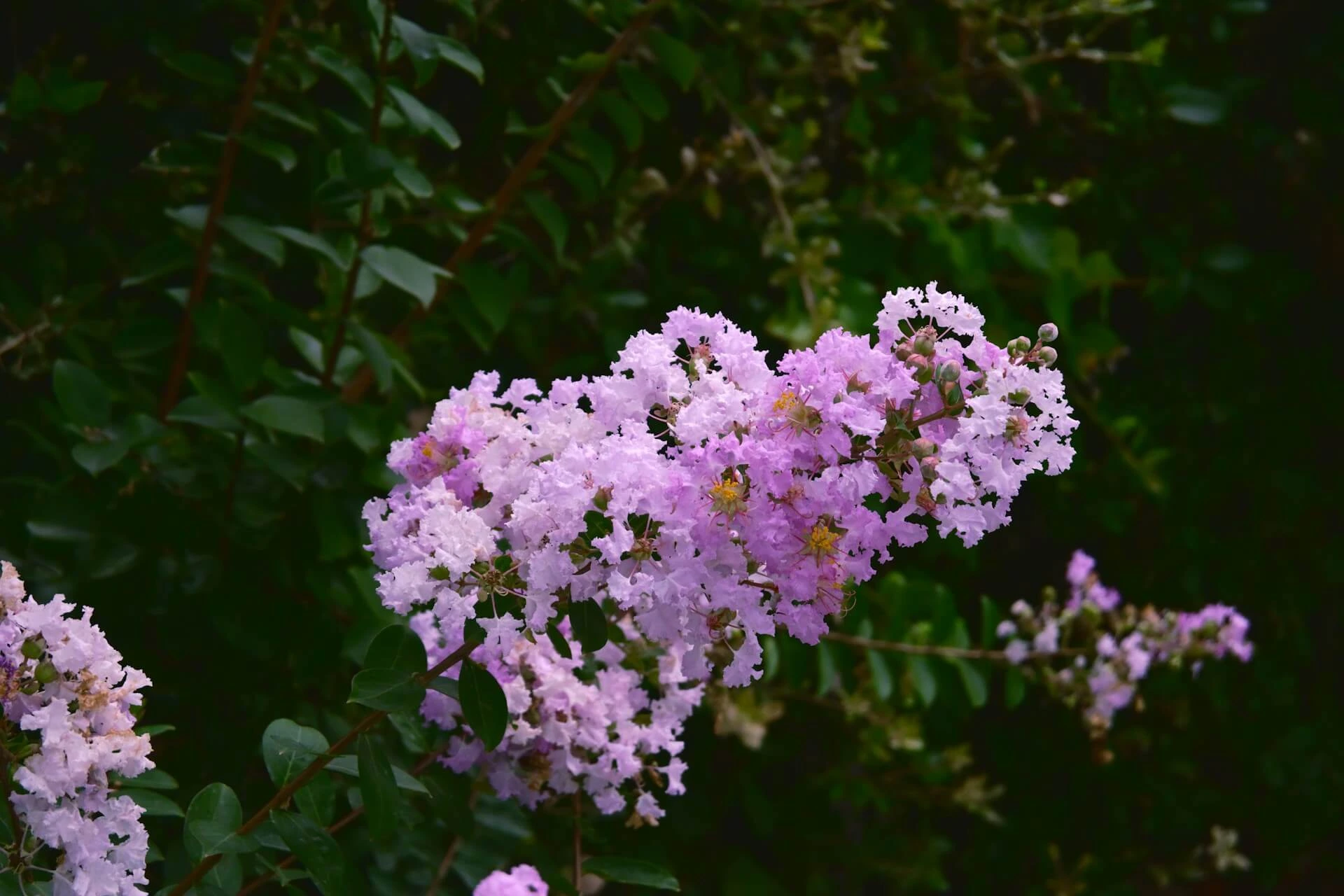
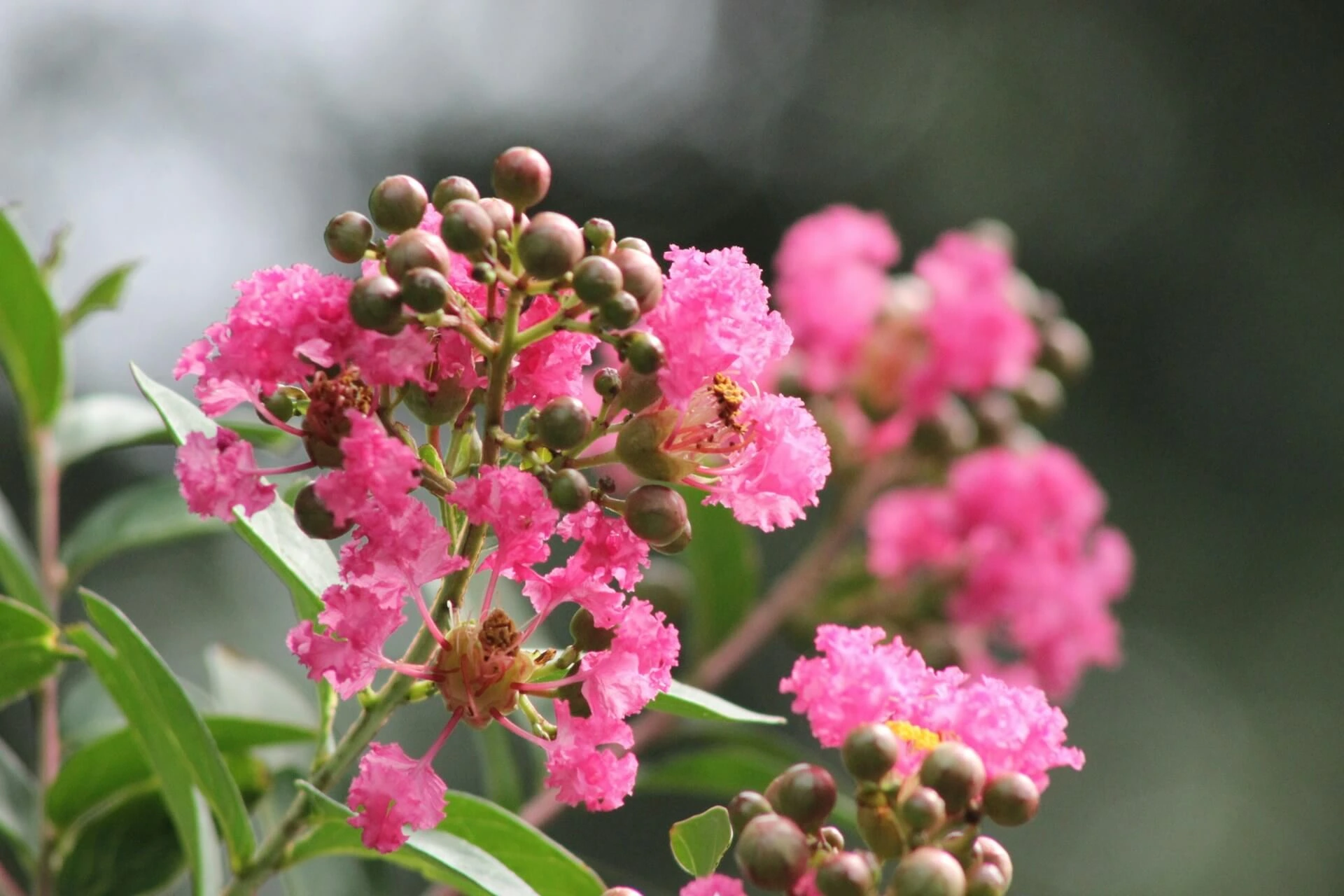
The crape myrtle’s common name comes from the flower texture. The petals look crinkled like crepe paper or crape fabric. That’s where both spellings originated and why both stuck around.
Where Each Spelling Comes From
“Crape” derives from Old French meaning crimson, likely referencing the flower color.
“Crepe” comes from the Greek word for mulberry, since these trees are related to mulberry family plants. Both have solid etymological roots. Neither is a misspelling or corruption of the other.
The crape myrtle common name reflects this dual origin. Some regions adopted one spelling, others preferred the alternate. Both survived because both made sense.
Regional Spelling Differences
In North America, “crape myrtle” appears more frequently in general usage.
In Europe, “crepe myrtle” shows up more often. But here’s where it gets interesting—the American South does its own thing. We use both spellings interchangeably, though “crepe myrtle” has deeper historical roots here.
I grew up in Georgia hearing both. My grandmother said “crepe.” The local nursery signs said “crape.” Nobody corrected anyone because both work.
When discussing crape or crepe myrtle with other gardeners, I’ve noticed younger people tend toward “crepe” while older gardeners often prefer “crape.” Just an observation, not a rule.
The Surprise Third Option
There’s actually a third spelling gaining traction: “crepemyrtle.”
This combination spelling merges both versions into one word. It sidesteps the crepe myrtle or crape myrtle debate entirely. Smart, honestly. You’ll see it in botanical databases and some professional landscaping contexts.
I don’t personally use it, but I’ve seen it enough to know it’s becoming legitimate in certain circles.
Why They’re Called Crepe Myrtle
The name references two things: texture and appearance. The flowers have a distinctive crinkled, paper-like texture resembling crepe paper. That’s the “crepe” or “crape” part. The “myrtle” part comes from the resemblance to true myrtle plants (Myrtus communis)—specifically the bark and leaf characteristics.
So when people ask why they’re called this, the answer is: the flowers look like crinkled paper and the plant resembles myrtle. Simple.
What Crepe and Crape Actually Mean
“Crepe” typically refers to a thin, crinkled fabric or the wrinkled paper we use for crafts.
“Crape” refers to a similar fabric with a crimped, crinkled texture, traditionally used for mourning attire. Both words describe the same physical characteristic—a wrinkled, textured surface.
In the context of crepe or crape myrtle, both words accurately describe the flower petals. That’s why both spellings work and neither is wrong.
Which Should You Use?
Honestly? Use whichever feels natural to you.
I alternate between both depending on context. If I’m writing formally, I tend toward “crape myrtle” since it’s slightly more common in North American horticultural circles. In casual conversation, I say “crepe myrtle” because it flows easier.
Here’s my rule: just be consistent within the same piece of writing. Don’t switch back and forth in one article or plant label. Pick one and stick with it.
Other Names for This Tree
The scientific name is Lagerstroemia, named after Swedish botanist Magnus von Lagerstroem.
Some people call them “crepeflower” or simply “myrtle,” though the latter causes confusion with true myrtles. In some regions, you’ll hear “crapeflower” as well. But these are rare compared to the standard crepe myrtle or crape myrtle naming.
I’ve never heard anyone use these alternate names in real conversation. It’s always one of the two main spellings.
The Disadvantages Nobody Mentions
Since we’re talking about these trees, let’s address the downsides. They drop leaves, seed pods, and bark constantly. You’ll be raking and sweeping year-round. They need full sun—at least six hours daily—or they look terrible and barely flower.
They’re not cold-hardy beyond Zone 6 without significant dieback. In colder areas, they behave more like large perennials than actual trees. And they’re susceptible to pests like aphids, scale, and powdery mildew in some conditions.
But for the right location? They’re fantastic. Just don’t plant them expecting zero maintenance.
My Take After Years of Growing Them
I stopped caring about the spelling debate years ago.
Both crepe myrtle or crape myrtle spellings work. Both are recognized. Both appear in professional horticultural literature. The spelling doesn’t affect how the tree grows, how beautiful it looks, or how much maintenance it needs.
Focus on choosing the right variety for your climate zone instead of stressing over spelling. That actually matters.
FAQs
Which is correct, crape myrtle or crepe myrtle?
Both spellings are correct. “Crape myrtle” is more common in North America, while “crepe myrtle” appears more frequently in Europe. The American South uses both interchangeably. Neither is wrong.
Is it a crepe or a crape?
Both words refer to crinkled, textured fabric or paper. “Crepe” typically describes wrinkled paper or thin fabric. “Crape” refers to similar crimped fabric, traditionally used for mourning attire. In the tree name, both describe the flower texture.
Is there another name for crepe myrtle?
The scientific name is Lagerstroemia. Some people use “crepeflower” or “crapeflower,” though these are rare. The combination spelling “crepemyrtle” is gaining acceptance in some professional contexts.
Why are they called crepe myrtle?
The flowers have a crinkled, paper-like texture resembling crepe paper. The plant’s bark and foliage characteristics resemble true myrtle plants (Myrtus communis), hence “myrtle.” The name describes both appearance and texture.
What is the meaning of crepe and crape?
Both words describe fabric or paper with a wrinkled, crinkled texture. “Crepe” comes from French, referring to thin wrinkled fabric or paper. “Crape” refers to crimped fabric. Both accurately describe the flower petal texture.
What are the disadvantages of crepe myrtles?
They constantly drop leaves, seed pods, and bark, requiring regular cleanup. They need full sun (six hours minimum) or won’t flower well. They’re not cold-hardy beyond Zone 6. They’re susceptible to aphids, scale, and powdery mildew.
How do you spell crepe myrtle?
It can be spelled “crepe myrtle” or “crape myrtle”, though both refer to the same tree.
Bottom Line
The crepe myrtle or crape myrtle spelling debate is pointless. Both are correct, both are widely used, and both have legitimate origins. Stop stressing over which to use. Pick one, be consistent, and focus on growing healthy trees instead. The spelling doesn’t matter—the growing conditions do.