You’ve heard the term “brier tree” and you’re confused. Is it a specific tree? A category of plants? Something your grandparents talked about but you’ve never actually seen? The term gets thrown around like everyone knows what it means.
I spent years hiking through thorny patches before I figured out what brier tree actually refers to. Turns out, it’s not as straightforward as you’d think. Here’s what you need to know about the brier tree, types of briar plants, and why this brier tree meaning matters if you’re dealing with thorny vegetation.
The Real Brier Tree Meaning
Here’s the truth: “brier tree” is a general term, not a single species.
The brier tree meaning covers any woody plant with thorny or prickly stems that form thickets. This includes plants from multiple unrelated genera like Rosa (roses), Rubus (blackberries), Smilax (greenbrier), and Erica (heath).
The most specific “brier tree” is actually Erica arborea—the white heath tree. This is the only one that truly becomes a tree rather than staying shrubby. It’s also the source of briarwood used for making smoking pipes.
So when someone says “brier tree,” they might mean thorny shrubs in general, or they might specifically mean the white heath tree.
White Heath Tree: The True Brier Tree
The white heath tree (Erica arborea) is what most people reference when talking about a briar tree that’s actually tree-sized.
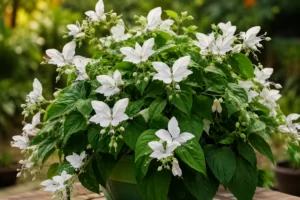
Native to the Mediterranean region, southern Europe, and parts of Africa, this evergreen can reach 20-25 feet in the wild. In gardens, it typically stays 10-13 feet. It has dark green needle-like leaves and produces tiny white bell-shaped flowers in late winter.
The white heath tree grows a massive underground burl between the roots and trunk. This burl wood is extremely hard, heat-resistant, and dense—perfect for making tobacco pipes. It’s been harvested for this purpose for over 170 years.
I’ve seen these growing in California and parts of Texas. They’re striking plants with fragrant flowers that attract bees heavily. But they need acidic soil and full sun to thrive, similar to how crepe myrtles need proper conditions.
Types of Briar Plants You’ll Actually Encounter
Types of briar plants fall into four main categories:
Rosa species (Wild Roses): These include dog rose and sweet briar. They have curved thorns, fragrant flowers, and produce rose hips. Sweet briar (Rosa rubiginosa) has apple-scented foliage and pink flowers.
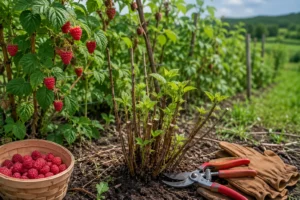
Rubus species (Brambles): Blackberries, raspberries, and their wild relatives. Straight thorns, edible berries, and aggressive spreading habits. They form dense, impenetrable thickets if left unchecked.
Smilax species (Greenbriers): Climbing vines with stout green thorns tipped in black. Round or heart-shaped glossy leaves. Blue-black berries that birds love. These create serious barriers—I’ve torn clothes on the greenbrier more times than I can count.
Erica arborea (White Heath): The only true tree form. Grows in Mediterranean climates, produces briar roots, needs acidic soil.
Each type has different growth habits, thorn structures, and uses. Knowing which types of briar plants you’re dealing with determines how you manage them.
The Briar Plant Confusion
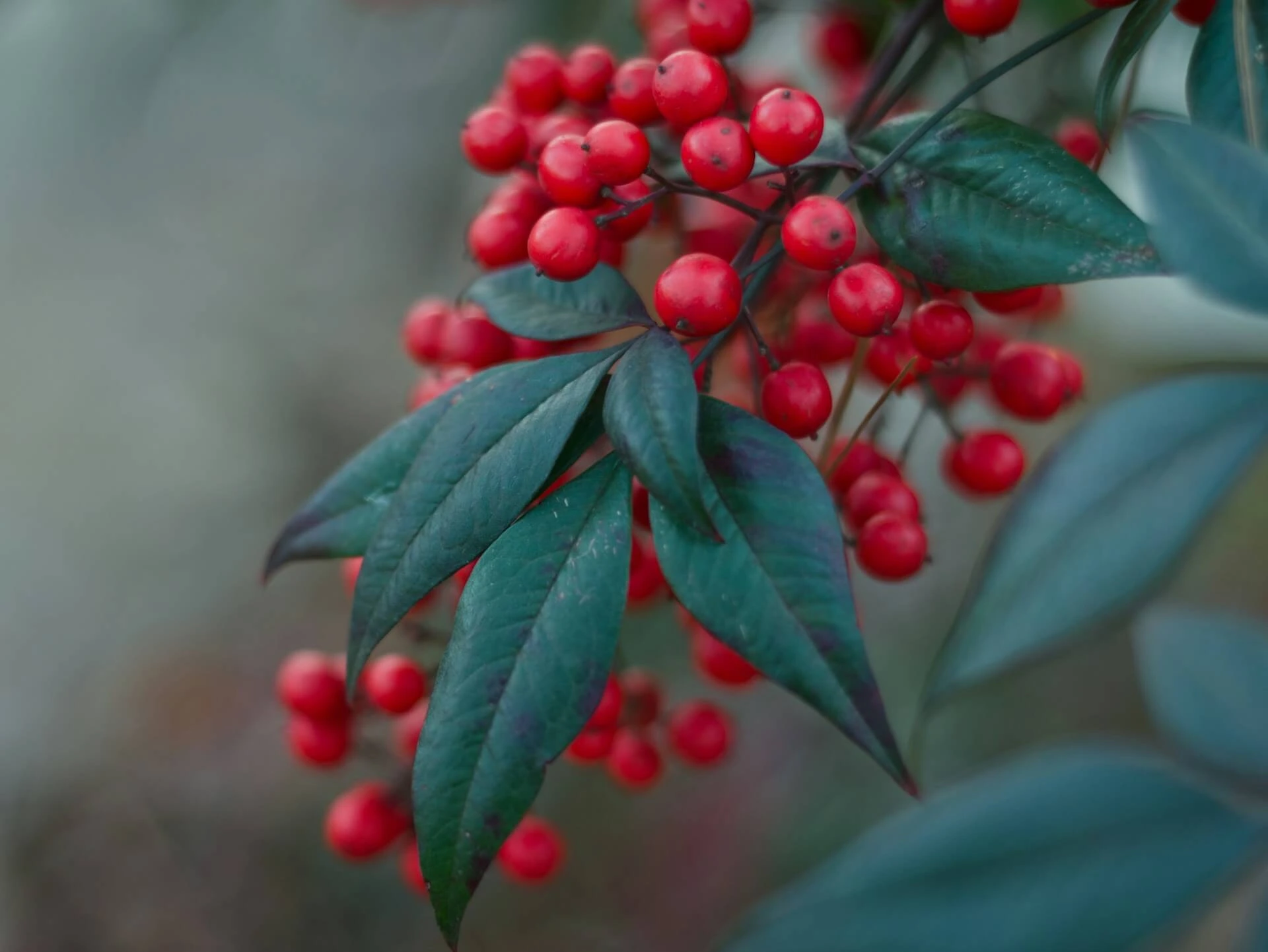
People use “briar plant” and “brier tree” interchangeably, which adds confusion. Technically, most briars are shrubs or vines, not trees. They’re woody, thorny, and form thickets. The term “briar plant” covers all of them—roses, blackberries, greenbriers, and heath.
The word “briar” comes from Old English meaning “thorny bush.” It’s been used for centuries to describe any prickly woody plant. In Europe, “briar” usually means dog rose. In North America, it often refers to greenbrier or wild blackberries.
I grew up calling thorny patches “the briars” without knowing specific species. Most people do the same.
Briar Tree vs Brier Tree Spelling
Both spellings are correct. “Briar tree” and “brier tree” refer to the same plants. “Briar” is more common in North America. “Brier” shows up more in British English. Both work. Neither is wrong.
The important distinction isn’t spelling—it’s understanding that most “briars” aren’t actually trees. They’re shrubs or vines that people call trees because they get large and woody.
Why the White Heath Tree Matters
The white heath tree is commercially important because of its root burl.
Briar root grows underground for 30-60 years before harvest. Workers dig up these football-sized burls, cook them for hours, then dry them for months. The resulting wood is used almost exclusively for tobacco pipes.
The wood has unique properties: extremely hard, heat-resistant, neutral aroma when exposed to flame, and beautiful grain patterns. No other wood works as well for pipes.
High-quality briar can be expensive—some pipe-grade blocks sell for hundreds of dollars.
Growing Conditions for Briar Plants
Most types of briar plants are tough and adaptable, but they have preferences.
For White Heath Tree:
- USDA Zones 7-9
- Acidic soil (pH 5-6)
- Full sun to partial shade
- Well-drained soil
- Drought-tolerant once established
If you’re interested in understanding plant zones better, the white heath tree thrives in similar conditions to many Mediterranean plants.
For Rosa and Rubus species:
- Zones 3-9 depending on variety
- Any soil with decent drainage
- Full sun preferred
- Tolerate poor soil
For Smilax (Greenbrier):
- Zones 4-10
- Moist acidic bottomland preferred
- Tolerates full sun and shade
- Spreads aggressively via rhizomes
I’ve tried growing several types of briar plants. The greenbriers are nearly indestructible. Wild roses need minimal care.
Benefits Nobody Talks About
Briar plant species provide real ecological value. They create wildlife habitat and food sources. Birds eat the berries—especially in winter when other food is scarce. The dense thickets provide cover for small mammals and nesting birds.
Some briars have edible parts. Young greenbrier shoots taste like asparagus. Blackberries and raspberries are obvious. Rose hips are high in vitamin C.
Briars prevent soil erosion with their extensive root systems. They improve air quality and add organic matter to soil.
They also make excellent natural fencing. A briar plant thicket keeps animals and people out better than most fences.
Managing Briar Plants on Your Property
If you have unwanted briars, here’s what actually works:
- Manual removal: Cut stems at ground level, dig out roots if possible
- Mowing: Regular mowing weakens briars over time
- Smothering: Cover with thick cardboard and mulch for a full season
- Chemical control: Glyphosate applied to cut stems or sprayed on foliage
I’ve used all these methods. Manual removal works for small patches. Mowing is ongoing maintenance. Smothering is best for areas you can wait on.
For more garden management tips, understanding plant behavior helps you choose the right control method.
FAQs
What is a brier tree?
A brier tree refers to woody plants with thorny stems, primarily from genera Rosa, Rubus, Smilax, and Erica. The true tree form is Erica arborea (white heath tree), which grows 10-25 feet tall.
What are types of briar plants?
Main types of briar plants include wild roses (Rosa), brambles like blackberries (Rubus), climbing greenbriers (Smilax), and white heath (Erica arborea). Each has distinct thorns and growth habits.
What is the white heath tree used for?
The white heath tree (Erica arborea) produces briar root used for making tobacco pipes. Its underground burl is extremely hard, heat-resistant, and has neutral flavor properties.
What does briar plant mean?
Briar plant is a general term for any woody plant with thorny or prickly stems that forms thickets. It includes multiple unrelated species known for defensive thorns.
Are brier tree and briar tree the same?
Yes. Brier tree and briar tree are spelling variations of the same term. Both refer to thorny woody plants, though “briar” is more common in North America.
Where does white heath tree grow?
White heath tree grows naturally in Mediterranean regions, southern Europe, North Africa, and parts of East Africa. It thrives in USDA Zones 7-9 with acidic soil.
Bottom Line
The brier tree isn’t one specific plant—it’s a category covering thorny woody species. The white heath tree is the only true tree form and the source of briar root for pipes. Most types of briar plants are shrubs or vines that provide wildlife value and natural barriers. They’re tough, adaptable, and harder to remove than you’d think. Understanding which type you’re dealing with determines your management strategy and helps you make better gardening decisions for your zone.