Find the Right Flower for Your Garden and Zone

Not every flower survives every climate. This section covers the flower types that actually perform in US gardens — with honest guidance on bloom time, soil needs, zone hardiness, and the mistakes most people make in year one. No filler, no generic advice — just what works.

Flower Guides
0 +
Bloom Months
0 +
USDA zones
0 +
Cut Flower Garden

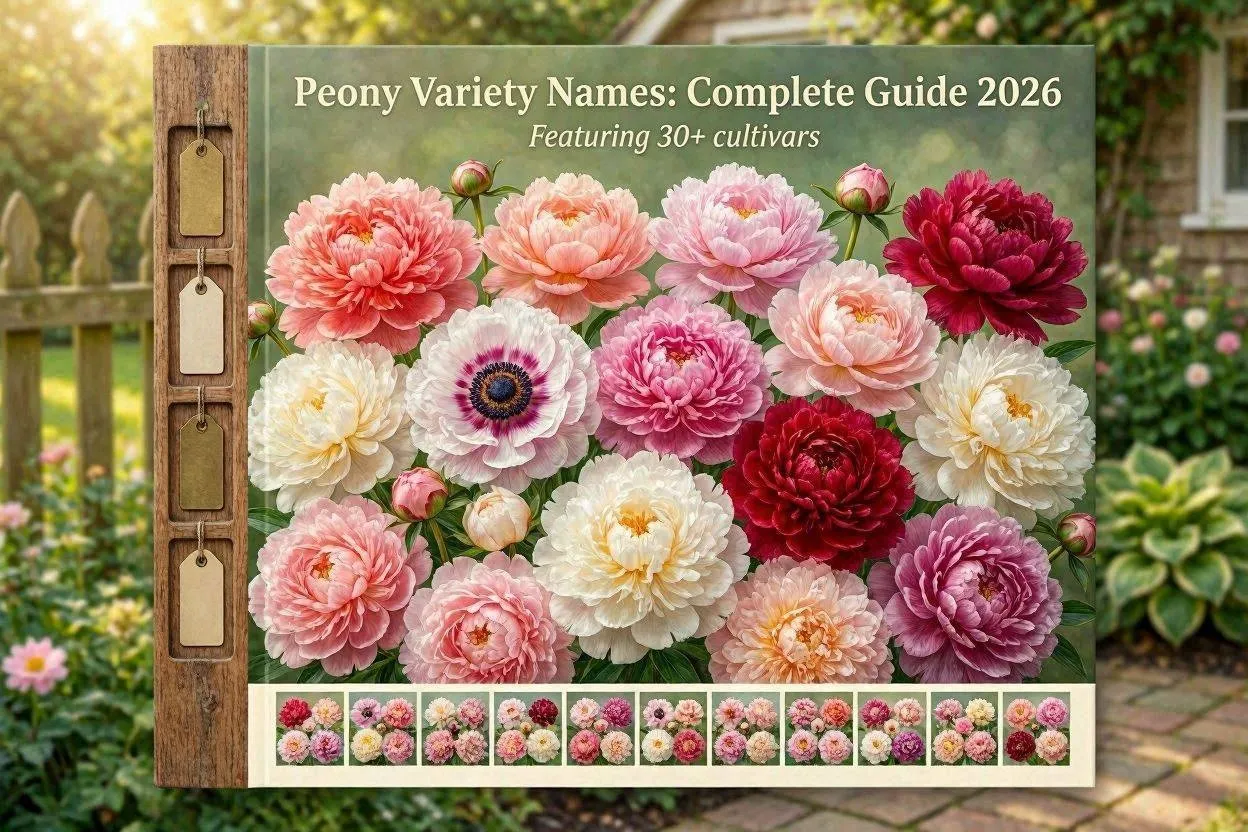
How to Grow Peonies — Complete US Planting & Care Guide (2026)

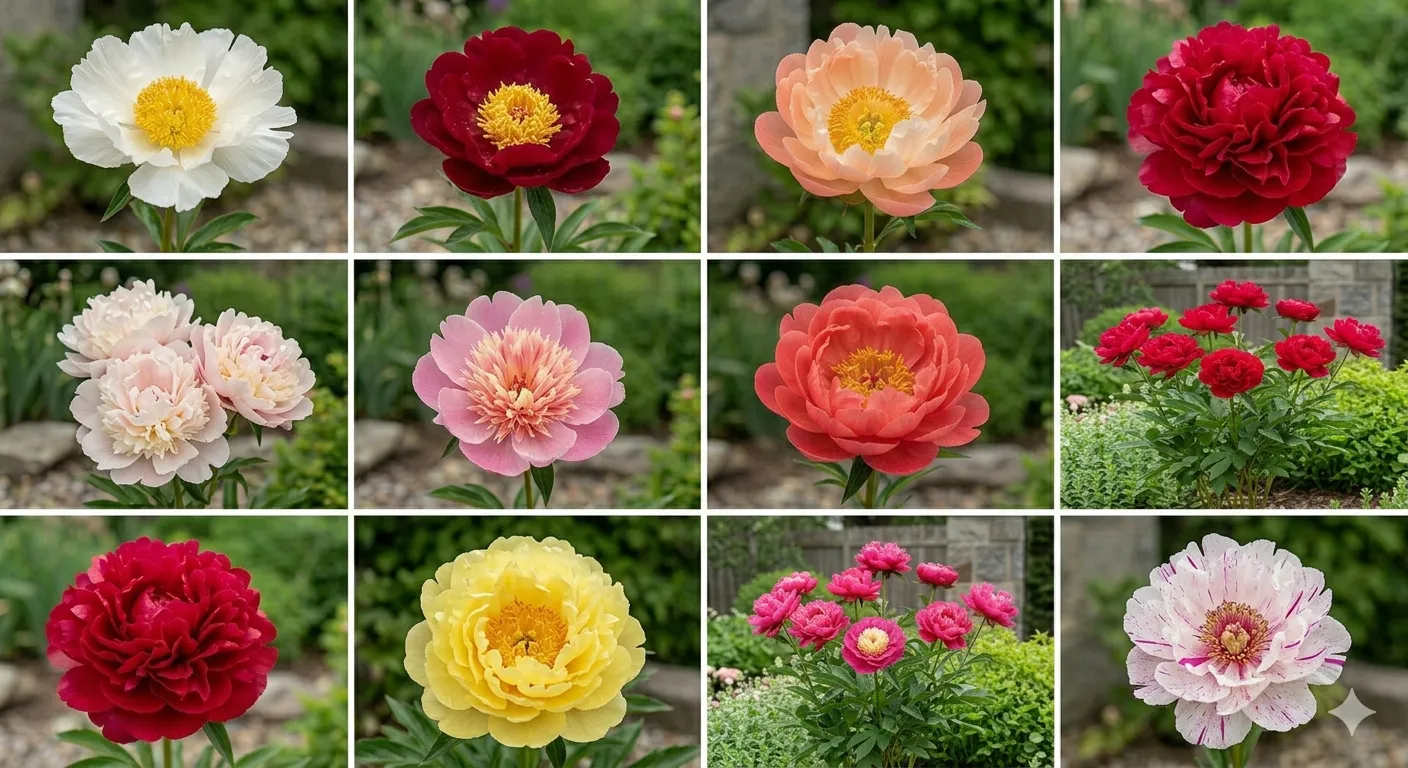
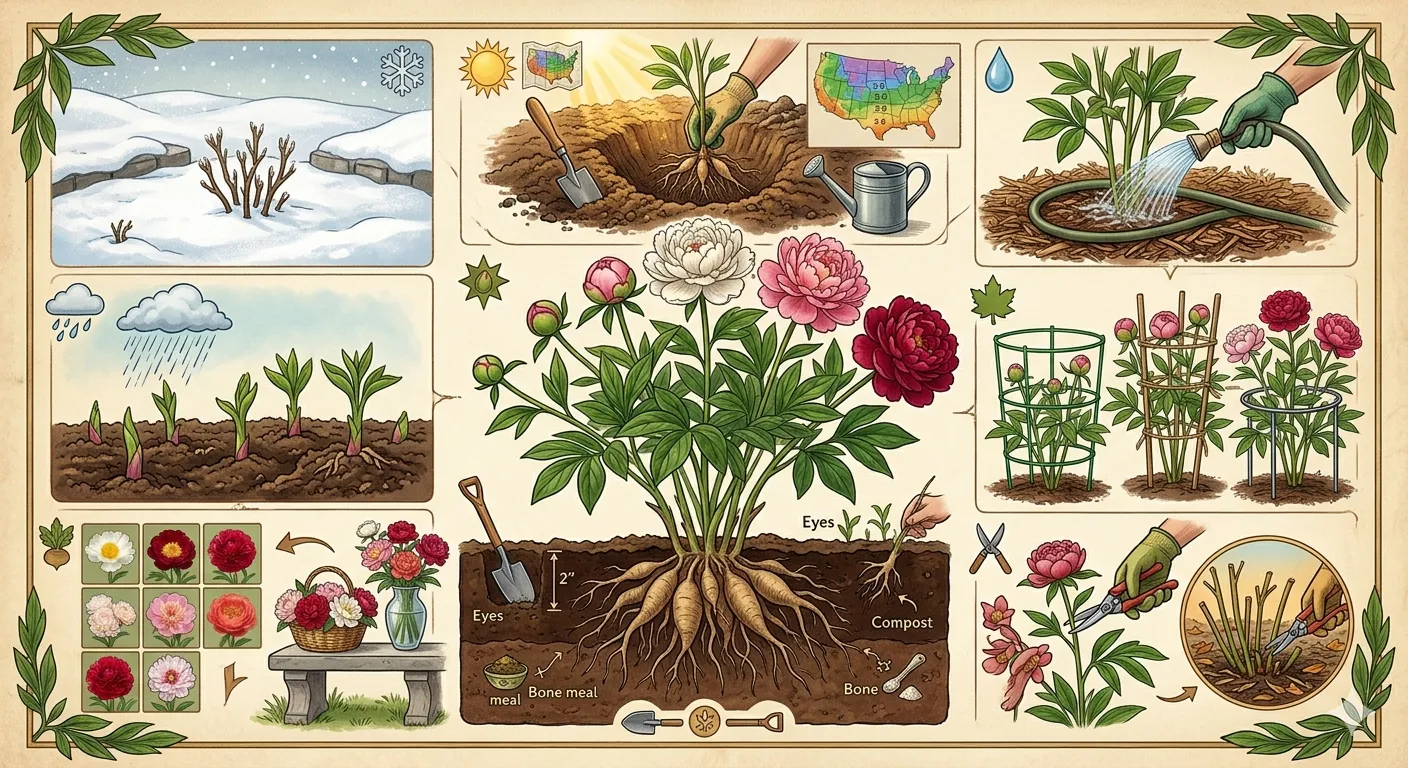
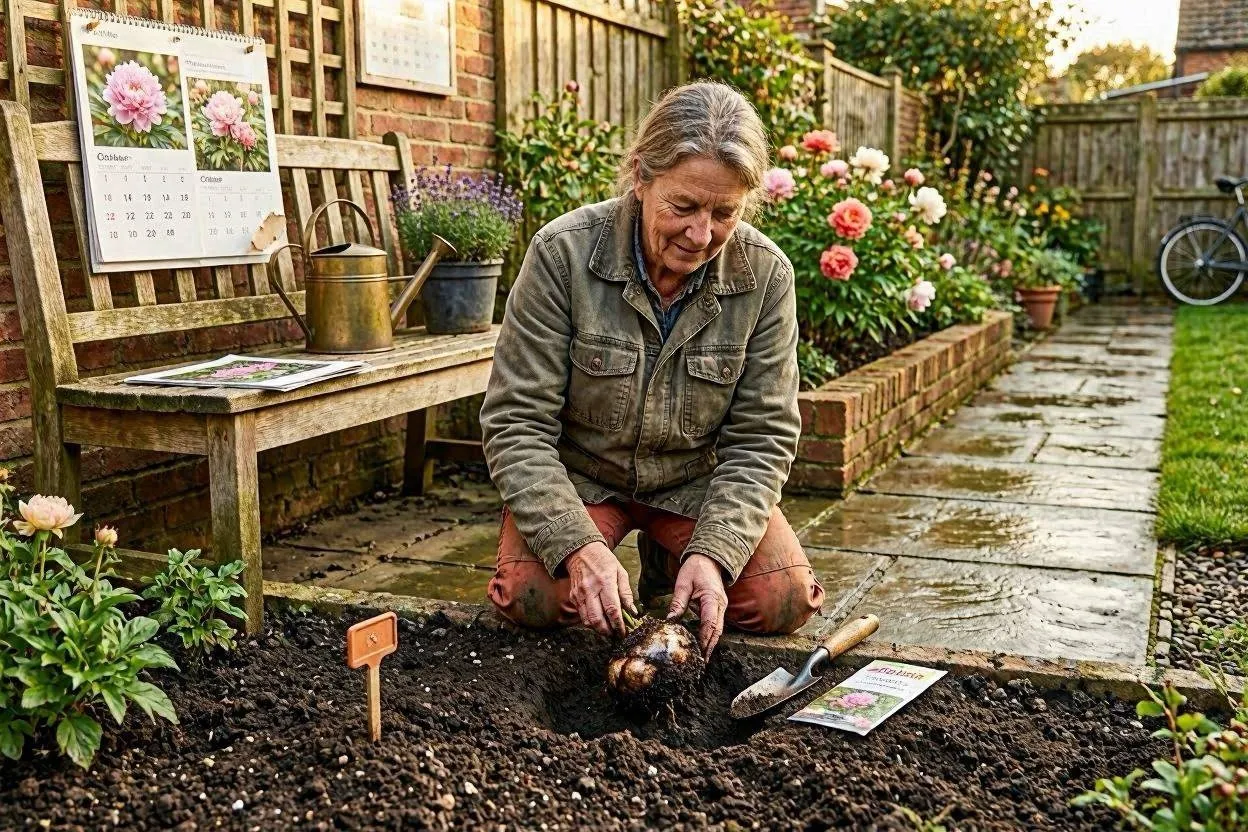
Peonies live for 50 to 100 years. Plant one correctly today, and your grandchildren will still be cutting blooms from the same root. That is not a promise most garden plants can make. This guide covers everything a home gardener or flower farmer needs — correct planting depth, soil preparation, seasonal care, disease prevention, and exactly why peonies fail to bloom and how to fix it. Which Type of Peony Should You Grow? Herbaceous peonies are the right choice for most home gardeners. Stems die back to the ground each winter and push up fresh growth every spring. These are
Read Full Guild »
ALL FLOWER TYPE GUIDES
 

6 Flower Categories — Find What Fits Your Garden

The right flower category makes the difference between a garden that needs constant replanting and one that fills in more beautifully each year. Start with what your space and schedule actually allow.

Hardy Perennials

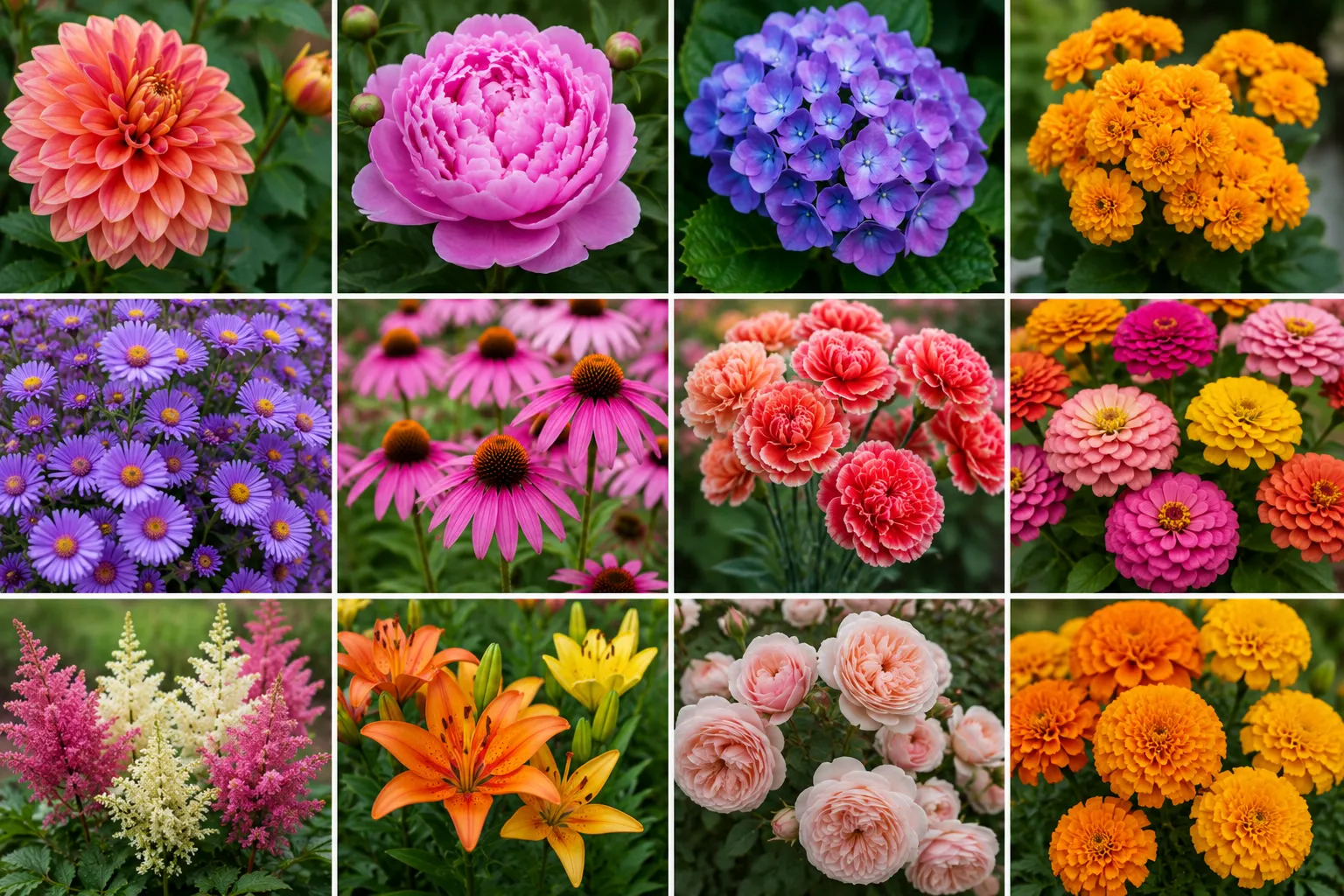
Come back every year from the same root system. Higher upfront cost than annuals — lower long-term cost because you never replant. Most reach full size in year 2 or 3. Examples: Peonies, coneflowers, black-eyed Susans, hostas, daylilies

Spring Bulbs

Plant in fall, bloom in spring. Tulips, daffodils, and alliums need a cold dormancy period — zones 3–7 are ideal. Most bulbs naturalize and multiply over years with no effort. Examples: Tulips, daffodils, hyacinths, alliums, muscari

Summer Annuals

Live one growing season, bloom the entire time, then die with the first hard frost. Best choice for containers, window boxes, and spots where you want color control each year. Examples: Zinnias, marigolds, impatiens, petunias, cosmos

Cut Flower Crops

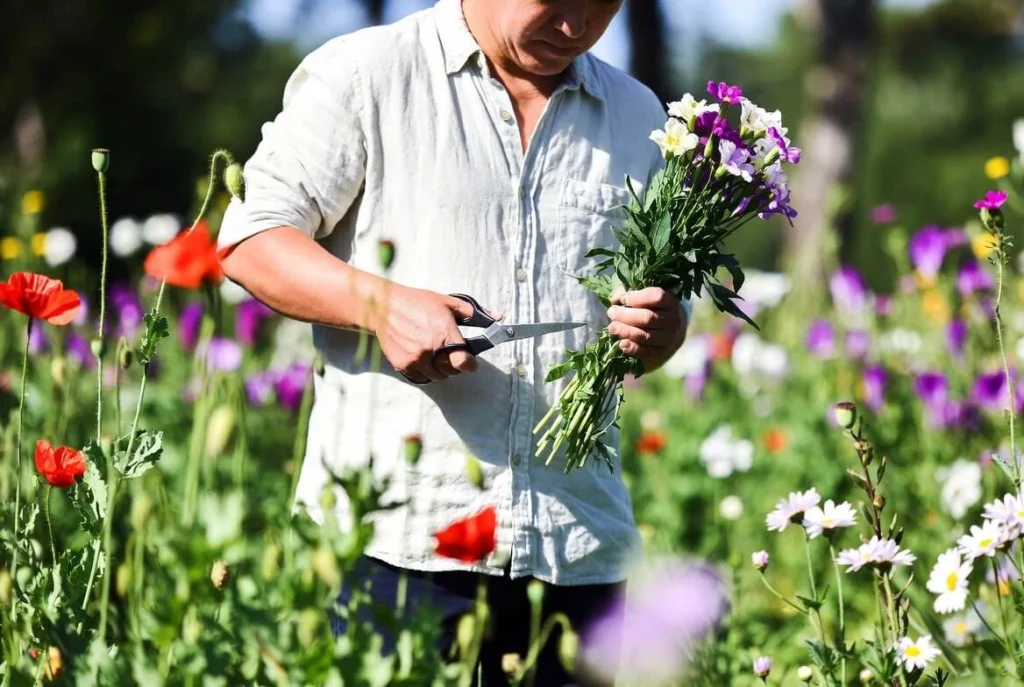
Grown specifically for stem production. Cut regularly to keep plants producing through the season. A 4×8 ft (1.2×2.4 m) bed provides fresh stems from May through first frost. Examples: Lisianthus, snapdragons, dahlias, zinnias, sweet peas

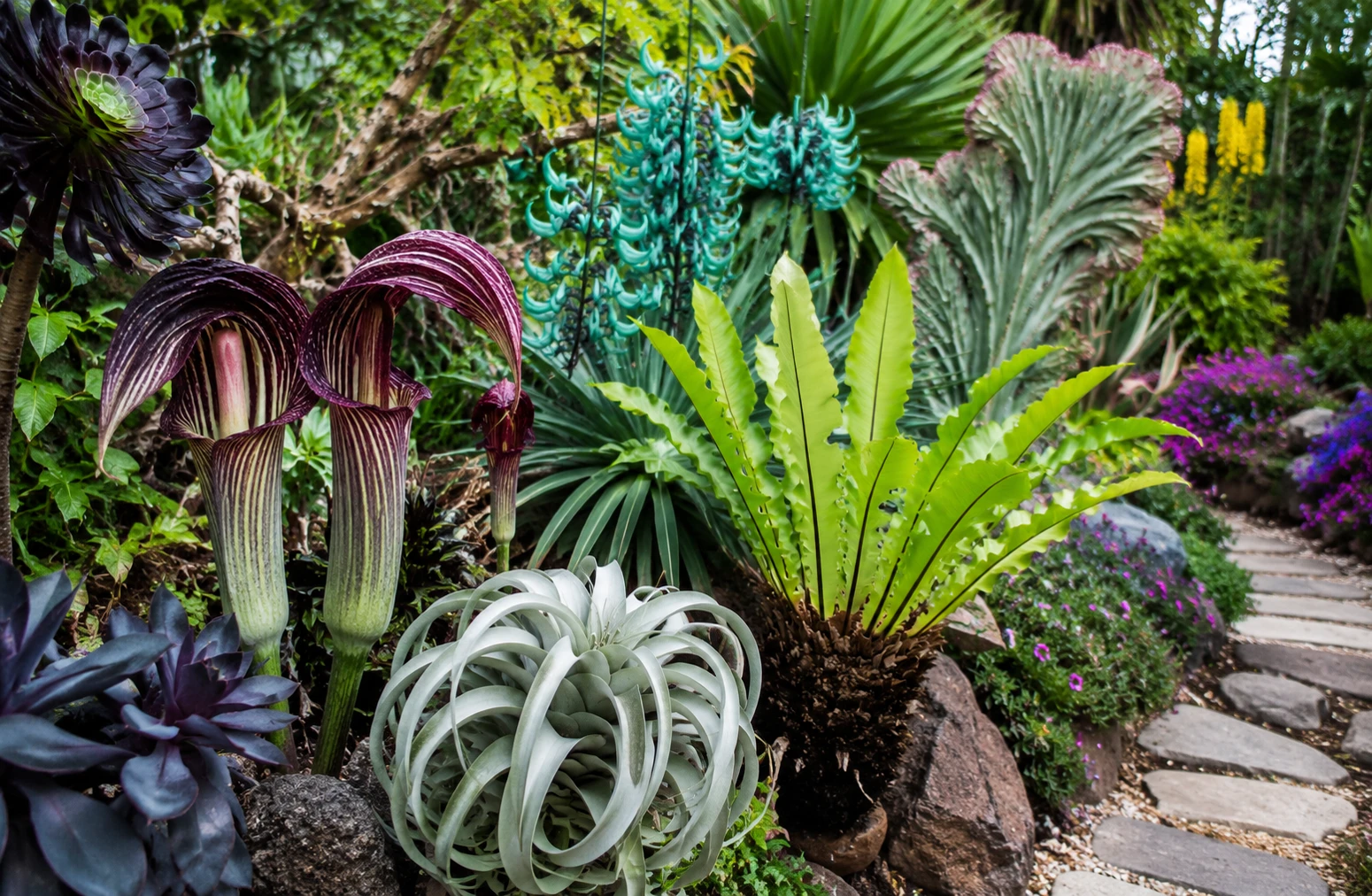
Rare and Unusual Plants

Harder to source but not harder to grow. These plants give a garden a distinctly personal look — most perform as well as common varieties once established. Examples: Gloriosa lily, chocolate cosmos, bat flower, Himalayan blue poppy

Native Wildflowers

Adapted to regional soils and rainfall patterns over thousands of years. Native flowers need less water, no fertilizer, and support far more pollinators than introduced ornamentals. Examples: Coneflower, wild bergamot, butterfly weed, blue wild indigo

Best Flowers by Bloom Season — US Climate Guide

Match bloom season to when you actually use your garden. A mix of early, mid, and late-season flowers keeps the yard in color from March through October.

Bloom Season Flower Best Zones Sun Needs Difficulty
Early spring (March–April) Daffodils, hyacinths 3–8 Full to part sun Easy
Late spring (May) Peonies, alliums 3–8 Full sun Easy — slow to establish
Early summer (June) Roses, iris, baptisia 4–9 Full sun Moderate
Midsummer (July–Aug) Zinnias, dahlias, coneflowers 4–10 Full sun Easy
Late summer (Aug–Sep) Black-eyed Susans, liatris 3–9 Full sun Easy
Fall (Sep–Oct) Chrysanthemums, asters, sedums 4–9 Full sun Easy
Winter interest Hellebores, witch hazel 4–9 Part shade Moderate

3 Mistakes That Kill More Flowers Than Pests or Disease

Most flower failures trace to soil, spacing, or timing — not pests. Fix these 3 things and 80% of the common problems disappear before they start.

Drainage matters more than fertilizer

The single most common cause of flower failure in US gardens is waterlogged soil. Most flowering plants — peonies, dahlias, bulbs, perennials — rot in soil that holds standing water for more than an hour after rain. Before planting anything, check drainage: dig a 12-inch (30 cm) hole, fill it with water, and time how long it takes to drain. Faster than 1 hour per inch (2.5 cm) is good. Slower than 2 hours per inch signals a drainage problem that no fertilizer or watering schedule can fix.

Crowded plants never reach full size

Check the mature spread of every plant before you put it in the ground — then space at that distance, not closer. Crowded plants compete for light, water, and nutrients. They develop fungal problems from restricted air circulation. They bloom less. A garden that looks sparse in year one fills in naturally by year two. Plants that are too close together in year one stay crowded and underperform for their entire lifespan. Space correctly from the start.

Plant after your last frost date — not before

The USDA average last frost date for your zone is the earliest safe planting time for tender annuals and summer bulbs. Planting 2 weeks early costs you 2 weeks of cold-stressed, slow-growing plants that a properly timed planting passes by June. For perennials and spring bulbs, the opposite applies — fall planting gives roots time to establish before winter, producing larger, earlier-blooming plants the following spring than anything planted in spring. Know your frost dates and plan around them, not around what's available at the garden center in March.