Crepe Myrtle That Blooms Right, Every Summer

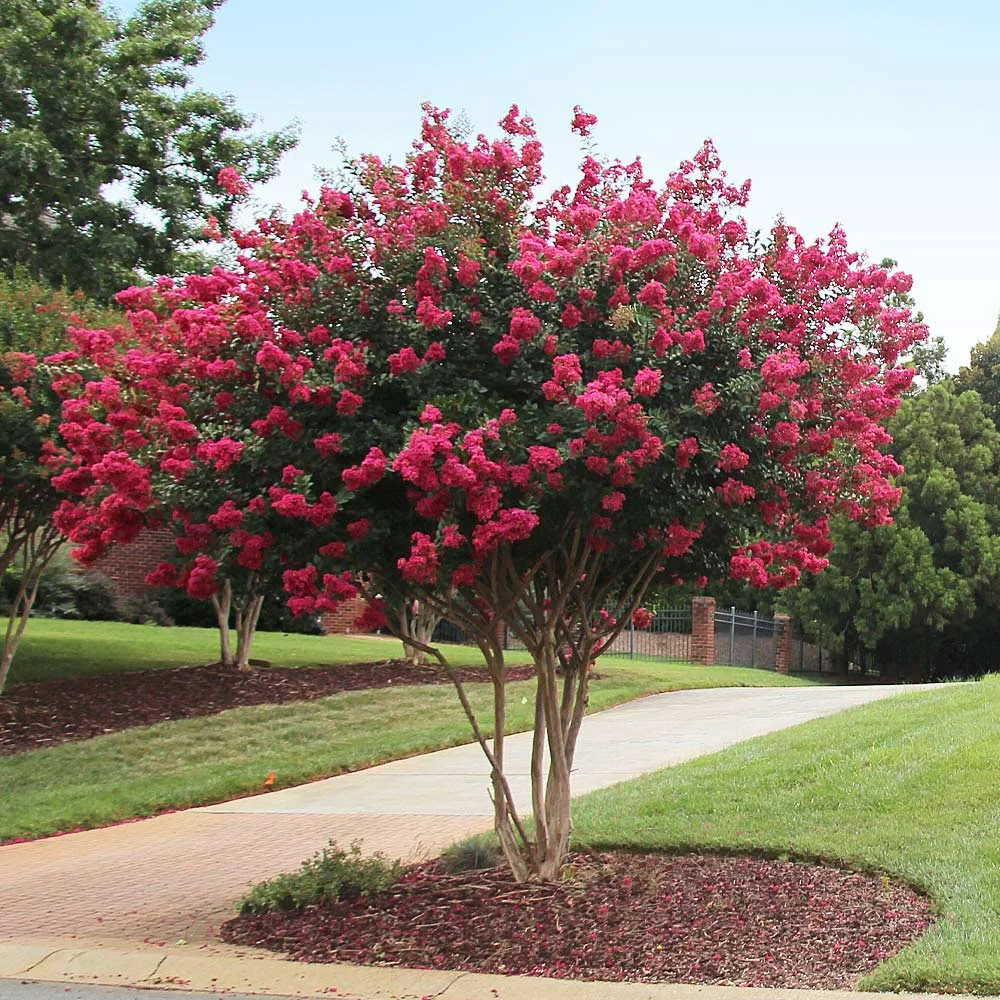
Crepe myrtle is one of the longest-blooming trees in American landscapes — up to 120 days of color from June through frost. Most people butcher it every February with flat-topped cuts that kill the natural shape for decades. This guide shows the right way to prune, care for, and grow Lagerstroemia indica in every USDA zone from 6 to 11.

Expert guides
0 +
Bloom Days
0 +
USDA zones
0 +
Velma’s Royal Delight Crape Myrtle – Vibrant Purple Crepe Myrtle Tree
Crepe Myrtle or Crape Myrtle

​​Crepe Myrtle or Crape Myrtle: Which Spelling Actually Right?

You’re typing an email to your landscaper and you stop. Is it crepe myrtle or crape myrtle? You’ve seen both spellings everywhere. Garden centers use one. Your neighbor uses the other. And you’re sitting there wondering if one is wrong. I’ve had this exact moment. Send texts with both spellings in the same conversation. It felt ridiculous. So I dug into this question because it was driving me nuts, and here’s what actually matters about crape myrtle pronunciation and the crepe myrtle or crape myrtle spelling. The Truth About Both Spellings Both are correct. Period. Crepe myrtle or crape myrtle—either

Read Full Guild »

All shrub guides

The 6 Main Crepe Myrtle Types

Crepe myrtles range from 2-foot dwarf shrubs to 30-foot specimen trees. Choosing the wrong size is the single most common planting mistake — it forces annual topping that permanently destroys the tree’s natural vase shape.

Dwarf Crepe Myrtle

Reaches 2–4 ft (0.6–1.2 m) at maturity. Ideal for containers, borders, and foundation plantings where full-size trees would overwhelm the space.
Best examples: Pocomoke, Chickasaw, Chica Red

Semi-Dwarf Crepe Myrtle

Grows 4–8 ft (1.2–2.4 m) tall. Works as a large shrub or small tree. Suits privacy hedges and mixed shrub borders without needing pruning.
Best examples: Acoma, Hopi, Zuni

Medium Crepe Myrtle

Reaches 8–15 ft (2.4–4.6 m). The most versatile size — delivers full tree structure with a bloom show visible across the yard for the full 120-day season.
Best examples:Tuscarora, Sioux, Comanche

Large / Tree Crepe Myrtle

Grows 15–30 ft (4.6–9 m) tall. Best as a specimen tree or street tree. Provides multi-season interest: flowers, fall color, and exfoliating bark through winter.
Best examples: Natchez (white), Muskogee (lavender), Basham's Party Pink

Lagerstroemia indica

The most widely planted species. Native to China and India — the origin of nearly all commercial varieties in the US market.
Best examples: Bloom time: June–September

Lagerstroemia fauriei

Japanese crepe myrtle — used extensively in breeding for mildew resistance. The source of the "National Arboretum" hybrid series.
Best examples:superior bark and disease resistance

Crepe Myrtle Selection: Match Size to Space

Choose the variety by its mature height — never plant a 20-foot tree in a 6-foot space and expect to control it by pruning. That decision is the direct cause of crape murder across the country.

Landscaping Goal Best Variety Mature Height Zones Bloom Color
Container / patio Pocomoke 2–3 ft (0.6–0.9 m) 6–9 Deep pink
Low border / mass planting Chickasaw 2–4 ft (0.6–1.2 m) 7–9 Lavender-pink
Privacy hedge Acoma 6–10 ft (1.8–3 m) 6–9 White
Specimen tree (white) Natchez 25–30 ft (7.6–9 m) 6–9 White
Specimen tree (pink) Tuscarora 15–20 ft (4.6–6 m) 7–9 Coral pink
Fall foliage + flowers Sioux 10–15 ft (3–4.6 m) 6–9 Hot pink
Cold-hardiest option Catawba 10–12 ft (3–3.7 m) 6–9 Dark purple
Mildew resistance Natchez or Acoma Varies 6–9 White

When to Plant Crepe Myrtle — Season by Season

Planting time determines how fast crepe myrtle establishes and how much supplemental watering the first season requires.


Spring

Best window for zones 6–7. Plant after the last frost when soil reaches 60°F (15°C). Water twice a week for the first 8 weeks to establish deep roots before summer heat.

Summer

Plant container-grown trees in early summer only. Mid to late summer planting in zones 7+ stresses the tree before dormancy. Mulch 3 inches (7.6 cm) deep to hold soil moisture.

Fall

Excellent planting window in zones 7–11. Cooler air reduces transplant stress while soil stays warm for root development. Plant 6 weeks before the first hard frost date for your zone.

Winter

Plant only in zones 9–11 where soil never freezes. In zones 6–8, wait until spring. Bare-root trees from specialist nurseries can go in during late winter dormancy in zone 7+.

Keep Your Crepe Myrtle Healthy — 3 Principles That Prevent 90% of Problems

Most crepe myrtle problems trace to 3 preventable mistakes: topping, overwatering in the first season, and ignoring powdery mildew early. Correct these and the tree looks after itself.

Prune in late winter — remove only dead wood

Crepe myrtle blooms on new wood — cut in late winter before buds break, which is February to March in most zones. Remove only crossing branches, suckers from the base, and branches smaller than a pencil in diameter. Never cut main branches to stubs. Topping destroys the natural vase form permanently and forces weak sucker growth that blocks light from the canopy.

Deep and infrequent — never shallow and daily

Newly planted crepe myrtles need deep watering twice a week for the first full growing season. Once established — after 12–18 months — crepe myrtle is drought-tolerant and requires water only during extended dry periods of 4+ weeks. Shallow daily watering builds surface roots that stress the tree in drought and promote fungal issues at the crown.

Powdery mildew: prevent with air circulation

Powdery mildew (white coating on leaves) affects humidity-stressed trees with poor air circulation. Plant varieties with built-in resistance — Natchez, Acoma, and the National Arboretum hybrid series all carry fauriei genetics that resist mildew. If mildew appears, apply neem oil spray (2 tbsp per gallon of water) every 10–14 days. Do not crowd plants — space crepe myrtles at their full mature width for permanent air circulation.