

I’ve been growing peonies for over a decade, and here’s what nobody tells you upfront. These plants will test your patience like nothing else in your garden. But they’ll also outlive you, your kids, and possibly your grand kids—all while producing blooms the size of dinner plates every single spring. That’s the peony promise: slow start, legendary payoff.
Most gardeners screw up one critical thing when planting peonies (I’ll tell you exactly what in a minute), and then they wonder why their $30 plant sits there doing nothing for three years. Get that one thing right, though, and you’ll have a plant that blooms reliably for the next century.
This guide covers everything: the three main types of peonies, the wild species collectors obsess over, exactly how deep to plant them, and how to troubleshoot when things go wrong. By the end, you’ll know which peony fits your garden and How to Grow Peonies. Let’s get into it.
What Are Peonies, Actually?
Peonies belong to the genus Paeonia in the family Paeoniaceae. They’re herbaceous perennials (mostly) that originated in Asia, Europe, and parts of western North America. The main thing you need to know about these plants are built to last.
We’re talking 50 to 100+ years in the same spot. Some peony plants in historic gardens are older than the houses they’re planted next to. That’s not marketing hype—that’s documented reality.
Why Gardeners Plant Them
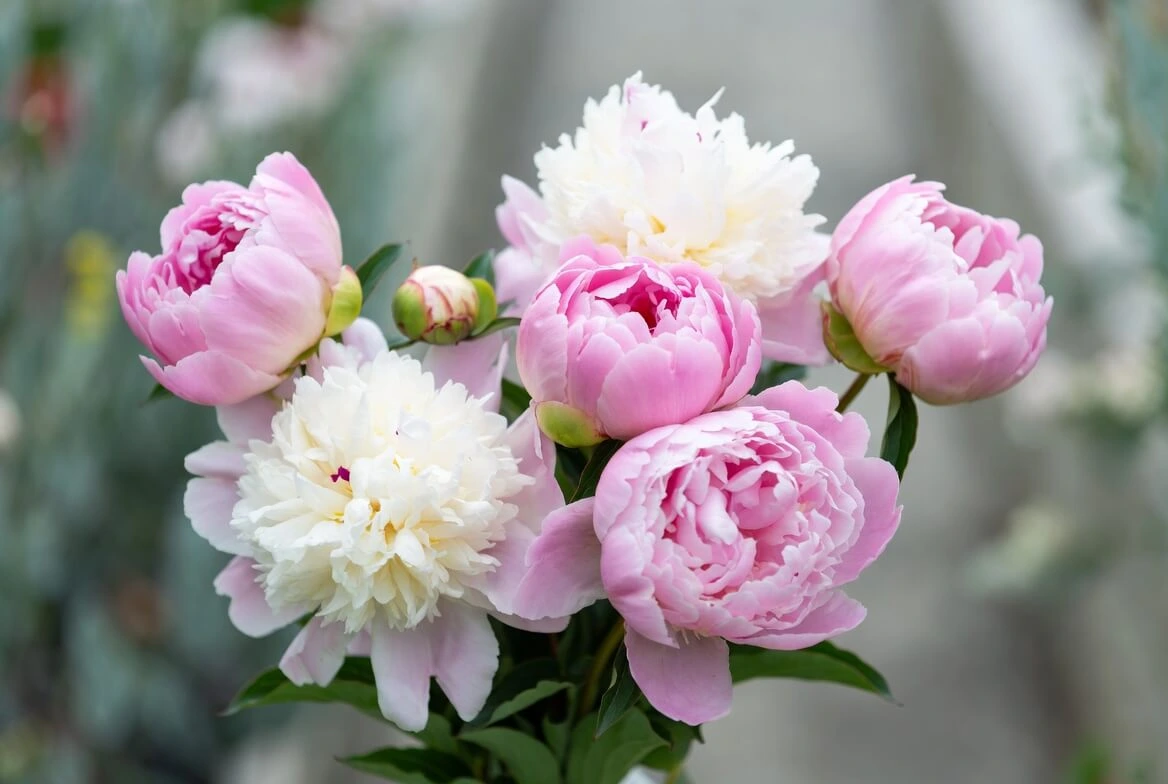
The blooms are massive: We’re talking 3 to 10 inches wide depending on the variety. When a mature peony is in full bloom, it stops people in their tracks.
They smell incredible: Not all varieties are fragrant, but the ones that are smell like a mix of roses, citrus, and spice. It’s the kind of scent that fills an entire garden.
They’re basically indestructible: Once established, peonies tolerate cold winters, ignore deer and rabbits, and require almost zero maintenance. You water them occasionally and they just keep coming back.
They make outstanding cut flowers: A single peony stem in a vase is a statement piece. Florists charge premium prices for them during bloom season.
The Investment Reality
Here’s the catch, peonies are expensive upfront and painfully slow to establish. A decent bare-root peony costs $20 to $50. A mature potted plant? Easily $75 to $150. Rare varieties? Don’t even ask. Then you plant it and wait. And wait. And wait.
Newly planted peonies typically take 2 to 3 years to produce full-sized blooms. Bare-root plants take even longer. You’re literally investing in a plant that won’t show its full potential until you’ve almost forgotten what variety you planted.
But here’s why it’s worth it: once that plant hits its stride, it produces dozens of blooms every single year without fail. For decades. That’s a better return on investment than most things in your garden.
Types of Peonies: The Complete Breakdown
There are three main categories of peonies, and understand the differences matters because each type has different care requirements and bloom times. There are the wild species—harder to find, but fascinating if you’re into collecting unusual plants.
Herbaceous Peonies (Paeonia lactiflora)
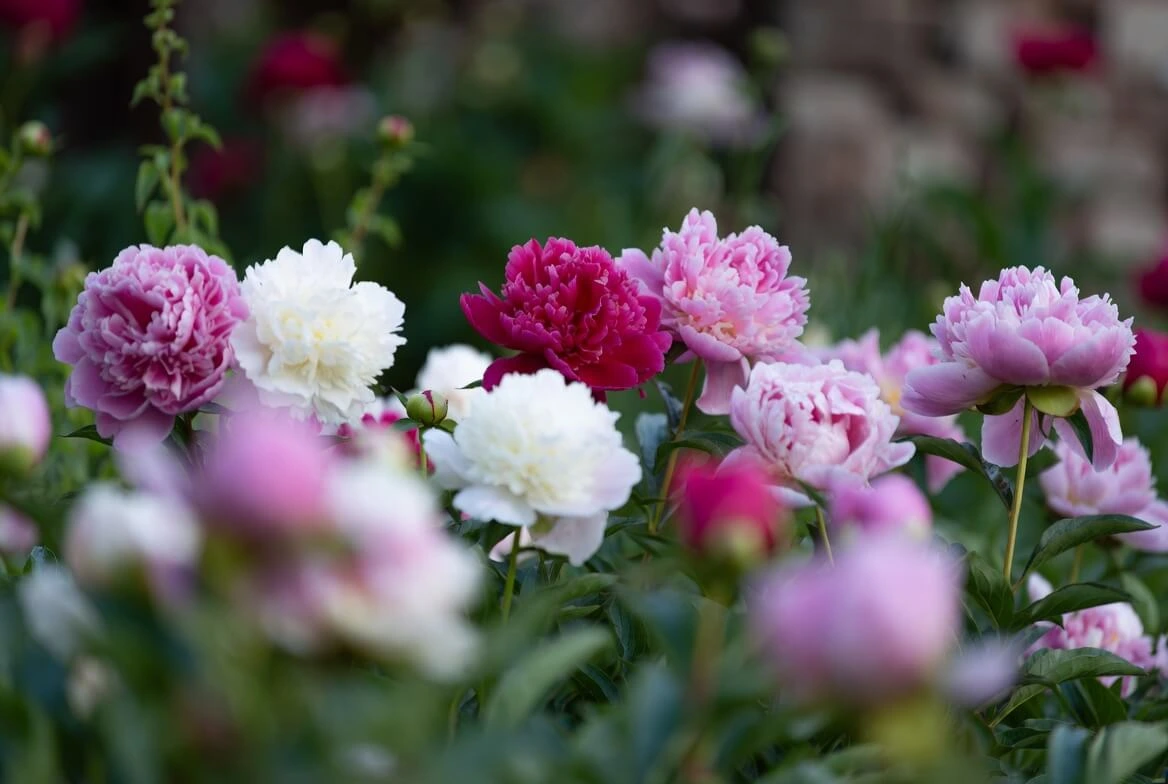
This is what most people picture when they think “peony.”
Herbaceous peonies are bushy plants that grow 2 to 3 feet tall and die completely back to the ground every winter. Come spring, fresh shoots emerge from underground eyes (growth buds), and by late May or early June, you get those classic full, fluffy blooms.
- Bloom time: Late spring, typically around Memorial Day.
- Height: 2-3 feet.
- Maintenance: Cut them to the ground after the first hard frost. That’s it.
These are the easiest peonies to grow and the most widely available. Most garden centers stock herbaceous varieties because they’re reliable performers across a wide range of climates.
Popular varieties include Sarah Bernhardt (soft pink, insanely popular), Festiva Maxima (white with red flecks), and Bowl of Beauty (pink with a yellow center).
Paeonia officinalis is one of the oldest herbaceous species in cultivation. It’s been grown in European gardens since the 1500s. You’ll still find it in historic gardens today—same plants, still blooming.
Tree Peonies (Paeonia suffruticosa)
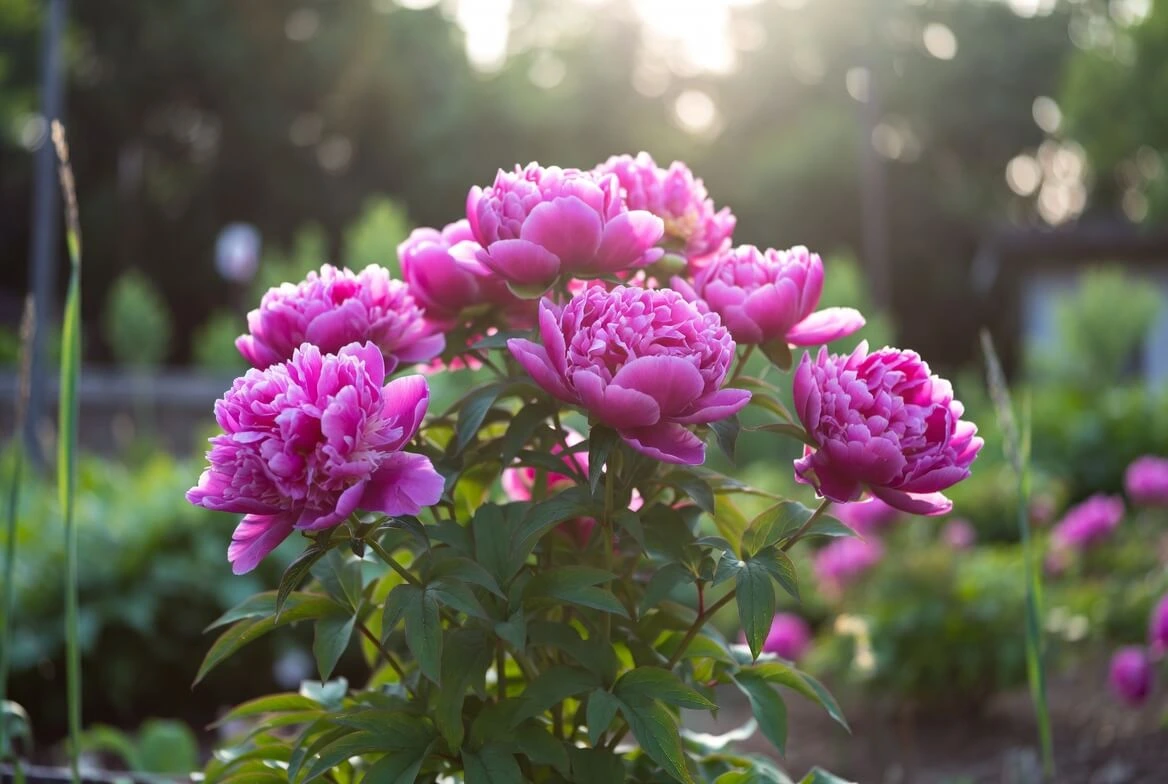
Tree peonies aren’t actually trees. They’re woody shrubs that keep their stems year-round. These are the showstoppers.
Tree peonies grow 4 to 7 feet tall and produce flowers up to 10 or even 12 inches across. The blooms are architectural—big, bold, and impossible to ignore.
- Bloom time: Early spring, often around Mother’s Day (earlier than herbaceous types).
- Height: 4-7 feet.
- Maintenance: Don’t cut them back. They bloom on old wood, so those woody stems need to stay intact through winter.
The downside? They’re slower growing, more expensive, and require a bit more patience than herbaceous peonies. But once established, they’re dramatic focal points in the garden.
The flowers come in shades you don’t see in herbaceous types—deep purples, true reds, and even some yellow and coral hybrids from crosses with Paeonia delavayi and Paeonia lutea. If you have space and budget, a mature tree peony is worth every penny.
Itoh Peonies (Intersectional Hybrids)
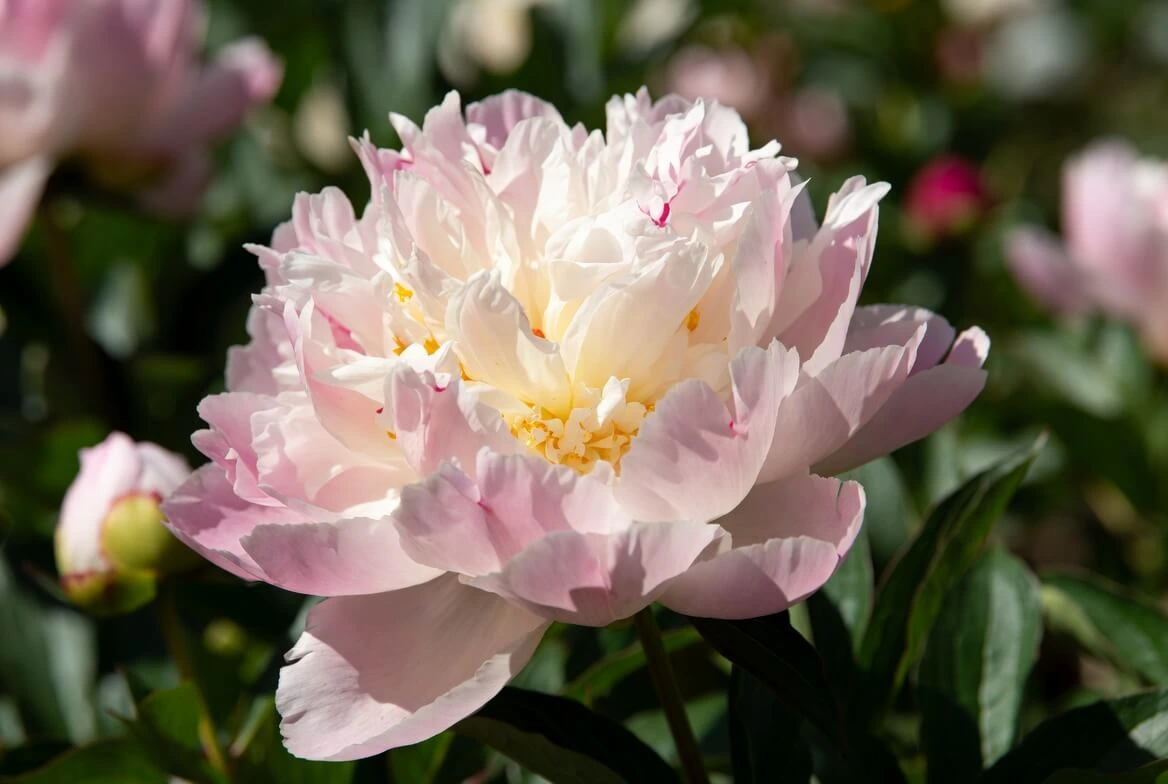
Itoh peonies are hybrids between herbaceous peonies and tree peonies, and they combine the best traits of both. They die back to the ground like herbaceous types, but they produce huge, tree peony-sized flowers on sturdy stems that don’t need staking.
- Bloom time: Late spring to early summer, and they bloom for up to 6 weeks—longer than any other peony type.
- Height: 2-3 feet.
- Maintenance: Cut back in fall like herbaceous peonies, leaving 4-6 inches of stem.
These are relatively new to the market (first introduced in the 1960s), and they’re more expensive than herbaceous types. But they’re worth the splurge if you want extended bloom time and massive flowers without the hassle of staking.
Bartzella is the most famous Itoh variety—bright yellow blooms that are heat-tolerant and incredibly showy. Coral Charm is another favorite, with color-changing blooms that shift from coral to peach as they age.
Wild and Specialty Peony Species
Most gardeners stick with the three main types above, but there’s a whole world of wild peony species out there for collectors and enthusiasts.
These are harder to find and often more finicky to grow, but they offer unique colors, forms, and growth habits you won’t see in standard garden varieties.
Paeonia tenuifolia (Fern-leaf peony):
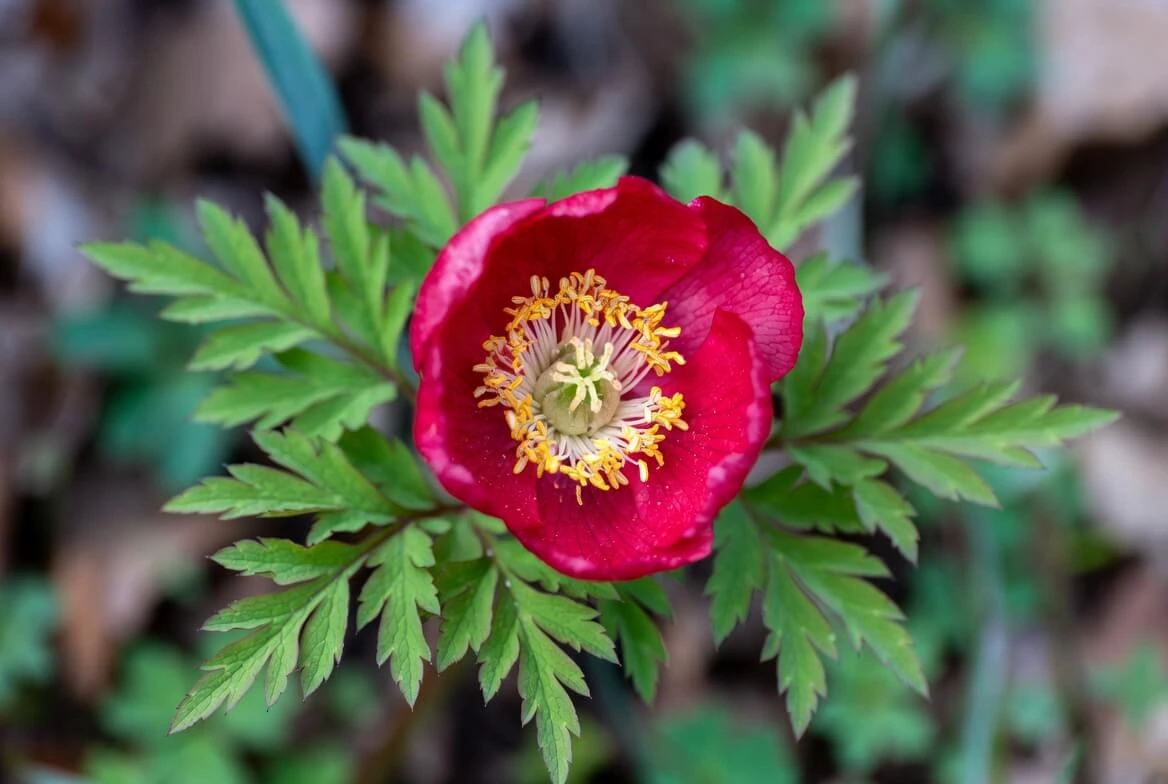
Delicate, feathery foliage and deep red, single blooms. Rare and gorgeous. This is one of the earliest blooming species.
Paeonia anomala (Wild peony):
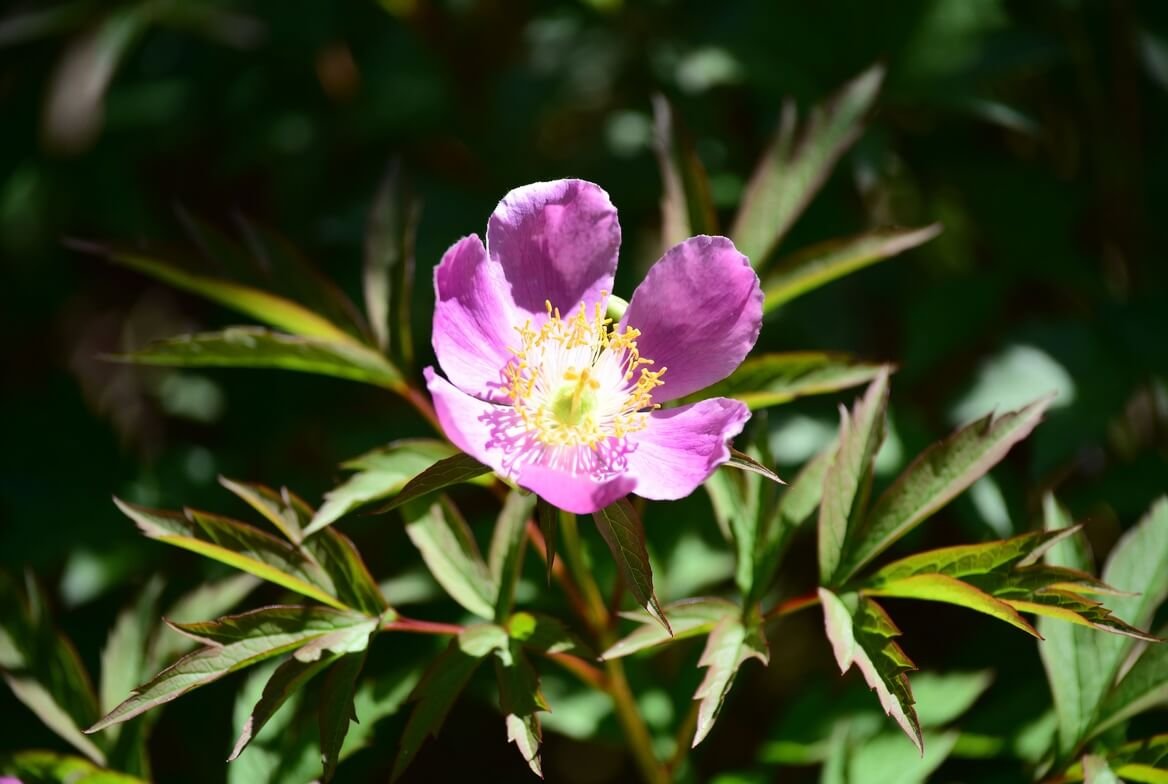
Hardy, cold-tolerant species native to Siberia. Great for naturalizing in woodland gardens.
Paeonia obovata:
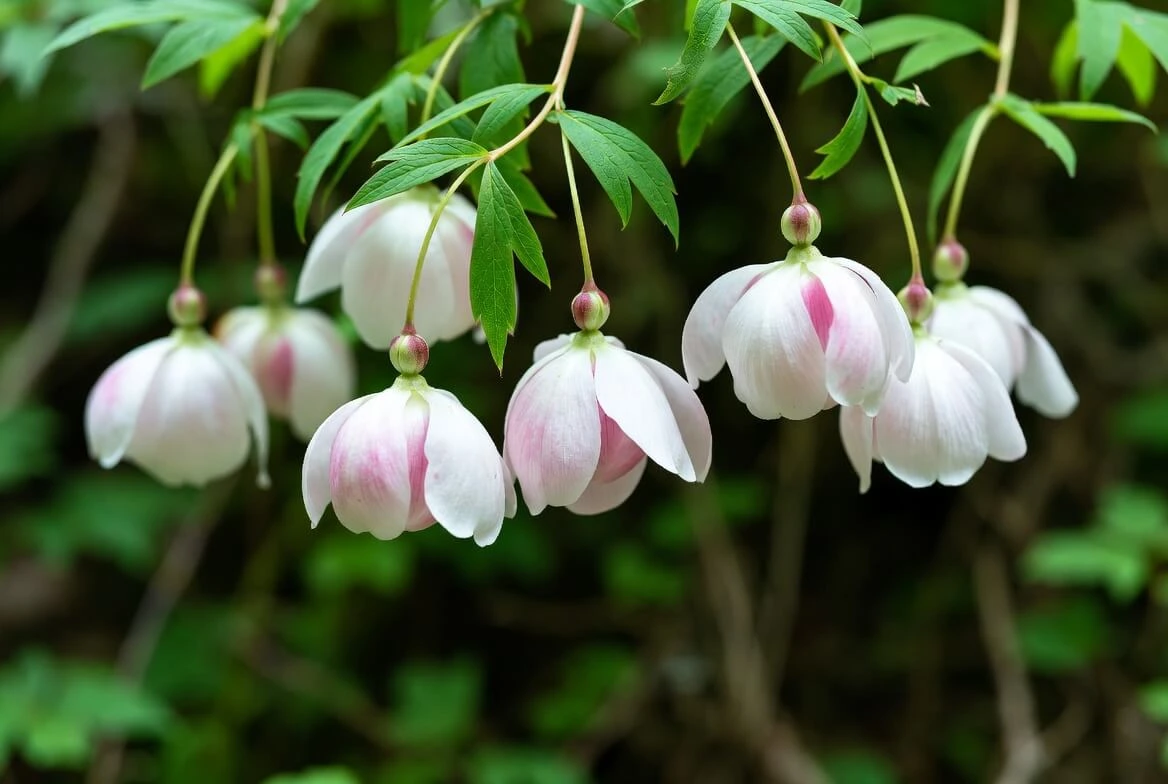
Woodland species that tolerates partial shade better than most peonies. Pink or white flowers with prominent yellow stamens.
Paeonia mlokosewitschii (Molly the Witch):
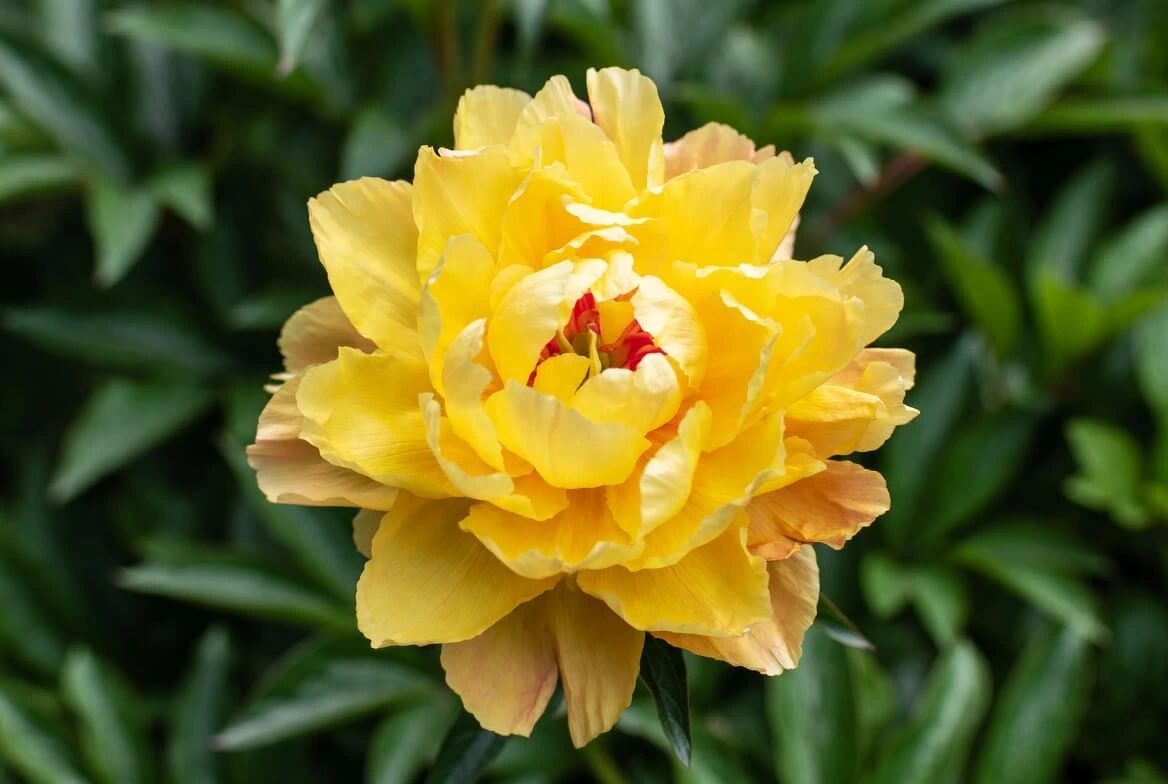
One of the rarest and most coveted peonies. Soft yellow blooms and blue-green foliage. Notoriously difficult to pronounce and expensive to buy.
Paeonia brownii (California peony):
Native to the western U.S, this is a compact species with maroon and yellow flowers. Completely different look from typical peonies.
Other collector species include Paeonia cambessedesii (Mediterranean species with pink flowers), Paeonia mairei, Paeonia qiui, Paeonia sterniana, Paeonia broteri, and Paeonia daurica (which includes the subspecies mlokosewitschiimentioned above).
You won’t find these at your local garden center. You’ll need to hunt down specialty nurseries or peony societies to track them down. Are they worth the effort? If you’re a plant collector, absolutely. If you just want reliable blooms in your garden, stick with the above main three types.
How to Grow Peonies: The Essential Guide
Here’s where most people mess up. Peonies are low-maintenance once established, but planting them correctly is non-negotiable. Get it wrong and your plant won’t bloom for years—or ever.
Choosing the Right Location Under Sunlight
Sunlight matters more than you think. Peonies need full sun—minimum 6 to 8 hours per day. More sun equals more blooms. It’s that simple. Tree peonies can tolerate light afternoon shade, especially in hot climates, but even they perform best in full sun.
If you plant peonies in shade, you’ll get weak, floppy stems and maybe one or two sad blooms per year. Don’t waste your time or money planting them in the wrong spot.
Also, avoid planting near large trees or shrubs. Peonies hate root competition. They need their own space to spread their roots and access water and nutrients without fighting for it.
Soil Requirements
Peonies are surprisingly adaptable, but there’s one dealbreaker: drainage. The Well-drained soil is non-negotiable. Plant peonies in soggy, waterlogged soil and they’ll rot. Ideal soil is slightly acidic to neutral (pH 6.5 to 7.0), rich in organic matter, and loose enough for roots to spread easily.
If you have heavy clay soil, amend it before planting. Dig a hole at least 12 to 18 inches deep, mix in a 4-inch layer of compost or well-rotted manure, and add a cup of superphosphate to encourage strong root development.
Tree peonies prefer slightly more alkaline soil than herbaceous types, so if you’re planting tree peonies, you can add a bit of lime to raise the pH.
Planting Depth: The Make-or-Break Factor
This is the single most important thing to get right. Planting depth determines whether your peony blooms or sits there doing nothing for years.
For herbaceous peonies:
The eyes (those little reddish growth buds on the root) need to be 1 to 2 inches below the soil surface. In warmer zones (7-8), plant them closer to ½ inch deep. In colder zones (3-5), go closer to 2 inches.
Too deep = no blooms. I’ve seen gardeners plant peonies 4 or 5 inches deep and then wonder why they don’t flower. The eyes need to be close to the surface to get the cold exposure they need to set buds.
For tree peonies:
Plant deeper—4 to 6 inches below ground level. Most tree peonies are grafted onto herbaceous peony rootstock, and the goal is to bury the graft union so the tree peony develops its own roots and the herbaceous rootstock eventually dies off.
For Itoh peonies:
Plant just below the soil surface—½ inch deep in warm zones, 1.5 inches in cooler zones. Use a ruler if you have to. Seriously. This matters that much.
When to Plant
Fall is the best time to plant peonies. Aim for 6 weeks before your first hard frost. This gives the roots time to settle in before winter, and the plant will be ready to grow when spring arrives.
Spring planting works if you absolutely have to, but expect your plant to take an extra year or two to bloom. Bare-root peonies should only be planted in fall. Container-grown peonies are more flexible and can be planted in spring or fall, but fall is still better.
Spacing and Support
Space peonies 3 to 4 feet apart. They need good air circulation to prevent fungal diseases like botrytis blight. Herbaceous peonies with large, heavy blooms will need support. Use peony rings (metal hoops on stakes) and install them early in the season before the plant gets too tall. The foliage will grow up through the ring and hide it.
These are sturdier and usually don’t need staking, but you can use bamboo stakes and twine if you’re in a windy area or dealing with especially large blooms.
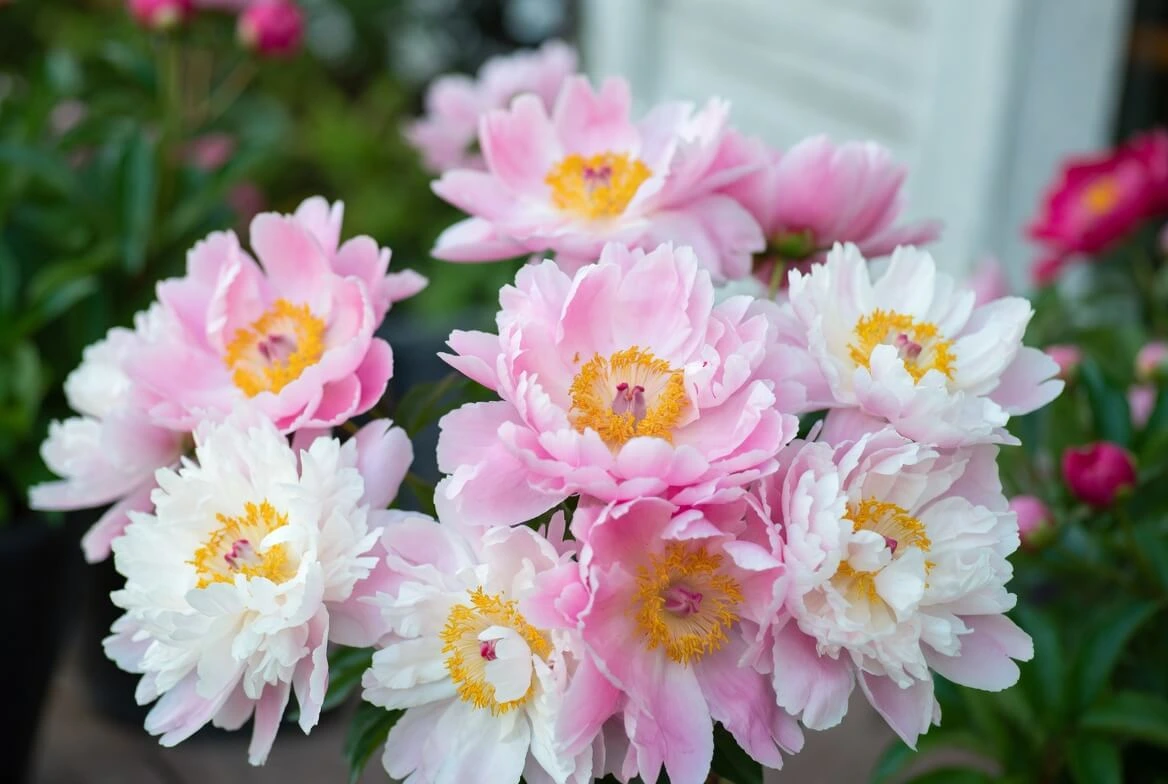
Peony Care Calendar
Once your peonies are planted correctly, they’re ridiculously easy to care for. Here’s what to do each season.
Spring Care
- Remove winter mulch: as soon as shoots emerge. If you mulched over winter (which you only need to do in very cold climates), pull it back in early spring so new growth isn’t smothered.
- Start watering if the weather is dry: It need about 1 inch of water per week in spring. If you go more than two weeks without rain, give them a deep watering.
- Apply fertilizer. Use a low-nitrogen, balanced fertilizer like 10-10-10. Spread about ½ cup around the base of mature plants as shoots emerge. For young plants, use ¼ cup. Too much nitrogen creates lush foliage but fewer blooms, so don’t overdo it.
- Watch for botrytis. This fungal disease shows up as black spots on new growth. If you see it, remove infected stems immediately and destroy them (don’t compost).
- Debud if you want larger flowers. Each stem produces a terminal bud (the main flower bud at the tip) and several side buds below it. If you remove the side buds, all the plant’s energy goes into the terminal bud, resulting in one massive flower. If you leave the side buds, you’ll get more flowers over a longer bloom period. Your choice.
Summer Care
- Keep watering during dry spells: Even after peonies finish blooming, they need consistent moisture to build next year’s buds. Give them 1 inch of water per week if rain is scarce.
- Deadhead spent blooms: Cut off faded flowers to keep the plant looking tidy and to prevent seed formation, which drains energy.
- Watch for Japanese beetles: These pests love peonies. If you see them, pick them off by hand or use an insecticidal soap.
- Support heavy blooms during rain: If your peony rings aren’t doing the job and stems are flopping over after a heavy rain, add extra stakes as needed.
Fall Care
- This is the best time for planting and dividing peonies. If you’re adding new plants or dividing existing ones, do it now.
- Cut herbaceous peonies to the ground after the first hard frost. Wait until the foliage has completely died back, then cut stems down to soil level. This prevents overwintering of fungal spores.
- Leave tree peony woody stems intact. Do not cut back tree peonies. They bloom on old wood, so you need those stems for next year’s flowers.
- Remove all debris. Clean up any fallen leaves or petals around the base of the plant to prevent disease.
- Apply light mulch in coldest zones. In Zones 4 and colder, add a loose layer of pine needles or shredded bark after the ground freezes. Remove it in early spring.
Winter Care
- Do almost nothing. Peonies need cold dormancy to set buds, so winter is when they’re doing their thing underground.
- Mark the location of herbaceous peonies. Once they’re cut back, there’s no visible sign of where they are. Stick a label or marker in the ground so you don’t accidentally dig into them when planting something else in spring.
- Protect tree peonies in very cold climates. In Zone 4 and colder, wrap tree peonies with burlap and add a 3- to 4-inch layer of mulch around the base for extra protection.
- No watering needed. The plants are dormant. Leave them alone.
Reasons: Why Your Peonies Aren’t Blooming
This is the number one question I get: “My peony won’t bloom. What’s wrong?” Usually, it’s one of these five things.
1. Planted Too Deep
This is the most common problem, and it’s fixable. If the eyes are buried more than 2 inches below the soil surface, the plant won’t get the cold exposure it needs to set buds. You’ll get foliage but no flowers.
- Solution: Dig up the plant in fall and replant it at the correct depth (1-2 inches for herbaceous, 4-6 inches for tree, ½-1.5 inches for Itoh). Yes, this sets the plant back a year, but it’s the only way to fix the problem.
2. Not Enough Sun
Peonies need at least 6 hours of full sun. If they’re shaded by trees or buildings, they won’t bloom well—or at all.
- Solution: Transplant to a sunnier location in fall. Be gentle with the roots and expect the plant to take a year or two to recover.
3. Too Much Nitrogen
High-nitrogen fertilizers create lush, green foliage at the expense of flowers. If your peony has tons of leaves but no blooms, you’re probably overfeeding it or using the wrong fertilizer.
- Solution: Switch to a low-nitrogen, balanced fertilizer (10-10-10 or similar) and only feed once per year in spring.
4. Plant is Too Young
Newly planted peonies take 2 to 3 years to produce full-sized blooms. Bare-root plants take even longer than container-grown plants because they’re starting from scratch.
- Solution: Be patient. Keep caring for the plant and it will bloom when it’s ready.
5. Competition from Other Plants
Peonies hate sharing space with tree roots or aggressive perennials. If they’re planted too close to shrubs or under tree canopies, they’ll struggle to get the water and nutrients they need.
- Solution: Give peonies their own space, at least 3 feet away from other large plants.
Common Diseases
- Botrytis blight is the most common fungal disease in peonies. It shows up as black or brown spots on stems, leaves, and buds. In severe cases, stems rot and collapse.
- Solution: Remove infected parts immediately and destroy them. Improve air circulation by spacing plants properly and thinning out dense clumps. Use a copper-based fungicide if the problem persists.
- Powdery mildew appears as a white, powdery coating on leaves, usually in late summer. It’s mostly cosmetic but can weaken the plant over time.
- Solution: Improve air circulation and avoid overhead watering. Remove affected leaves.
- Peony wilt (a type of botrytis) causes entire stems to wilt and turn black. It’s more serious than regular botrytis.
- Solution: Cut infected stems back to the ground and destroy them. Disinfect pruning tools between cuts. Remove all plant debris in fall.
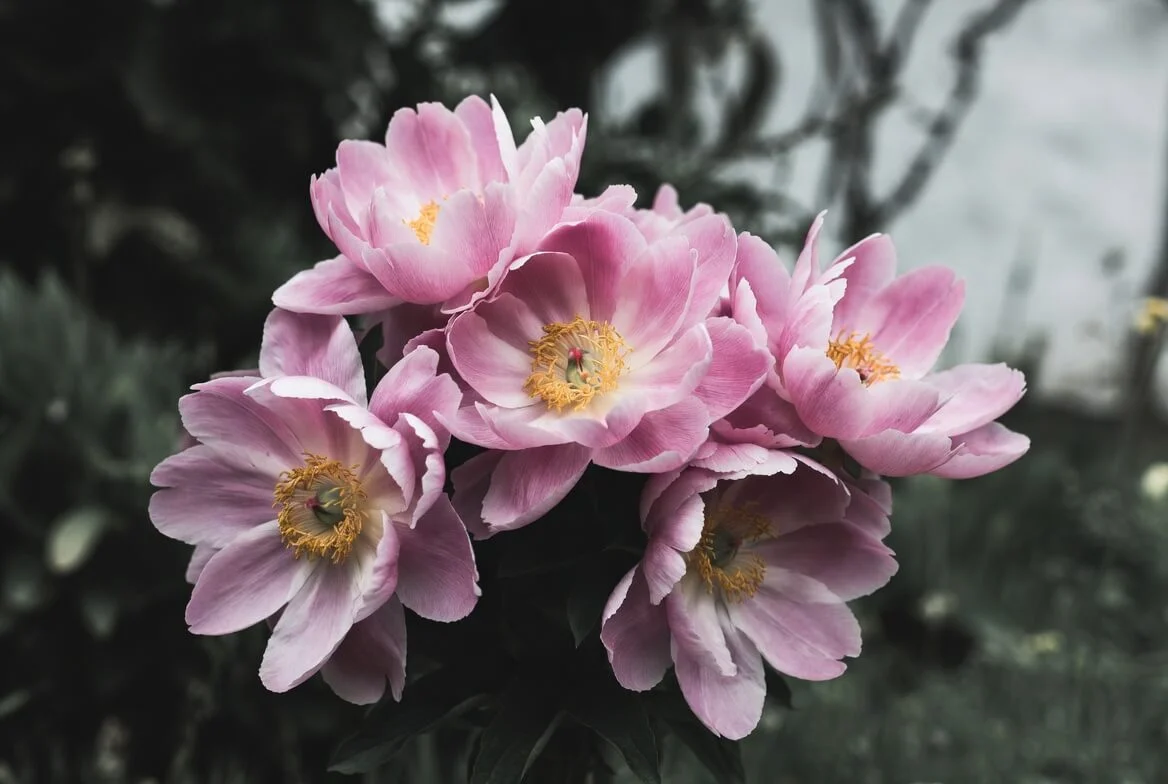
Best Peony Varieties for Your Garden
If you’re planting peonies for the first time, start with proven, reliable varieties. These are the ones that consistently perform well, bloom reliably, and are easy to find at nurseries.
White and Blush Peonies
- Festiva Maxima: White blooms with red flecks. This is a Southern heirloom that’s been around since the 1850s. Fragrant, reliable, and beautiful. If you only plant one white peony, make it this one.
- Duchess de Nemours: Ivory-white blooms with a slight yellow tint at the center. Incredibly fragrant. One of the best-smelling peonies out there.
- Bowl of Cream: Massive, creamy white blooms that are often bigger than your hand. Dense, fluffy petals. Stunning.
- Nick Shaylor: Soft blush pink, almost white. Won the APS Gold Medal twice. Round, full blooms on strong stems.
Pink Peonies
- Sarah Bernhardt: The most popular peony variety in the world. Soft pink, fragrant, reliable. Blooms mid to late season. If you sell peonies at a farmers market or grow them for cut flowers, this is the one customers ask for by name.
- Monsieur Jules Elie: Bomb-shaped blooms in a captivating shade of pink. Introduced in 1888 and still going strong. Fragrant and vigorous.
- Bowl of Beauty: Pink outer petals with a creamy yellow center. Japanese form. Elegant and easy to grow.
Red and Coral Peonies
- Red Charm: Deep red, bomb-shaped blooms. Vigorous grower and prolific bloomer. This is the go-to red peony.
- Coral Charm: Semi-double blooms that change color from coral to peach as they age. Award-winner. The fragrance is… not great, honestly. But the color is incredible.
Unique Peonies
- Bartzella: Yellow Itoh peony. Heat-tolerant, long-blooming, and absolutely stunning. Worth the splurge if you want something different.
- Do Tell: Anemone-shaped blooms in soft pink with raspberry and lemon centers. Crazy prolific bloomer on strong, thin stems.
These varieties are workhorses. They’re not the rarest or most expensive peonies out there, but they’re the ones that will actually thrive in your garden and give you reliable blooms year after year.
Advanced Techniques
Once you’ve got the basics down, here are a few advanced techniques.
Dividing Peonies
It don’t need to be divided for health reasons. They can grow in the same spot for decades without division. But if you want to propagate new plants or if a clump has become overcrowded (after 10+ years), fall is the time to divide.
How to do it:
- Dig up the entire plant after the foliage has died back. Hose off the soil so you can see the roots and eyes clearly.
- Use a sharp knife to cut the root clump into sections, each with 3 to 5 eyes. Cut away any small, stringy roots and keep only the large, fleshy storage roots.
- Replant divisions immediately at the correct depth. Divided peonies take 2 to 3 years to bloom again, so only do this if you need more plants.
Growing Peonies in Containers
It’s possible, but not ideal. If you’re going to try it, use a container that’s at least 18 inches deep and wide. Peonies have large root systems and need room to spread. Dwarf herbaceous varieties work best in pots. Tree peonies and standard varieties are too large.
Key tips:
- Use well-draining potting mix.
- Water more frequently—containers dry out fast.
- Move the pot to a sheltered location in winter to protect roots from freezing and thawing cycles.
- Feed more often than in-ground plants since nutrients leach out of pots faster.
Transplanting Established Plants
Transplanting mature peonies is risky. These plants have deep, established root systems, and digging them up is stressful. But if you absolutely have to move one, do it in fall.
Dig as wide and deep as possible to preserve as much of the root system as you can. Replant immediately at the same depth as before. Water thoroughly and expect the plant to take 2 years to recover and bloom again.
Propagation from Seed
Growing peonies from seed is a long game. It takes 3 to 5 years for seedlings to bloom, and the resulting plants won’t be true to type if they’re hybrids (which most garden peonies are). This method is best left to hobbyists and breeders who are trying to develop new varieties. If you want more peonies, division is faster and more reliable.
Quick Reference Guide
Here’s everything you need to know at a glance.
- Hardiness Zones: 2-8 (most varieties)
- Height: 1-7 feet depending on type (herbaceous 2-3 feet, tree 4-7 feet, Itoh 2-3 feet)
- Bloom Time: April to June (tree peonies earliest, herbaceous mid-season, Itoh latest)
- Lifespan: 50-100+ years
- Sun Requirements: Full sun, minimum 6-8 hours per day
- Soil: Well-drained, slightly acidic to neutral (pH 6.5-7.0)
- Watering: 1 inch per week during growing season, deep watering preferred
- Fertilizer: Low-nitrogen (10-10-10), once per year in spring
- Maintenance: Low once established
- Special Note: Ants on buds are harmless. They’re attracted to nectar and won’t damage the plant.
Your First Peony Checklist
☐ Choose peony type based on space and climate
☐ Pick a sunny location with well-drained soil
☐ Dig hole and amend soil with compost
☐ Plant at correct depth (1-2 inches for herbaceous, 4-6 inches for tree, ½-1.5 inches for Itoh)
☐ Water thoroughly after planting
☐ Mulch lightly (keep crown clear)
☐ Be patient for 2-3 years
☐ Enjoy decades of blooms
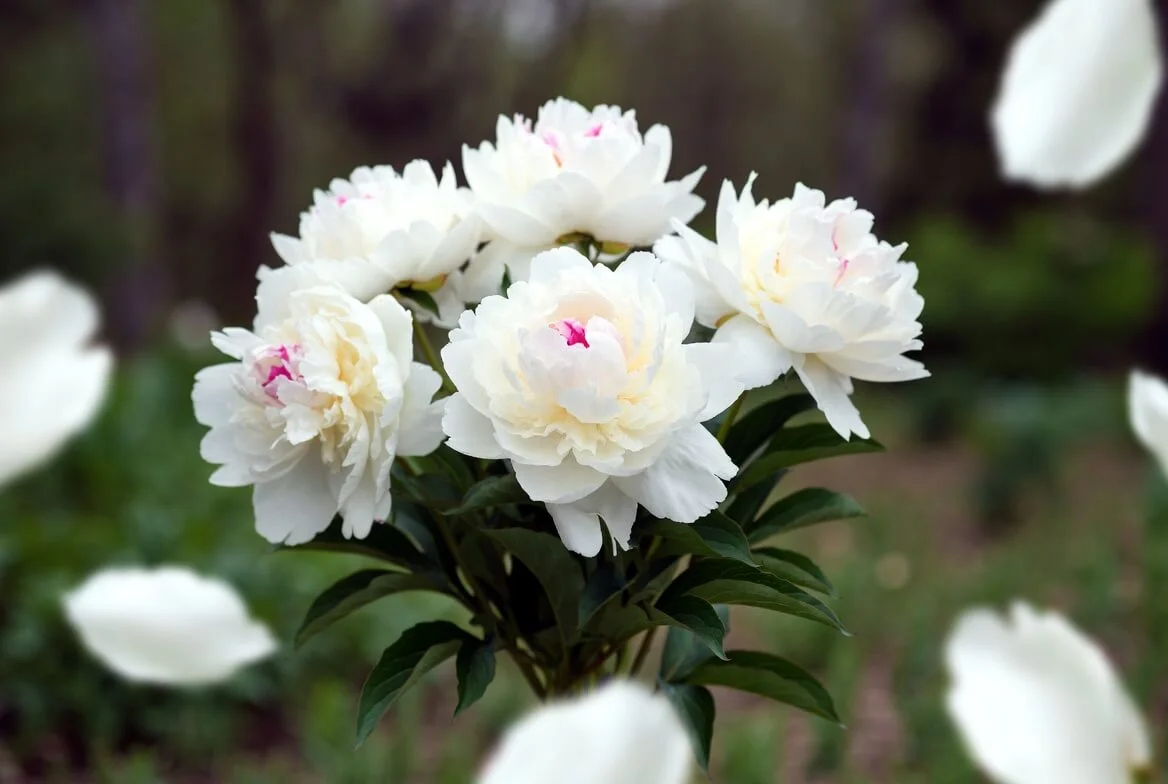
Why Peonies Are Worth the Wait
Look, I get it. Peonies are expensive, slow to establish, and require more patience than almost any other garden plant. But here’s the thing: once they’re established, they’re basically immortal.
You plant a peony once and it blooms for decades. You don’t replant it every year like annuals. You don’t divide it every three years like most perennials. You don’t fuss over it constantly.
You plant it, get the depth right, give it sun and decent soil, and then you step back and let it do its thing. In return, you get massive, fragrant blooms every single spring for the next 50 to 100 years. That’s a legacy plant. That’s something you plant for your kids or grand kids to enjoy.
And when those blooms finally arrive—those huge, fluffy, fragrant flowers that people stop their cars to look at—you’ll understand why peonies have been garden favorites for thousands of years.
Start with proven varieties like Sarah Bernhardt or Festiva Maxima. Plant them in fall. Get the depth right. Then be patient. The wait is worth it.
What’s your experience with peonies? Have you tried growing tree peonies or Itoh varieties? Drop a comment below and let me know what’s working (or not working) in your garden.
For more perennial flower guides, check out our complete Spring Garden Planning Guide and Birth Month Flowers Collection at Zoned Garden.
FAQs About Growing Peonies
How long do peonies live?
50 to 100+ years with proper care. Some historic peony plants are over 100 years old and still blooming. They can literally outlive the gardener who planted them.
Why are ants all over my peony buds?
Peony buds secrete a sweet nectar that attracts ants. The ants don’t harm the plant—they’re just there for the sugar. Some evidence suggests they may even help protect buds from other pests. If you’re cutting peonies for indoor arrangements, just give them a gentle shake or rinse before bringing them inside.
Can I grow peonies in the South?
Some varieties tolerate Zone 8, but peonies need a period of winter chill (around 6 weeks below 40°F) to set buds. They perform best in the Upper and Middle South. In the Lower South, choose early-blooming varieties and provide afternoon shade to protect blooms from intense heat.
When do peonies bloom?
Bloom time depends on the type. Tree peonies bloom earliest (around Mother’s Day in most areas). Herbaceous peonies bloom mid to late spring (around Memorial Day). Itoh peonies bloom latest and have the longest bloom period (up to 6 weeks). Overall bloom season runs from April to June depending on variety and climate.
How deep should I plant peonies?
This is the most critical factor for success. Herbaceous peonies: 1-2 inches deep (eyes just below soil surface). Tree peonies: 4-6 inches deep (graft union buried). Itoh peonies: ½-1.5 inches deep. Too deep and your peony won’t bloom. Use a ruler to measure.
Are peonies hard to grow?
No, but they require patience and correct planting. Get the depth right, provide full sun and well-drained soil, and then wait 2-3 years for the plant to establish. Once mature, peonies are extremely low-maintenance and nearly indestructible.
Do peonies need to be divided?
No, Unlike many perennials, peonies don’t require regular division. They can grow in the same spot for decades without any problems. Only divide if you want to propagate new plants or if a very old clump (10+ years) has become overcrowded.
Why won’t my peony bloom?
The most common reasons are: (1) planted too deep, (2) not enough sunlight (needs 6+ hours), (3) too much nitrogen fertilizer, (4) plants are too young (needs 2-3 years), or (5) root competition from nearby trees or shrubs. Planting depth is the #1 culprit.