I remember the day I brought home what the nursery labeled as an Alocasia Ivory Coast. Three weeks later, I’m staring at pink stems thinking, “Wait, this doesn’t look like the photos online.”Sound familiar?
You’re not alone. I’ve been there, confused and questioning everything. Here at ZonedGarden.com, we help plant lovers navigate these exact situations.
What Makes Alocasia Ivory Coast Stand Out
The Alocasia Ivory Coast has specific traits that set it apart. When you know what to look for, identification becomes simple.
Here’s what defines a true Alocasia Ivory Coast:
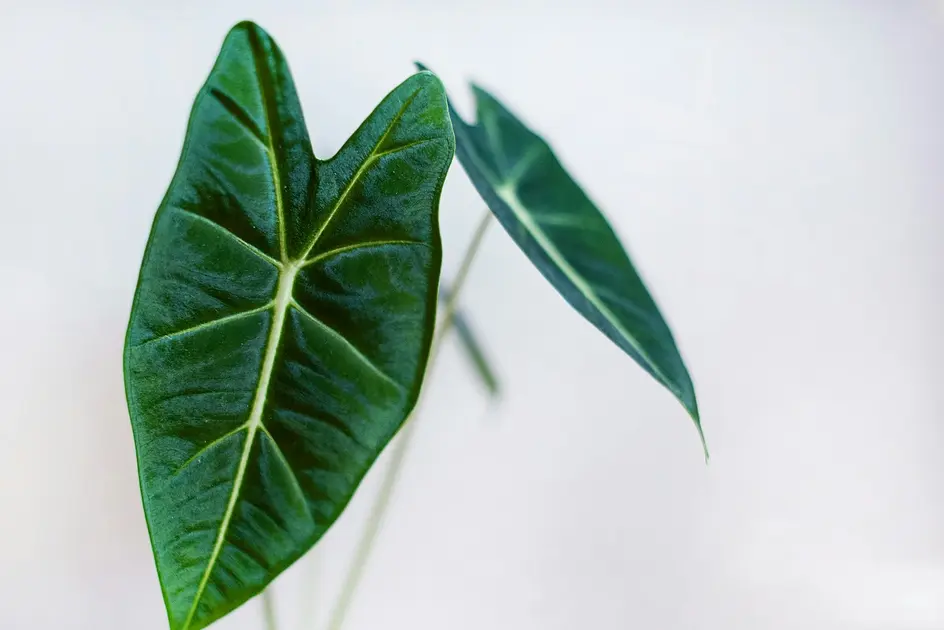
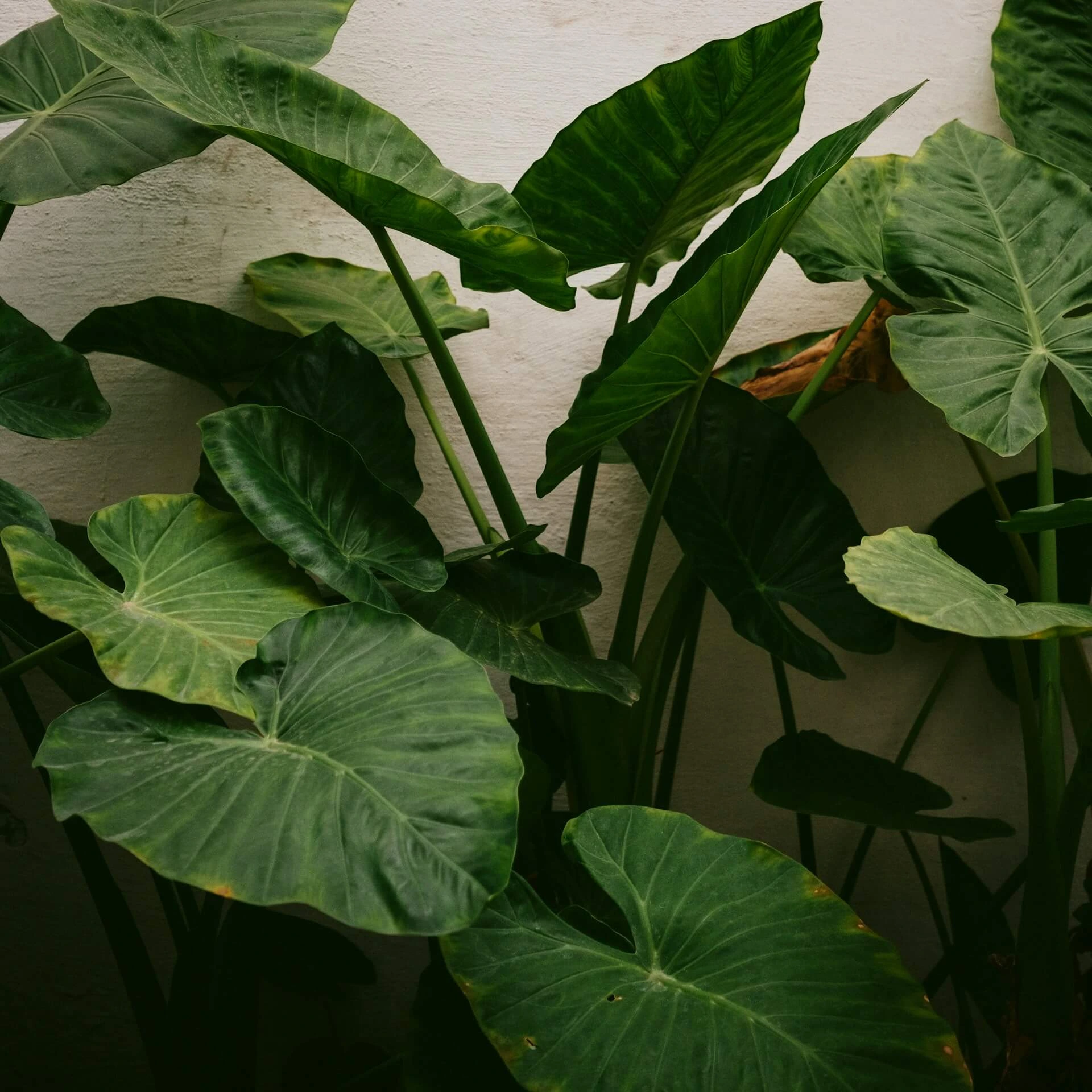
- Deep green, glossy leaves with prominent white veins
- Heart-shaped foliage that’s thick and leathery
- Green stems (not pink or burgundy)
- Leaves that can grow 12-18 inches long
The white veining is the star of the show. It contrasts beautifully against the dark green background, creating that elegant tropical look we all love.
I’ve noticed many plant shops mislabel these beauties. It happens more often than you’d think. That’s why we created our plant identification guides at Zoned Garden.
Alocasia Ivory Coast vs Pink Dragon: The Real Difference
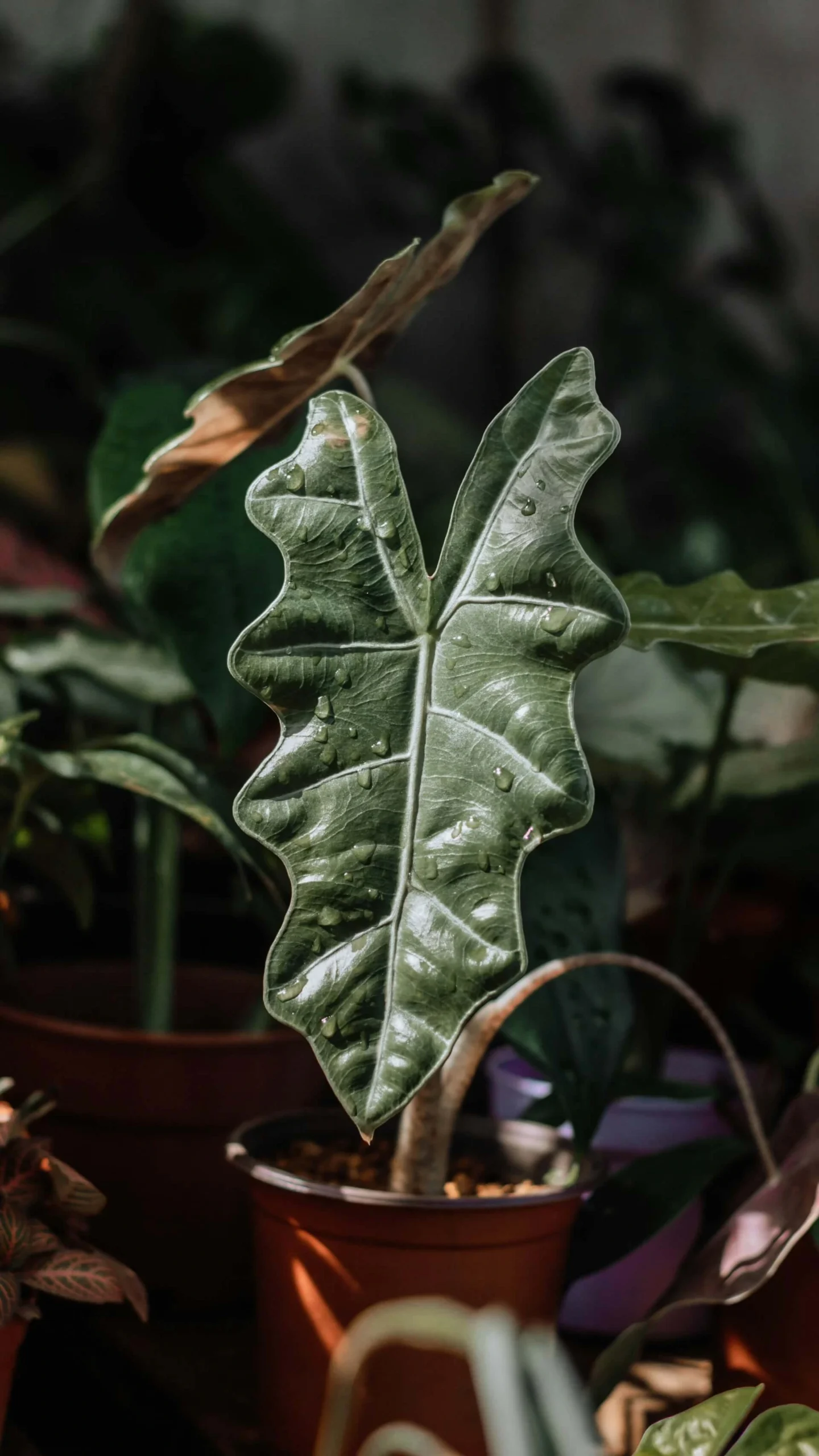
Here’s where things get interesting. The Alocasia Ivory Coast vs pink dragon debate comes up constantly in plant groups. Pink Dragon has those stunning pink to burgundy stems. That’s the dead giveaway.
Ivory Coast? Green stems all the way. I learned this the hard way when I realized my “Ivory Coast” was actually showing Pink Dragon characteristics. The pink stems were gorgeous, but I felt misled.
The leaf texture differs too. Pink Dragon leaves tend to be slightly more elongated. Ivory Coast stays more heart-shaped and compact. Both are stunning. Both belong to the elephant ear family. But they’re definitely not the same plant.
If you’re dealing with similar identification confusion, check out our guide on Alocasia Dragon Scale care—another variety that often gets mixed up with Ivory Coast.
My Personal Experience with Alocasia Ivory Coast Care
I’ve killed exactly three Alocasia Ivory Coast plants before figuring out the formula. No shame in that game.
The biggest mistake? Overwatering. These plants like moisture but hate soggy feet. I water mine when the top inch of soil feels dry to the touch. That’s usually once a week during summer.
Light requirements matter more than you think:
- Bright, indirect light is non-negotiable
- Direct sun will burn those beautiful leaves
- Too little light makes them leggy and weak
I keep mine about 6 feet from a south-facing window. It’s the sweet spot where she gets plenty of brightness without the harsh afternoon rays.
Temperature control changed everything for my Alocasia Ivory Coast. These tropical beauties want consistency between 65-80°F.
My apartment gets cold at night during winter. I moved the plant away from windows and invested in a small space heater. Game changer.
The Watering Schedule That Actually Works
Forget the “water once a week” advice. That’s too rigid. I check my Alocasia Ivory Coast soil every few days. Stick your finger in about an inch deep. Dry? Time to water. Still moist? Leave it alone.
During the growing season (spring and summer), I water more frequently. Maybe twice a week if it’s really hot. Winter is different. Growth slows down dramatically. I cut back to every 10-14 days.
My watering routine includes:
- Room temperature water only (cold water shocks the roots)
- Thorough soaking until water drains from the bottom
- Always emptying the drainage tray after 15 minutes
- Misting leaves occasionally for humidity
Root rot killed my first Alocasia Ivory Coast. I learned that lesson fast. These plants need well-draining soil with good aeration.
We cover proper watering techniques for all tropical plants in our Zoned Garden care library. The principles apply across most elephant ear varieties.
Fertilizing Your Alocasia Ivory Coast Right
I feed my Alocasia Ivory Coast monthly during the growing season. That’s April through September in my area. Use a balanced, water-soluble fertilizer at half strength. Full strength burns the roots. Trust me on this.
I skip fertilizing completely in fall and winter. The plant isn’t actively growing, so it doesn’t need the extra nutrients. One friend told me she fertilizes weekly at quarter strength. That works too. Find what fits your schedule.
Common Problems I’ve Faced
Yellow leaves stressed me out initially. Now I know they’re usually from overwatering or cold exposure.
My Alocasia Ivory Coast dropped three leaves when I first got her. Totally normal. She was adjusting to her new environment.
Watch out for these issues:
- Brown leaf edges mean low humidity or inconsistent watering
- Drooping leaves signal thirst or root problems
- Pale leaves need more light or nutrients
Spider mites attacked once. I caught them early by checking leaves weekly. A shower and neem oil solved it. The Alocasia Ivory Coast is toxic to pets and kids. I keep mine on a high shelf away from my curious cat. Better safe than sorry.
For more pet-safe alternatives, explore our Chlorophytum comosum care guide—they’re non-toxic and way more forgiving.
Propagation Tips from Trial and Error
I’ve successfully propagated my Alocasia Ivory Coast twice now. It’s easier than people make it sound.
- Wait until repotting time. You’ll see the rhizomes (underground stems) when you remove the plant from its pot.
- Carefully separate sections that have at least 2-3 leaves and healthy roots attached. Use a clean, sharp knife.
- Plant each division in fresh, well-draining soil. Water lightly and wait.
- Patience is key here. New growth takes 4-6 weeks to appear.
I lost my first propagation attempt by watering too much. The rhizome rotted before establishing roots. At ZonedGarden, we’ve documented these common propagation mistakes so you can avoid them.
Comparing to Similar Plants
When discussing Alocasia Ivory Coast vs pink dragon, remember that Pink Dragon needs identical care. Same light, same water, same temperature requirements.
Alocasia Dragon Scale is another lookalike. It has thicker, more textured leaves that resemble dragon scales. Super cool plant.
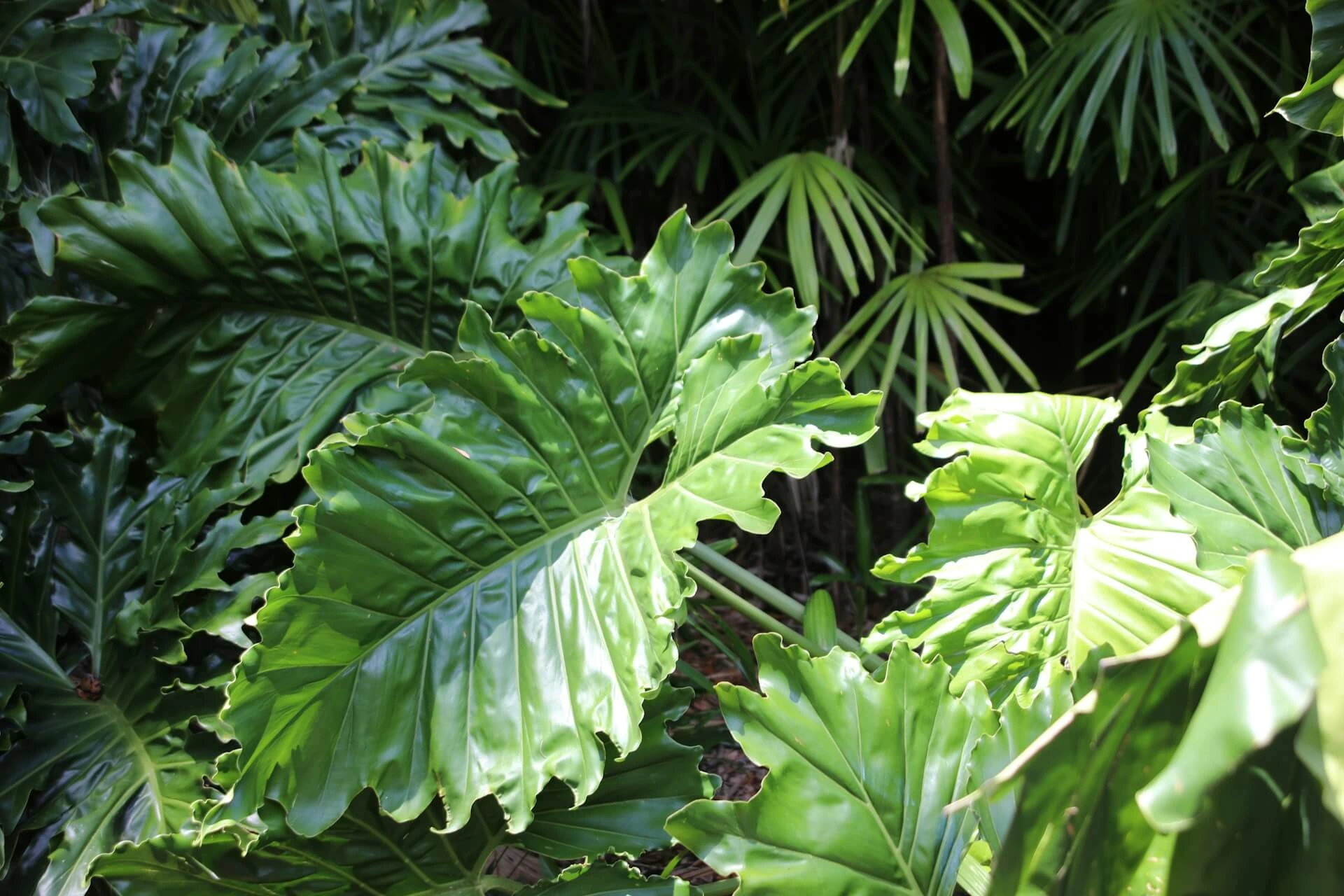
I’ve grown Philodendron Bipinnatifidum ‘Shangri La’ alongside my Alocasia Ivory Coast. The philodendron is way more forgiving with watering mistakes.
Each plant has its personality. My Ivory Coast is dramatic. One missed watering and she lets me know immediately.
Check out our Philodendron care guides for easier alternatives if you’re new to tropical plants.
FAQs About Alocasia Ivory Coast
How often should I water my Alocasia Ivory Coast?
Check soil moisture every few days. Water when the top inch feels dry, typically once weekly in summer and every 10-14 days in winter.
Why does my Alocasia Ivory Coast have pink stems?
True Ivory Coast has green stems. Pink or burgundy stems indicate you likely have a Pink Dragon or hybrid variety instead.
Can Alocasia Ivory Coast tolerate low light?
No. These plants need bright, indirect light to thrive. Low light causes leggy growth and leaf loss.
Is Alocasia Ivory Coast safe for pets?
No. All alocasia varieties are toxic to cats and dogs if ingested. Keep them out of reach.
How big does Alocasia Ivory Coast get indoors?
Expect leaves reaching 12-18 inches long with proper care. Total plant height usually stays under 3 feet indoors.
Wrapping This Up
My journey with Alocasia Ivory Coast taught me patience and attention to detail. These plants reward consistent care with stunning foliage. The confusion between varieties happens to everyone. Don’t stress if your plant doesn’t match every description perfectly. Many alocasias are hybrids with overlapping traits.
Focus on giving yours the right light, appropriate water, and stable temperatures. The rest falls into place naturally. That’s the approach we teach at Zoned Garden for all tropical plant care. Whether you have an Ivory Coast, Pink Dragon, or something in between, enjoy the process. These tropical beauties bring serious visual impact to any space when you dial in their care requirements.