Aralia Fabian Keeps Dropping Leaves (And How I Fixed Mine)
I bought my first aralia fabian thinking it would be one of those easy houseplants everyone talks about. Three weeks later, I’m watching leaves drop like it’s fall in New England. Turns out, these plants are drama queens about specific things, but once you nail those things, they’re actually pretty solid.
Let me save you the headaches I went through figuring this plant out.
What Actually Is an Aralia Fabian
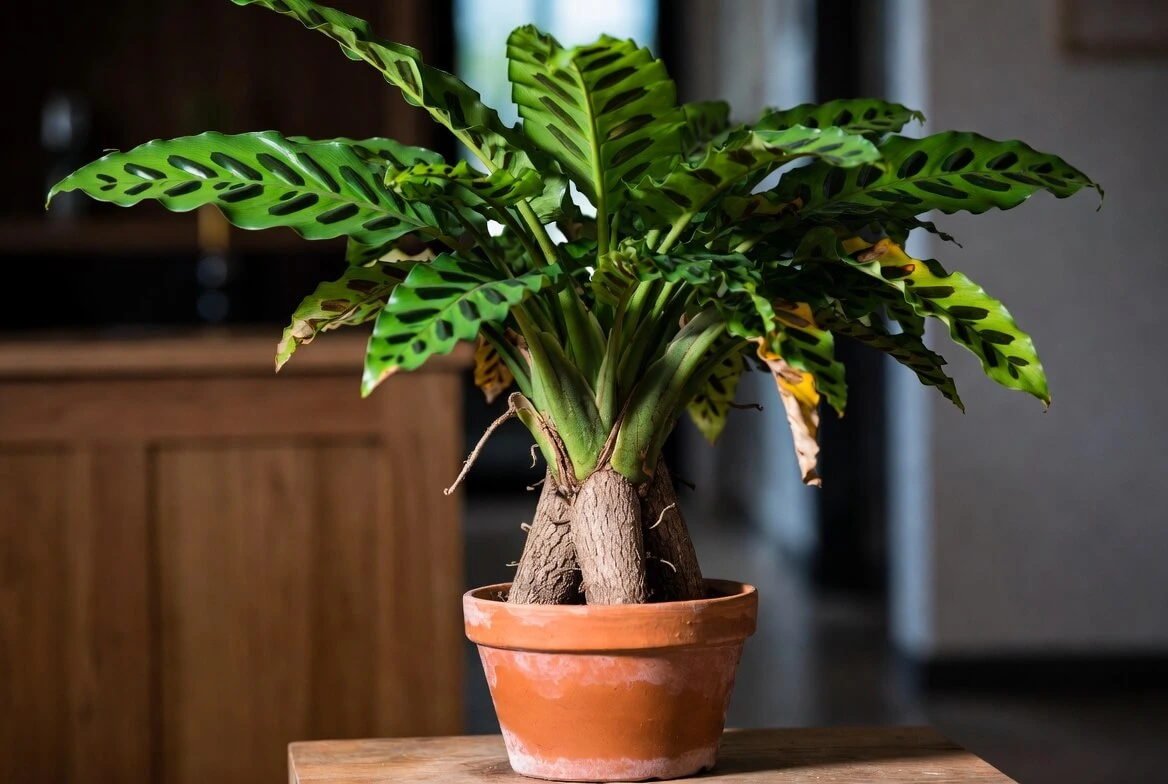
The aralia fabian—also called Shield Aralia or Plum Aralia—is this tropical houseplant from the Pacific Islands with round, glossy leaves that look like dinner plates. That’s literally one of its nicknames: Dinner Plate Aralia.
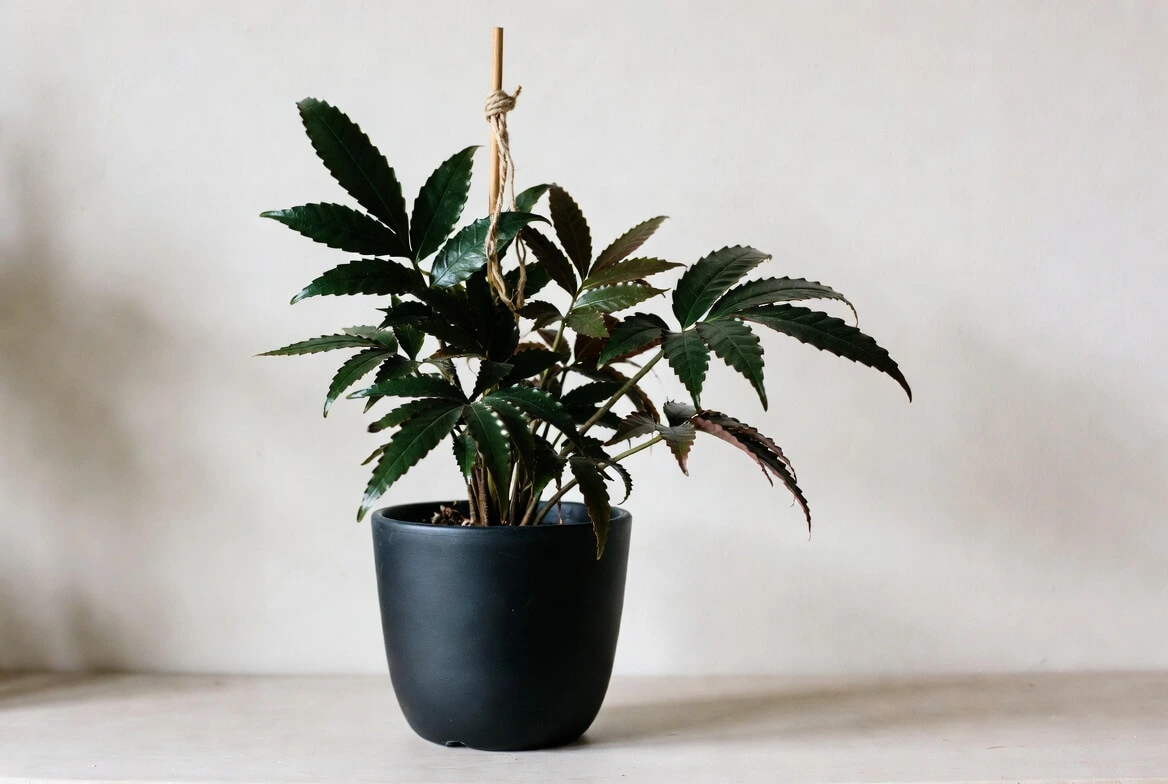
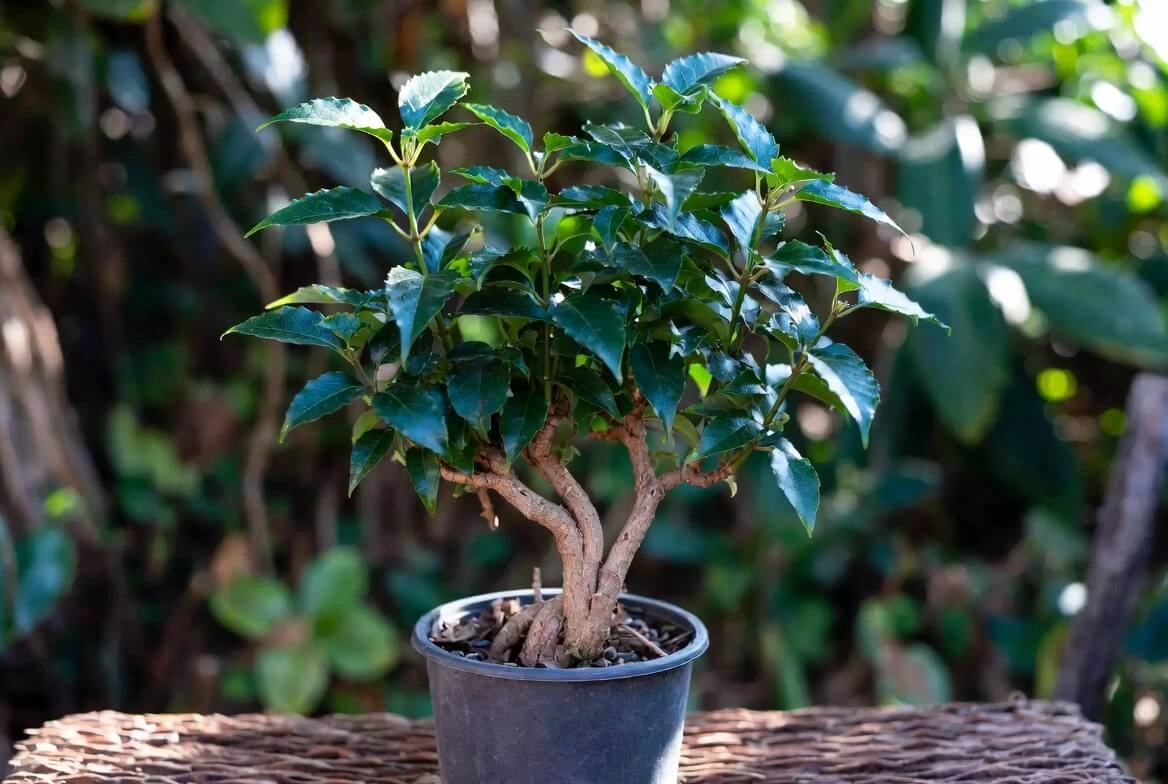
The leaves are dark green on top and this deep purple-maroon underneath. The whole plant grows on a thick, woody trunk that looks like a miniature tree. Mine’s sitting at about 3 feet tall right now, and it genuinely looks like I brought a piece of forest inside.
The scientific name is Polyscias scutellaria, but nobody actually calls it that unless they’re trying to sound smart at the garden center.
The Light Situation That Nobody Explains Right
Here’s where most people mess up their aralia fabian stump. The care tags say “bright indirect light,” which is basically useless advice.
What actually works: Put it near a south or west-facing window, but not directly in the window where harsh afternoon sun hits it. I learned this after watching my plant’s leaf edges turn crispy brown. Direct midday sun scorches these leaves fast.
What bright indirect light actually means:
- Light that’s strong enough to read by comfortably
- No direct sun hitting the leaves during peak hours (11am-3pm)
- A few hours of gentle morning or evening sun is fine
- Not stuck in a dark corner where you need a lamp at noon
My aralia fabian sits about 6 feet from a west-facing window. It gets bright light all day but the direct sun only touches it after 5pm when it’s gentle. Perfect setup.
Can it survive in low light? Sure. Will it look good? No. The growth gets leggy and reaches toward any available light. The leaves stay smaller. It’s technically alive but not thriving.
Watering Without Killing Your Plant
This is where I absolutely destroyed my first aralia fabian. I thought “tropical plant” meant “water constantly.” Wrong.
The aralia fabian needs consistent moisture, but the soil can’t be soggy. It’s like the plant wants to live in a wrung-out sponge, not a swamp.
My current watering schedule:
- Check the top inch of soil with my finger
- If it’s dry, water thoroughly until water drains out the bottom
- Empty the drainage tray after 15 minutes
- Usually works out to once a week in summer
- Every 10-12 days in winter
I use room temperature water. Cold water shocks the roots. I learned this when my plant dropped 15 leaves in two days after I watered it straight from the cold tap.
Signs you’re watering wrong:
- Yellow leaves = too much water
- Dry, crispy edges = too little water
- Leaves dropping rapidly = probably overwatering
- Corky spots on leaves = edema from overwatering
The aralia fabian stump has an extensive root system, so it needs good drainage. If water sits in the bottom of the pot, you’re asking for root rot.
For more details on preventing root problems in tropical houseplants, check out our Plant care guides.
Humidity Is Actually Important Here
Most houseplants can tolerate average home humidity. The aralia fabian tolerates it, but it doesn’t love it. These plants come from humid Pacific Islands. They want that moisture in the air. When I moved mine to a drier room, the leaf edges started browning within a week.
What actually works for humidity:
- Mist the leaves 2-3 times a week with lukewarm water
- Run a humidifier nearby if your house is dry
- Group it with other plants to create a micro-humid environment
- Keep it away from heating vents in winter
I keep a small humidifier running near my plant shelf from November through March. Made a massive difference. The leaves stay glossy instead of looking dull and stressed.
Don’t just mist and forget though. Wipe the leaves down every couple weeks to remove dust. Dust blocks light absorption and creates a perfect hiding spot for pests.
The Soil Mix That Actually Matters
Your aralia fabian needs well-draining soil. Not cactus soil. Not regular potting mix straight from the bag. Something in between.
I mix regular potting soil with perlite and a bit of peat. The ratio I use is roughly 60% potting mix, 30% perlite, 10% peat. This keeps moisture available but doesn’t let water sit around the roots.
The container needs drainage holes. Non-negotiable. I don’t care how pretty that ceramic pot is—if water can’t escape, your plant will die.
Pruning Your Aralia Fabian Stump
The aralia fabian grows fast when it’s happy. Mine put out new leaves like crazy last summer. But that also means it needs trimming to stay compact and bushy.
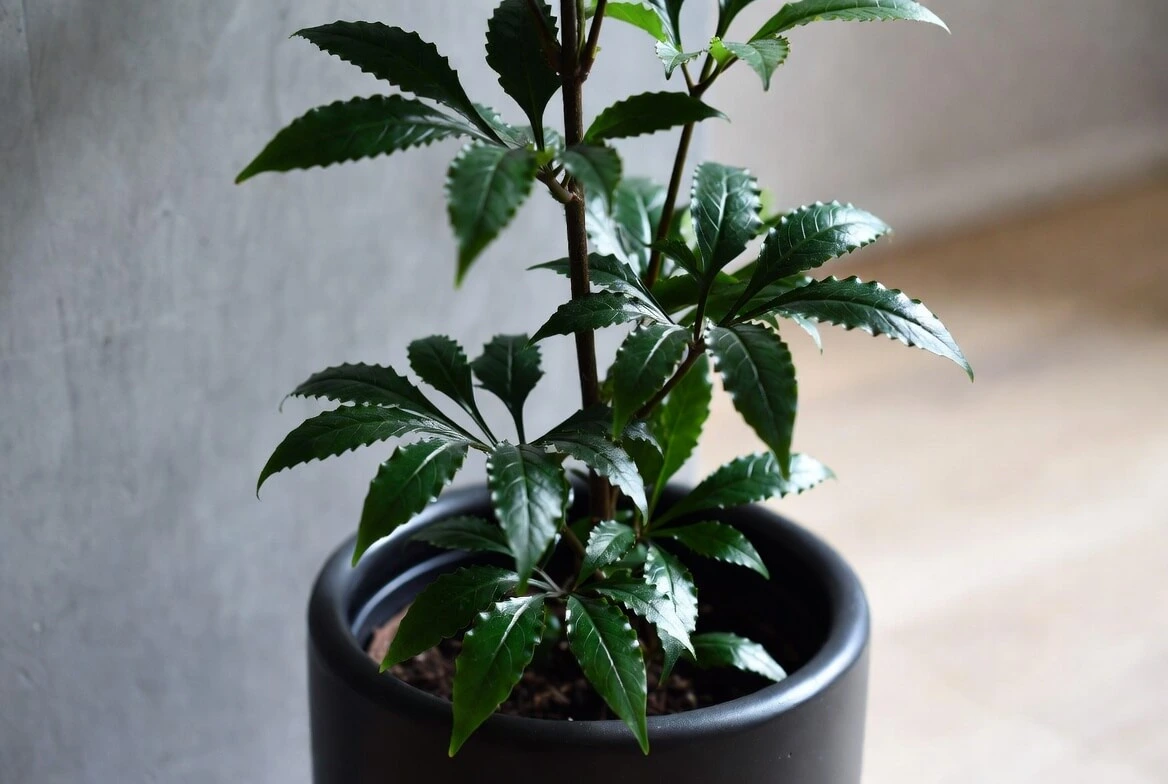
I prune mine in early spring before the growing season kicks in. Just cut back any leggy growth and pinch off the tips to encourage branching.
Pruning tips:
- Use clean, sharp scissors or pruning shears
- Cut just above a leaf node
- Remove any dead or damaged leaves
- Trim suckers growing from the woody trunk
- Don’t be scared—this plant handles pruning well
Pruning actually helps the plant look fuller. Without it, you get this tall, sparse thing that looks half-dead even when it’s healthy.
Temperature and Your Aralia Fabian
Keep temperatures between 62-73°F year-round. This plant hates cold drafts and sudden temperature changes. I learned this when I left mine near a drafty window in December. The leaves started dropping within days. Moved it 3 feet away from the window, and the problem stopped.
Don’t put your aralia fabian near:
- Heating vents
- Air conditioning vents
- Drafty windows in winter
- Exterior doors that open frequently
Basically, find a spot where the temperature stays stable. These plants are from tropical islands—they never experienced seasons, and they don’t want to start now.
Feeding Your Aralia Fabian
Feed your plant once a month during spring and summer with diluted liquid fertilizer. I use half the recommended strength because houseplants don’t need as much food as the bottle suggests.
From October through March, I fertilize once every 6-8 weeks. The plant isn’t actively growing much, so it doesn’t need the extra nutrients. I use a standard houseplant fertilizer—nothing special. The key is consistency, not brand names.
For comprehensive feeding schedules for various tropical plants, our fertilizer timing guide breaks it down month by month.
Common Problems I’ve Actually Dealt With
- Leaves turning yellow: You’re overwatering. Let the soil dry out more between waterings.
- Brown leaf edges: Either too much direct sun or humidity is too low. Move the plant or increase humidity.
- Leaves dropping: Could be several things—overwatering, temperature stress, or the plant adjusting to a new location. Give it time if you just moved it.
- Leggy growth: Not enough light. Move it closer to a window.
- Pests: Check the undersides of leaves regularly. Wipe them down with soapy water if you spot anything.
Is the Aralia Fabian Toxic?
Yes, mildly. The aralia fabian contains compounds that can cause irritation if eaten. Keep it away from pets and kids who like putting things in their mouths.
I’ve never had issues with my cats because they ignore it, but your mileage may vary.
FAQs About Aralia Fabian Care
How fast does an aralia fabian grow?
Moderate to fast when conditions are right. Mine grows maybe 6-8 inches per year with proper light and feeding.
Can I propagate my aralia fabian stump?
Yes, through stem cuttings. Cut a 4-6 inch section, let it dry for a day, then plant in moist soil. Takes about a month to root.
Why are my aralia fabian leaves losing their shine?
Usually dust buildup or low humidity. Wipe the leaves clean and increase humidity around the plant.
Does aralia fabian bloom indoors?
Rarely. These plants almost never flower as houseplants. You’re growing it for the foliage.
How big will my aralia fabian get indoors?
Most top out around 4-5 feet. You can keep it smaller with regular pruning.
The Bottom Line on Aralia Fabian
This plant looks complicated but it’s not. It needs bright indirect light, consistent watering without soggy soil, decent humidity, and stable temperatures. Get those four things right, and your aralia fabian stump will thrive.
The glossy leaves and tree-like trunk make it worth the effort. It’s one of those plants that makes your space look more expensive without actually being difficult once you understand what it wants.
Stop overthinking it. Put it in a bright spot, water when the soil dries out, and mist it a few times a week. That covers 90% of aralia fabian care right there.