
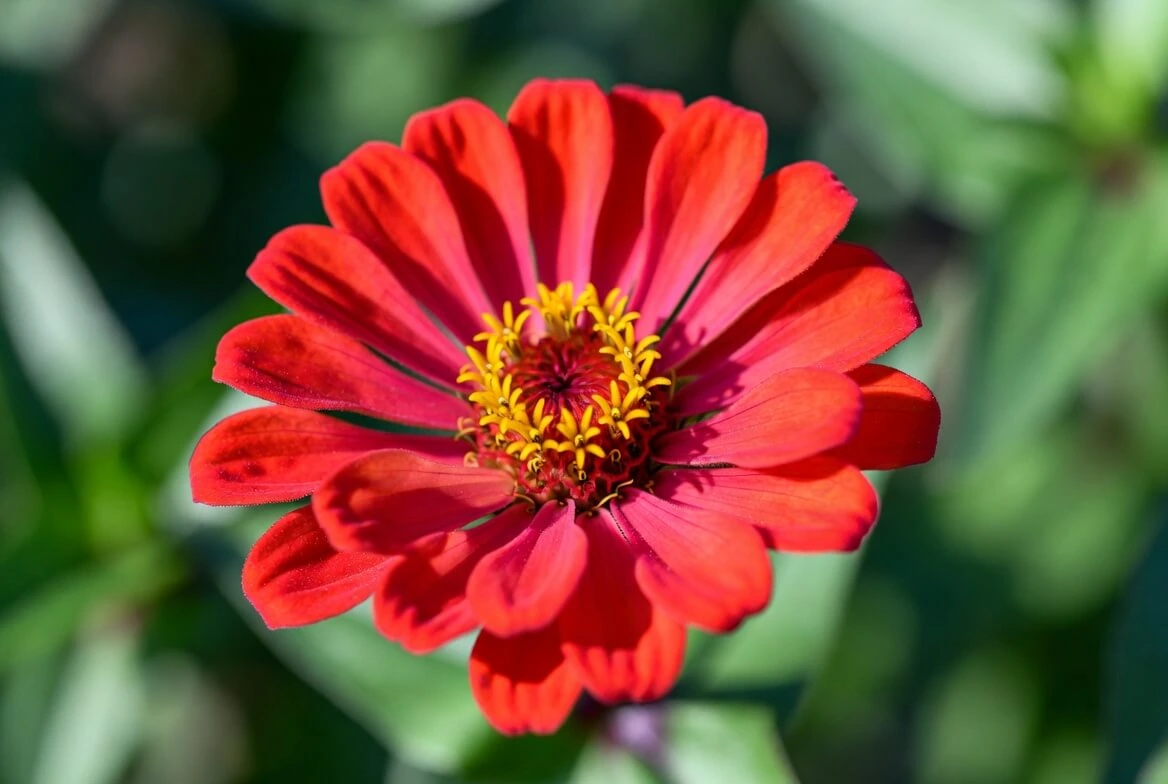
I killed half my garden my first year. Everything except the zinnias. While my tomatoes struggled and my herbs died, the zinnia flowers just kept pumping out blooms like nothing could stop them.
Here’s what I learned: if you want guaranteed color in your garden without the headache, zinnias are your answer.
Why Zinnia Flowers Are Perfect for Beginners
Most zinnia like flowers require perfect conditions. Zinnias don’t care. I planted mine in basic garden soil. I watered them when I remembered. Forgot to fertilize for weeks. They still produced hundreds of blooms from June until the first frost in October.
The zinnia flower advantage:
- Blooms in 60 days from seed
- Survives brutal summer heat
- Handles drought like a champ
- Produces non-stop until frost
- Comes in every color except blue
- Costs pennies compared to buying plants
My neighbor spent $200 on annual flowers from the nursery. I spent $15 on zinnia seeds and had three times the blooms.
At Zoned Garden, we’ve tested dozens of flower varieties, and zinnias consistently outperform everything else for reliability and color output.
How to Grow Zinnia Flowers From Seed
Direct sowing is the easiest method. Wait until after your last frost date, scatter seeds on prepared soil, and watch them grow. My exact process:
Step 1: Pick your spot
- Full sun (6-8 hours minimum)
- Any decent soil with drainage
- Don’t overthink the location
Step 2: Plant the seeds
- Sow seeds 1/4 inch deep
- Space them 6-12 inches apart (depending on variety)
- Or sow thick and thin later
Step 3: Water and wait
- Keep soil moist for first week
- Seedlings pop up in 3-5 days
- Thin to proper spacing once 2 inches tall
That’s it. No special equipment. No grow lights. No complicated process. I direct sowed mine in late May. Had blooms by mid-July. Picked flowers until October.
Starting indoors option: If you want earlier blooms, start seeds indoors 4-6 weeks before last frost. Use peat pots or cell trays. Transplant after frost danger passes.
I tried both methods. Direct sowing worked just as well and saved me three weeks of indoor babysitting.
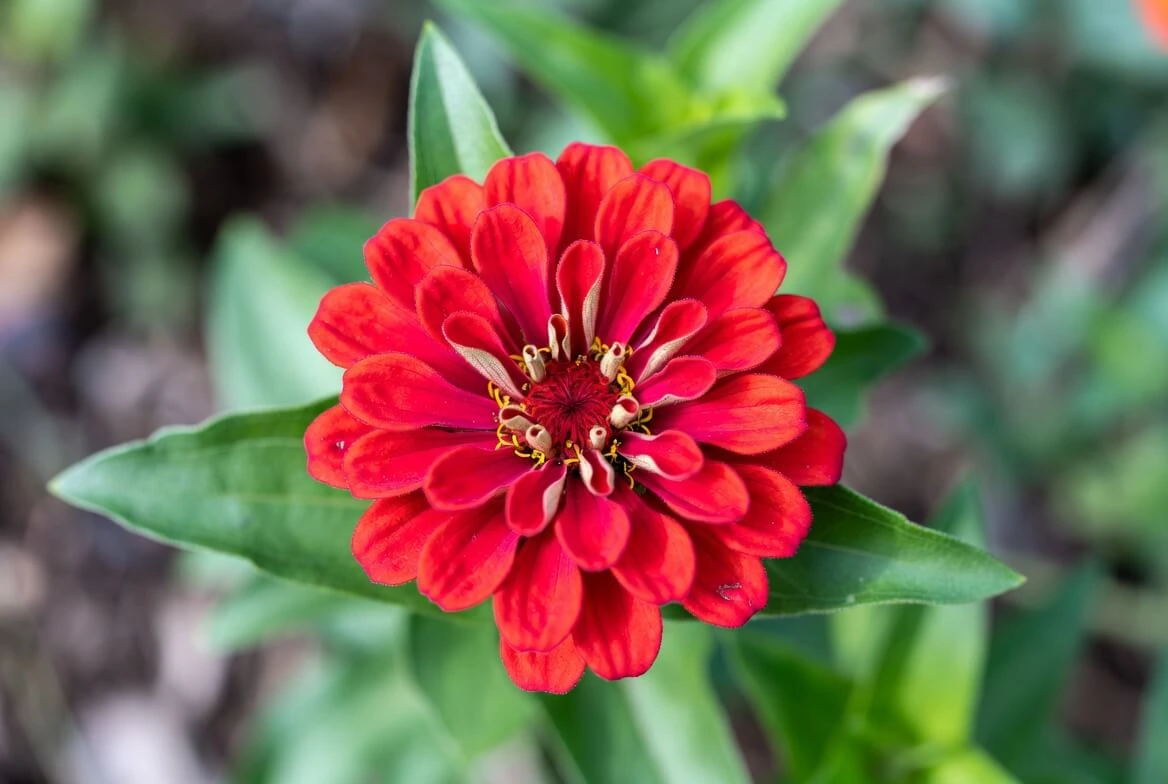
Zinnia Flower Care That Actually Works
Water at the base only. Wet leaves invite powdery mildew. I learned this after my first batch got covered in white fungus.
My current watering routine:
- Deep soak once per week
- More often during extreme heat
- Zero overhead watering
- Let soil dry between waterings
Fertilizer is optional. I add compost when planting. That’s it. The zinnia flowers grow 3+ feet tall with hundreds of blooms. Some people fertilize every two weeks. My plants do fine without it.
Deadheading increases blooms. Cut off spent flowers and the plant produces more. But here’s the secret: the more you cut for bouquets, the more the plant branches and blooms. I stopped deadheading and just cut armfuls for vases. Same result, prettier house.
For more flower growing basics and garden design ideas, check out our comprehensive guides at Zoned Garden.
Best Zinnia Flower Varieties I’ve Grown
Benary’s Giant Series produces massive 4-6 inch blooms on 3-foot stems. Perfect for cutting. I grow Benary’s Giant Wine (deep burgundy) and Salmon Rose (warm pink). Both are stunning in vases and last 7+ days.
Queeny Series offers medium 2-3 inch flowers with unique colors. Queeny Red Lime has dusty red petals fading to lime green centers. Weird but gorgeous.
Oklahoma Series gives you small zinnia flowers 1-2 inch button blooms. Oklahoma Salmon and Oklahoma Ivory work perfectly as filler flowers in mixed bouquets.
Profusion Series is your mildew-resistant option if you live somewhere humid. These plants stay healthy when others get covered in white powder. I grow all four types. Different sizes work for different uses in arrangements.
Zinnia Flower Meaning and Symbolism
Zinnias represent lasting friendship, endurance, and remembrance.
The zinnia flower meaning varies by color:
- Red zinnias: Steady affection and lasting love
- Pink zinnias: Lasting friendship
- Yellow zinnias: Daily remembrance and memories
- White zinnias: Goodness and purity
- Magenta zinnias: Long-lasting affection
Victorian flower language considered zinnias as symbols of thoughts of absent friends. Their long bloom period represented enduring bonds.
I didn’t know any of this when I started growing them. But it makes sense why people love giving zinnia bouquets to friends. The flowers literally last for months, just like real friendships.
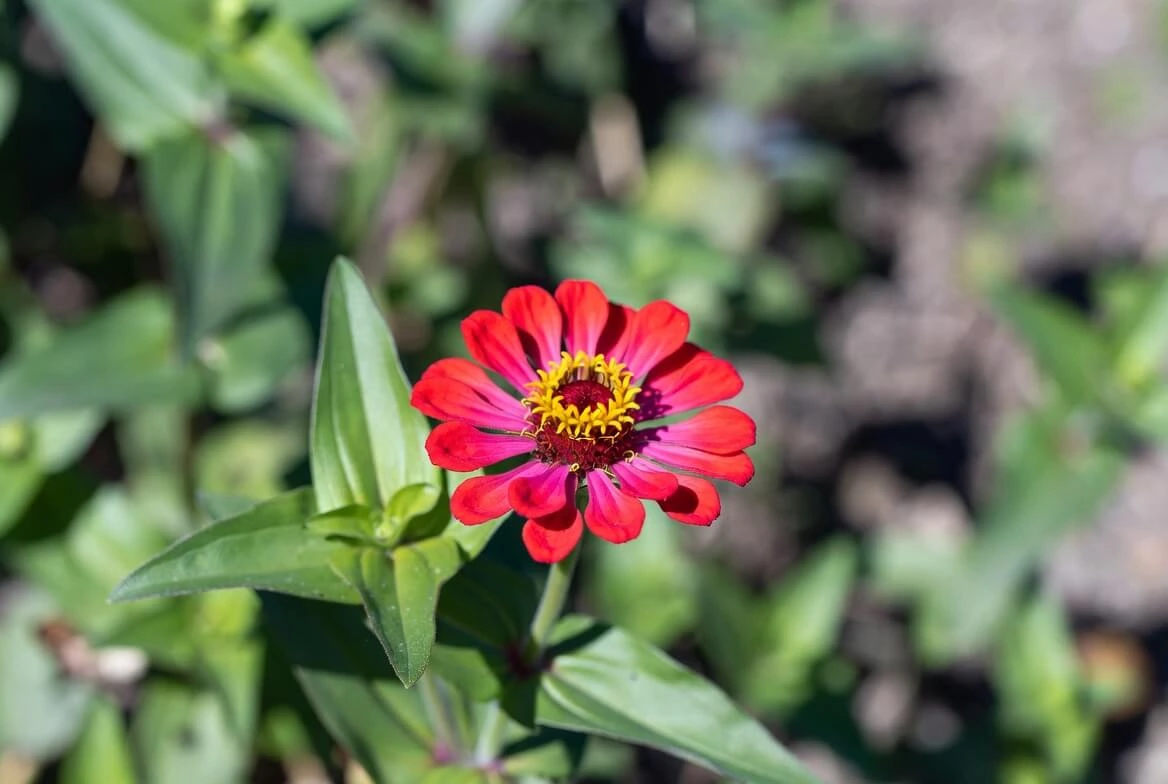
Growing Zinnia Flowers for Cut Bouquets
This is where zinnias shine. They’re the ultimate cut-and-come-again flower.
My cutting strategy:
- Harvest in morning after dew dries
- Cut stems at 45-degree angle
- Choose flowers that pass the “wiggle test”
- Strip lower leaves
- Put in water immediately
The wiggle test: Grab the stem 6-8 inches below the flower. Shake gently. If it stays firm and upright, it’s ready. If it flops, wait a few more days. I ignored this my first season. Cut flowers too early. They wilted within two days. Now I only cut mature blooms. They last 7-10 days in the vase.
Pro tip: The more you cut, the more the plant produces. I cut 20+ stems per week from my patch. The plants responded by doubling their bloom output.
At Zoned Garden, we recommend succession planting – sowing new seeds every 2-3 weeks through June for continuous blooms into fall.
Common Problems With Zinnia Flowers
Powdery mildew is the big one. White powder covering leaves. Looks terrible but doesn’t kill the plant.
My prevention method:
- Water at soil level only
- Space plants for airflow (9-12 inches minimum)
- Grow resistant varieties like Profusion or Zahara
- Accept that wet summers cause mildew
I stopped stressing about mildew. The flowers look perfect even when leaves are covered.
Japanese beetles destroyed my first planting. They skeletonized half the leaves in one week. I handpick them into soapy water every morning now. Takes 5 minutes. Problem solved.
Leggy growth means not enough sun. Zinnias need full sun. Put them in shade and they stretch thin and produce fewer flowers. I moved mine from partial shade to full sun. Night and day difference in plant quality.
For solutions to other common garden problems, visit our plant care troubleshooting guides at Zoned Garden.
Timeline for Zinnia Flower Success
- Week 1: Seeds germinate in 3-5 days under right conditions.
- Week 2-3: Thin seedlings to proper spacing.
- Week 4-6: Plants grow rapidly, reaching 12+ inches.
- Week 8-9: First blooms appear (60 days from seed).
- Week 10-frost: Continuous blooming for 3-4 months straight.
My patch bloomed from mid-July through late October. That’s 15+ weeks of non-stop flowers from a $4 seed packet.
Why I Grow Zinnia Flowers Every Year
They work. That’s the bottom line. I’ve tried dozens of annual flowers. Most require constant attention, specific conditions, or die halfway through summer. Zinnias just grow. Through heat waves. Through drought. Through my neglect when I travel for work.
The return on investment is insane. $15 in seeds produces hundreds of cut flowers worth $5-10 each at the florist. Plus butterflies and hummingbirds love them. My garden went from empty to full of pollinators once the zinnia flowers started blooming.
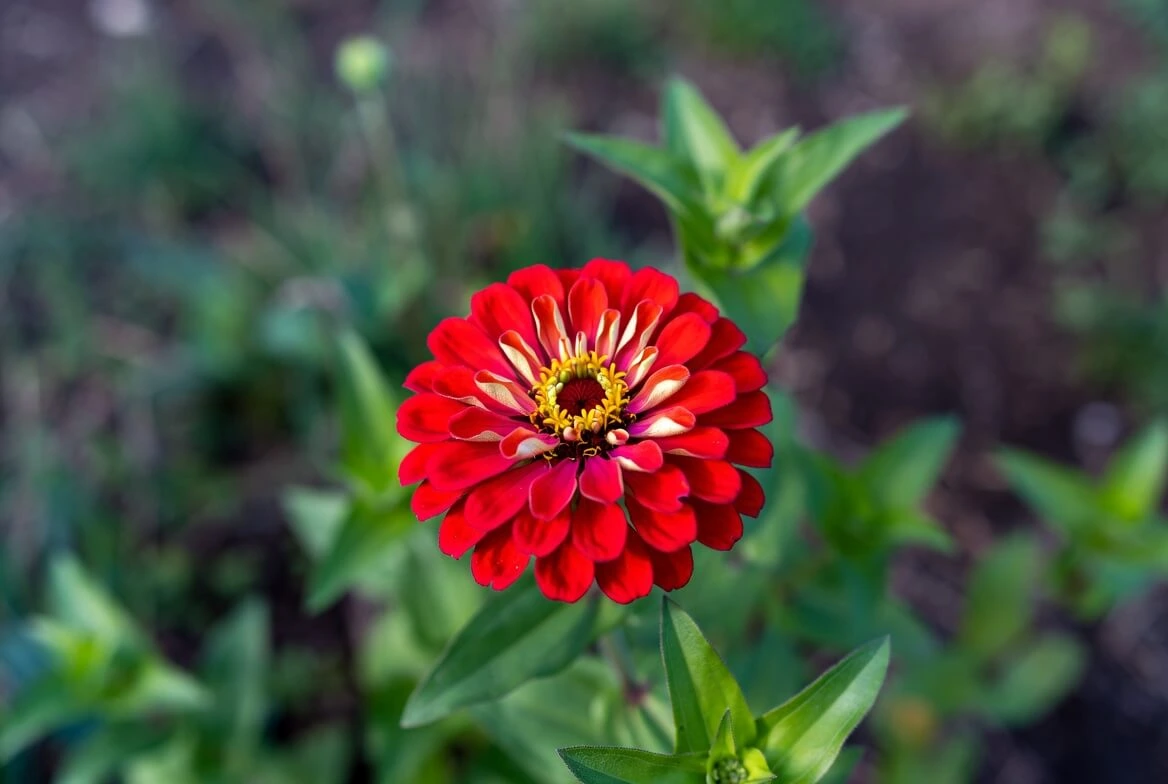
Zinnia Flower FAQs
Are zinnia flowers easy to grow?
Yes. Zinnias are one of the easiest flowers for beginners. They germinate quickly, tolerate heat and drought, and produce blooms with minimal care.
What does the zinnia flower mean?
Zinnia flower meaning includes lasting friendship, endurance, and remembrance. Different colors symbolize different meanings – red for lasting love, pink for friendship, yellow for memories.
How long do zinnia flowers bloom?
Zinnias bloom continuously from 60 days after planting until the first hard frost. In most climates, that’s 3-4 months of non-stop flowers.
Do zinnias bloom all summer?
Yes—zinnias bloom nonstop from early summer until the first frost.
Do zinnia flowers come back every year?
No. Zinnias are true annuals and die after frost. However, they readily self-seed, so you may get volunteer plants the following year from dropped seeds.
How tall do zinnia flowers grow?
Depends on variety. Dwarf types stay 6-12 inches tall. Standard varieties reach 2-3 feet. Giant varieties can hit 4 feet with proper care.
Can you grow zinnia flowers in pots?
Yes. Dwarf and medium varieties work great in containers. Use well-draining soil and ensure pots get 6+ hours of full sun daily.
When do zinnia flowers bloom?
The Real Secret to Zinnia Flower Success
Stop overthinking it. Pick a sunny spot. Scatter seeds. Water occasionally. Cut flowers when ready. That’s 95% of success right there.
I wasted hours researching “optimal soil pH” and “perfect fertilizer ratios” my first year. None of it mattered. The zinnias that got basic care outperformed the ones I fussed over. Zinnia flowers don’t need you to be perfect. They just need sun, decent drainage, and an occasional drink of water.
At Zoned Garden, we believe in growing methods that actually work for real gardeners with real lives. Zinnias fit that philosophy perfectly – maximum results with minimum hassle.
For more easy-growing flower options and seasonal planting guides, explore our full collection of gardening resources.