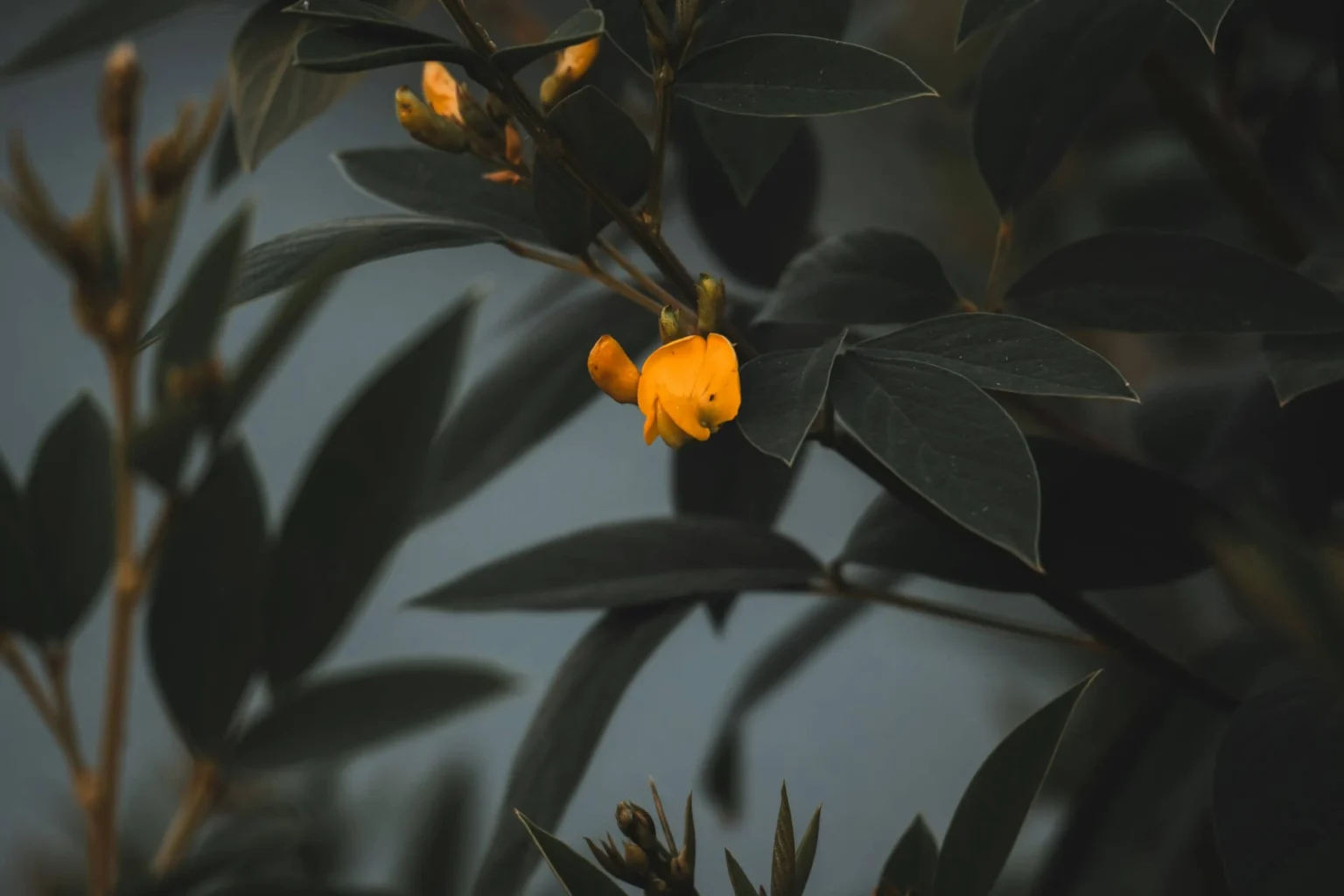
I bought my black goldfish plant thinking it would bloom immediately. The nursery had it covered in those quirky orange flowers that look like tiny fish. Two years later? Nothing but leaves. I felt like a failure. Every time I scrolled through plant groups, someone was showing off their blooming black goldfish plant while mine just sat there, green and boring.
Then I cracked the code. Now she blooms nonstop, and I’m sharing everything that actually worked. Here at Zoned Garden, we help plant parents avoid the mistakes that cost me two years of waiting.
What Makes Black Goldfish Plant Special
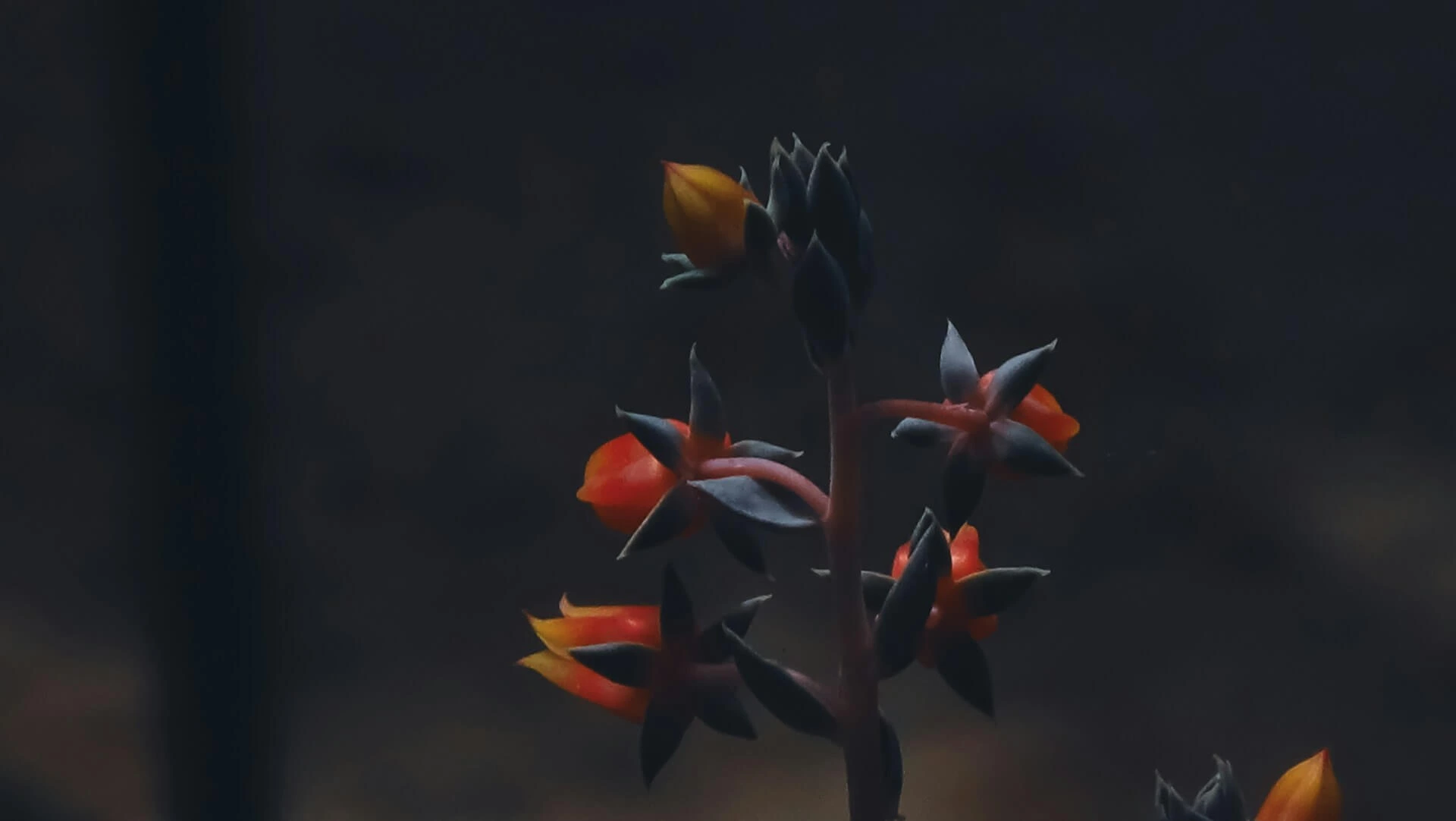
The black goldfish plant (Nematanthus ‘Black Gold’) stands out from other goldfish plant varieties because of its dark, glossy foliage. The leaves have this gorgeous red-burgundy hue that makes the orange-yellow flowers pop even more.
Most people don’t realize there are multiple goldfish plant varieties. Each one has slightly different care needs and flower colors.
The Black Gold cultivar is part of the Nematanthus genus. It’s closely related to African violets, which explains why it can be a bit fussy about water and light.
Why Your Black Goldfish Plant Isn’t Blooming
I spent months troubleshooting this exact problem. Here’s what I learned the hard way.
Light is the biggest issue. My black goldfish plant sat in a north-facing window for a year. Zero blooms. I moved her to an east-facing window with bright, indirect light. Three weeks later, buds appeared.
These plants need 10+ hours of light daily during the growing season. Not just any light—bright, filtered light that mimics their natural tropical habitat.
Temperature fluctuations killed my first blooming attempt. I had my plant near a drafty window during winter. The cold air at night stressed her out completely. Keep temperatures between 65-75°F consistently. No exceptions.
Underwatering was my second mistake. I treated my black goldfish plant like a succulent because someone told me the soil should dry out completely. Wrong.
These plants like consistently moist (not soggy) soil during the growing season. I water mine when the top inch feels dry to the touch.
Black Goldfish Plant Care That Actually Works
Here’s my exact routine that finally bloomed after two years of failure.
Watering schedule:
- Spring/summer: Once weekly, sometimes twice if it’s hot
- Fall/winter: Every 9-12 days
- Always use room temperature water
- Empty drainage trays after 15 minutes
I killed my first black goldfish plant with cold water straight from the tap. The shock damaged the roots and caused massive leaf drop. Now I fill a watering can the night before and let it sit. Room temperature water makes a huge difference.
The soil mix matters more than you think. I use a succulent or cactus mix because it drains fast. Regular potting soil holds too much moisture and causes root rot.
My black goldfish plant sits in a mix of:
- 50% cactus mix
- 30% perlite
- 20% orchid bark
This combo gives the roots air and prevents that soggy soil situation that leads to problems.
Light Requirements for Maximum Blooms
This is where I see most people mess up at ZonedGarden.com when they ask for help.
Place your black goldfish plant 3 feet or less from an east-facing window. South-facing works too if you filter the light with a sheer curtain.
Direct sunlight burns the leaves. I learned this when I first brought mine home. Half the leaves developed brown, crispy edges within a week.
Signs your plant needs more light:
- Leggy, stretched-out stems
- Small, pale leaves
- Zero flower buds
- Sparse foliage
If you don’t have good natural light, grow lights work great. I run mine for 12 hours daily during winter when natural light is weak. The investment paid off. My plant bloomed through December and January, which rarely happens naturally.
Goldfish Plant Propagation Success
I’ve propagated my black goldfish plant four times now using goldfish plant propagation techniques. It’s easier than people make it sound.
Take stem cuttings in spring when the plant is actively growing. Choose stems without flower buds—you want the plant’s energy going into root development, not flowering.
My propagation process:
- Cut 3-inch stems just below a leaf node
- Remove bottom leaves
- Dip in rooting hormone (optional but helpful)
- Place in clean water in a bright spot
Roots appear in 2-3 weeks if conditions are right. I’ve had cuttings rot when I used water that wasn’t fresh or placed them in low light.
Once roots are 2 inches long, pot them in a succulent mix. Water sparingly until you see new growth, then treat them like mature plants. New cuttings won’t bloom until the following summer. Patience is key with goldfish plant propagation.
Finding Goldfish Plant for Sale
When I started looking for a goldfish plant for sale, I had no idea there were so many varieties. Most big box stores only carry the basic orange-flowered types.
I found my black goldfish plant at a local nursery that specializes in tropicals. Online shops have better variety if you’re willing to pay shipping.
What to look for when buying:
- Healthy, glossy leaves without brown spots
- No signs of pests on leaf undersides
- Multiple stems (bushy growth)
- Roots not poking through drainage holes
- Flower buds or recent blooms
I made the mistake of buying a rootbound plant once. It never recovered properly despite repotting. Now I always check the bottom of the pot before purchasing.
Price varies wildly. I’ve seen goldfish plant for sale anywhere from $15 for small starter plants to $60 for mature, blooming specimens in hanging baskets.
Humidity and Temperature Control
My black goldfish plant hated my dry apartment initially. I saw constant leaf drop and brown edges until I figured out the humidity issue.
These tropical plants want 50-60% humidity minimum. I keep mine in the bathroom where humidity stays naturally higher from showers.
You can also:
- Use a humidifier nearby
- Place the pot on a pebble tray with water
- Group plants together to create a microclimate
- Mist daily with room temperature water
Never mist with cold water. It causes ugly water spots and can lead to fungal issues on the foliage.
Temperature consistency matters as much as the actual temperature. My plant sits away from heating vents, AC units, and drafty windows now.
Check out our guide on tropical plant care at Zoned Garden for more humidity tips that work across multiple plant types.
Fertilizing for Constant Blooms
I see people either over-fertilize or skip it completely. Both approaches fail. Feed your black goldfish plant weekly during spring and summer with diluted liquid fertilizer. I use half the recommended strength to avoid burning roots.
My fertilizing routine:
- Balanced liquid fertilizer (10-10-10 or 20-20-20)
- Diluted to half strength
- Applied weekly from March through September
- Zero fertilizer from October through February
Controlled-release pellets work too if you prefer low-maintenance feeding. I switched to these last year and saw no difference in bloom production.
The key is consistency during the growing season. Skip even one month and bloom production drops noticeably.
Similar to how we recommend feeding your Alocasia Ivory Coast, goldfish plants need regular nutrients to perform their best.
Common Problems I’ve Solved
Leggy growth stressed me out initially. My black goldfish plant developed long, sparse stems with few leaves.
This happens from either too much humidity or overwatering. I cut back the watering frequency and moved the plant to a less humid spot. Problem solved in three weeks.
Brown leaves usually mean one of three things: too much direct sun, water on the foliage, or high temperatures above 80°F.
I eliminated all three issues by adjusting placement and watering technique. Now I only water the soil, never the leaves.
Spider mites attacked once. I caught them early by checking leaf undersides weekly. Neem oil and insecticidal soap cleared them up fast.
The plant is non-toxic to pets and kids, which is awesome. My cat still tries to chew it occasionally, so I keep it in a hanging basket out of reach.
For more pest control strategies, check our houseplant care guides at Zoned Garden.
FAQs About Black Goldfish Plant
How often should I water my black goldfish plant?
Water when the top inch of soil feels dry—typically once weekly in summer and every 9-12 days in winter. Always use room temperature water.
Why won’t my black goldfish plant bloom?
Insufficient light is the main cause. These plants need bright, indirect light for 10+ hours daily. Low humidity, inconsistent watering, and lack of fertilizer also prevent blooming.
Can I grow black goldfish plant in hanging baskets?
Yes! These plants have a natural vining habit and look stunning in hanging baskets where stems can cascade down. This also protects them from pets.
How do I propagate black goldfish plant?
Take 3-inch stem cuttings without flower buds, place them in water until roots develop (2-3 weeks), then pot in well-draining soil.
Is black goldfish plant toxic to pets?
No, goldfish plants are non-toxic and safe for cats, dogs, and children. However, keep them out of reach to prevent damage to the plant.
Wrapping This Up
My black goldfish plant journey taught me that these plants reward attention to detail. You can’t just water randomly and expect results. The waiting period was frustrating, but figuring out the right combination of light, water, and feeding made it worth it. Now I have blooms year-round, which seemed impossible two years ago.
Focus on bright indirect light, consistent moisture without overwatering, and regular feeding during the growing season. Those three factors make the biggest difference. At Zoned Garden, we’ve seen hundreds of plant parents turn their non-blooming goldfish plants into flowering machines using these exact techniques. Whether you found your plant through a local goldfish plant for sale listing or received it as a gift, the same principles apply across all goldfish plant varieties.