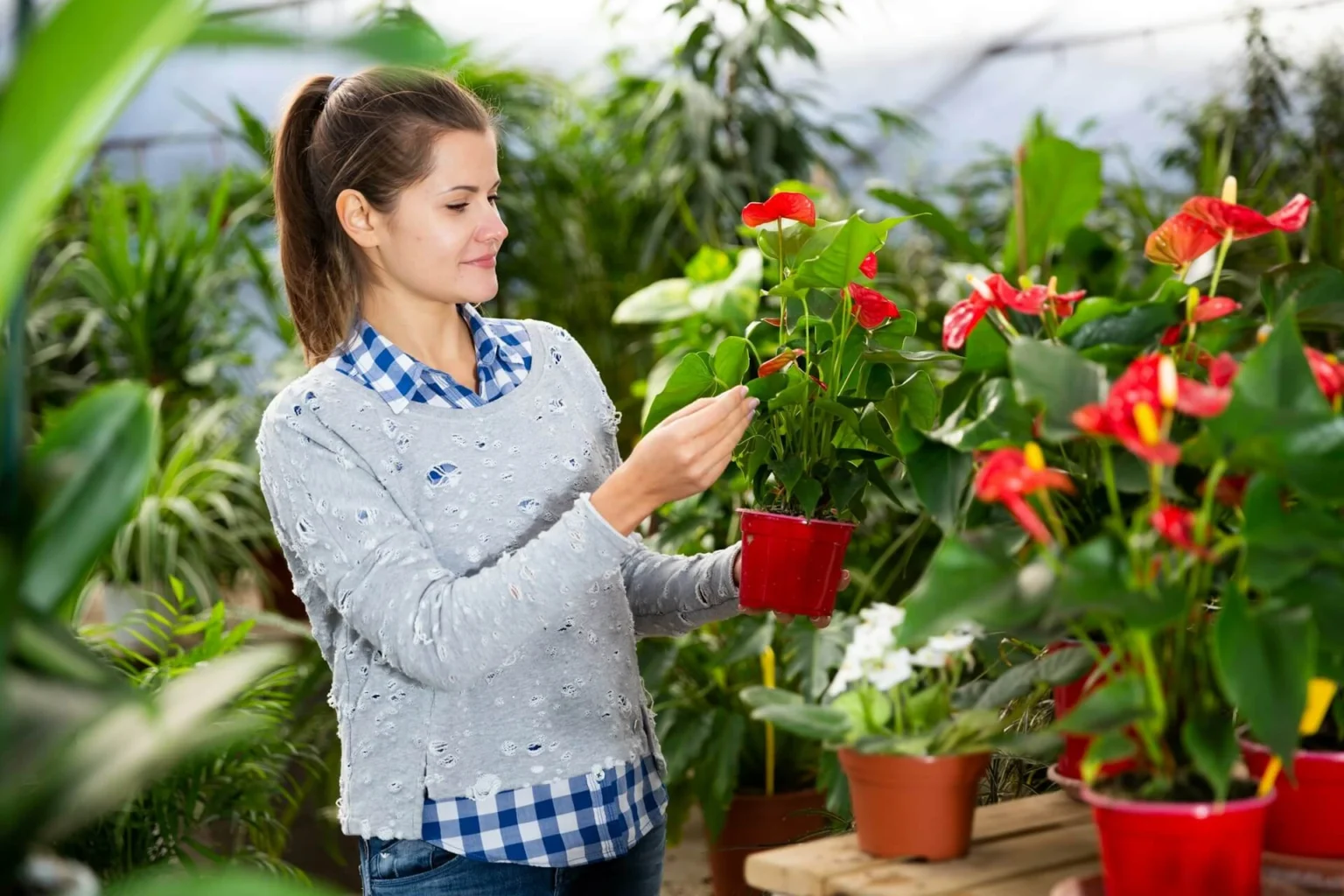
I spent $85 on what the nursery called an anthurium hookeri. Brought it home feeling like I’d scored a rare find. Three months later, I’m comparing photos online and nothing matches. The berries are red instead of white. The leaves look completely different.
Turns out I got scammed. Sort of.
The plant world has a dirty secret about anthurium hookeri that nobody talks about until after you’ve already bought one. Most plants labeled as hookeri are actually hybrids or completely different species altogether. Here at Zoned Garden, we help plant collectors avoid these expensive mistakes. I’m sharing everything I learned so you don’t waste money like I did on mislabeled plants.
What Actually Makes Anthurium Hookeri Real
The anthurium hookeri has specific traits that separate it from similar bird’s nest anthuriums. When you know what to look for, identification becomes straightforward.
True hookeri characteristics:
- White berries (not red)
- Small glandular spots underneath leaves
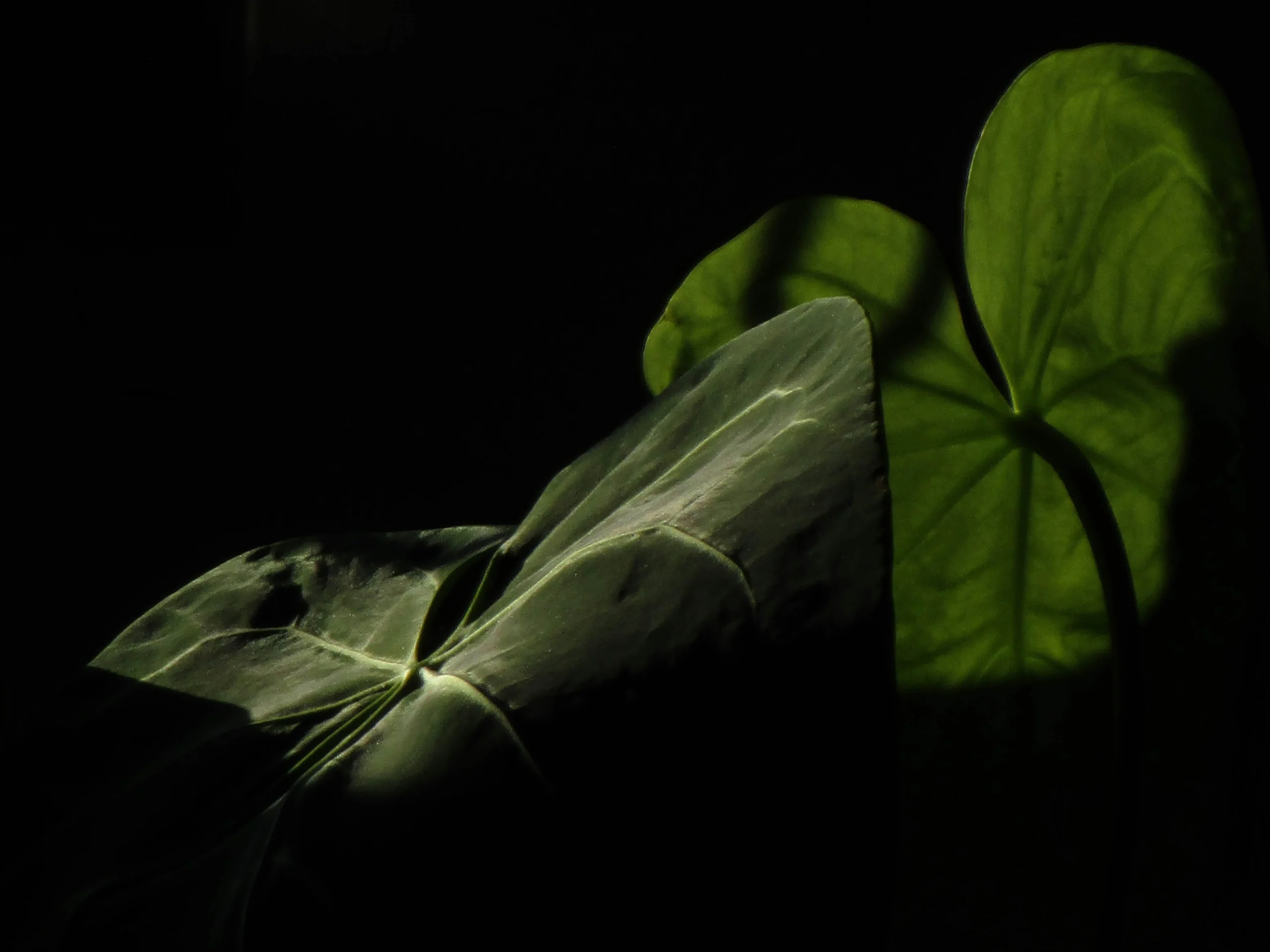
- Smooth leaf edges without ruffles
- Young leaves that roll with overlapping edges
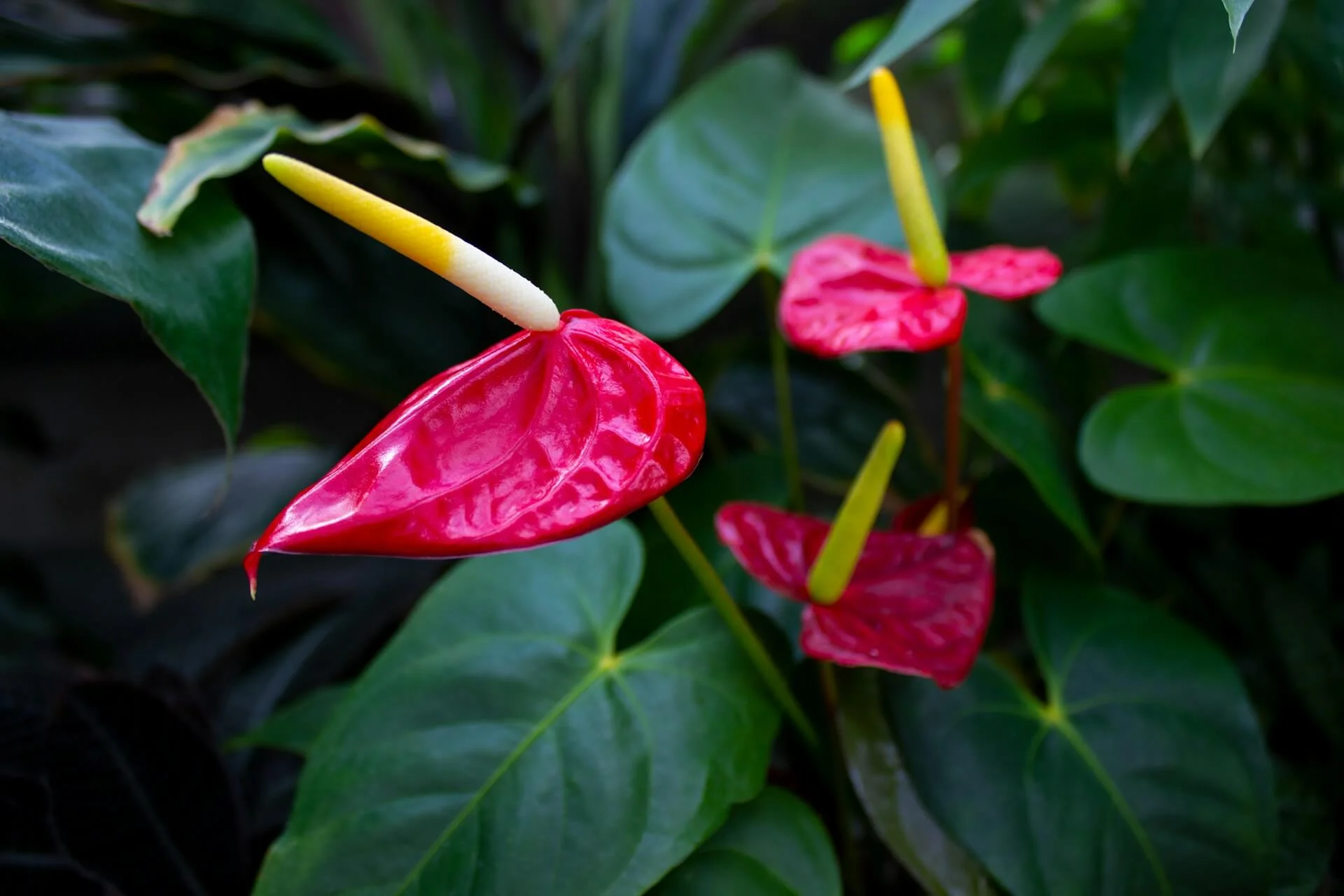
My plant had bright red berries. Dead giveaway it wasn’t true anthurium hookeri.
Most nurseries slap the hookeri label on any bird’s nest anthurium they get. They either don’t know the difference or don’t care enough to learn it.
The leaves on authentic hookeri can reach 3 feet long. They’re broadest near the tip, which gives them a distinctive paddle shape that’s hard to mistake once you’ve seen it.
This species belongs to the Porphyrochitonium section. Most other bird’s nest types fall under Pachyneurium. That’s a technical detail, but it matters for proper identification.
Similar confusion happens with anthurium superbum and anthurium plowmanii. These three species get mixed up constantly in the trade because they all have that bird’s nest growth pattern.
My Anthurium Hookeri Care Routine
I’ve grown my hybrid anthurium hookeri for two years now. It’s massive, healthy, and puts out new leaves monthly with this exact routine.
Light placement changed everything. I initially had mine in a north-facing window. Growth was slow and leaves stayed small.
I moved it 3 feet from an east-facing window. New leaves doubled in size within two months. These plants need 6-8 hours of bright, indirect light daily. Direct sun scorches the leaves fast. I learned that half my plant turned crispy brown in a week.
Watering frequency matters less than technique. I check soil moisture every 3-4 days by sticking my finger in about 2 inches deep. Moist? I leave it alone. Dry? Time to water thoroughly.
During summer, I water weekly. Winter drops to every 10-12 days because growth slows and the plant uses less water.
I always water until it drains from the bottom. Then I wait 15 minutes and water again. This ensures the entire root ball gets saturated without leaving the plant sitting in water.
Root rot killed my first anthurium hookeri attempt. The soil stayed too wet for too long, and the roots turned to mush. Now I’m paranoid about drainage.
The Soil Mix That Finally Worked
Regular potting soil is garbage for anthurium hookeri. It compacts too easily and holds water too long. I use a custom mix now:
- 50% orchid bark
- 30% perlite
- 20% coconut coir
This combo drains fast but holds enough moisture to keep roots happy. The chunky pieces give roots something to grab onto since these are epiphytic plants in nature.
They grow on trees in Panama’s tropical forests. They don’t naturally grow in soil at all. Adding pine bark creates slight acidity that anthuriums love. The same principle applies to Monsteras if you’re growing those too.
At Zoned Garden, we recommend this same chunky mix for most aroids. It works across the board for plants that hate wet feet.
The first time I repotted using this mix, I saw new root growth within two weeks. The difference was dramatic compared to regular potting soil.
Temperature and Humidity Requirements
My apartment sits at 72°F year-round. Perfect for anthurium hookeri since they want 70-90°F consistently.
Anything below 55°F damages these tropical plants. I learned this when cold air from a drafty window caused leaf drop in winter.
Now I keep mine away from windows during cold months and away from AC vents in summer.
Humidity stressed me out initially. These plants want 60-70% humidity, and my apartment hovers around 35-40% naturally. I tried misting daily. Waste of time. The humidity spike lasts maybe 20 minutes.
A humidifier near the plant solved everything. I run it 8 hours daily and maintain a steady 55-60% humidity now.
Grouping plants together helps too. They create their own microclimate through transpiration. My anthurium hookerisits with five other tropicals, and they all benefit.
Check our tropical plant care guide at Zoned Garden for more humidity strategies that work across multiple species.
Fertilizing for Maximum Growth
I feed my anthurium hookeri monthly during spring and summer. Winter gets zero fertilizer since growth basically stops.
NPK 20-20-20 works great. I dilute to half strength to avoid burning roots. The 10-10-10 ratio performs equally well. Either one gives you balanced nutrition for strong leaf growth.
Key fertilizing rules:
- Only feed when soil is moist
- Never fertilize dry soil (burns roots instantly)
- Skip fertilizer completely in winter
- Use half the recommended strength always
I killed growth on one side of my plant by over-fertilizing once. Brown, crispy leaf edges appeared within days. It took three months of normal feeding to recover.
High phosphate content keeps leaves lush and vibrant. That’s why balanced fertilizers work better than high-nitrogen options for anthurium hookeri.
Spotting Problems Early
Yellow leaves freaked me out at first. Now I know they usually mean overwatering or cold exposure.
My plant dropped three leaves when I first moved it to a new spot. Totally normal stress response. New growth appeared within weeks.
Common issues to watch:
- Droopy leaves signal either thirst or temperature problems
- Brown spots indicate fungal disease or sunburn
- Mushy roots mean root rot from overwatering
- Wrinkly leaves point to low humidity or inconsistent watering
Spider mites attacked once. I caught them early by checking leaf undersides weekly during my watering routine.
Strong water pressure in the shower knocked most off. Neem oil finished the job. Aphids and mealybugs hit other people’s plants constantly. I’ve been lucky so far, but I check religiously because these pests love anthuriums.
For comprehensive pest management, explore our houseplant pest control guides at ZonedGarden.com where we cover treatment for all common invaders.
Comparing Bird’s Nest Anthurium Types
When discussing anthurium hookeri alongside anthurium superbum, the main difference is leaf texture. Superbum has more prominent veining and slightly thicker leaves.
Anthurium plowmanii gets confused with hookeri constantly because both have that bird’s nest growth. Plowmanii typically has more ruffled leaf edges though.
The variegated versions like anthurium hookeri variegated are even rarer than the standard green form. I’ve never seen one in person, only in collector photos online.
All bird’s nest anthuriums need similar care. Bright indirect light, chunky well-draining soil, consistent moisture, and high humidity.
The main difference comes down to size. Some stay compact while hookeri can get absolutely massive if given proper conditions.
I’ve seen mature specimens with 4-foot leaves in botanical gardens. Mine tops out at about 2 feet so far, but it’s still young.
Propagation and Repotting
I’ve successfully propagated my anthurium hookeri twice using stem cuttings. It’s simpler than people make it sound.
Cut healthy stems with 2-3 nodes. Dip in rooting hormone if you have it (optional but helpful). Place in sphagnum moss or water until roots develop.
Roots appear in 3-4 weeks typically. Once they’re 2 inches long, pot them up in your chunky soil mix.
Repotting happens every 2-3 years. These plants like feeling slightly root-bound. Don’t rush to a bigger pot just because the leaves are large.
Check the actual root ball. If roots are circling the bottom or poking through drainage holes, it’s time.
I repot in spring when active growth starts. Choose a pot only 2 inches larger than the current one.
Press soil firmly to eliminate air pockets. Water thoroughly after repotting and expect the plant to sulk for a week or two before resuming normal growth.
Similar to our Alocasia Ivory Coast repotting advice, go slow and gentle with the roots during this process.
FAQs About Anthurium Hookeri
How do I know if my anthurium hookeri is real?
Check for white berries, smooth leaf edges, glandular spots under leaves, and rolled young leaves. Red berries indicate a hybrid or different species.
How often should I water anthurium hookeri?
Water when the top 2 inches of soil feel dry—typically weekly in summer and every 10-12 days in winter. Always water thoroughly until it drains.
Why won’t my anthurium hookeri grow new leaves?
Insufficient light is the main cause. These plants need 6-8 hours of bright, indirect light daily. Low humidity and lack of fertilizer also slow growth.
Can anthurium hookeri tolerate low light?
No. These plants need bright indirect light to thrive. Low light causes slow growth, small leaves, and leggy appearance.
Is anthurium hookeri toxic to pets?
Yes, all anthurium species are toxic to cats, dogs, and humans if ingested. Keep them away from pets and children.
Wrapping This Up
My anthurium hookeri journey taught me that plant labels lie constantly. Most people own hybrids thinking they have rare species, and honestly, it doesn’t matter much if the plant is healthy and beautiful.
Focus on proper care rather than stressing over exact identification. Bright indirect light, chunky well-draining soil, consistent watering, and high humidity create success with any bird’s nest anthurium type.
The mislabeling issue frustrates collectors, but it’s reality in the plant trade. Nurseries often don’t know what they’re selling, and hybrids get passed around under species names for years. At Zoned Garden, we emphasize care over perfect identification because a thriving plant matters more than a perfect label. Whether you have true hookeri or a hybrid, these care techniques work.