Look, I’m not going to waste your time. If you’re here, you probably stumbled across lagerstroemia floribunda while researching flowering trees. Maybe you saw one at a botanical garden. Maybe a neighbor has one and you’re curious.
Either way, you want to know if it’s worth planting. And I’m going to tell you exactly what you need to know.
What Actually Is Lagerstroemia Floribunda?
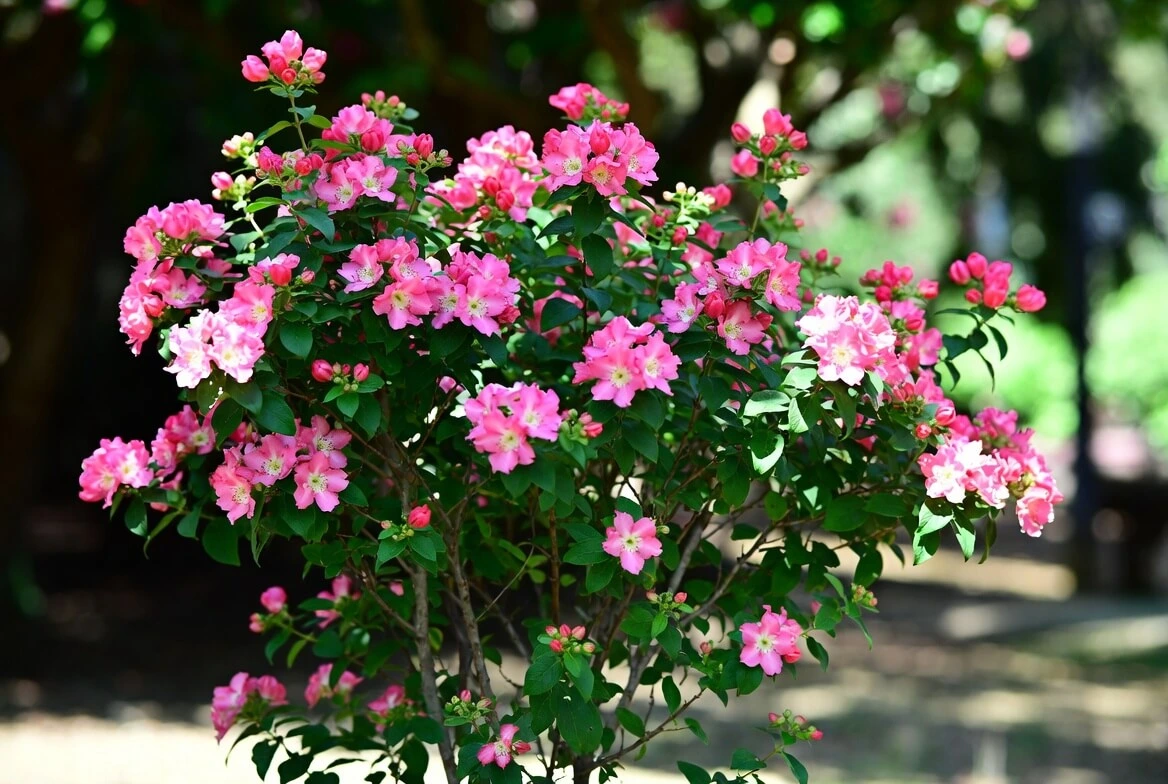
Lagerstroemia floribunda is basically the overachiever of the crepe myrtle family. It’s a tropical flowering tree native to Southeast Asia. Big, showy white flowers. Smooth bark that peels like a sunburn. And it grows fast without being a maintenance nightmare.
The tree can hit 30-40 feet if you let it. But here’s the thing—it’s not just pretty. It’s tough. Heat doesn’t bother it. Humidity? No problem. This is why you see lagerstroemia floribunda thriving in Florida, Southern California, and Texas.
Related species like lagerstroemia loudonii and lagerstroemia calyculata share similar traits but differ in flower color and growth habits. Loudonii leans purple. Calyculata stays smaller.
Why I Actually Care About This Tree
I planted my first lagerstroemia floribunda three years ago. No gardening background. No fancy soil prep. Just dug a hole, dropped it in, watered it twice a week for a month.
Today? It’s taller than my garage and blooms like clockwork every summer. Neighbors stop and ask what it is. That’s when I realized—most people have no idea this tree exists.
And that’s a shame because it solves problems other trees create.
The Real Benefits Nobody Talks About
Everyone mentions the flowers. Yeah, they’re gorgeous. But that’s surface-level stuff.
Here’s what actually matters:
- Low maintenance: Once established, lagerstroemia floribunda barely needs watering
- Pest resistance: Aphids and powdery mildew rarely touch it compared to standard crepe myrtles
- Fast growth: You’ll see noticeable height every year without it becoming invasive
- Shade provider: Wide canopy means real shade, not that dappled nonsense
I’ve also noticed it attracts pollinators like crazy. Bees, butterflies, even hummingbirds during peak bloom. If you’re trying to support local wildlife, this tree does the heavy lifting.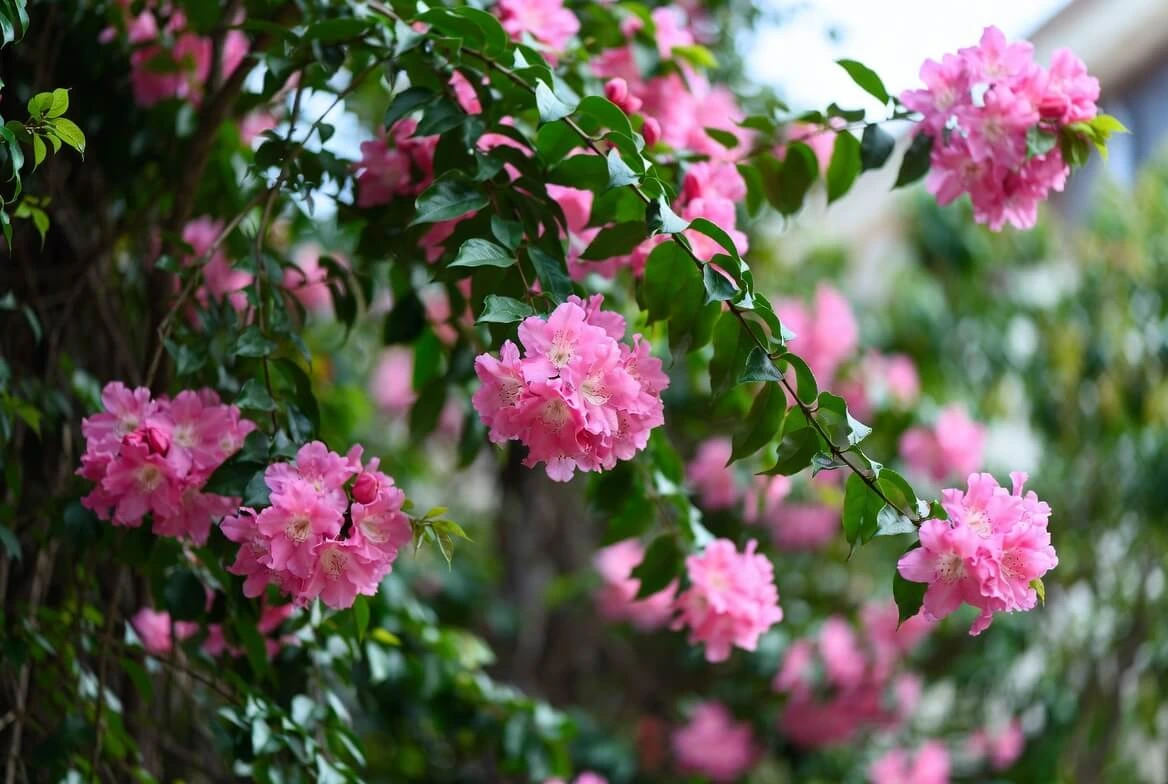
How to Actually Care for Lagerstroemia Floribunda
Forget the complicated guides. Here’s what works.
- Planting: Spring or early fall. Dig a hole twice as wide as the root ball. Don’t go deeper than the container it came in. Backfill with native soil.
- Watering: First month, water deeply twice a week. After that, only during drought. Overwatering kills more lagerstroemia floribunda trees than underwatering.
- Fertilizing: Once in early spring with balanced slow-release fertilizer. That’s it.
I used to overthink this stuff. Bought special soil amendments. Mixed compost ratios. Total waste of time. The tree grows fine without babying it.
What About Lagerstroemia Loudonii and Lagerstroemia Calyculata?
Lagerstroemia loudonii has darker purple blooms and slightly smaller leaves. It’s more compact, topping out around 20-25 feet. Great for tighter spaces or if you want that deep purple color.
Lagerstroemia calyculata stays even smaller—12-15 feet max. Pink to white flowers. Works better as a large shrub than a full tree.
All three are easy to grow. All three look incredible. The choice comes down to size and color preference.
The Pruning Question Everyone Asks
Should you cut back lagerstroemia floribunda every fall? Short answer: No. But the thing is these trees bloom on new growth. Light pruning in late winter to shape it or remove crossing branches? Fine. Hacking it down to stumps every year? Unnecessary and ugly.
I see people commit “crepe murder” constantly. They butcher their trees thinking it helps. It doesn’t. You get weak, spindly growth and fewer flowers.
Let the tree develop its natural form. Remove dead wood. Trim branches rubbing against each other. That’s all the pruning lagerstroemia floribunda needs.
Real Talk About Disadvantages
Nothing’s perfect. Here’s what you should know.
Lagerstroemia floribunda drops leaves and seed pods. If you’re obsessive about a clean yard, you’ll be out there raking. The bark sheds too as the tree matures.
It also needs full sun. Not partial sun. Full sun—minimum six hours daily. Plant it in shade and you’ll get sad, leggy growth with minimal blooms.
And if you’re in Zone 6 or colder, forget it. This tree needs warmth. Frost will damage it. Repeated hard freezes will kill it.
Best Time to Plant
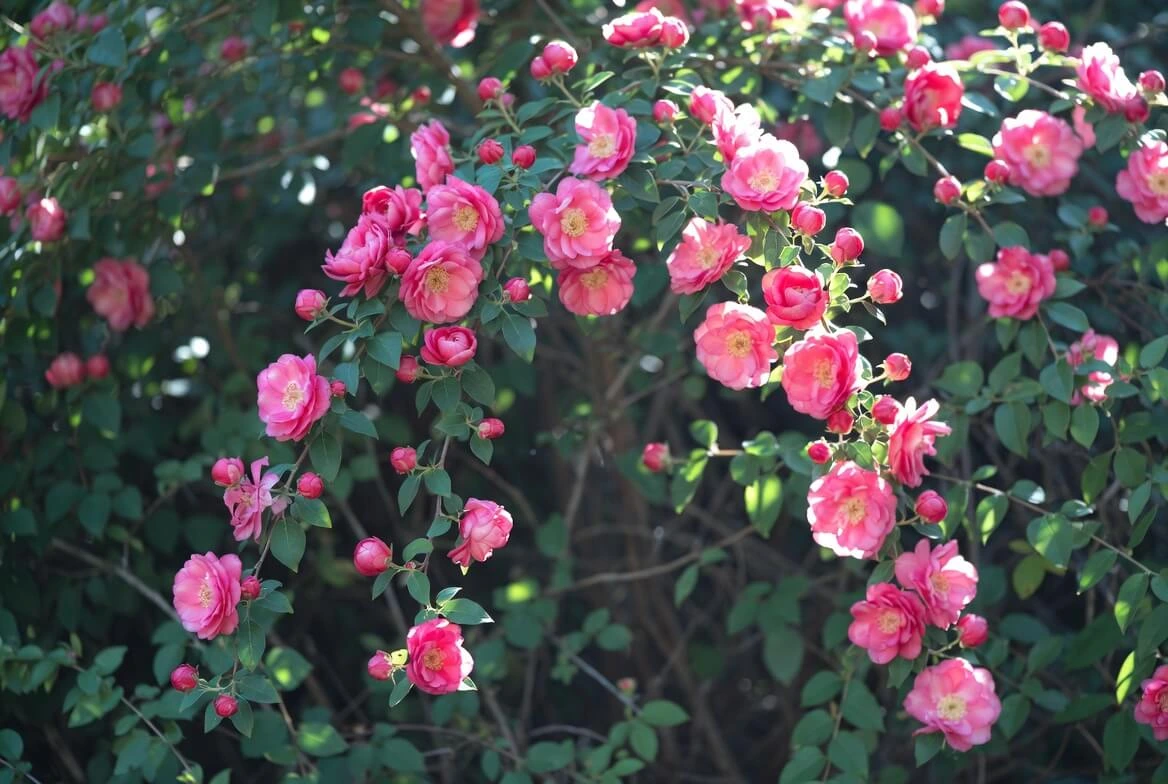
March through May in most zones. September to October if you’re in the Deep South. The goal is giving roots time to establish before extreme weather hits. Plant lagerstroemia floribunda in summer heat and you’ll be watering constantly. Plant in winter and it sits dormant, wasting time.
I planted mine in April. By July it was pushing new growth. By the following spring, it bloomed for the first time.Timing matters more than people think.
My Biggest Mistake (So You Don’t Repeat It)
I planted my first lagerstroemia floribunda too close to the house. Looked fine as a sapling. Three years later, branches are brushing the roof. Now I’m trimming more than I want to just to keep it clear.
These trees spread. Plan for a mature canopy of 20-30 feet wide. Give it room. Don’t cram it between your house and fence line. Learn from my stupidity.
Quick Care Checklist for Lagerstroemia Floribunda
Here’s everything in one place:
- Plant in full sun (6+ hours daily)
- Water deeply during establishment, then only during drought
- Fertilize once yearly in early spring
- Prune lightly in late winter if needed
- Expect 2-3 feet of growth per year
- Watch for aphids in spring (rare but possible)
- Mulch around the base to retain moisture
Follow this and your lagerstroemia floribunda will thrive. Ignore it and it’ll still probably be fine. That’s how forgiving these trees are.
FAQs
What is the common name for Lagerstroemia?
Crepe myrtle or crape myrtle. Some people call the larger varieties like lagerstroemia floribunda “queen’s crepe myrtle” or just “queen’s flower.”
How do you care for a Lagerstroemia floribunda?
Plant it in full sun with well-draining soil. Water regularly during the first month, then let natural rainfall handle it. Fertilize once in spring. Prune only to remove dead wood or shape.
What are the benefits of crepe myrtles?
They’re drought-tolerant once established, bloom heavily in summer, resist most pests, and provide excellent shade. They also have beautiful exfoliating bark that adds winter interest.
What is the local name of Lagerstroemia parviflora?
It’s called “dhayti” in some regions of India. Sometimes referred to as small-flowered crepe myrtle in English-speaking areas.
Is Lagerstroemia easy to grow?
Yes. It handles heat, humidity, and poor soil better than most flowering trees. Once established, it needs minimal care beyond occasional watering during drought.
What is the Queen’s flower used for?
Ornamental landscaping primarily. In some cultures, the wood is used for small crafts and construction. The flowers attract pollinators, making it valuable for ecological gardens.
What is the best month to plant crepe myrtles?
March through May in most zones. September to October in warmer climates like Florida or Southern Texas. Avoid planting during extreme heat or frost.
What are the disadvantages of Crape Myrtles?
They drop leaves, seed pods, and bark. They need full sun to bloom well. They’re not cold-hardy below Zone 7. Some varieties are prone to aphids and powdery mildew.
Should crepe myrtles be cut back every year in the fall?
No. Heavy annual pruning (crepe murder) weakens the tree and reduces blooms. Light pruning in late winter to remove dead wood or shape is sufficient.
Bottom Line
Lagerstroemia floribunda is one of the best low-maintenance flowering trees you can plant.It grows fast, blooms reliably, and handles heat without constant watering. If you have full sun and live in Zone 7 or warmer, it’s a no-brainer. I’d plant ten more if I had the space. That’s how good this tree is.