
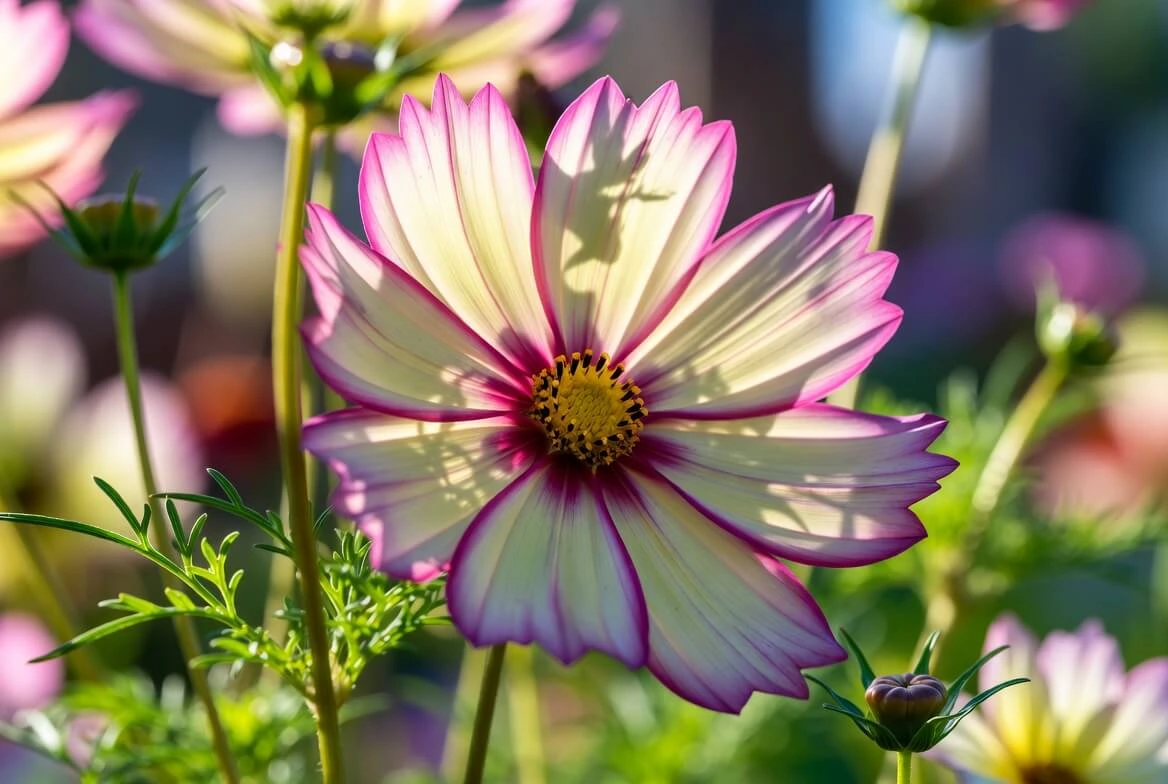
Ever bought a plant that promised to be “easy” and watched it die within two weeks? Yeah. Me too. That’s why I was skeptical when everyone kept raving about cosmos flowers. “They grow anywhere,” they said. “You can’t kill them,” they promised. But here’s the thing—they were actually right.
I’ve grown cosmos for years now at Zoned Garden. They’ve survived my neglect, my overwatering phases, and that time I completely forgot they existed for three weeks. Still bloomed like champions.
Whether you’re curious about the cosmos flower’s meaning, hunting for cosmos flower seeds, or trying to figure out if the cosmos flower is annual or perennial—I’ve got you covered.
What Is a Cosmos Flower? (And Why Should You Care?)
The cosmos flower’s common name comes from the Greek word “kosmos”—meaning order and harmony. Spanish priests in Mexico named them this because the petals are so perfectly arranged.
Poetic, right?
These daisy-like flowers belong to the Asteraceae family and are native to Mexico and Central America. They grow 1 to 6 feet tall, bloom from summer through fall, and attract butterflies and bees like crazy. Here’s what makes them special: they thrive on neglect.
Rich soil? They hate it. Too much water? They’ll sulk. But give them average dirt and some sunshine, and they’ll reward you with non-stop blooms.
Is the Cosmos Flower Annual or Perennial?
This question comes up constantly.
Most cosmos flowers are annuals. They complete their life cycle in one growing season—germinate, bloom, drop seeds, and die.
But here’s the good news: they self-seed like crazy. Leave the spent flower heads alone in fall, and you’ll have new plants popping up next spring without lifting a finger.
There’s one exception. Chocolate cosmos (Cosmos atrosanguineus) is a perennial. It grows from tubers and can survive winter in USDA zones 7 and above. But it’s higher maintenance than the regular varieties. For most gardeners, stick with the annuals. Less hassle, same gorgeous results.
Cosmos Flower Meaning and Symbolism
The cosmos flower’s meaning goes deeper than just pretty petals.
These flowers symbolize order, peace, and harmony—fitting, given their name. They also represent love, innocence, and beauty.
Different colors carry different meanings:
- White cosmos flowers symbolize purity and faithfulness
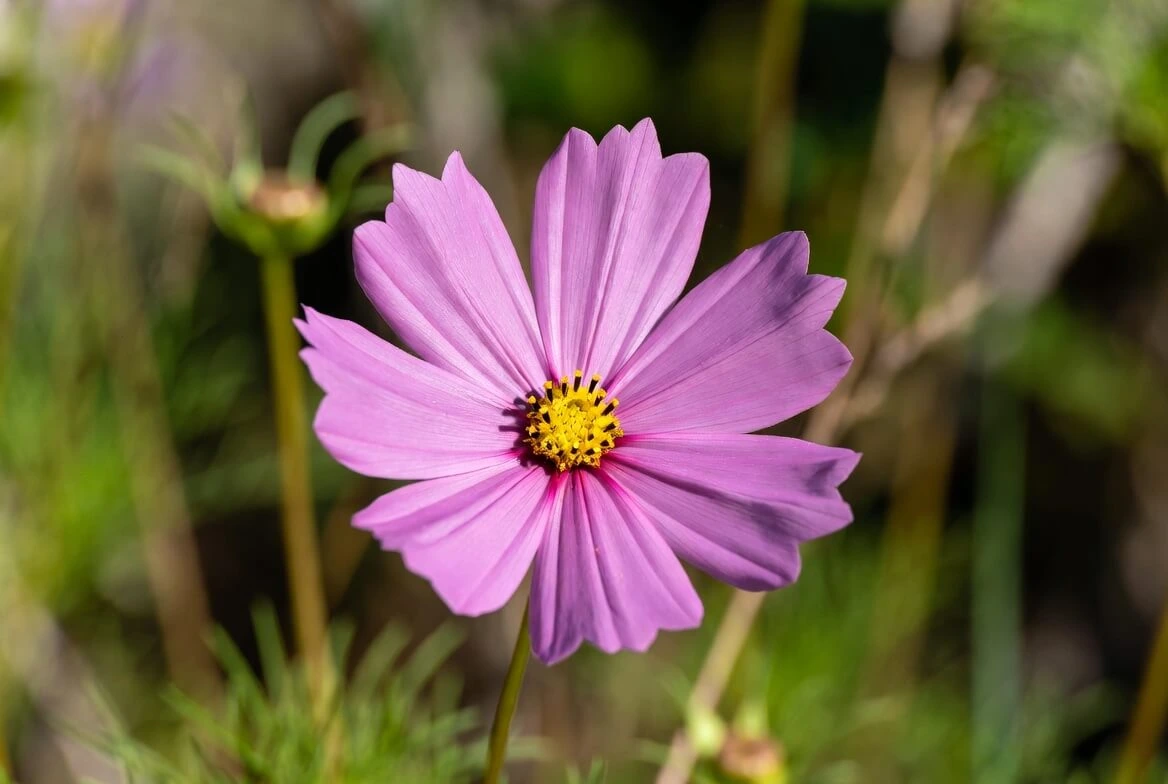
- Pink cosmos represent love and motherly affection
- Red cosmos stand for passion and desire
This symbolism makes cosmos popular for cosmos flower tattoo designs. People get them inked to represent balance, inner peace, or a connection to nature.
If you’re considering a cosmos flower tattoo, the delicate petals and feathery foliage translate beautifully into fine-line designs. Check out our guide on birth flower tattoo ideas for more floral ink inspiration.
Growing Cosmos by Color: Yellow, White, and Orange Varieties
Let’s talk about growing specific colors. Because not all cosmos are created equal.
Cosmos Flower Yellow
Yellow cosmos come from Cosmos sulphureus. These are the toughest of the bunch.
What you need to know:
- Extremely drought tolerant
- Love hot weather
- Grow 2 to 6 feet tall
- Shorter cultivars like ‘Cosmic Orange’ and ‘Bright Lights’ stay more compact
Yellow cosmos handle poor soil better than any other variety. If you’ve got a neglected corner of your yard, this is your flower. Perfect for drought tolerant flowers gardens.
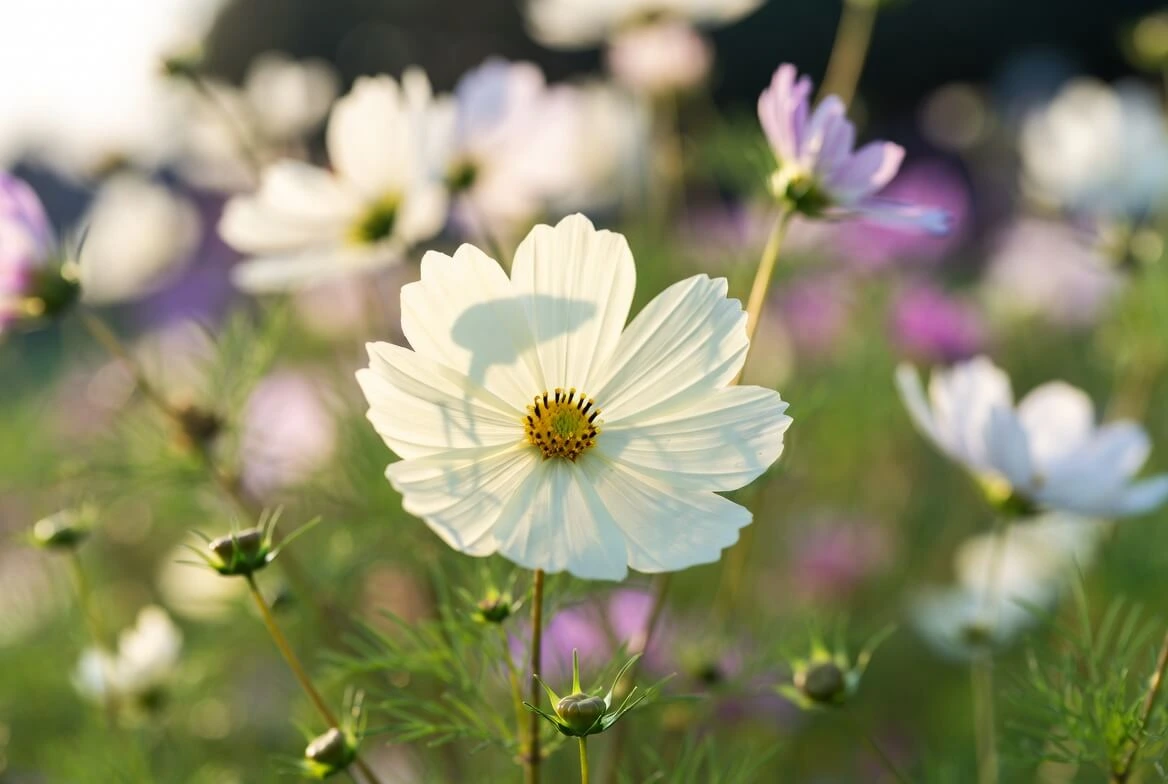
Cosmos Flower White
White cosmos typically come from Cosmos bipinnatus varieties like ‘Purity’ or ‘Sonata White.’
Growing tips:
- Need full sun (6-8 hours daily)
- Prefer slightly better soil than yellow varieties
- Perfect for cutting gardens and bouquets
- Create stunning contrast when planted with pink or red cosmos
White cosmos look elegant in cottage garden plants designs and provide that classic, airy look that designers love.
Cosmos Flower Orange
Orange cosmos are absolute showstoppers. Varieties like ‘Cosmic Orange’ and ‘Bright Lights’ bring serious visual punch.
Here’s what works:
- Deadhead regularly for continuous blooms
- Space plants 12-18 inches apart for good airflow
- Stake taller varieties to prevent flopping
- Perfect for butterfly gardens—butterflies can’t resist them
I grew ‘Cosmic Orange’ last summer and it bloomed from June until frost. No fertilizer. Barely any water. Just relentless flowers.
How to Grow Cosmos Flower Seeds
Starting cosmos from seed is stupidly easy. That’s not an exaggeration.
Indoor starting (4-6 weeks before last frost):
- Use seed trays with drainage holes
- Plant seeds ¼ inch deep
- Keep soil moist but not soggy
- Provide 12-16 hours of light daily
- Harden off seedlings before transplanting
Direct sowing (after last frost):
- Scatter seeds in prepared soil
- Cover lightly with ¼ inch of soil
- Water gently until germination (7-10 days)
- Thin seedlings to 12-18 inches apart
Here’s my honest take from years of testing at Zoned Garden: direct sowing works just as well. I’ve done both methods, and direct-sown cosmos catch up quickly once the soil warms.
Don’t overthink it. These plants want to grow.
Cosmos Care: The Basics That Actually Matter
Forget complicated care guides. Here’s what cosmos actually need:
- Sunlight: Full sun. 6-8 hours minimum. Less sun equals fewer blooms.
- Soil: Average to poor. Seriously. Rich soil makes them leggy with fewer flowers.
- Water: Once established, water only during drought. They’re drought tolerant for a reason.
- Fertilizer: Skip it. Too much fertilizer means lots of leaves and no flowers.
- Deadheading: This is the one thing that actually matters. Remove spent blooms and the plant keeps producing.
Common problems include aphids, powdery mildew, and the occasional Japanese beetle. Space plants properly for airflow, and you’ll avoid most issues. For more pest control strategies, check out our natural pest control guide.
Best Cosmos Varieties to Grow
After testing dozens of varieties, these are my go-to picks:
- Double Click Mix – Fully double blooms in pink, white, and magenta. More resilient than single-flowered types.
- Cosmic Orange – Compact, drought-tolerant, and blooms all season.
- Sea Shells – Unique tubular petals in pastel colors.
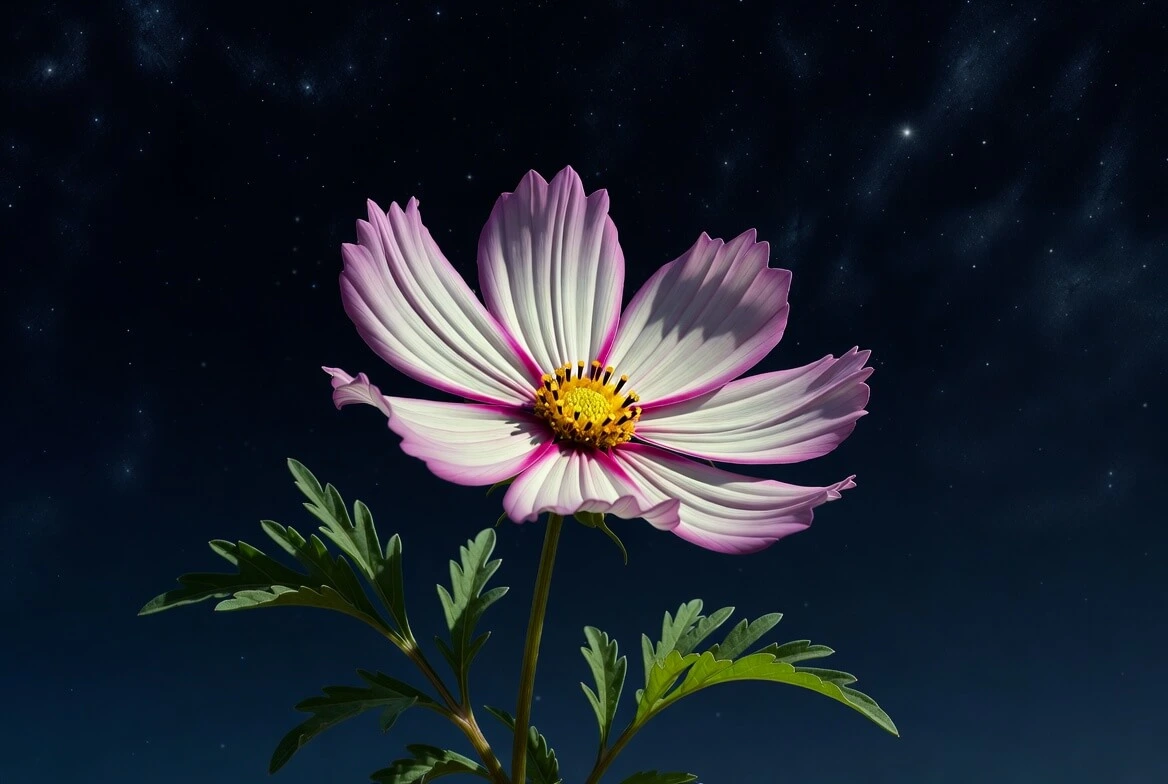
- Peppermint Candy – White petals splashed with magenta. Total conversation starter.
For cut flowers, double varieties last longer in the vase. Expect 4-6 days of vase life when harvested just as buds show color. They pair beautifully with zinnias and dahlias in summer bouquets.
FAQs About Cosmos Flowers
How long does the cosmos take to bloom from seed?
About 50-60 days from germination. They’re fast growers.
Can I grow cosmos in pots?
Yes. Use at least a 12-inch container with drainage. One plant per gallon of container size.
Do the cosmos come back every year?
They’re annuals but self-seed freely. Leave flower heads to drop seeds and they’ll return on their own.
Why aren’t my cosmos blooming?
Usually too much fertilizer or not enough sun. Cut back on feeding and ensure full sun exposure.
Are cosmos toxic to pets?
No. They’re non-toxic to dogs and cats.
Final Thoughts
Cosmos flowers deliver what most plants promise but fail to provide: beauty without the babysitting. They fill space fast, bloom all season, attract pollinators, and look stunning in bouquets. Whether you want cosmos flower yellow varieties for a hot, dry spot or white cosmos for elegant arrangements, there’s a variety that fits.
Here at Zoned Garden, we believe gardening should be rewarding—not frustrating. Cosmos are the perfect example of that philosophy. Start with cosmos flower seeds this spring. In two months, you’ll have a garden full of blooms. And you’ll wonder why you ever bothered with fussy plants.