
Here’s something nobody tells you upfront – the lemon lime prayer plant is basically the cheat code for people who struggle with regular prayer plants.
I’ve seen people completely give up on the red-veined varieties, then grab a lemon lime and suddenly they’re plant experts. It’s not you. It’s the plant. This green variety of Maranta leuconeura is just way more forgiving.
Let me show you exactly how to keep this thing thriving without overthinking it.
What Makes the Lemon Lime Prayer Plant Different
The lemon lime prayer plant (Maranta leuconeura ‘Lemon Lime’) is what I call “the good boy” of prayer plants. It just grows and grows, flowers without much fuss, and aside from decent water quality, it doesn’t demand much.
Unlike its red-veined relatives that throw tantrums over every little thing, this green variety is beginner-friendly and far less fussy.
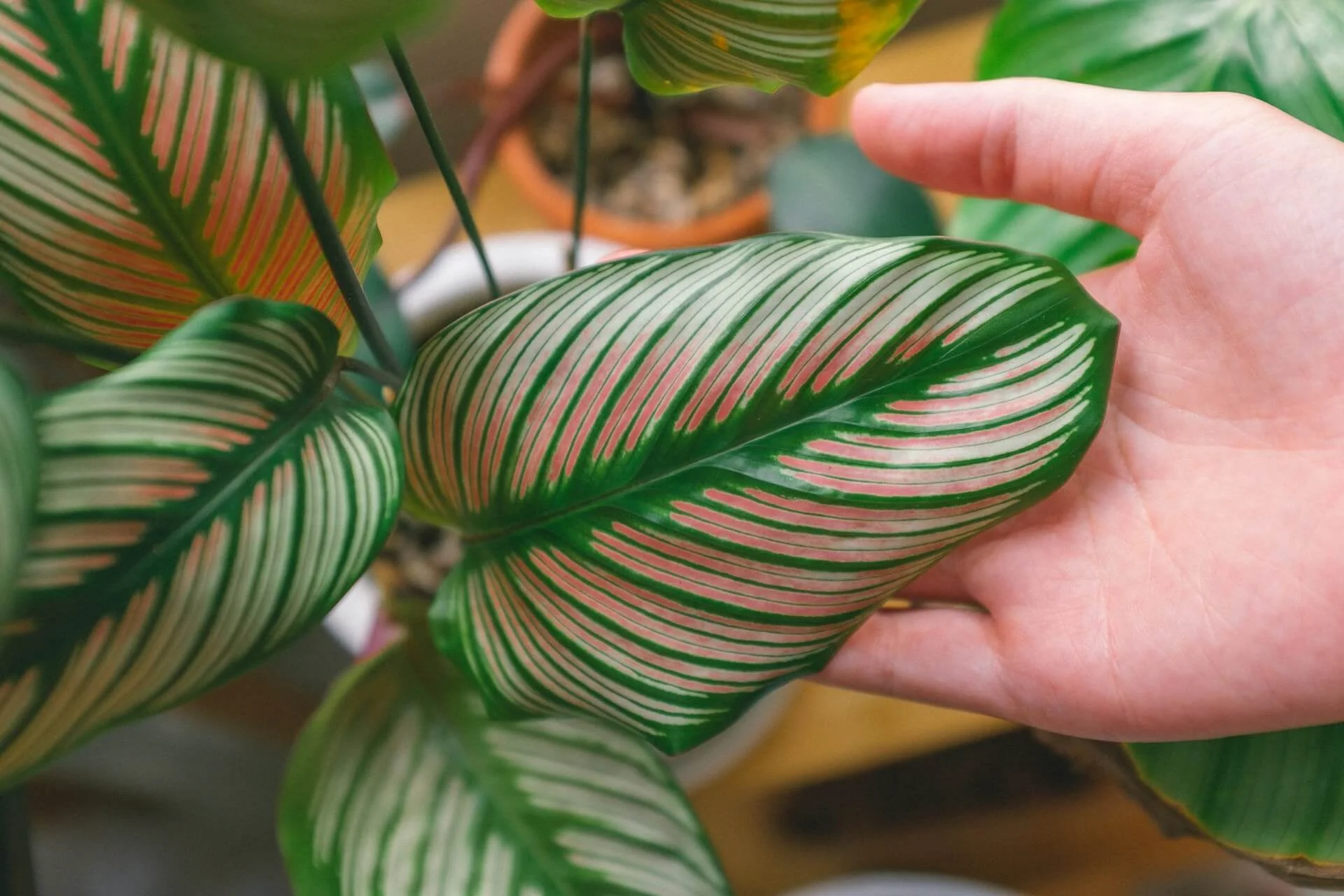
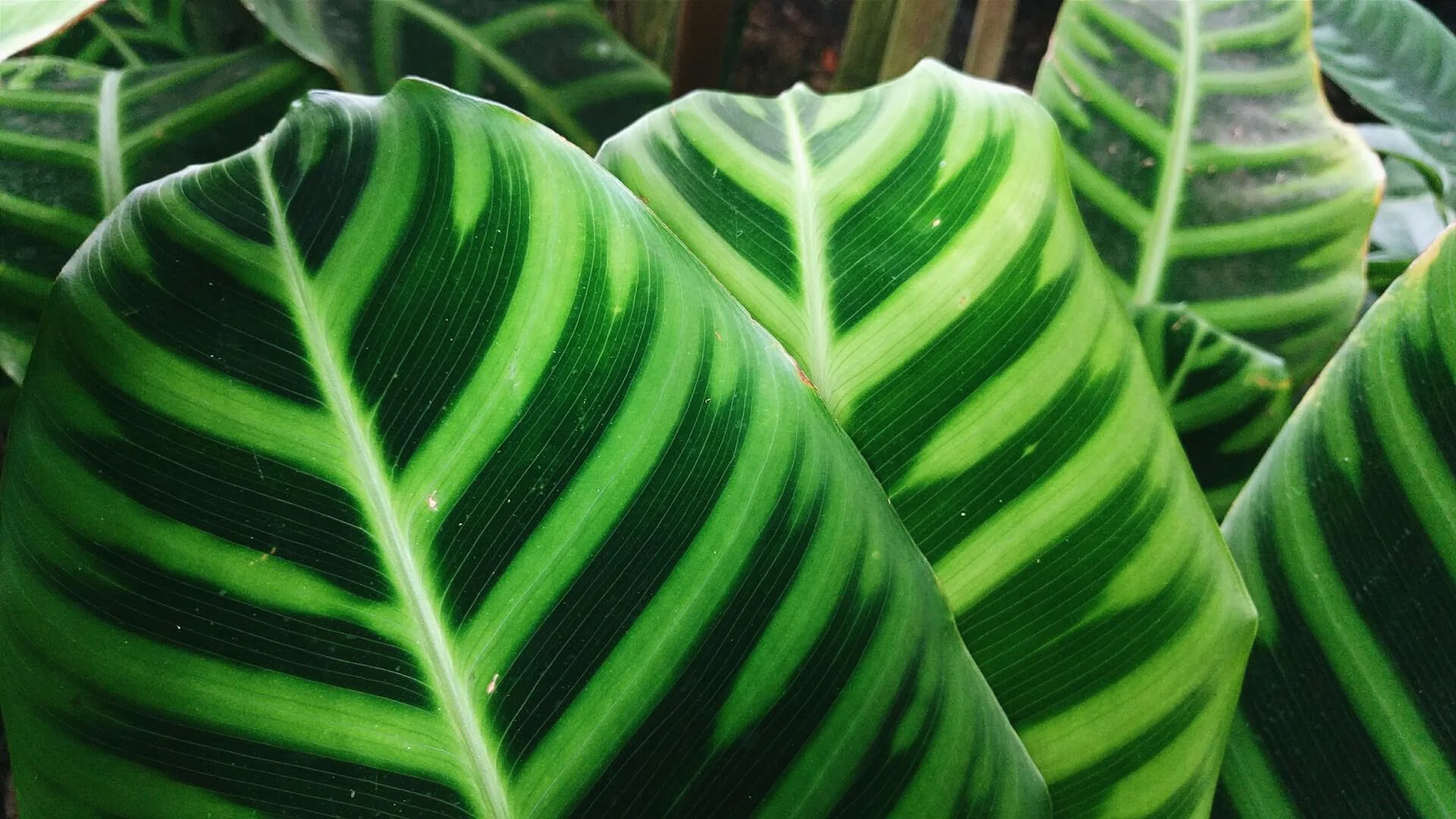
The leaves are bright green with dark green stripes in a symmetrical pattern that looks painted on. At night, they fold up like praying hands – hence the name. During the day, they lower down to catch light and moisture. In the evening, they fold upward to preserve water.
I used to think I was seeing things when the leaves would move out of the corner of my eye. Then I’d watch closely and realize – yeah, this plant actually moves throughout the day.
Lemon Lime Prayer Plant Care: Light Requirements
Bright indirect light is your target. Not low light, not direct sun. Bright. Indirect.
What works:
- About 20 feet from a west-facing window
- Near north or east-facing windows
- Several feet back from south or west windows
- Dappled light situations
What doesn’t work:
- Direct sun (scorches leaves instantly)
- Too much light (leaves curl up to protect themselves)
- Complete darkness (causes pale, stunted growth)
This plant is tolerant of low light conditions, but it needs at least some indirect light each day for best growth. If your lemon lime prayer plant starts curling its leaves, check for pests first, then move it back from the light source.
I kept mine too close to a west window initially. The leaves started curling defensively. Moved it back about 15 feet, and it relaxed within days. For more on indoor plant lighting strategies, we’ve got comprehensive guides for every situation.
The Watering Truth Most Care Guides Get Wrong
Here’s where most people mess up lemon lime prayer plant care – they follow the classic advice to “keep moist and never let it dry.”
That advice leads straight to disaster. Root rot. Fungus gnats. Root suffocation. The whole mess.
Here’s what actually works:
- Let the soil dry out between waterings
- Don’t let it sit dry for long periods
- Water when top inch of soil feels dry
- Keep soil moist but never waterlogged
- Never let water sit on leaves
The plant isn’t drought-tolerant, so don’t let it completely dry out. But it also can’t handle soggy soil.
Water quality matters more than you think:
- Use filtered water
- Distilled water works great
- Rainwater is ideal
- Tap water causes brown leaf tips (minerals build up)
The plant stores minerals from tap water in its leaf tips, and they eventually brown. I switched to filtered water after wondering why my tips kept crisping despite perfect watering frequency. Problem solved within a month.
If your roots aren’t in good condition from overwatering, they can’t deliver moisture to the leaves. So ironically, overwatering can cause dry, crispy leaves through root rot.
Soil That Actually Prevents Problems
Most greenhouses pack these plants in peat-heavy mixes so they don’t have to water as often. Continuing to use that soil at home? Recipe for disaster.
Proper soil mix:
- Well-draining potting mix
- Add perlite so roots can breathe
- Coco coir works too
- Typical houseplant mix is fine
- Acidic or neutral pH preferred
The soil should dry between waterings without staying constantly wet. If your lemon lime prayer plant needs watering more than once a week, either change the soil mix or upsize the pot.
I add about a tablespoon of coffee grounds monthly to maintain soil acidity. Simple hack that works. Check out our guide on optimal soil mixes for tropical houseplants for more detailed recipes.
Humidity: The Overblown Advice
Every care guide tells you to mist daily, use pebble trays, and crank humidity to 70%+. Here’s the reality – the lemon lime prayer plant does well in general household humidity of 45-55%. Mine thrives without misting.
Humidity tips that make sense:
- Higher humidity is better (60-65% ideal)
- Humidifier helps in dry climates
- Pebble tray works if you want
- Don’t mist constantly (causes fungal issues)
- If high humidity, provide great airflow
The problem with keeping conditions too moist is fungus, mold, and rot. Leaves and soil sitting wet leads to fungus gnats and other issues. This plant loves humidity but can develop problems from leaves staying wet. Balance is key.
Temperature and Fertilizer Basics
Keep temperatures between 60-80°F (18-27°C). Standard room temperature works fine.
Fertilizer schedule:
- Once a month during growing season (spring/summer)
- Balanced organic fertilizer
- Dilute to half-strength
- Every 4-6 weeks alternatively
- Reduce to once monthly in winter
- If you repot annually, you might not need it
This plant isn’t a huge feeder. Worm castings work great as a soil amendment for sensitive plants instead of water-based fertilizer.
Take great care not to burn leaf tips with too much fertilizer. The lemon lime prayer plant benefits from mycorrhizal colonies in soil, which is another reason to choose organic options.
Growth Pattern and Maintenance
The lemon lime prayer plant crawls along like it’s on a forest floor. It doesn’t grow tall – it creeps forward into a carpet of growth. This means you’ll get a formation that might not look appealing – bald on top with lanky growth hanging down.
The fix is simple:
- Take cuttings
- Root in water (happens easily)
- Plant back into bald spots
- Creates fuller appearance
Sometimes you’ll see runners that grow baby plantlets at the ends, similar to a spider plant. Leave them attached until roots form, then plant directly into the main pot to fill bald spots.
Pruning tips:
- Prune as needed to maintain shape
- Include a node in your cutting (the swollen bit between sections)
- Just a leaf cutting might not work
- Place cutting in water with node submerged
- Watch for roots (about 2 inches before planting)
I’ve rooted dozens of cuttings this way. It’s an enjoyable process that makes you feel accomplished when you see those roots forming.
Propagation Made Easy
Stem cutting method:
- Cut below a node
- Place in water with node submerged
- Wait for 2-inch roots
- Plant in soil
Division method (easiest when repotting):
- Loosen plant from pot
- Shake off old soil
- Separate into multiple plants with garden knife
- Each needs plenty of roots and several stems
- Pot separately in fresh mix
- Keep warm with bright indirect light
Spring or summer is best for propagation when the plant is at peak vitality.
Common Problems With Lemon Lime Prayer Plant Care
Brown crispy leaves:
- Low humidity
- Underwatering
- Tap water minerals
- Check for spider mites
Yellow leaves:
- Overwatering leading to root rot
- Insufficient light
- Nutrient deficiencies
- Inspect roots for brown, squishy, stringy appearance with foul odor
Curling leaves:
- Too much direct light
- Pests (check first)
- Needs water
Pest issues:
- Spider mites (if too dry for too long)
- Fungus gnats (if constantly wet)
- Mealybugs occasionally
- Treat with neem oil
If your plant stops moving its leaves, take a good look. It needs water, has pests, or something else is wrong. For detailed pest management strategies, we’ve got step-by-step treatment guides.
Repotting Guidelines
Repot every 2-3 years or when the plant doubles in size. Some people do it yearly.
Signs it’s time:
- Roots protruding from drainage holes
- Growth has halted (not dormancy)
- Soil no longer draining freely
How to repot:
- Choose pot a few inches larger
- Must have drainage holes
- Spring or summer timing
- Loosen from existing pot
- Shake off old soil
- Plant at similar depth
- Water thoroughly
The lemon lime prayer plant isn’t fast-growing, so you won’t need to repot constantly.
Why This Plant Blooms (And Others Don’t)
This plant has flowered several times for me – tiny, delicate white flowers in spring. Seeing them really creates that planty momentum and makes you feel accomplished as an indoor grower.
You don’t need special fertilizer or huge amounts of sun. Just patience. The plant blooms in its own time, and it’s not to be rushed.
FAQs
Is lemon lime prayer plant care difficult?
No, it’s one of the easiest prayer plants. Far less fussy than red-veined varieties and beginner-friendly with basic care.
How often should I water my lemon lime prayer plant?
Water when the top inch of soil feels dry – usually once weekly. Let it dry between waterings but don’t let it sit dry for long.
Do I need high humidity for lemon lime prayer plant?
Not necessarily. It does well in household humidity of 45-55%, though it appreciates 60-65% if you can provide it.
Why are my lemon lime prayer plant leaves turning brown?
Brown tips usually indicate tap water minerals or low humidity. Brown crispy leaves mean underwatering or pest issues.
Can I use tap water for my lemon lime prayer plant?
Not recommended. Use filtered, distilled, or rainwater to prevent mineral buildup that causes brown leaf tips.
Is the lemon lime prayer plant rare?
Somewhat. It’s less common than other prayer plant varieties but you can find it if you shop around at nurseries.
Final Thoughts on Lemon Lime Prayer Plant Care
The lemon lime prayer plant is what every beginner should start with if they want a prayer plant. It’s the “good boy” that just grows without drama. Bright indirect light, filtered water, well-draining soil, and reasonable humidity. That’s it. You don’t need perfect conditions or constant misting.
Let the soil dry between waterings, propagate to fill bald spots, and enjoy watching those leaves move throughout the day. It’s a low-maintenance houseplant with striking looks that actually tolerates normal household conditions.
If you’ve failed with other prayer plants, this one gives you a real shot at success. Just skip the peat-heavy soil and tap water, and you’re already ahead of most people.
Read More Blogs at Zoned Garden.