Plant Care That Actually Works — No Guesswork, No Wasted Plants

Most plants die from one of 4 mistakes: wrong watering, wrong timing, wrong soil prep, or skipping winter protection. This guide covers the right way to water, fertilize, prune, and prepare plants for each season — with specific advice for perennials, shrubs, trees, and containers so you stop losing plants to preventable causes.

Care Categories
0 +
Months Covered
0
Plant Types
0 +
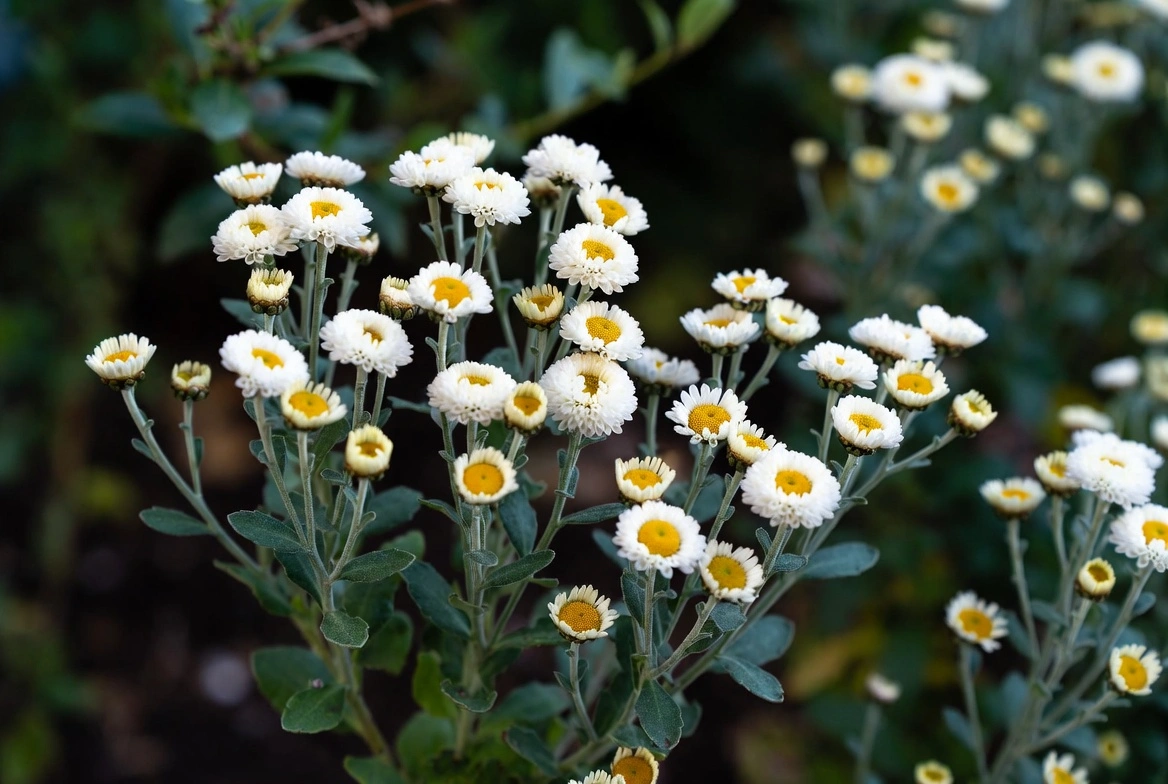
Buy Chrysanthemum Plants
How to Grow a Lemon Tree From Seed

How to Grow a Lemon Tree From Seed (Step-by-Step Guide)

A lemon tree grown from seed starts with a fresh seed pulled straight from ripe fruit, planted while still wet in sterile potting mix, and kept warm until it sprouts in 2 to 4 weeks. From there, the seedling needs bright light, consistent moisture, and 4 to 10 years before it flowers and sets fruit. Getting the first three steps right determines most of what happens next: choosing viable seed, planting it before it dries out, and giving the roots warmth instead of cold. This guide covers every stage, including soil pH, the difference between seed-grown and grafted trees, and

Read Full Guild »
CORE PLANT CARE GUIDES
 

Plant Care Rules That Change by Plant Type

Perennials, shrubs, trees, and container plants all follow different care rules. Watering depth, fertilizer timing, and pruning technique that works perfectly for a perennial border actively harms a newly planted tree. Match the care approach to the plant type, not just the season.

Perennial Care

Water 1 in (2.5 cm) per week. Fertilize once in early spring. Cut back dead stems in late March — not fall. Divide every 3–4 years when the plant center goes bare.Key timing: Spring division, midsummer deadheading, late-March cleanup

Shrub Care

Deep water twice a week in year one. Prune spring bloomers right after flowering. Prune summer bloomers in early spring. Mulch 3 in (7 cm) deep, pulled back from the stem base.Key timing: Post-bloom pruning for spring types, early spring for summer types

Tree Care

Water the root zone — not the trunk — at 1 in (2.5 cm) per week for 2 full years after planting. Do not fertilize newly planted trees. Prune only dead, damaged, or crossing branches in late winter.Key timing: Late-winter structural pruning, 2 years of establishment watering

Container Plant Care

Containers dry out 3× faster than ground plantings. Check soil moisture daily in summer. Water until water drains from the bottom holes. Fertilize every 2–3 weeks with liquid fertilizer through the growing season.Key timing: Daily moisture checks, bi-weekly liquid feeding May–September

Bulb Care

Plant spring bulbs in fall when soil drops below 50°F (10°C). Do not cut foliage until it turns yellow — leaves feed the bulb for next year. Deadhead spent flowers but leave the stem until leaves die back naturally.Key timing: Fall planting, post-bloom deadheading, wait for yellow leaves before cutting

Lawn Care Timing

Fertilize cool-season grasses in fall, not spring. Fertilize warm-season grasses in late spring when fully green. Mow at the highest setting — 3–4 in (7–10 cm) — to shade out weeds and retain soil moisture.Key timing: Fall feeding for fescue and bluegrass, late-spring feeding for zoysia and bermuda

Seasonal Plant Care Calendar — Month by Month

A 12-month reference covering the most time-sensitive plant care tasks for perennials, shrubs, and trees across zones 4–8.

MonthPerennialsShrubsTreesContainers
MarchCut back old stems, divide early risersPrune summer bloomers before buds breakStructural pruning while dormantStart seeds indoors 6–8 weeks before frost
AprilApply slow-release fertilizer, add mulchWatch for aphids on new growthCheck for winter damage, remove crossing branchesMove cold-hardy plants outside after last frost
MayStake tall plants before they fall overPrune spring bloomers after flowering endsDeep water if dry spring, no fertilizerPlant summer annuals, begin bi-weekly liquid feeding
JuneDeadhead spent flowers, shear mounding typesCheck soil moisture weekly in heatMulch root zone 3 in (7 cm) deepWater daily or twice daily in heat
JulyCut back mounding perennials for rebloomWater deeply twice a week in droughtWatch for drought stress — wilting at middayRefresh potting mix in containers over 2 years old
AugustSecond fertilizer application in cool climates onlyLast chance to prune without affecting fall budsContinue deep watering through dry AugustReduce fertilizer frequency, prepare for fall transition
SeptemberStop fertilizing, let plants harden offPlant new shrubs — roots establish before frostPlant bare-root and container treesBring frost-tender containers inside before first frost
OctoberLeave seed heads for birds, do not cut backWater deeply before ground freezesDeep water newly planted trees before freezeStore empty containers upside down to prevent cracking
NovemberApply winter mulch after ground freezesWrap newly planted broadleaf evergreens in burlapFinish planting before ground freezesStore tender bulbs frost-free in paper bags
December–FebLeave all stems standing through winterRemove heavy snow from branches gentlyOrder bare-root stock for spring plantingCheck stored bulbs monthly for rot or desiccation

3 Plant Care Mistakes That Kill More Plants Than Pests or Disease

Pests and disease get the blame, but 3 basic care errors cause the majority of plant deaths in home gardens. Fix these 3 things and your plants handle most pests and diseases on their own.

Watering on a schedule instead of checking the soil

A watering schedule ignores weather, season, soil type, and the plant's actual growth stage. A perennial in active bloom in a hot July week needs far more water than the same plant in a cool cloudy September. Press a finger 2 in (5 cm) into the soil before every watering decision — if the soil feels moist, wait. Water only when the top 2 in (5 cm) is dry. This one change prevents the majority of overwatering deaths, which outnumber underwatering deaths in most home gardens by 3 to 1.

Mulch volcanoes against stems cause slow crown rot

Piling mulch 6–8 in (15–20 cm) deep against a plant stem or tree trunk traps moisture against the bark constantly. Bark needs air. Constant contact with moist mulch breaks down bark tissue over months and years — the damage is invisible until the plant collapses. Apply mulch 2–3 in (5–7 cm) deep and keep it 2–3 in (5–7 cm) away from all stems. The mulch ring around a tree should look like a donut — with a dry gap at the center where the trunk emerges. This single adjustment prevents crown rot in perennials and collar rot in trees and shrubs.

Planting too deep starves roots of oxygen and kills plants slowly

The root flare — the point where stem widens into roots — belongs at or just above soil level. Every inch (2.5 cm) of soil over the root flare reduces the oxygen available to feeder roots. Trees planted 3–4 in (7–10 cm) too deep decline slowly over 3–5 years before the problem becomes obvious. At planting, set the root ball high, backfill with existing soil (not amended mix), and make sure the root flare is visible. For perennials, set the crown at soil level — not below it. A plant set slightly high always recovers. A plant set too deep rarely does.