
I killed my first batch of ranunculus bulbs in three weeks. Didn’t soak them. Planted too deep. Overwatered like crazy.
Those expensive corms turned to mush in soggy soil while I wondered why florists charge $8 per stem. Now I know. These aren’t your average flowers.
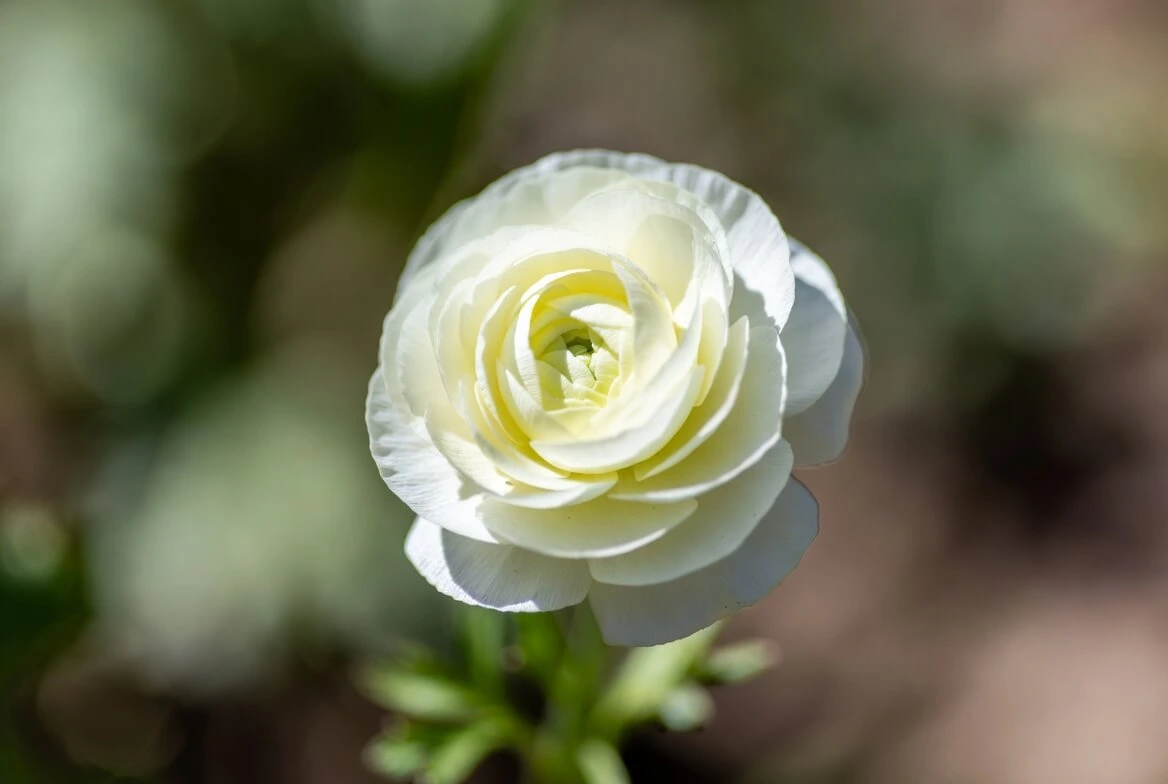
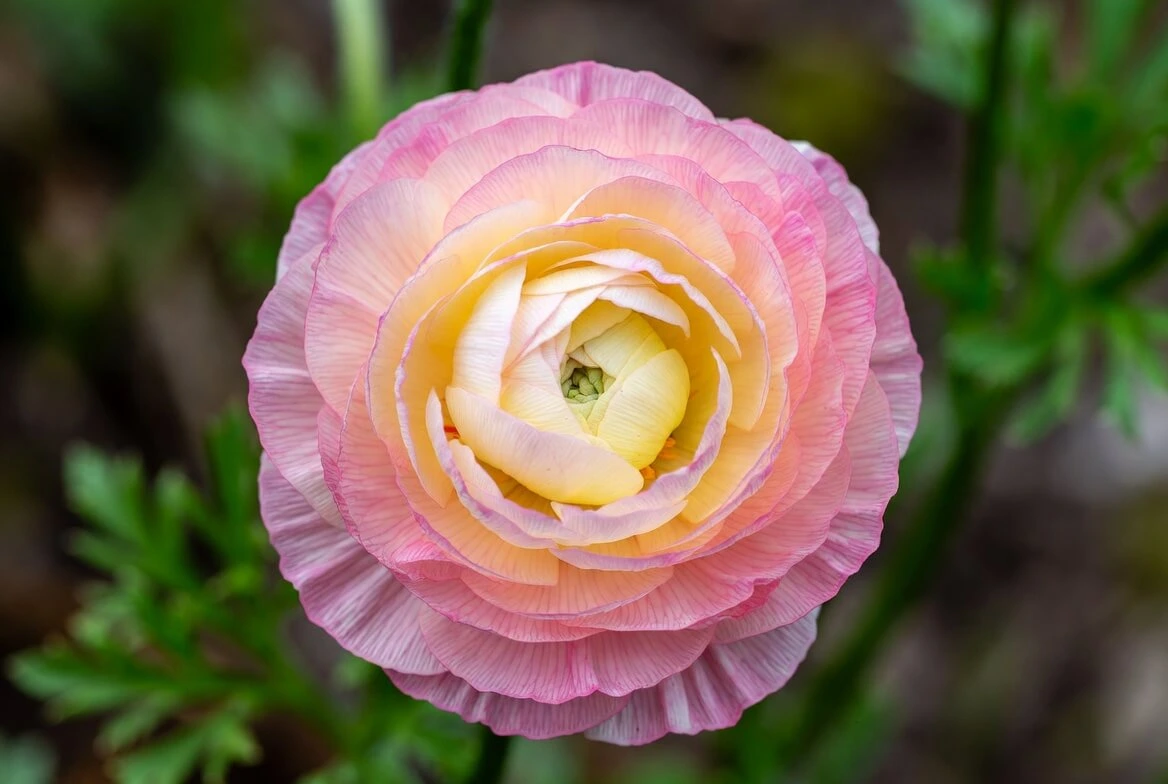
Ranunculus looks like roses had a baby with peonies. Those layered, tissue-paper petals come in every color except blue. They’re stunning in bouquets and ridiculously profitable if you grow them right.
Here’s everything I learned the hard way so you don’t have to.
What Makes Ranunculus Different From Regular Bulbs
First, they’re not actually bulbs. They’re corms that look like tiny brown claws.
Second, they’re drama queens about temperature. Too hot? They quit blooming. Too cold? They rot underground. They want that perfect spring weather in the 50s and 60s.
Third, the planting process has extra steps. You can’t just stick them in the ground like tulips.
But once you figure out their system, ranunculus flowers bloom for 4-6 weeks straight. Each plant produces 15-25 stems. That’s bouquet after bouquet from a $2 corm.
The Soaking Trick That Changes Everything
Those hard, dry corms? They need water before planting. This is non-negotiable.
How to soak ranunculus bulbs properly:
- Fill a bowl with room temperature water (not warm, not cold)
- Drop in your corms for 3-4 hours maximum
- Change the water every hour or run a trickle from the faucet
- They’ll plump up like little sponges
I soak mine in the morning, plant them in the afternoon. Simple.
Don’t soak overnight. I tried that once. Half of them rotted before I even got them in the ground.
Pre-Sprouting Makes or Breaks Success
This step feels unnecessary until you skip it and watch your success rate tank.
The pre-sprouting process:
- Fill a seed tray with 1-2 inches of damp potting mix
- Place soaked corms on top, claw side down
- Cover with another inch of moist mix
- Keep in a dark, cool spot (50-60°F) for 10 days
- Plant when you see white roots
I use my unheated garage in late winter. Works perfectly.
Pre-sprouted corms establish faster and bloom earlier than corms planted directly in the ground. The difference is weeks. For other spring bulb tips, check out our complete spring bulb planting guide at Zoned Garden.
When to Plant Ranunculus (It’s Complicated)
Your planting time depends entirely on your zone.
Warm climates (zones 8-10): Plant in fall for late winter/spring blooms. They’ll grow slowly through winter, then explode with flowers in March.
Cold climates (zones 4-7): Plant pre-sprouted corms in late winter/early spring for early summer flowers. Direct fall planting kills them.
I’m in zone 7. I plant in March after pre-sprouting indoors in February. Get flowers in May. My friend in zone 9 plants hers in October. Get flowers in February. Same corms, totally different schedule.
Planting Ranunculus the Right Way
Depth matters. Spacing matters. Orientation definitely matters.
Planting specs:
- Depth: 2 inches (shallow works fine)
- Spacing: 6-9 inches apart in garden beds
- Orientation: Claw side down (roots grow from those fingers)
- Containers: 1 per 8″ pot, 2 per 12″ pot, 3 per 18″ pot
I plant mine 6 inches apart for maximum stems. Closer spacing means more flowers per square foot.
Soil requirements: Well-draining is critical. These corms rot in wet soil. Mix in compost for nutrients, but make sure water doesn’t pool. I add perlite to my beds. Helps drainage tremendously.
Ranunculus Care After Planting
Water consistently but not excessively. The soil should be moist, not soaking. I water 2-3 times per week depending on rain. More in sandy soil. Less in clay.
The watering schedule:
- After planting: Keep soil moist while roots establish
- During growth: Water when top inch of soil dries
- During flowering: Consistent moisture for best blooms
- After flowering: Reduce watering as foliage yellows
Inconsistent watering causes fewer blooms and stressed plants.
Fertilizing schedule: Feed every 2 weeks once foliage appears. I use diluted fish emulsion or balanced liquid fertilizer. Bulb fertilizer at planting gives them a good start.
The Powdery Mildew Problem
Ranunculus foliage attracts powdery mildew like moths to a flame. That white powder coating the leaves? It’s a fungus that loves humidity and poor airflow.
Prevention strategies:
- Space plants properly (don’t crowd them)
- Water at soil level, not overhead
- Use drip irrigation if possible
- Water early in the day so foliage dries
- Ensure good air circulation
I lost half my plants to mildew the first year because I planted them too close and used a sprinkler. Now I use soaker hoses and space them 8 inches apart. Zero mildew issues.
Cutting Ranunculus for Bouquets
Cut them early. Like, really early. I harvest when buds just start showing color. They’ll open fully in the vase and last 7-10 days.
Cutting tips:
- Cut in the morning when stems are full of water
- Use sharp, clean shears
- Cut stems 12+ inches long
- Strip lower leaves
- Put immediately in water
The more you cut, the more they bloom. Cutting triggers the plant to produce more stems. I cut 2-3 times per week during peak season. For more flower cutting techniques, visit our cut flower growing guide at Zoned Garden.
What Happens After Ranunculus Bloom
The foliage yellows and dies back. This is normal.
- In zones 8-10: Leave corms in the ground if drainage is excellent. They might come back next year. Might.
- In zones 4-7: Dig up corms after foliage dies. Let them dry completely. Store in a mesh bag at 50-55°F over winter.
I treat mine as annuals and buy fresh corms each year. Easier than storing, and I get guaranteed results.
Growing Ranunculus in Containers
Containers give you control over soil, water, and temperature. I actually prefer them.
Container advantages:
- Perfect drainage (add holes if needed)
- Easier to move for temperature control
- Better soil quality control
- No bending to harvest
Use quality potting mix, not garden soil. Add perlite for extra drainage. I grow mine in 12-inch pots on my south-facing patio. Two corms per pot. Get 30-40 stems per pot over the season.
The Timeline From Planting to Blooms
- Week 1-2: Roots establish (nothing visible)
- Week 3-4: Foliage emerges
- Week 6-8: Rapid growth, more leaves
- Week 10-12: First buds appear
- Week 12-18: Full bloom period (this is the magic)
That’s roughly 90 days from planting to flowers. Warmer temps speed it up. Cooler temps slow it down.
Why Your Ranunculus Might Not Be Blooming
Not enough sun. This is the #1 reason. Ranunculus needs 6-8 hours of direct sunlight daily. Partial shade = fewer blooms.
Other bloom problems:
- Planted too late (hit summer heat before blooming)
- Not enough water during bud formation
- Poor soil drainage stunted growth
- Corms were too small to begin with
- Temperature too hot (they stop in high heat)
I planted mine in a spot that gets morning shade once. Got half the usual flowers. Full sun is critical.
Ranunculus FAQs
Are ranunculus bulbs the same as regular bulbs?
No. They’re technically corms, not bulbs. Corms are solid storage organs. Bulbs have layers. The planting process differs – ranunculus corms need soaking and pre-sprouting for best results.
How long do ranunculus flowers last?
Cut ranunculus stems last 7-10 days in a vase with fresh water and flower food. In the garden, each plant blooms for 4-6 weeks. Individual flowers last about a week before fading.
Can you leave ranunculus bulbs in the ground?
Only in zones 8-10 with excellent drainage. In zones 4-7, dig them up after foliage dies and store them over winter. Most gardeners treat them as annuals and replant fresh corms each year.
When should I plant ranunculus bulbs?
Fall planting (October-November) in warm zones 8-10 for late winter/spring blooms. Spring planting (February-March) of pre-sprouted corms in cold zones 4-7 for early summer flowers. Timing depends entirely on your climate.
Do ranunculus come back every year?
They’re perennial in zones 8-10 but often treated as annuals. Success returning depends on drainage, climate, and winter conditions. Many gardeners buy fresh corms annually for guaranteed blooms rather than hoping old corms survive.
The Real Secret to Ranunculus Success
Start with quality corms. Those cheap, tiny ones at big box stores? Skip them. Buy 6/7 cm corms minimum. Bigger corms have more stored energy. More energy = more flowers. I buy mine from specialty bulb suppliers. Pay $2-3 per corm instead of $1. Get triple the blooms.
Second secret: Don’t fight your climate. Warm zone gardeners plant in fall. Cold zone gardeners plant in spring. Work with your weather, not against it.
Third secret: Drainage trumps everything else. I’d rather plant in mediocre soil with perfect drainage than rich soil that holds water.
Ranunculus rewards precision. Soak them right. Pre-sprout them. Plant at the correct time for your zone. Provide excellent drainage. Do those four things and you’ll wonder why you ever bought $8 stems at the flower shop.
At Zoned Garden, we believe growing flowers should be profitable and satisfying. Ranunculus delivers both when you understand their specific needs and stop treating them like regular spring bulbs.